
How to Create an Essential Family Emergency Tool Kit
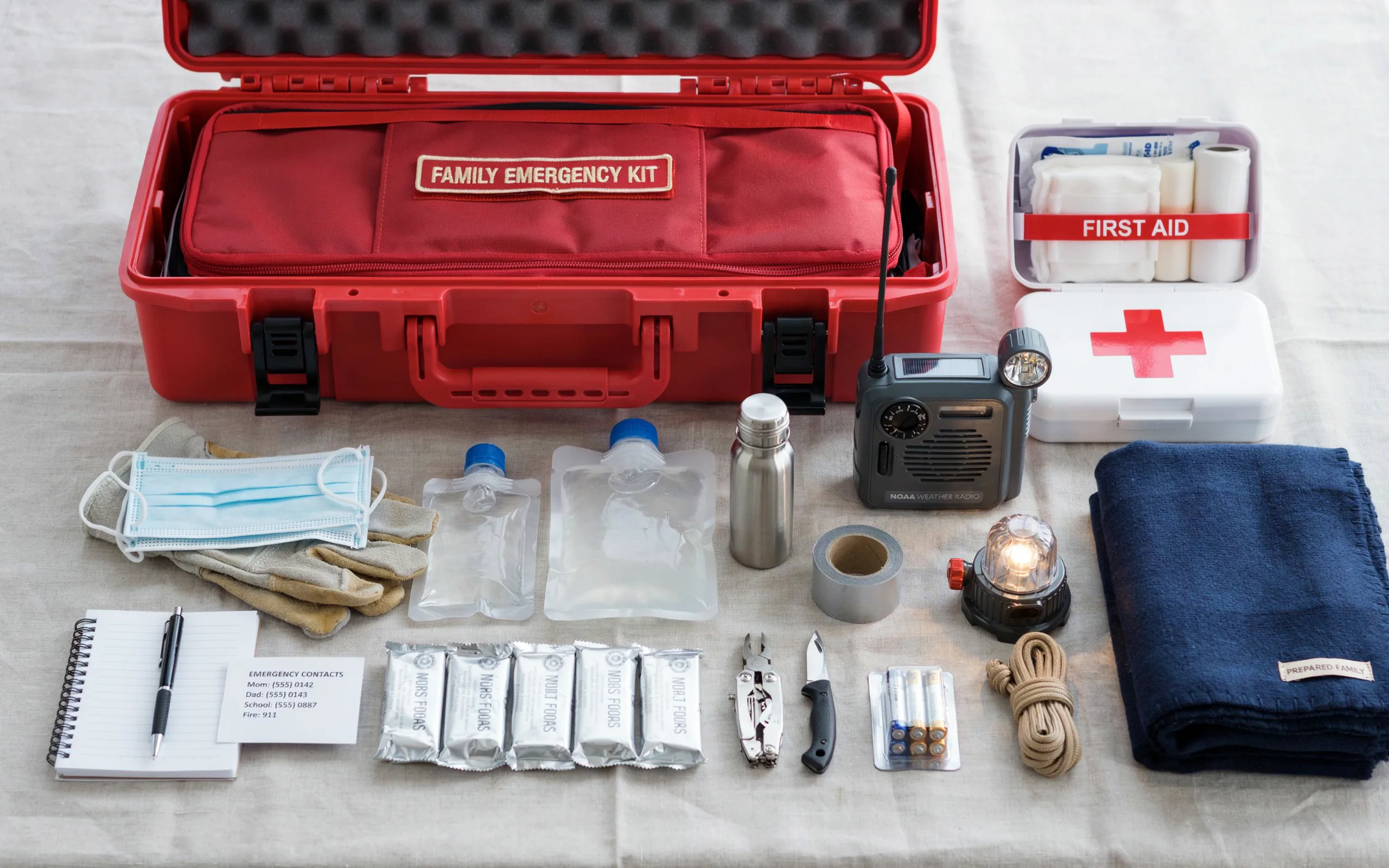
Creating a family emergency tool kit means assembling a collection of essential supplies and tools designed to help your household survive and cope during a disaster or unexpected event when normal services might be disrupted. This kit acts as your immediate lifeline, providing necessities like food, water, first aid, and communication for at least 72.
The process involves identifying critical items across several categories, organizing them for quick access, and tailoring the contents to your family’s unique needs. Having a well-stocked and accessible kit can significantly reduce stress and improve safety when emergencies strike, from power outages to natural disasters.
Safety checks
- An emergency kit should cover water, food, first aid, communication, and shelter.
- Customize your kit to include specific needs for all family members, including pets.
- Store your kit in an easily accessible, designated location.
- Regularly check and rotate perishable items and medications.
| Topic | When it helps | What to keep in mind |
|---|---|---|
| 1 | Sustaining basic hydration and nutrition for all family members during initial emergency phases. | Do not rely on tap water during a ‘boil water’ advisory without purification. |
| 2 | Addressing immediate medical needs and maintaining sanitation when utilities are unavailable. | Check expiration dates on medications and sterile supplies regularly. |
| 3 | Navigating in darkness, receiving emergency broadcasts, and contacting loved ones. | Relying solely on cell phones is risky; their batteries can die, and networks may be down. |
| 4 | Making minor repairs, securing your environment, and staying warm or dry. | Ensure family members know how to safely use tools, especially to turn off gas or water. |
The article must cover the
1. Water and Food Supplies
Water is the most critical item. Plan for at least one gallon per person per day for drinking and sanitation.
- Sustaining basic hydration and nutrition for all family members during initial emergency phases.
- Do not rely on tap water during a ‘boil water’ advisory without purification.
- Calculate water needs based on family size and plan for a 3-day minimum.
- Water per person/day – 1 gallon.
- Food type – Non-perishable, easy-to-prepare.
- Duration – Minimum 3 days.
2. First Aid and Hygiene Essentials
How to Create an Essential Family Emergency Tool Kit. A well-stocked first aid kit is vital for treating minor injuries and managing health issues. Include bandages, antiseptic wipes, pain relievers, and any prescription medications.
- Addressing immediate medical needs and maintaining sanitation when utilities are unavailable.
- Check expiration dates on medications and sterile supplies regularly.
- Beyond a standard first aid kit, add specific items like extra glasses, contact lens solution, or hearing aid batteries if needed by.
- First aid kit – Comprehensive.
- Medications – Prescription + OTC.
- Hygiene items – Soap, sanitizer, wipes.
3. Communication and Lighting Tools
When power is out, reliable light sources and communication devices are indispensable. Include flashlights with extra batteries, a hand-crank or battery-powered radio, and a way to charge cell phones.
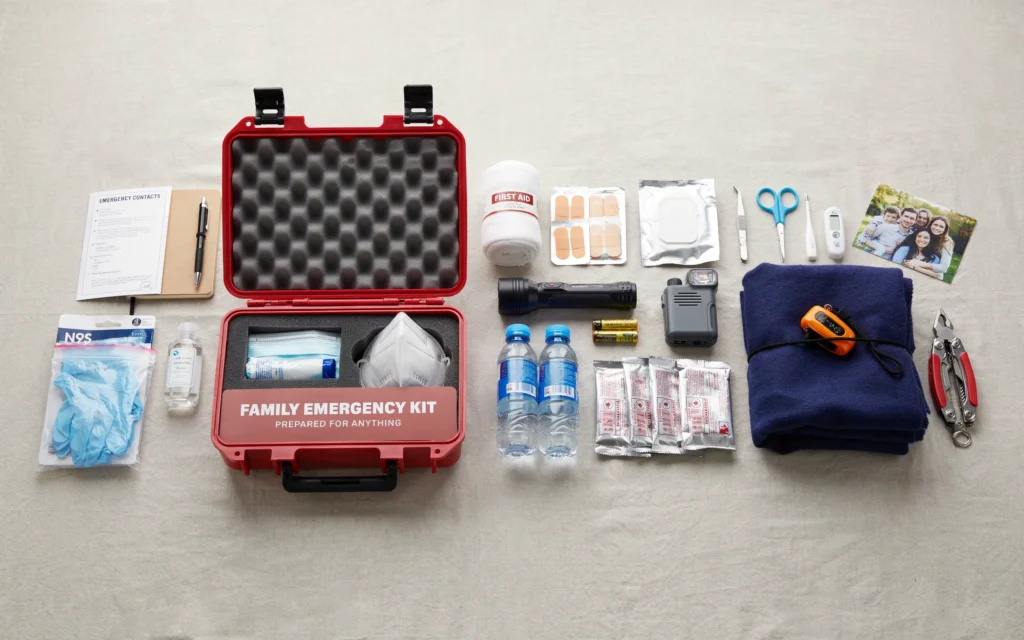
- Navigating in darkness, receiving emergency broadcasts, and contacting loved ones.
- Relying solely on cell phones is risky; their batteries can die, and networks may be down.
- Consider a NOAA weather radio with an alert function.
- Light source – Flashlight, headlamp.
- Radio – Hand-crank/battery-powered.
- Charging – Power bank, solar charger.
4. Shelter and Essential Tools
How to Create an Essential Family Emergency Tool Kit. Even if you shelter in place, basic tools and items for warmth or temporary shelter can be critical. Include a multi-tool, duct tape, plastic sheeting, blankets, and a wrench to turn off utilities.
- Making minor repairs, securing your environment, and staying warm or dry.
- Ensure family members know how to safely use tools, especially to turn off gas or water.
- Include sturdy work gloves to protect hands during cleanup or minor repairs.
- Tools – Multi-tool, wrench.
- Shelter – Blankets, plastic sheeting.
- Utility shut-off – Wrench.
Why a Family Emergency Kit is Crucial for Preparedness
Emergencies can strike without warning, from natural disasters like hurricanes, earthquakes, or blizzards to man-made incidents such as power outages or chemical spills. During these times, essential services like electricity, water, and communication might be disrupted, and roads could become impassable.
A family emergency tool kit, often called a ‘go-bag’ or ’72-hour kit,’ is your household’s first line of defense. It contains the basic necessities to sustain your family for several days, whether you need to shelter in place or evacuate quickly.
Imagine a sudden power outage lasting several days after a severe storm.
A common mistake is assuming local emergency services will always be immediately available.
Step-by-Step: Assembling Your Family Emergency Kit
Once you understand the essential categories, the next step is to systematically gather and organize your supplies. Think of this as building a layered system, starting with the most critical items.
Begin by choosing appropriate containers. Sturdy, waterproof bins with lids are excellent for storing items at home, while durable backpacks are ideal for ‘go-bags’ if evacuation is a possibility.
When gathering items, use a large, waterproof container or backpack.
Don’t just throw items into a box.
- Choose Your Container: Select sturdy, waterproof bins for home storage and durable backpacks for ‘go-bags.
- Gather Core Supplies: Collect items from the Water & Food, First Aid & Hygiene, Communication.
- Organize and Protect: Use clear, labeled plastic bags to group similar items and protect them.
- Create a Checklist: Keep a printed checklist inside your kit to track contents and expiration.
Customizing Your Kit for Specific Family Needs
How to Create an Essential Family Emergency Tool Kit. A truly effective family emergency kit isn’t one-size-fits-all. It must reflect the unique needs and circumstances of every individual in your household, including those with special medical conditions, infants, the elderly, and even pets.
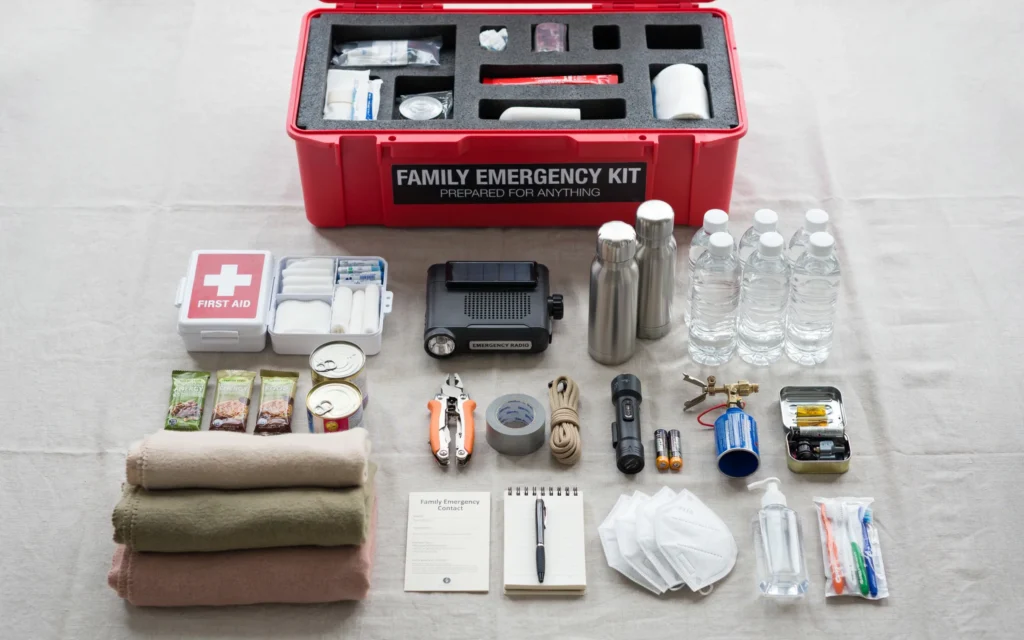
Take time to consider what each person would require if separated from their usual comforts and routines. This might involve specific medications, dietary restrictions, or comfort items that provide a sense of security during stressful times.
If you have an infant, include formula, bottles, diapers, wipes, and a small comfort toy.
Overlooking the specific needs of vulnerable family members can render a kit incomplete.
- Infants & Children: Formula, diapers, wipes, baby food, comfort items, small toys/books.
- Elderly/Special Needs: Prescription medications (7-day supply), medical equipment, extra glasses, hearing aid batteries, list of.
- Pets: Food, water, bowls, leash, carrier, vaccination records, comfort blanket.
- Documents: Copies of important family documents (IDs, insurance policies, birth certificates) in a waterproof bag.
Maintaining Your Emergency Kit for Ongoing Readiness
Building your family emergency kit is a significant step, but maintaining it is equally important. Supplies can expire, batteries lose their charge, and your family’s needs might change over time.
Establish a routine for reviewing your kit’s contents. A good practice is to do a full inventory and update twice a year.
Set a reminder on your phone or calendar for twice a year, perhaps when you change your clocks for daylight saving time.
The biggest mistake is assembling a kit and then forgetting about it.
- Check Expiration Dates: Review food, water, and medication expiration dates every 6-12 months.
- Rotate Supplies: Replace perishable items with fresh ones, using older items in your daily life.
- Test Batteries: Check flashlights, radios, and power banks to ensure they are charged and functional.
- Update Documents: Ensure copies of important documents, contact lists, and medical information are current.
| Item Category | Check Frequency | Action |
|---|---|---|
| Food & Water. | Every 6-12 months. | Check expiration dates, rotate stock. |
| Medications. | Every 6 months. | Check expiration, update prescriptions. |
| Batteries. | Annually. | Replace all batteries, test devices. |
| Documents & Contacts. | Annually. | Update contact info, insurance, IDs. |
FAQs
How often should I check and update my family emergency kit?
You should check and update your family emergency kit at least twice a year. A good reminder is to do it when you change your clocks for daylight saving time.
Where is the best place to store a family emergency kit?
How to Create an Essential Family Emergency Tool Kit. Store your family emergency kit in a cool, dry, and easily accessible location. This could be a closet near an exit, a garage, or a basement.
What’s the difference between a ‘go-bag’ and a ‘shelter-in-place’ kit?
A ‘go-bag’ is a lightweight, portable kit designed for quick evacuation, typically containing essentials for 72 hours. A ‘shelter-in-place’ kit is usually larger, stored at home, and contains supplies for a longer duration (e.g.
Should I include cash in my emergency kit?
Yes, it’s highly recommended to include a small amount of cash in small denominations in your emergency kit. During power outages or system failures, ATMs and credit card machines may not work, making cash.
What about specific items for babies or elderly family members?
For babies, include formula, diapers, wipes, and any specific medications. For elderly family members, ensure you have extra prescription medications (at least a 7-day supply), extra glasses, hearing aid batteries, and a list of.
Conclusion
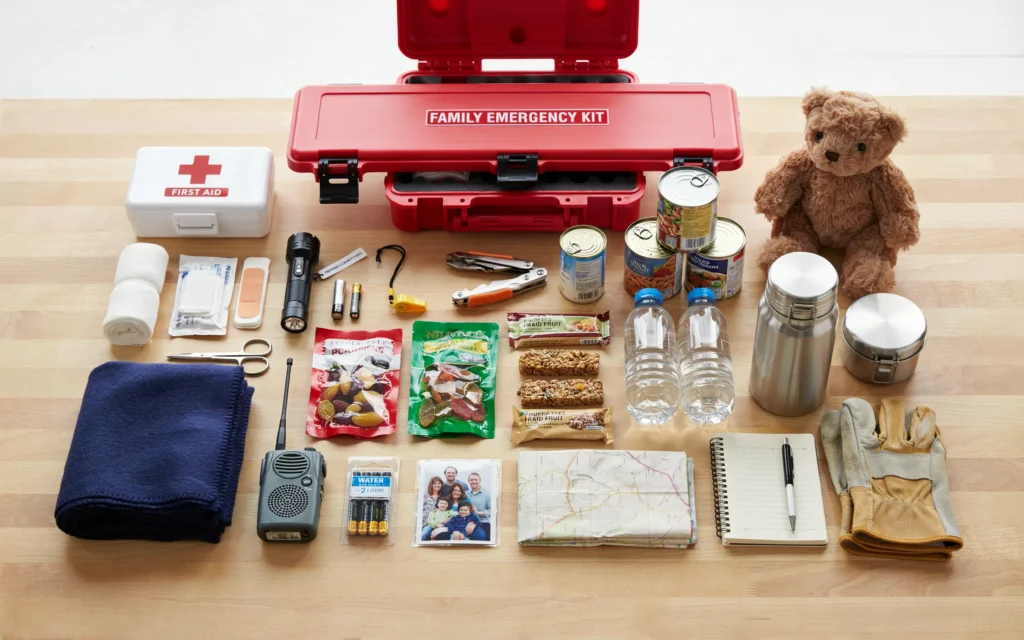
How to Create an Essential Family Emergency Tool Kit. Creating a family emergency tool kit is a proactive step that provides invaluable peace of mind and practical support during uncertain times. By systematically gathering essential supplies, customizing them for every family member, and committing to regular maintenance, you build a foundation of resilience.
This kit is more than just a collection of items; it’s a tangible expression of your commitment to your family’s safety and well-being. It empowers you to face unexpected challenges with confidence, knowing you have the basic necessities covered.
Related posts
 How to Organize Tools in Limited Storage: Smart Ideas
Struggling with tool clutter in a small space? Discover clever ways how to organize tools in limited storage, from pegboards to multi-functional solutions. Organizing tools in…
 How to Maintain Indoor Tools for Lasting Performance
Learn how to maintain indoor tools, from cleaning to proper storage, to ensure they stay sharp, functional, and ready for your next project. Keep your gear…
 Why Mechanics Rely on Impact Sockets: Safety and Efficiency
Discover why mechanics rely on impact sockets for safety, durability, and efficiency. Learn how these specialized tools handle high torque without failing. Mechanics primarily use impact…