
How Do I Choose A Home Repair Tool Kit
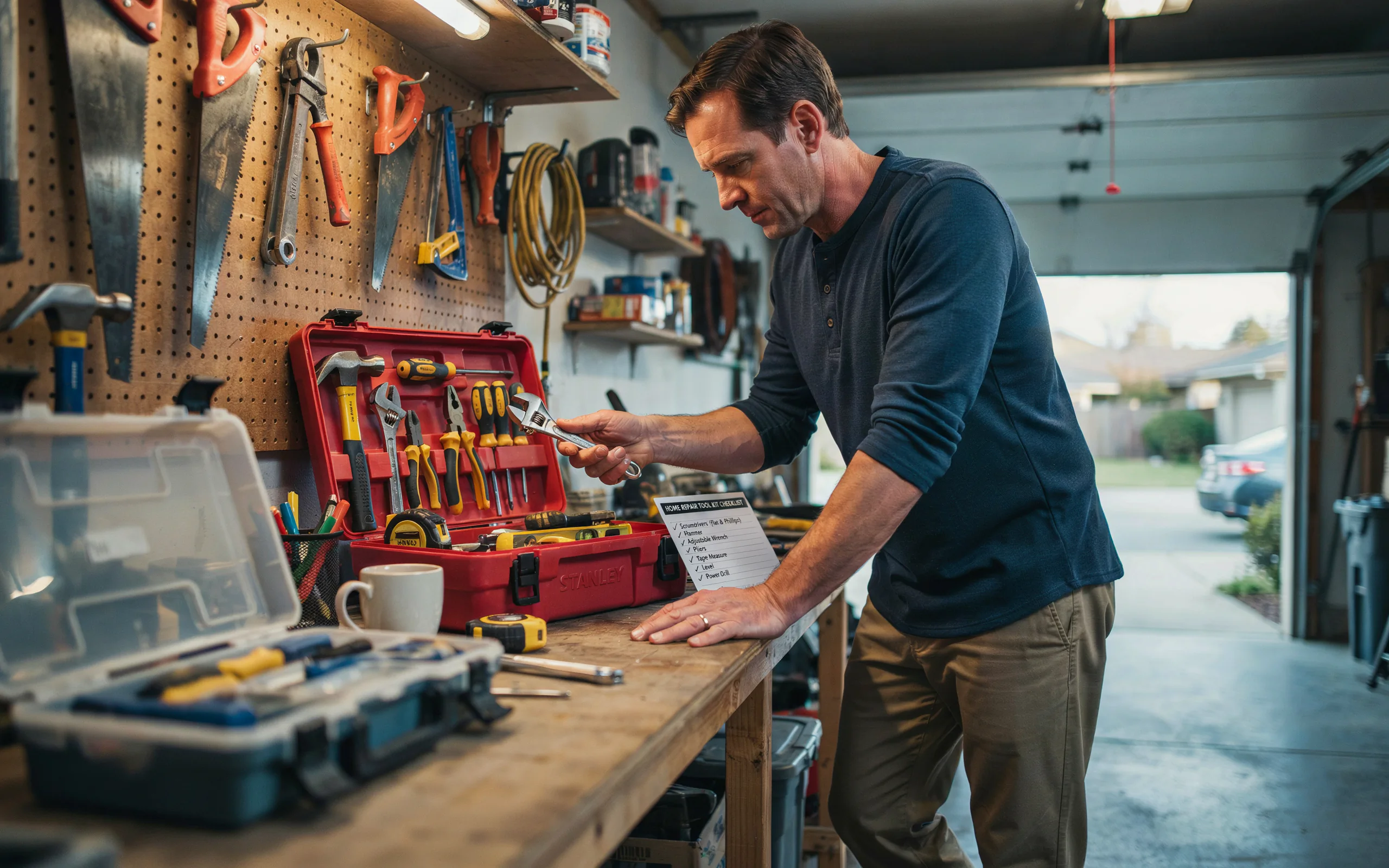
Wondering how to choose a home repair tool kit? This guide covers essential tools, quality checks, budget tips, and storage ideas to help you pick the right set for your needs.
Have you ever stood in the tool aisle at the store, staring at rows of shiny boxes, and felt completely lost? You are not alone. Picking the right set of tools for your home can feel like a big decision. But it does not have to be hard. This guide will help you choose a home repair tool kit with confidence.
I remember my first apartment. I bought a cheap tool kit because it looked like a good deal. The hammer felt light and flimsy. The screwdrivers twisted in my hand. The tape measure broke after three uses. That kit taught me a valuable lesson. Cheap tools cost more in the long run. You end up buying replacements or paying someone else to do simple jobs.
Now, after years of fixing things around my own house, I have learned what matters. Let me share what I know so you can make a smart choice.
Why You Need a Home Repair Tool Kit
A good tool kit saves you time and money. Think about all the small things that break. A loose cabinet hinge. A wobbly chair leg. A picture frame that needs hanging. These little jobs add up. Without tools, you either ignore the problem or call a handyman. Both options are not great.
Having your own tools gives you freedom. You can fix things right away. You do not have to wait for someone else. You also learn new skills. Every small repair builds your confidence. Soon, you start tackling bigger projects.
Tom Scalisi, a contractor with over 20 years of experience, says: “The right tools make any job easier. Start with quality basics and build from there.” His advice is simple but true.
What to Think About Before You Buy
Before you choose a home repair tool kit, ask yourself a few questions. Your answers will guide your choice.
What kind of repairs do you do most? If you mostly hang pictures and assemble furniture, you need different tools than someone who fixes plumbing or does woodworking.
Where do you live? Apartment dwellers need compact kits. Homeowners with garages can store larger sets.
How handy are you? Beginners should start simple. More experienced DIYers might want specialized tools.
What is your budget? Tool kits range from under $50 to over $300. Know what you can spend.
These questions help narrow your options. They prevent you from buying too much or too little.
The Essential Tools Your Kit Must Have
Every good home repair tool kit includes certain basics. These tools handle about eighty percent of common household fixes. Let us look at each one.
Hammer
A claw hammer is your go-to for driving and removing nails. Look for one that weighs around 16 ounces. It should feel balanced in your hand. The handle should have a good grip. Avoid hammers with hollow handles. They break easily.
Screwdrivers
You need both Phillips and flathead screwdrivers. Phillips screws have a cross shape. Flathead screws have a straight slot. Get a set with multiple sizes. Better yet, buy a multi-bit screwdriver. It stores different bits in the handle. This saves space and money.
Pliers
Pliers grip, twist, and cut. Needle-nose pliers reach into tight spots. Slip-joint pliers adjust to different sizes. A good pair of locking pliers, like Vise-Grips, can hold things steady while you work.
Adjustable Wrench
This tool tightens and loosens nuts and bolts. One adjustable wrench replaces many fixed-size wrenches. Get one that opens wide enough for most household fasteners.
Tape Measure
A 16-foot tape measure is perfect for home use. Look for one with a strong lock. The hook on the end should grab edges firmly. A good tape measure lasts for years.
Utility Knife
You will use this every day. Opening boxes, cutting tape, trimming materials. Get one with a retractable blade. Keep spare blades on hand.
Level
A torpedo level is short and easy to use. It helps you hang pictures straight. It also shows if shelves are level. Some levels have multiple vials for different angles.
Stud Finder
This tool finds wooden or metal studs behind walls. It helps you hang heavy items securely. Electronic stud finders work best on most wall types.
Cordless Drill
This is the one power tool every home needs. A cordless drill drives screws and drills holes. It makes furniture assembly much faster. Look for one with a battery and charger included.
| Essential Tool | What It Does | Why You Need It |
|---|---|---|
| Claw Hammer | Drives and removes nails | Hanging pictures, assembling furniture |
| Screwdrivers (Phillips & Flathead) | Turns screws | Tightening hinges, outlet covers, knobs |
| Pliers | Grips, twists, cuts | Holding objects, cutting wire |
| Adjustable Wrench | Tightens nuts and bolts | Plumbing, furniture assembly |
| Tape Measure | Measures distances | Planning projects, fitting items |
| Utility Knife | Cuts materials | Opening boxes, trimming |
| Level | Checks straightness | Hanging pictures, shelves |
| Stud Finder | Locates wall studs | Mounting heavy items |
| Cordless Drill | Drives screws and drills holes | Furniture, shelves, general projects |
How to Choose a Home Repair Tool Kit Based on Quality
Quality matters more than quantity. A 200-piece kit with cheap tools is worse than a 50-piece kit with good ones. Here is what to check.
Material and Build
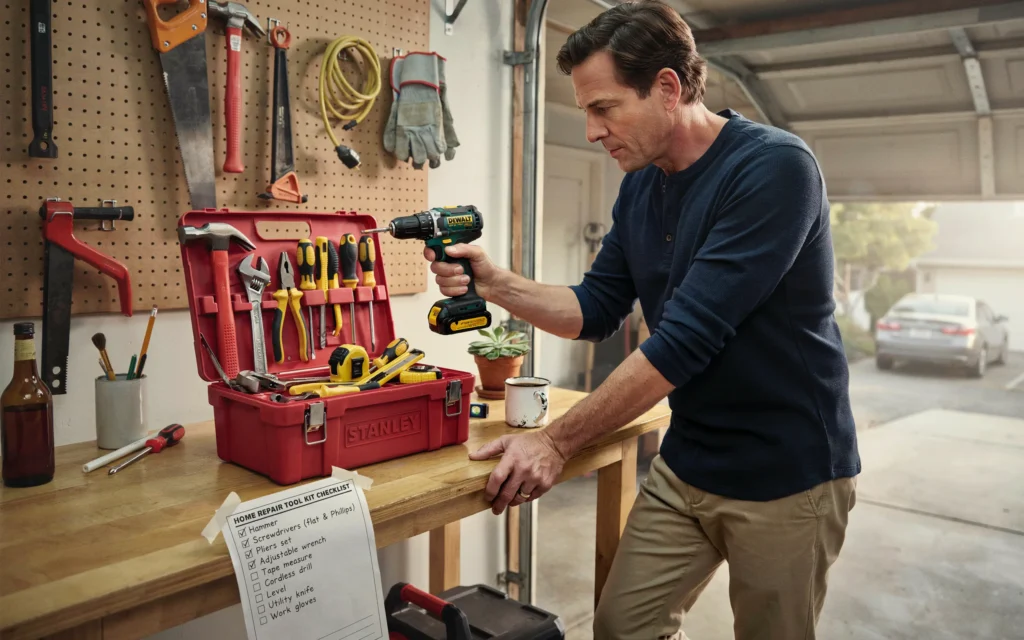
Look at the tool handles. Are they made of solid plastic, rubber, or wood? Rubber grips feel comfortable and reduce slipping. Check the metal parts. Chrome-plated steel resists rust. Forged steel is stronger than cast steel.
Brand Reputation
Some brands consistently make good tools. Stanley, Craftsman, DeWalt, and Estwing have solid reputations. These companies have been around for years. They stand behind their products.
Warranty
Many good tool brands offer lifetime warranties. This means if a tool breaks, they replace it. That is a sign of quality. Cheap kits usually have no warranty at all.
Weight and Feel
Pick up the tools if you can. Do they feel solid? Is the weight comfortable? A tool that feels wrong in your hand will be hard to use. Trust your instincts.
Kits vs. Building Your Own
You have two main options. You can buy a pre-assembled kit. Or you can build your own collection. Each has pros and cons.
Pre-Assembled Kits
These are convenient. Everything comes in one box. The tools are organized. You do not have to think about what to buy. Many kits include a carrying case.
The downside is that kits often include filler tools. You might get tools you never use. The quality can vary. Some kits look impressive but have cheap components.
Building Your Own
This takes more effort but gives you exactly what you need. You choose each tool. You pick the quality level. You add tools as you learn new skills.
The downside is cost. Buying tools individually costs more upfront. You also need a place to store them.
Which is better? For beginners, a good pre-assembled kit is a great start. Look for one with 50 to 100 pieces from a trusted brand. As you grow, you can add better tools.
Storage and Organization
A tool kit is not just about the tools. It is also about how you store them. Good storage saves time and frustration.
Toolboxes
Traditional toolboxes are sturdy and portable. Metal ones last forever. Plastic ones are lighter. Look for a box with a tray on top for small items.
Tool Bags
These are soft-sided and easy to carry. They have pockets for organization. Tool bags work well for apartment dwellers. They fit in closets easily.
Molded Cases
Many kits come in plastic cases with cutouts for each tool. This keeps everything in place. You can see if something is missing. The cases stack and store neatly.
Drawer Systems
If you have a workshop, consider a tool chest with drawers. This gives you lots of space. You can organize tools by type.
A heavy-duty tool bag with reinforced handles and compartments keeps everything accessible. Choose storage that fits your space and how you work.
Budget Considerations
You can choose a home repair tool kit at almost any price point. Here is what to expect.
Under $50
These kits are basic. They usually have 20 to 40 pieces. The tools work for simple tasks. Quality varies a lot. Read reviews before buying.
$50 to $100
This is the sweet spot for most homeowners. You get good quality tools. The kits have 50 to 100 pieces. Brands like Stanley and Black+Decker offer solid options at this price.
$100 to $200
These kits include better materials. You might get a cordless drill. The tools last longer. Some include specialty items like a stud finder or levels.
Over $200
Professional-grade tools. These are for serious DIYers. The tools can last a lifetime. Warranties are usually excellent.
| Budget Range | What You Get | Best For |
|---|---|---|
| Under $50 | Basic hand tools, lower quality | Occasional small fixes |
| $50-$100 | Good quality, 50-100 pieces | Most homeowners |
| $100-$200 | Better materials, may include drill | Regular DIY projects |
| Over $200 | Professional grade, lifetime warranty | Serious DIYers |
Reading Reviews and Doing Research
Before you buy, do some homework. Reviews from real users tell you a lot.
Look for Consistency
If many people say the same thing, believe them. Consistent praise or complaints are reliable signs.
Check the Negative Reviews
Every product has some negative reviews. Read them to understand common problems. Do people mention broken tools? Rust? Missing pieces?
Watch Video Reviews
Seeing a tool in action helps. You can see the size and weight. You can watch how it performs.
Ask Friends
Someone you know probably has a tool kit. Ask what they like and dislike. Personal recommendations are valuable.
“The best tool kit is the one you will actually use,” says Lauren Comer, a DIY enthusiast. “Buy tools that feel good in your hands and you will reach for them more often.”
Common Mistakes to Avoid
When you choose a home repair tool kit, watch out for these errors.
Buying Too Many Pieces
A high piece count looks impressive. But many of those pieces might be duplicates or useless items. Focus on quality, not quantity.
Ignoring Storage
Tools scattered in a drawer are useless. Good storage keeps them organized and ready.
Forgetting Consumables
Your kit needs more than tools. Add screws, nails, wall anchors, and batteries. These small items save trips to the store.
Buying the Cheapest Option
Cheap tools break, strip screws, and cause frustration. Spend a little more for tools that last.
Not Checking the Case
If the kit comes in a case, check the case quality. A broken case makes your tools hard to transport.
Matching Your Kit to Your Home
Your home’s age and condition affect what you need.
Newer Homes
Newer homes have fewer immediate repair needs. A basic kit works well. You mainly need tools for hanging things and small adjustments.
Older Homes
Older homes need more maintenance. You might need plumbing tools, sandpaper, and paint supplies. Consider a larger kit.
Apartments
Space is limited. Choose a compact kit with a carrying case. Focus on tools for furniture assembly and picture hanging.
Houses with Yards
You might need outdoor tools. Pruners, a trowel, and a hose repair kit are useful additions.
Adding to Your Kit Over Time
Your first kit is just the beginning. As you learn and grow, add more tools.
Power Tools
A cordless drill is the first power tool to add. Later, consider a jigsaw or circular saw.
Specialty Tools
If you start doing plumbing, add a pipe wrench. For electrical work, add a voltage tester. For woodworking, add clamps and chisels.
Safety Gear
Safety glasses and work gloves are important. Add them to your kit. Ear protection is good for loud power tools.
Fasteners and Supplies
Keep a supply of screws, nails, and wall anchors. Add wood glue, lubricant, and tape.
Paul Smith, a hand tool expert, notes: “A good toolkit grows with you. Start with the basics and add tools as you need them for specific projects.”
Caring for Your Tools
Good tools last a long time with proper care.
Clean After Use
Wipe off dust and dirt. A clean tool works better and lasts longer.
Store Properly
Keep tools in a dry place. Moisture causes rust. Add a silica gel packet to absorb moisture.
Tighten Loose Parts
Check handles and hinges. Tighten anything that feels loose.
Replace Worn Items
Utility knife blades get dull. Replace them regularly. Screwdriver tips wear out. Replace them when they strip screws.
Frequently Asked Questions
What size tool kit do I need for a small apartment?
A 50 to 70-piece kit is plenty for an apartment. Focus on hand tools like a hammer, screwdrivers, pliers, and a tape measure. A compact carrying case helps save space.
Should I buy a kit with a cordless drill?
Yes, if your budget allows. A cordless drill is one of the most useful tools you can own. It makes furniture assembly and hanging items much faster.
How much should I spend on my first tool kit?
Between $50 and $100 is a good range for a first kit. You get decent quality without spending too much. Upgrade individual tools later if needed.
Can I use mechanic tools for home repairs?
Some mechanic tools work for home repairs. Wrenches and pliers are useful. But mechanic sets focus on cars. Home tool kits focus on household tasks.
What tools do I need for hanging pictures?
You need a hammer, picture hooks, a tape measure, and a level. A stud finder helps for heavy items. A cordless drill makes the job faster.
How do I know if a tool is good quality?
Check the materials. Look for steel that is forged, not cast. Check the handle for a solid, comfortable grip. Read reviews. Buy from trusted brands.
Is it better to buy a kit or individual tools?
For beginners, a kit is better. It gives you everything you need at once. As you gain experience, you can add individual tools to fill gaps.
What should I do if a tool breaks?
Check the warranty. Many good brands replace broken tools. If there is no warranty, replace it with a better quality tool.
Conclusion
Learning how to choose a home repair tool kit is a skill that pays off for years. Start with the basics. Focus on quality over quantity. Consider your home, your skills, and your budget. Read reviews and learn from others.
Remember that a tool kit is not a one-time purchase. It grows with you. Start simple. Add tools as you need them. Take care of what you own. Good tools can last a lifetime.
The best time to buy a tool kit is before you need it. Do not wait until something breaks. Be prepared. You will save money, learn new skills, and feel proud of your home.
Choose a home repair tool kit that fits your life. Start today. Your future self will thank you when that loose screw gets tightened in five minutes instead of five days.
“Having the right tools gives you the confidence to tackle almost any home project,” says Bobby Berk, designer and home expert. “You do not need a garage full of tools. You just need the right ones.”
Your home is your biggest investment. Taking care of it starts with having the right tools. So go ahead, make that choice. Pick a kit that works for you. Start fixing things. Enjoy the satisfaction of a job well done.
Related posts
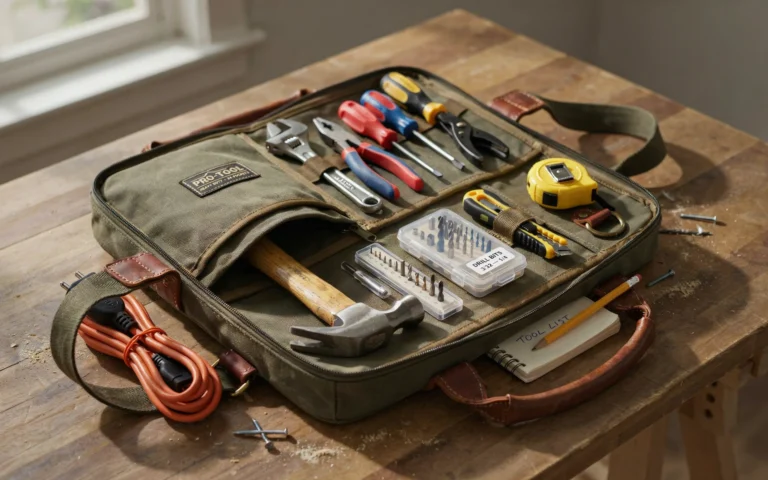 Which Tool Bag Is Best For Contractors
Finding the right tool bag is best for contractors depends on your trade, daily load, and work environment. This guide reviews top picks, key features, and real-world advice…
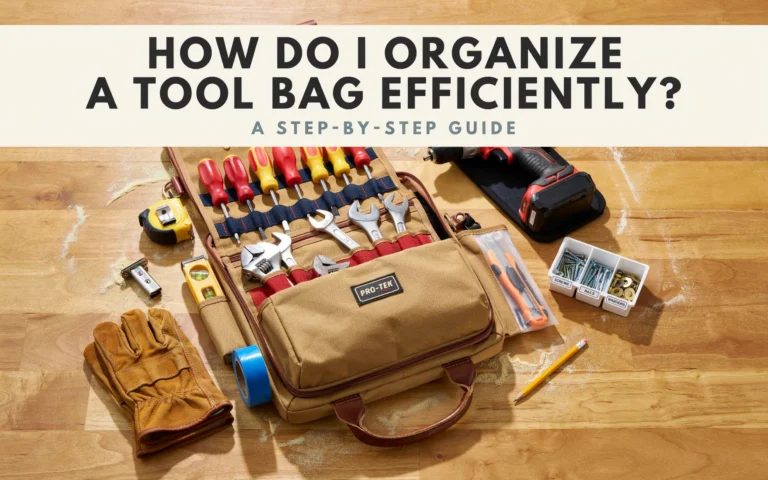 How Do I Organize A Tool Bag Efficiently
If you want to know how I organize a tool bag efficiently, the secret is to group tools by use, protect your measuring tools, and use pouches.…
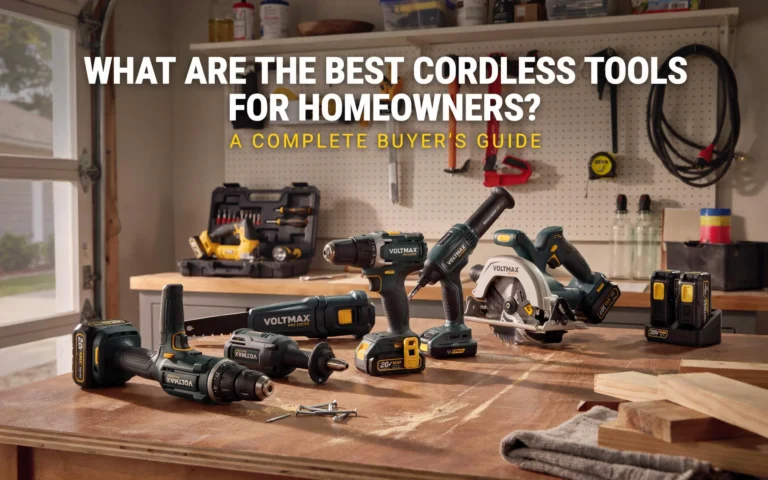 What Are The Best Cordless Tools For Homeowners
If you are searching for the best cordless tools for homeowners, this guide covers drills, saws, impact drivers, and multi-tools. We share top brand recommendations, buying…