
How To Choose A Tool Bag For Home Use
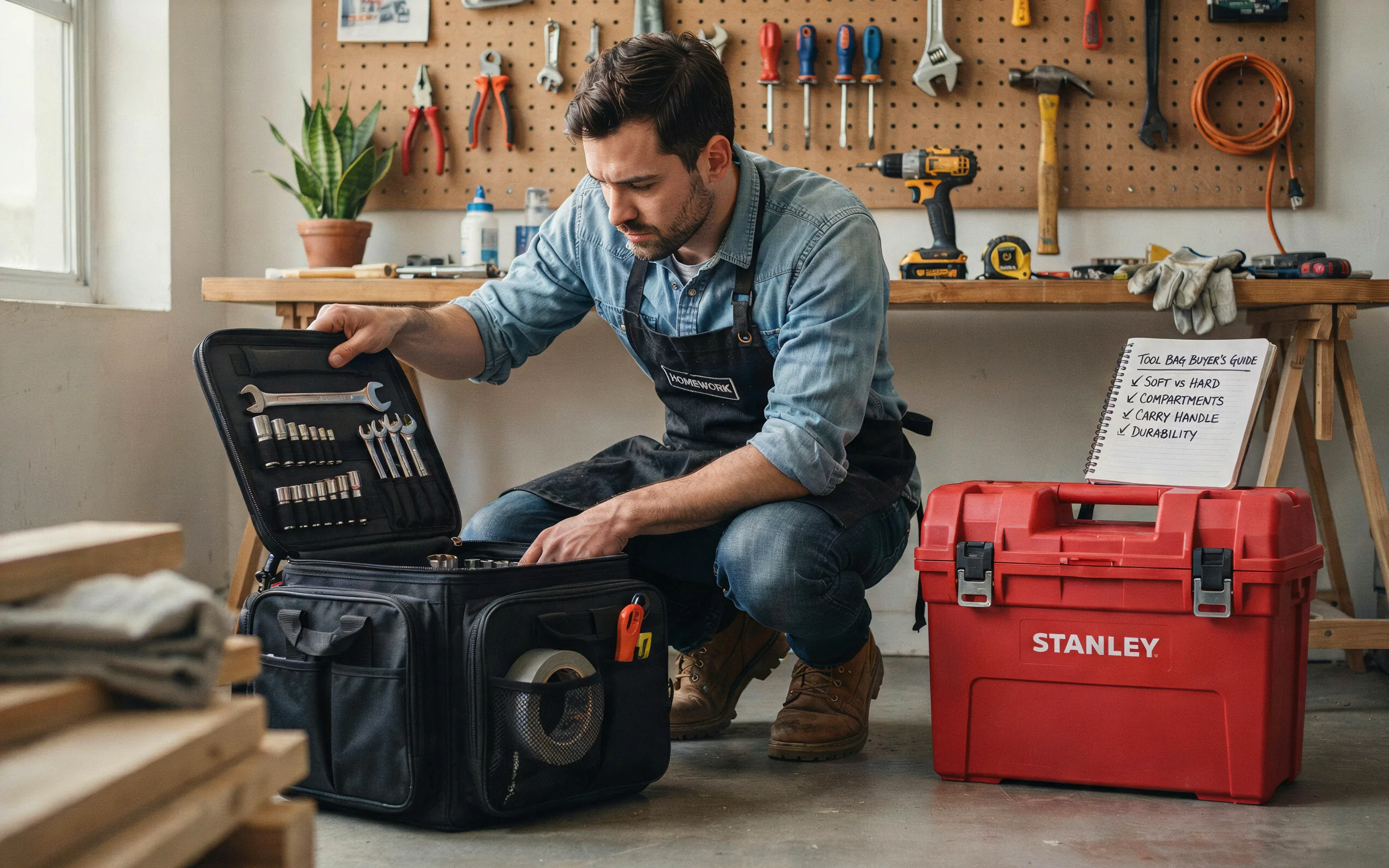
Learn how to choose a tool bag for home use with this complete guide. We cover size, materials, pockets, and comfort so you pick the perfect bag for your DIY projects.
Have you ever spent ten minutes searching for a screwdriver that you just had in your hand? Or carried a heavy metal toolbox from the garage to the kitchen, only to bump every doorframe along the way? If this sounds familiar, you are not alone. Many homeowners face the same struggle every time a small repair pops up.
The good news is that a simple switch can fix this problem. A tool bag offers a lightweight, flexible, and organized way to carry your tools around the house. But with so many options on the market, how do you know which one is right for you? This guide will help you choose a tool bag for home use that fits your needs, your tools, and your budget.
Why Choose a Tool Bag Over a Toolbox?
Before we get into the details of how to pick the right bag, let us talk about why a tool bag is often a better choice for home use than a traditional toolbox.
Toolboxes have been around for a long time. They are sturdy and protective. However, they are also heavy, rigid, and awkward to carry. A standard metal or plastic toolbox can weigh ten pounds or more even when it is empty. That weight adds up quickly once you put your tools inside.
Tool bags, on the other hand, are made from soft materials like canvas or nylon. They weigh only a couple of pounds when empty. This makes them much easier to carry from room to room or out to the garden shed.
Another big advantage is organization. Tool bags have pockets on the inside and outside. You can keep your most used tools right at your fingertips. With a toolbox, you often have to dig through a jumble of tools to find what you need. A good tool bag keeps everything visible and accessible.
Tool bags are also more forgiving when you drop them or bump them against walls. The soft sides absorb impact and protect your tools. They also take up less storage space in your closet or garage because they are not rigid.
Key Factors to Help You Choose a Tool Bag for Home Use
When you decide to choose a tool bag for home use, several important factors come into play. Let us break them down one by one so you can make a smart choice.
Size and Capacity
The first thing you need to think about is size. How many tools do you plan to carry? What is the biggest tool you own?
A bag that is too small will not fit all your tools. You will end up leaving things behind or forcing tools in and damaging the bag. A bag that is too large becomes heavy and clumsy to carry around.
To get the size right, gather the tools you use most often. Lay them out on the floor. Look at the dimensions of your larger items like drills, hammers, or long screwdrivers. Compare these measurements with the dimensions listed on the tool bag you are considering.
For most homeowners, a medium-sized bag around 16 to 18 inches works well. This size can hold a basic set of hand tools plus a small power drill. If you only have a few tools, a smaller compact bag may be all you need.
Remember that many tool bags work fine even when unzipped. This gives you extra room for longer items to stick out the top. But do not rely on this trick for everyday use. It is better to get a bag that fits your tools comfortably with the zipper closed.
Tool Bag Sizes for Different Needs
| User Type | Recommended Size | What Fits Inside |
|---|---|---|
| Light DIYer | 11–14 inches | Basic hand tools, tape measure, small screwdriver set |
| Regular Homeowner | 15–17 inches | Hand tools, small power drill, accessory bits |
| Weekend Warrior | 18+ inches | Multiple power tools, large hand tools, tool sets |
| Professional or Heavy User | Backpack or rolling bag | Full tool set, heavy equipment, specialized gear |
Material and Durability
The material of your tool bag determines how long it will last and how well it protects your tools. You want a bag that can handle the weight and occasional bumps without falling apart.
Canvas is a popular choice for home use. It is sturdy, breathable, and durable. Canvas bags have a classic look and feel. They soften over time but remain strong. Many canvas bags are treated to resist water and stains.
Nylon is another great option. It is lightweight, waterproof, and resistant to abrasion. Nylon bags often have a more modern appearance. They dry quickly if they get wet and are easy to clean. This makes them a good choice if you work outdoors or in damp spaces.
Polyester is common in budget-friendly bags. It offers decent waterproofing at a low cost. However, it may not last as long as canvas or nylon under heavy use.
Leather tool bags are the most expensive option. They look professional and offer exceptional durability. But they are heavy and require more care. For most home users, leather is more than you need.
Pay attention to the stitching as well. Double stitching and reinforced corners add strength. A bag with a reinforced bottom or rubberized feet will last much longer.
Pockets and Organization
This is where a tool bag really shines over a toolbox. The number and type of pockets make a huge difference in how easy your projects go.
More pockets are not always better. What matters is that the pockets match your tools. If you carry many small hand tools like screwdrivers, pliers, and wrenches, look for a bag with lots of individual sleeves. These keep each tool in its own spot so you can grab it quickly.
If you carry larger items like a hammer, tape measure, or boxes of fasteners, look for bigger pockets that can hold these items.
Some bags come with Velcro pockets that hold delicate tools like multimeters or laser levels. These prevent scratches and damage during transport.
Look for a bag with a mix of internal and external pockets. External pockets give you quick access to tools you use all the time. Internal pockets keep secondary tools organized but out of the way.
A wide mouth opening is another helpful feature. It lets you see everything inside at a glance. You do not have to dig around blindly to find what you need.
Comfort and Carrying Options
You will carry your tool bag from place to place. Comfort matters, especially if you have a lot of tools or walk any distance.
The handles are your first point of contact. Look for padded, reinforced handles that feel good in your hand. Thin plastic handles dig into your fingers and become painful with heavy loads.
A shoulder strap is a great feature for heavier bags. It lets you distribute the weight across your body instead of carrying it all in one hand. Adjustable straps let you find the right length for your height.
Some tool bags now come as backpacks. These are excellent if you carry many tools or need to walk long distances. The weight sits evenly on your back, leaving your hands free.
Emily Brown, an electrician with years of experience, puts it simply: “I carry heavy tools every day, and without comfortable shoulder straps and handles, it becomes very difficult. Padded shoulder straps allow me to carry the bag comfortably, even after a long day on the job.”
Water Resistance
Water and tools do not mix. Rust and corrosion can ruin your expensive equipment. That is why water resistance is an important feature to consider.
If you work outdoors, in a garage without climate control, or in humid areas, get a bag with water-resistant material. Nylon naturally repels water. Canvas can be treated with waterproof coatings.
Some bags come with a waterproof base. This protects your tools if you set the bag down on wet ground.
Even if you only work indoors, spills happen. A water-resistant bag gives you peace of mind if you accidentally set it down in a puddle or knock over a drink.
Different Types of Tool Bags for Home Use
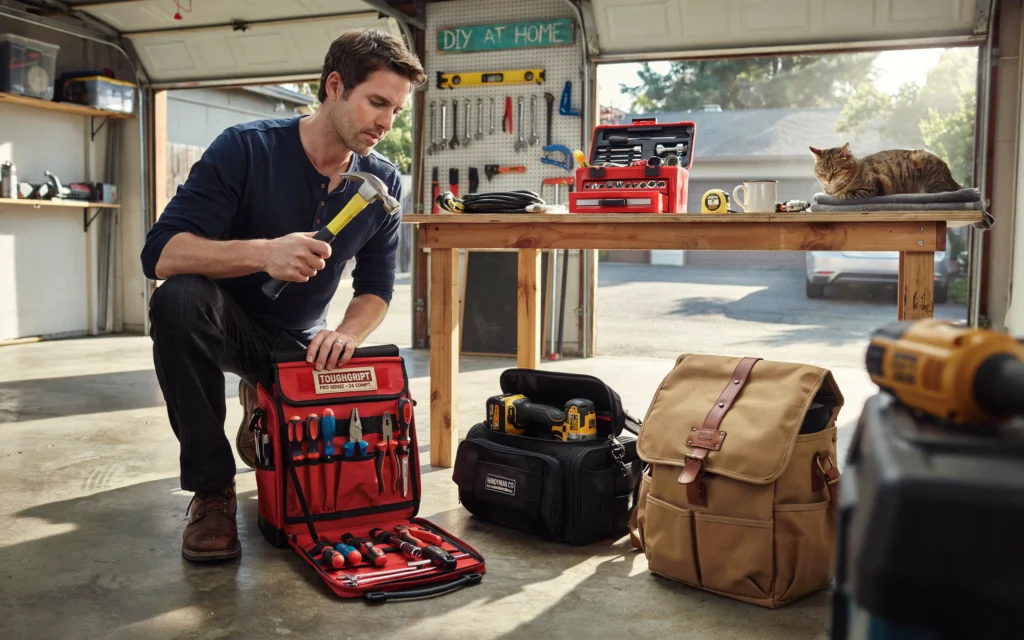
The market offers several styles of tool bags. Each type serves different needs. Here is a quick look at the most common options.
Open-Top Tool Totes
These bags have no zipper on top. They stay open so you can see and grab tools instantly. They usually have a rigid base and multiple pockets around the sides.
Open-top totes are great for jobs where you need frequent access to your tools. However, tools can fall out if you tilt the bag. They also do not protect your tools from dust or dirt.
Zippered Tool Bags
These bags close completely with a zipper. They keep your tools secure and protected from dust and moisture. Most zippered bags have a wide opening that lets you see everything inside.
This is the most popular type for home use. It offers a good balance of protection and accessibility.
Tool Backpacks
Tool backpacks are exactly what they sound like. They have two shoulder straps and wear like a backpack. They are ideal if you carry many tools or need to walk long distances.
Backpacks often have many pockets and compartments. They keep your hands free for carrying other items or climbing ladders.
Rolling Tool Bags
These bags have wheels and a retractable handle, just like luggage. They are perfect for heavy loads or if you have back problems.
Rolling bags are more common for professionals. But they can be useful for homeowners with large tool collections or workshops in the basement.
Tool Bag Types Compared
| Type | Best For | Pros | Cons |
|---|---|---|---|
| Open-Top Tote | Quick access, frequent use | Instant visibility, easy grab | Tools can fall out, no dust protection |
| Zippered Bag | General home use | Secure, protected, organized | Slightly slower access |
| Backpack | Heavy loads, long carry | Hands-free, even weight distribution | Bulkier, harder to access quickly |
| Rolling Bag | Very heavy loads | Easy transport, saves your back | Bulky, not good for stairs |
How to Choose a Tool Bag for Home Use Based on Your Needs
Now that you know the features, let us put it all together. The best way to choose a tool bag for home use is to match the bag to your specific situation.
For the Occasional DIYer
If you only do small repairs a few times a year, you do not need a large bag. A compact 11- to 14-inch bag with basic pockets will serve you well. Look for a simple canvas or polyester bag that is affordable but well-made.
You only need to carry a hammer, a few screwdrivers, pliers, a tape measure, and maybe a utility knife. A small bag with 6 to 10 pockets is plenty.
For the Regular Homeowner
If you do projects every month or two, step up to a medium-sized bag. Look for a 15- to 17-inch zippered bag made from durable nylon or canvas. Aim for at least 15 to 20 pockets.
This size lets you carry hand tools plus a cordless drill and bits. You can also keep small items like wall anchors, screws, and wire nuts in the pockets.
For the Weekend Warrior
If you love DIY and take on big projects, get a larger bag or a backpack. Look for 18 inches or more with 25 to 40 pockets.
You need space for multiple power tools, a full set of hand tools, and accessories. A backpack style works well because it distributes the weight of all those tools.
For Specialized Tasks
Think about what you do most often. If you do electrical work, look for a bag with Velcro pockets for your multimeter. If you do plumbing, look for a bag with large pockets for wrenches and pipe fittings.
Jack Turner, a contractor with over 15 years of experience, says: “A truly good tool bag is one that stands the test of time, and it needs to be made from materials that can withstand the daily wear and tear of work.”
Budget Considerations
Tool bags come in a wide price range. You can find basic bags for under $20. Mid-range options from good brands cost $35 to $70. Premium bags from top brands can cost $100 or more.
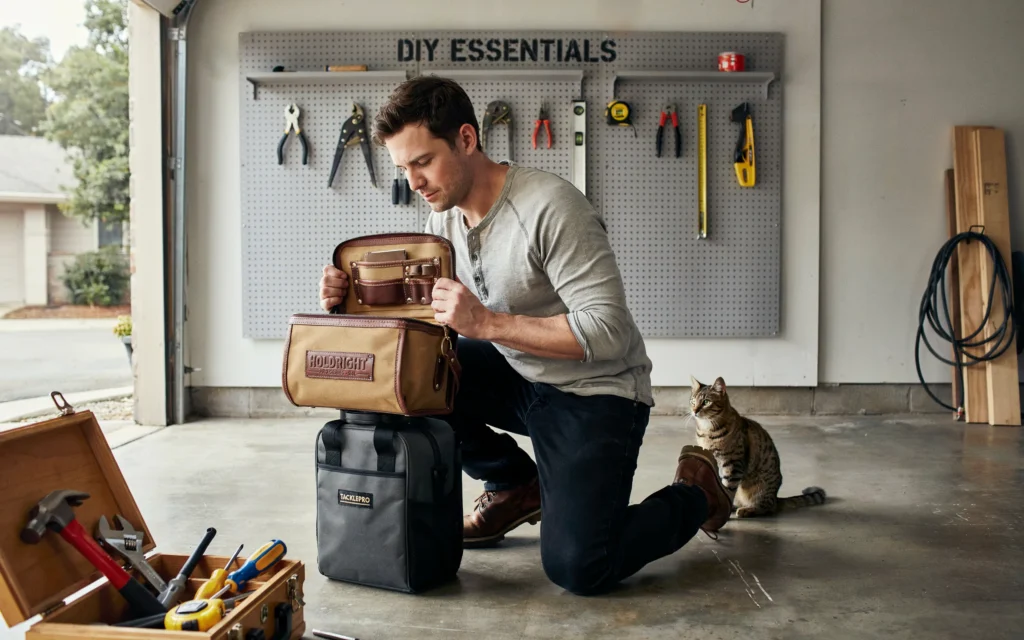
For home use, you do not need to spend top dollar. A $40 to $60 bag from a reputable brand will give you good quality and last for years.
Watch out for very cheap bags. They often use thin materials and weak zippers. These bags fall apart quickly and end up costing you more in the long run.
Look for bags with a warranty. Many good brands stand behind their products. This gives you confidence in your purchase.
Common Mistakes to Avoid
When you choose a tool bag for home use, avoid these common pitfalls.
Buying Too Big
A huge bag seems like a good idea. You think you will grow into it. But a large bag is heavy and awkward even when half empty. You end up leaving it behind because it is too much trouble to carry.
Buying Too Small
The opposite problem is just as bad. A tiny bag forces you to leave tools behind. You end up making multiple trips or carrying loose tools in your hands.
Ignoring the Zipper
The zipper is the most used part of a zippered bag. Cheap zippers break or get stuck. Look for bags with heavy-duty zippers from brands like YKK. Metal zippers are often more durable than plastic ones.
Forgetting About Weight
A bag can hold a lot of tools. But can you carry that weight? Check the bag’s weight capacity. Also, consider your own physical limits. A bag that is too heavy becomes a burden rather than a help.
Overlooking the Bottom
The bottom of the bag takes the most abuse. Look for a reinforced or rubberized bottom. This protects your tools and keeps the bag from wearing through.
How to Maintain Your Tool Bag
Once you choose a tool bag for home use and buy it, take care of it. A little maintenance goes a long way.
Clean your bag regularly. Wipe off dirt and dust with a damp cloth. For deeper cleaning, check the manufacturer’s instructions. Many canvas and nylon bags can be spot cleaned with mild soap.
Check the zippers and seams from time to time. If you see loose threads, trim them. If a seam starts to separate, repair it early before it gets worse.
Do not overload your bag beyond its capacity. This stresses the seams and zippers. It also makes the bag uncomfortable to carry.
Store your bag in a dry place. Even water-resistant bags can develop mold if stored damp.
Frequently Asked Questions
What size tool bag is best for home use?
A medium-sized bag around 15 to 17 inches works well for most homeowners. It holds a basic set of hand tools plus a small power drill. If you have fewer tools, choose a smaller 11- to 14-inch bag. If you have many tools, go for 18 inches or larger.
Can I use a tool bag for power tools?
Yes, you can. Just make sure the bag is large enough to hold your power tools. Check the dimensions of your drill or saw against the bag’s interior size. Look for a bag with a reinforced bottom to handle the extra weight.
What material is best for a tool bag?
Canvas and nylon are the best choices for most home users. Canvas is sturdy and breathable. Nylon is lightweight and water-resistant. Both materials offer good durability for home use.
How many pockets do I need in a tool bag?
The right number depends on your tools. If you carry many small hand tools, look for 15 to 25 pockets. If you carry larger items, fewer larger pockets work better. More pockets are not always better. What matters is that the pockets fit your tools.
Are expensive tool bags worth the money?
For heavy, frequent use, yes. Premium bags use better materials and stronger zippers. They last much longer. For occasional home use, a mid-range bag around $40 to $60 gives you good value without overspending.
What is the difference between a tool bag and a tool backpack?
A tool bag has a handle and often a shoulder strap. You carry it at your side or over one shoulder. A tool backpack has two shoulder straps and wears on your back. Backpacks are better for heavy loads and long walks.
How do I organize my tool bag?
Put frequently used tools in outside pockets for quick access. Store heavier items in the bottom of the main compartment. Use internal pockets for smaller tools and accessories. Keep similar tools together so you know where everything is.
Conclusion
Learning how to choose a tool bag for home use does not have to be complicated. Focus on the basics. Think about your tools, your projects, and how you like to work.
Start with size. Pick a bag that fits your tools without being too big or too small. Choose a durable material like canvas or nylon. Look for a good number of pockets that match your tool collection. Consider comfort features like padded handles and shoulder straps. And do not forget water resistance if you work outdoors.
A good tool bag is an investment in your DIY happiness. It saves you time by keeping your tools organized. It saves you frustration by making every tool easy to find. It saves your back by being lighter and more comfortable than a toolbox.
Mark Henderson, an experienced contractor, sums it up well: “When I’m working, I need to access my tools quickly. A bag with well-thought-out compartments lets me find each tool without wasting time and helps prevent damage to them.”
Take your time. Look at your options. Read reviews. And when you find the right bag, you will wonder how you ever managed without it. Your future self will thank you every time you grab that screwdriver in two seconds instead of ten minutes.
Related posts
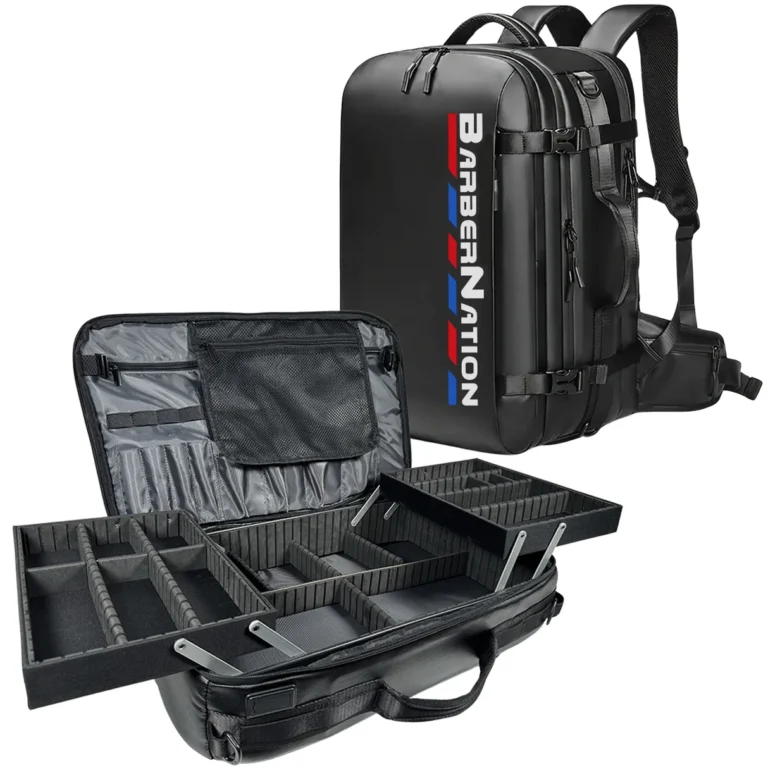 Top Tool Bags for Mobile Contractors: 2026 Buyer Guide
Discover the top tool bags for mobile contractors in 2026. Compare durable totes, backpacks, and multi-pocket organizers to find the best fit for your gear. For…
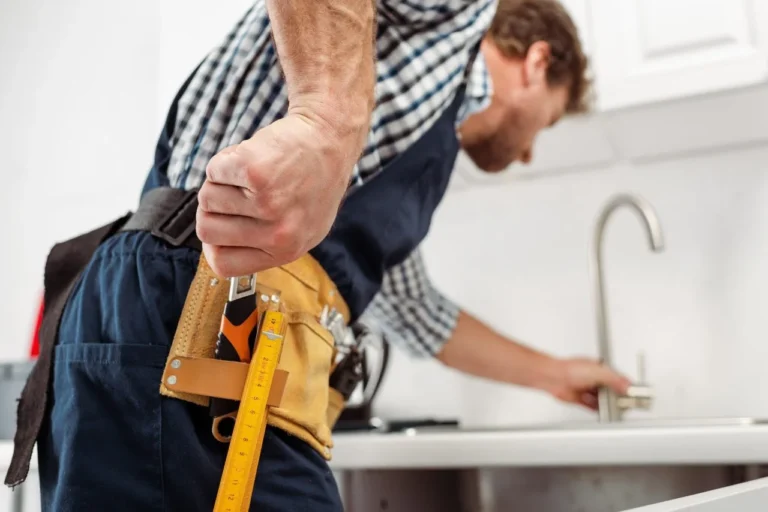 Top Tool Bags for Plumbers: 2026 Selection Guide
Discover the top tool bags for plumbers in 2026. We compare durable, multi-pocket storage solutions to help you organize your gear effectively on the job. Plumbing…
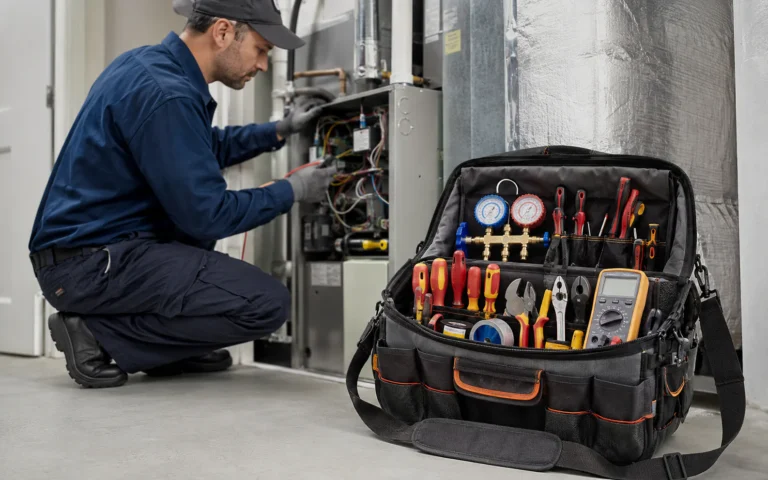 Best Tool Bag for HVAC Technicians in 2026
Find the right tool bag for HVAC technicians with our 2026 guide. Compare top-rated bags, backpacks, and pouches to keep your gear organized and protected. As…