
What Essential Tools Should I Have In My Tool Bag
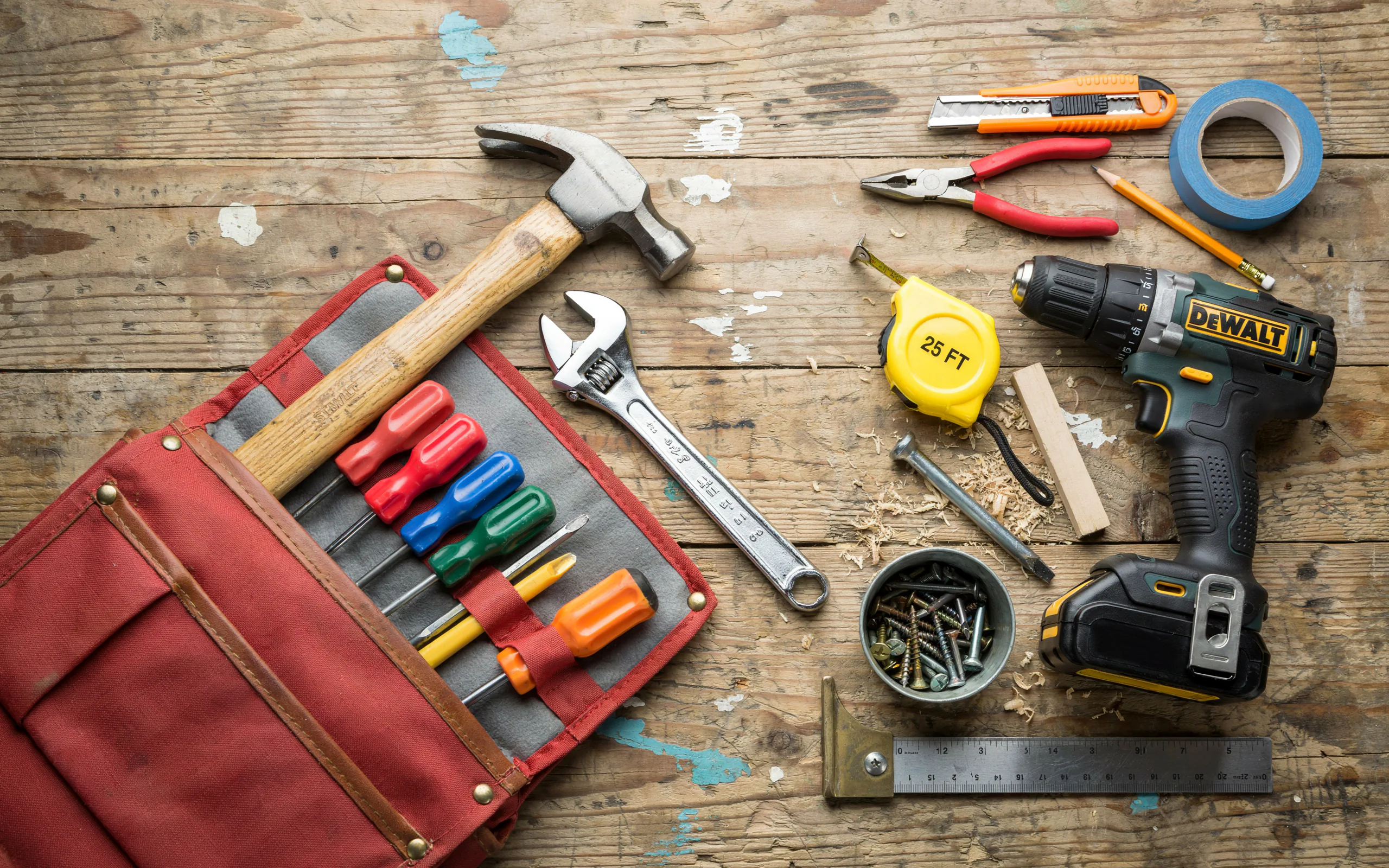
Wondering what essential tools should I have in my tool bag? This guide covers 10 must-have hand tools, safety gear, and organization tips for homeowners and DIYers. Start building your kit today.
Have you ever stood in front of a loose cabinet door or a wobbly table leg and felt completely stuck because you did not have the right tool? I have been there. It is a frustrating feeling. You want to fix something simple, but you end up wasting time searching through a messy drawer for a screwdriver that fits.
That is why having a well-stocked tool bag matters. It saves you time, money, and a lot of headaches. Whether you just moved into your first home or you have been doing DIY projects for years, knowing what essential tools should I have in my tool bag is the first step to handling small repairs with confidence.
This guide will walk you through the core tools that belong in every basic kit. We will cover hand tools, safety items, and organization tips. By the end, you will know exactly what to pack and why each item earns its spot.
Let us start with the most important question.
The Foundation: Choosing the Right Tool Bag
Before we talk about the tools themselves, we need to talk about where you will keep them. A good tool bag is not just a container. It is your mobile workshop. It protects your investment and makes your work easier.
Look for a bag made from tough materials like ballistic nylon or heavy canvas. These fabrics resist tears and handle the weight of your tools. A sturdy base is also critical. It helps the bag stand up on its own and keeps the bottom from wearing out quickly.
Think about size. A bag that is too small will force you to leave tools behind. A bag that is too large becomes heavy and hard to carry. Most homeowners do well with a bag in the 12 to 16-inch range. This size offers enough room for a solid set of essentials without becoming awkward.
Pay attention to pockets and compartments. Internal loops and dividers keep screwdrivers and pliers from becoming a tangled mess. External pockets give you quick access to items you use most often. Good organization means you spend less time digging and more time fixing.
The handles matter too. Look for handles that are stitched securely or even riveted to the bag. They need to hold up when your bag is fully loaded. If you often work in low light, consider a bag with a light built in. Some models from brands like DeWalt include this feature.
The Core Hand Tools
Now we get to the heart of the matter. These are the tools that will handle 80 percent of the jobs around your home. If you are asking what essential tools should I have in my tool bag, start with this list.
The Claw Hammer
Every home needs a reliable hammer. It is one of the most universal tools you will ever own. You will use it for hanging pictures, assembling furniture, and minor demolition work.
Choose a hammer with a comfortable grip. A 16-ounce curved claw hammer is a good choice for most people. It provides enough weight to drive nails effectively without being too heavy. The curved claw helps you pull out bent or misplaced nails. This tool is simple, but it is also essential.
The Multi-Bit Screwdriver
Screwdrivers are used for everything. Tightening a loose hinge, opening a battery compartment, or assembling a new bookshelf all require them. Carrying a full set of individual screwdrivers takes up a lot of space.
That is why a multi-bit screwdriver is a smart choice. These tools store several interchangeable tips right in the handle. One handle gives you flathead, Phillips, square, and Torx bits. Brandon Dolan of Dolan Inc. recommends getting a screwdriver labeled as a “12-in-1” or “16-in-1” for maximum versatility.
This single tool replaces a whole drawer of separate drivers. It saves space and keeps your bag lighter.
The Tape Measure
You cannot cut or install anything properly without measuring first. Guessing leads to mistakes. Mistakes lead to wasted materials and extra trips to the store.
A 25-foot retractable tape measure is a standard choice. Look for one with clear markings and a lock feature. The lock holds the blade in place while you measure alone. A sturdy steel blade adds rigidity, which helps when you need to measure longer distances.
This is one of those tools you will reach for more often than you expect. It belongs in every bag.
Pliers: Two Types You Need
Pliers give you grip and leverage. They let you twist, pull, and bend things that your hands cannot handle alone. You really need two types in your bag.
Slip-joint pliers have an adjustable hinge. This lets you change the jaw opening to fit different sizes of pipes, nuts, and bolts. They are great for general gripping tasks.
Needle-nose pliers have long, tapered jaws. They let you reach into tight spaces. You can use them to bend wires, hold small parts, or retrieve dropped screws from narrow gaps. Together, these two pliers cover most gripping and bending needs.
The Adjustable Wrench
Fixed wrenches are great, but they take up a lot of space. An adjustable wrench solves that problem. Its jaw moves to fit different sizes of nuts and bolts.
An 8-inch adjustable wrench handles most common sizes around the house. It is perfect for plumbing repairs, furniture assembly, and bicycle maintenance. This one tool replaces a whole set of fixed wrenches in your bag.
The Utility Knife
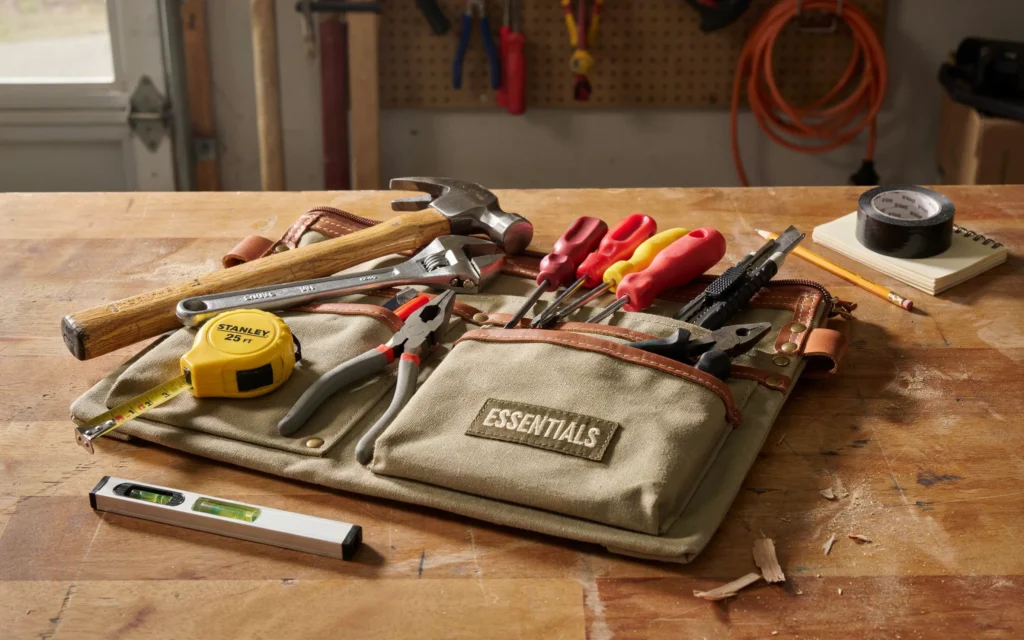
A sharp knife is useful for countless tasks. You will use it to open packages, cut rope, trim wallpaper, and score materials like cardboard or plastic.
Choose a utility knife with a retractable blade. This keeps you safe when the knife is not in use. Keep spare blades in your bag too. Dull blades are dangerous because they require more force to cut. Swap in a fresh blade when the old one gets dull.
The Level
Hanging a picture, installing a shelf, or setting up an appliance all require a straight line. A level helps you avoid crooked results.
A small magnetic torpedo level, about 9 inches long, is perfect for a tool bag. It shows you both horizontal and vertical planes. The magnetic feature is handy because it sticks to metal surfaces, leaving your hands free. This small tool makes a big difference in the quality of your work.
| Tool | Primary Use | Why It Belongs in Your Bag |
|---|---|---|
| Claw Hammer | Driving and removing nails | Handles most basic fastening and demolition tasks |
| Multi-Bit Screwdriver | Driving various screw types | Saves space by replacing many individual drivers |
| Tape Measure | Measuring distances accurately | Prevents costly cutting mistakes |
| Slip-Joint Pliers | Gripping and turning various objects | Adjustable jaw fits many different sizes |
| Needle-Nose Pliers | Reaching into tight spaces | Essential for bending wire and retrieving small parts |
| Adjustable Wrench | Turning nuts and bolts | One tool fits multiple sizes |
| Utility Knife | Cutting materials safely | Useful for opening, trimming, and scoring |
| Level | Ensuring straight alignment | Keeps your projects looking professional |
Specialty Items Worth Adding
Once you have the core tools, you can think about adding a few specialty items. These tools do not get used every day, but when you need them, you really need them.
Allen Wrenches (Hex Keys)
Allen wrenches, also known as hex keys, are the unsung heroes of home repair. They fit into specific slots that are common on faucets, shower handles, bicycles, and appliances. Most flat-pack furniture also uses Allen bolts.
A full set of Allen wrenches, ranging from tiny to large sizes, ensures you always have the right fit. Brandon Dolan puts it simply: “If you don’t own one of these, then you simply won’t be able to open or tighten many things around your house”. They take up very little space, so keep a set in your bag.
Flashlight or Headlamp
Working in dark spaces is a common challenge. Attics, basements, and the space under your sink are all poorly lit. A good flashlight makes these jobs much easier.
A headlamp is even better because it keeps your hands free. “The most overlooked tool would have to be a proper flashlight,” shares Dolan. “Most of the time you’re working in tight spaces, dark basements, or at night. Having a proper flashlight will drastically help make your job easier”. Consider a rechargeable model or keep spare batteries nearby.
Stud Finder
Hanging heavy items on your walls requires finding a stud. Attaching a shelf or a large picture frame to drywall alone will not hold the weight. A stud finder is a small electronic device that locates the wooden studs behind your walls.
Some people try to find studs by knocking on the wall. A stud finder is much more reliable. It saves you from making unnecessary holes and prevents heavy objects from falling.
Safety and Consumables
A tool bag is not just about tools. You also need items that keep you safe and help you finish the job properly.
Safety Glasses
Protecting your eyes is non-negotiable. Tiny particles of wood, metal, or plastic can fly up during almost any project. Safety glasses are the simplest way to prevent serious injury. Keep a pair in your bag and wear them before you start any work.
Work Gloves
Good work gloves protect your hands from splinters, sharp edges, and blisters. They also give you a better grip on slippery materials. Choose a pair that fits well and allows you to move your fingers freely.
Basic Fasteners and Tape
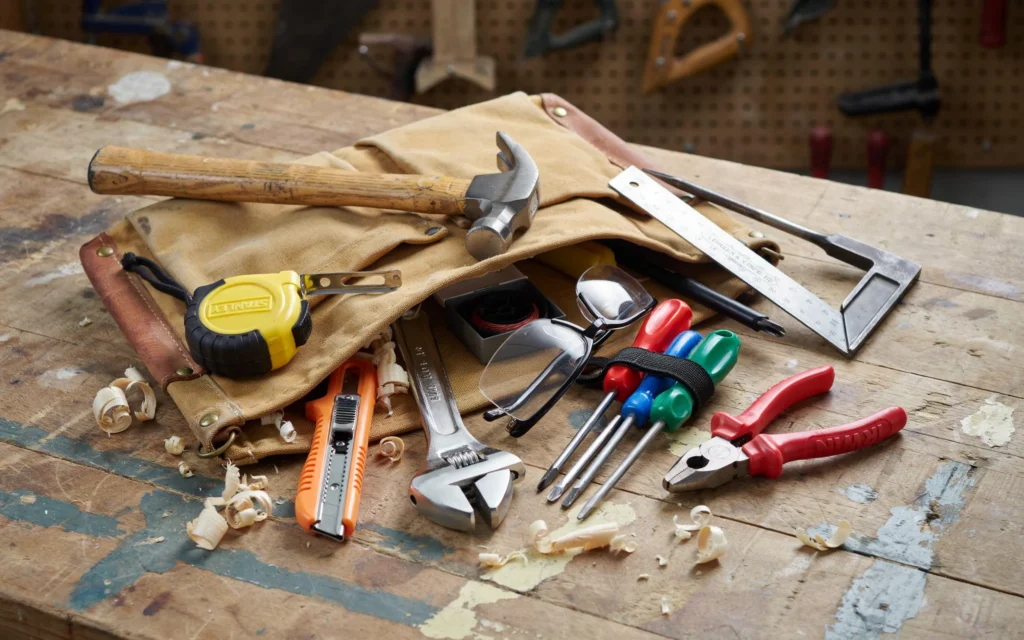
Having a small assortment of screws, nails, and wall anchors in your bag is very helpful. You will not need to make a trip to the store just to hang a picture. Keep a few 1-inch and 2-inch wood screws in a small pouch.
Duct tape is another must-have. It provides a temporary fix for many things. Electrical tape is also useful for insulating low-voltage wiring. These small items take up little space but save a lot of time.
| Item | Purpose | Why It Is Essential |
|---|---|---|
| Safety Glasses | Eye protection | Prevents serious injury from flying debris |
| Work Gloves | Hand protection | Guards against splinters, cuts, and blisters |
| Assorted Screws | Fastening items | Provides immediate resources for repairs |
| Duct Tape | Temporary repairs | Versatile fix for many materials |
| Electrical Tape | Insulating wires | Essential for basic electrical safety |
Organizing Your Tool Bag
Knowing what essential tools should I have in my tool bag is only half the battle. You also need to keep them organized. A messy bag wastes your time and can damage your tools.
Start by grouping similar tools together. Keep all your screwdrivers in one pocket and your pliers in another. This makes it easy to find what you need quickly.
Put the tools you use most often in the easiest-to-reach spots. Your hammer, tape measure, and multi-bit screwdriver probably belong in outside pockets or the top of the main compartment.
Use smaller pouches or zippered bags for small items like screw bits, Allen wrenches, and fasteners. This keeps them from getting lost in the bottom of the bag.
Check your bag regularly. Remove any tools you never use. Clean out dust and debris. Make sure your flashlight batteries are still good. A little maintenance keeps your bag ready for action.
A Note on Quality
It can be tempting to buy the cheapest tools you can find. But quality matters more than you might think. A good tool feels better in your hand. It lasts longer and performs more reliably.
Cheap tools can break at the worst possible moment. A screwdriver tip that strips or a wrench that slips can damage your workpiece or even cause an injury. Investing in mid-range tools from reputable brands is usually the best value.
You do not need to buy everything at once. Start with the core tools and add better pieces over time. Watch for sales at hardware stores. Building your kit slowly lets you spread out the cost while still having what you need.
Frequently Asked Questions
1. What is the most important tool to have in my bag?
The hammer and the multi-bit screwdriver are arguably the most used tools. However, the most important tool is the one you need for the job at hand. For emergency repairs, a quality flashlight and an adjustable wrench are often the most crucial items.
2. How much does a basic tool bag cost to set up?
You can assemble a basic emergency tool kit for around $100 to $150. This includes the bag, the core hand tools, and some safety items. You can save money by buying tool sets or watching for sales.
3. How often should I check my tool bag?
Inspect your tools and supplies every six months. This is a good time to check your flashlight batteries, replace dull utility knife blades, and make sure nothing is missing or damaged. You can do this at the same time you check your smoke detectors.
4. Should I have more than one tool bag?
Consider having a main kit for general use and smaller specialized kits for specific areas. For example, you might keep a small bag in your car or a dedicated kit in your kitchen for quick fixes.
5. What tools should I not keep in my tool bag?
Avoid keeping heavy power tools in a standard carry bag. They add too much weight and can damage the bag. Also, do not store flammable liquids or corrosive chemicals in your tool bag. Keep those in a separate, safe location.
Conclusion
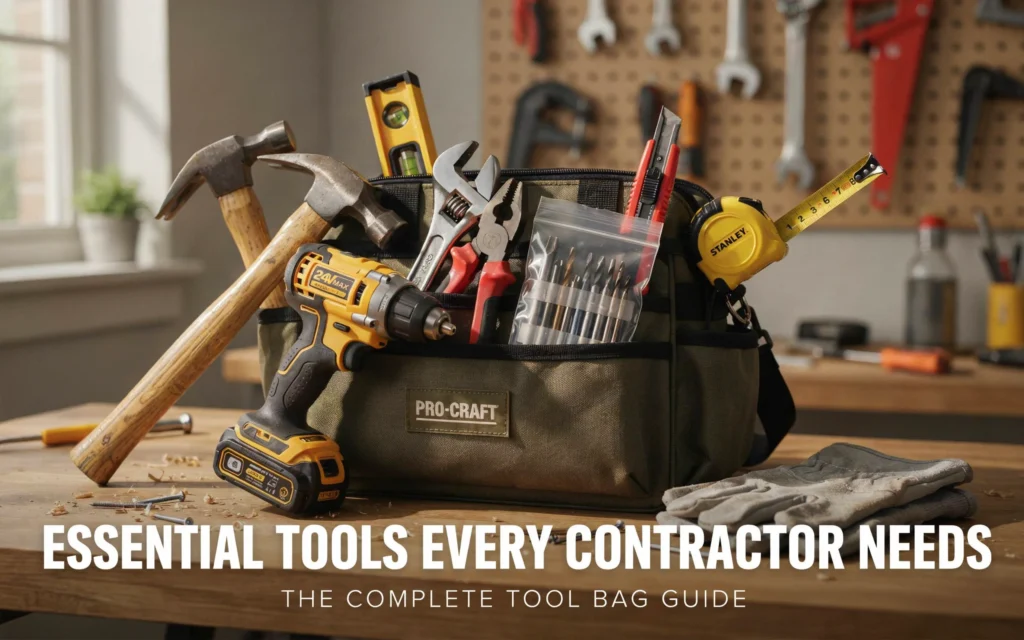
Building a good tool bag is one of the smartest things you can do as a homeowner or renter. It gives you the power to handle small problems before they become big ones. It saves you the cost of hiring a professional for every little repair.
Start with the basics. Get a durable bag, a hammer, a multi-bit screwdriver, a tape measure, pliers, an adjustable wrench, a utility knife, and a level. Add a flashlight, some safety gear, and a few fasteners. That is all you need to handle most common tasks.
Remember, the goal is not to have the biggest tool collection. The goal is to have the right tools ready when you need them. A well-organized bag gives you confidence. It turns a frustrating problem into a simple fix.
So take a look at your current setup. Is there a tool missing? Is your bag a mess? Now is the perfect time to make a change. Grab a quality bag, fill it with the essentials, and be ready for whatever comes your way. You will be glad you did.
Related posts
 Top Tool Bags for Mobile Contractors: 2026 Buyer Guide
Discover the top tool bags for mobile contractors in 2026. Compare durable totes, backpacks, and multi-pocket organizers to find the best fit for your gear. For…
 Top Tool Bags for Plumbers: 2026 Selection Guide
Discover the top tool bags for plumbers in 2026. We compare durable, multi-pocket storage solutions to help you organize your gear effectively on the job. Plumbing…
 Best Tool Bag for HVAC Technicians in 2026
Find the right tool bag for HVAC technicians with our 2026 guide. Compare top-rated bags, backpacks, and pouches to keep your gear organized and protected. As…