
How Do You Maintain And Care For Your Multi Tool Kit
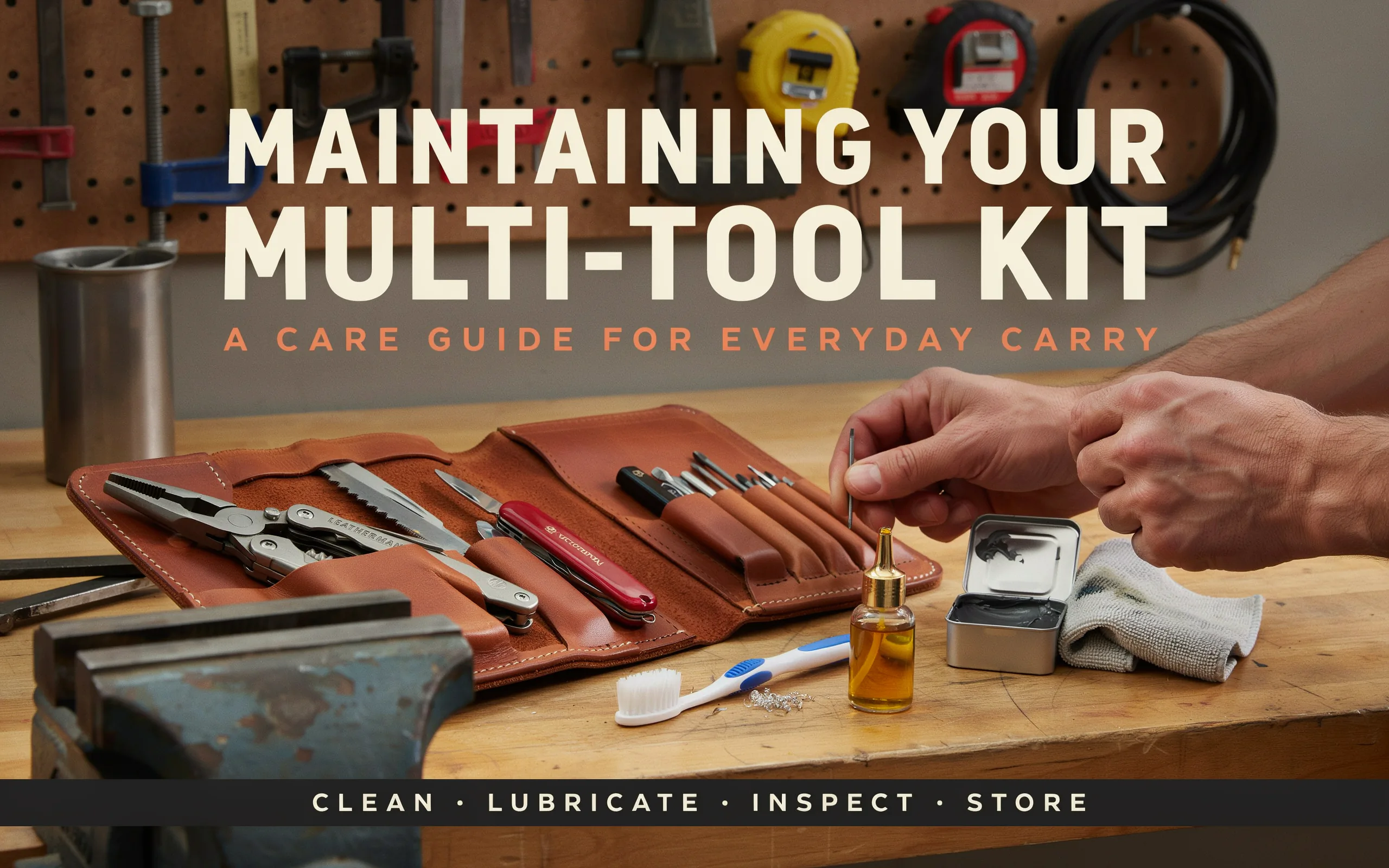
Learn the right way to maintain and care for your multi tool kit with this complete guide. We cover cleaning, lubrication, rust prevention, and storage to extend its life.
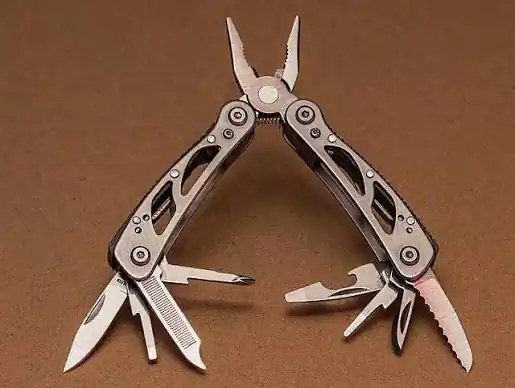
Your multi tool kit is one of those things you probably don’t think about until you really need it. Whether you carry it on your belt for work, keep it in your glove box for emergencies, or toss it in your camping gear, that little bundle of pliers, knives, screwdrivers, and other tools saves the day more often than you realize. But here is the thing. Tools that get used get dirty. They get sticky. They get stiff. And if you ignore them long enough, they can even start to rust.
I have been using multi tools for years, and I have learned the hard way that a little care goes a long way. I remember the first time my pliers got so stiff I could barely open them with one hand. I thought the tool was broken. Turns out, it just needed a good cleaning and some oil. That experience taught me that you have to maintain and care for your multi tool kit if you want it to work when you need it most.
The good news is that caring for your multi tool is not complicated. You do not need special skills or expensive products. You just need a few basic supplies, a little bit of time, and the right know-how. In this guide, I will walk you through everything you need to know about how to maintain and care for your multi tool kit. We will cover cleaning, lubrication, rust prevention, storage, blade sharpening, and regular inspections. By the end, you will feel confident keeping your tool in great shape for years to come.
Why You Should Maintain and Care for Your Multi Tool Kit
Before we get into the how, let us talk about the why. Why should you bother with maintenance at all? The answer is simple. Your multi tool is made of metal parts that move against each other. Every time you open a blade, fold out the pliers, or turn a screwdriver bit, you create friction. Friction causes wear. Dirt and dust get into the joints and make that wear worse. Moisture causes rust. Over time, these things add up.
When you maintain and care for your multi tool kit regularly, you prevent these problems from getting out of hand. You keep the moving parts smooth. You stop rust before it starts. You make sure every tool opens and closes the way it should. Most importantly, you extend the life of your tool. A well-maintained multi tool can last a lifetime. A neglected one might fail you in the middle of a job.
“Taking care of your tools is not just about preserving an object. It is about respecting the work you do and the reliability you expect from your gear.” – Sarah Mitchell, Tool Maintenance Specialist
I have seen people toss their multi tools in a drawer after a dirty job and forget about them for months. When they finally pull them out, they find rust spots, stiff joints, and dull blades. Do not let that happen to you. A few minutes of care after each use can save you hours of frustration later.
Cleaning Your Multi Tool Kit
Cleaning is the most basic and important part of maintenance. Dirt, pocket lint, grease, and other debris build up in the hinges and moving parts. This buildup creates friction and makes your tool hard to open. It also traps moisture against the metal, which leads to rust. If you want to maintain and care for your multi tool kit properly, you need to clean it regularly.
How Often Should You Clean Your Multi Tool?
This depends on how often you use it and what kind of conditions you use it in. If you use your tool every day in dusty or dirty environments, you should clean it at least once a week. If you use it occasionally around the house, once a month is probably enough. The key rule is this. Never put your multi tool away dirty or wet.
Basic Cleaning Supplies
You do not need anything fancy to clean your multi tool. Here is what I recommend:
| Supply | Purpose |
|---|---|
| Warm water and mild dish soap | General cleaning |
| Old toothbrush or stiff-bristled brush | Scrubbing joints and crevices |
| Cotton swabs | Reaching tight spots |
| Microfiber cloth | Drying and polishing |
| Compressed air (optional) | Blowing out deep debris |
Step-by-Step Cleaning Process
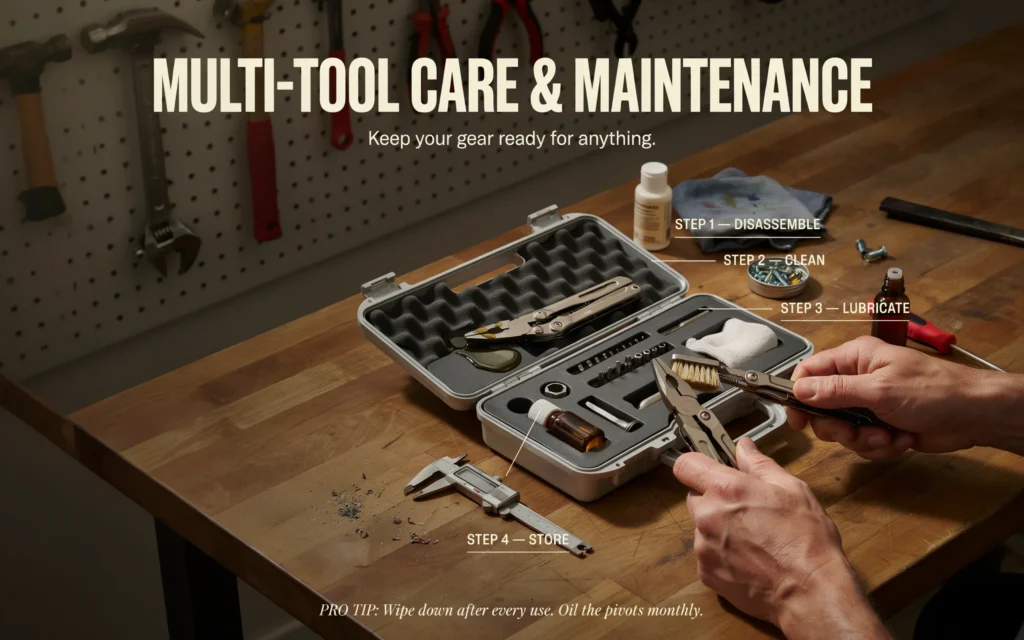
Start by wiping down the exterior of your multi tool with a damp cloth. This removes surface dirt and grime. Next, open all the tools. Open the pliers, the blades, the screwdrivers, everything. You want to expose every joint and crevice.
Mix a small amount of mild dish soap with warm water. Dip your toothbrush or brush into the soapy water and scrub all the moving parts. Pay special attention to the pivot points where the tools fold out. Use cotton swabs to get into tight spaces that the brush cannot reach.
If you have stubborn grime or sticky residue, you can use a little WD-40 as a cleaning solvent. Spray it on the pivot points to help loosen the gunk. Just remember that WD-40 is a cleaner and water displacer, not a long-term lubricant. You will still need to apply proper oil later.
For deep cleaning, some people soak their multi tool in warm soapy water for a few minutes. This can be effective, but make sure you dry it thoroughly afterward. Never put your multi tool in the dishwasher. The heat can damage plastic components, and the harsh detergents can harm the metal finish.
Drying Is Crucial
This is the most important step in the whole cleaning process. Any moisture left inside the joints can cause corrosion. After you finish scrubbing, rinse your tool with clean water to remove all soap residue. Then dry it completely.
Use a microfiber cloth to wipe down all the surfaces. Open and close each tool several times while drying to make sure you get moisture out of the joints. You can also use a hairdryer on a low or cool setting to speed up the drying process. Compressed air is another great option for blowing water out of tight spaces.
Lubricating Your Multi Tool Kit
After cleaning and drying, the next step is lubrication. Lubrication reduces friction between moving parts. It makes your tool easier to open and close. It also provides a protective barrier against moisture and rust.
Choosing the Right Lubricant
Not all oils are the same. You want a light lubricant that is designed for tools or knives. Here are some good options:
- PTFE or Teflon-based lubricants
- Nano-Oil
- Light machine oil
- Mineral oil (food-grade if you use your tool around food)
- Specialized multi-tool oils like Victorinox Multi Tool Oil
Avoid heavy oils or greases. They attract dirt and dust, which can actually make your tool worse over time. Also, remember that WD-40 is not a long-term lubricant. It is great for cleaning and displacing water, but it evaporates quickly.
How to Apply Lubricant
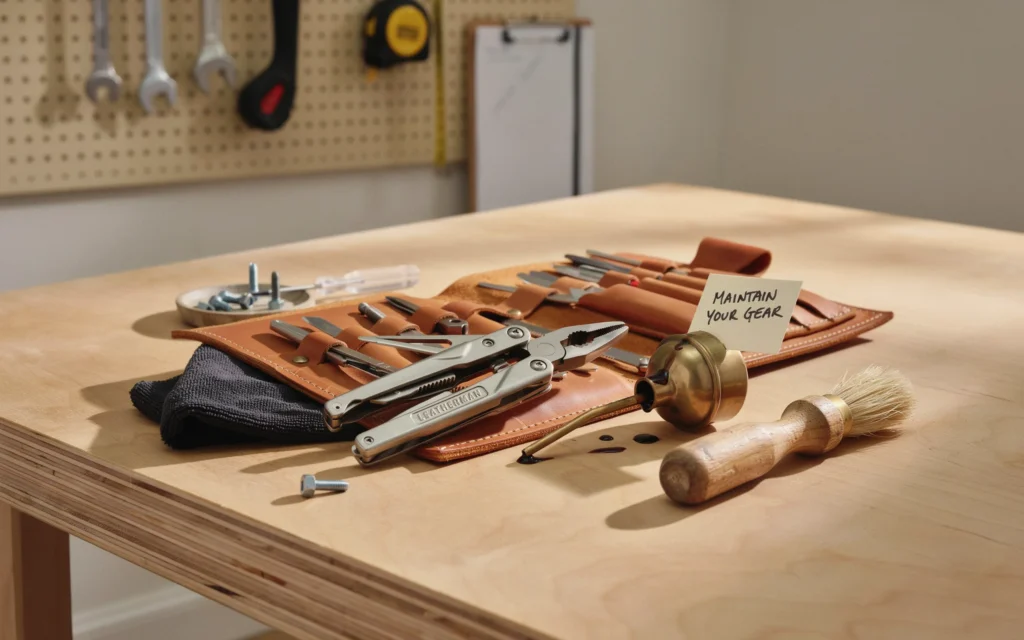
Open all the tools on your multi tool. Put one small drop of lubricant on each pivot point. This includes the plier hinge, the blade pivots, and any other folding joints. Use a needle-tip applicator if your oil has one. This helps you apply just the right amount.
After applying the oil, open and close each tool several times. This works the lubricant into the joint and ensures even coverage. Wipe away any excess oil with a clean cloth. You want a thin film, not a puddle.
| Lubricant Type | Best For |
|---|---|
| PTFE / Teflon-based | Pivot points and wear areas |
| Nano-Oil | General lubrication with fine applicator |
| Mineral oil | Food-safe applications |
| Light machine oil | General purpose maintenance |
How Often to Lubricate
This depends on use. If you use your tool heavily, lubricate it every time you clean it. For lighter use, once a month or every couple of months is usually enough. The key is to pay attention to how your tool feels. If the joints start to feel stiff or gritty, it is time to clean and lubricate.
“Regular lubrication is the single most effective thing you can do to keep your multi-tool operating smoothly. A drop of oil in the right place makes a world of difference.” – James Carter, Knife and Tool Maker
Rust Prevention for Your Multi Tool Kit
Even though most multi tools are made from stainless steel, they are not rust-proof. Stainless steel is corrosion-resistant, but it can still rust under the right conditions. Moisture, salt, acids from tree sap, and even the oils from your skin can cause rust spots.
Understanding Stainless Steel
Stainless steel contains iron, and iron oxidizes. The “stainless” part means it resists staining and corrosion better than regular steel, but it is not immune. If you use your tool in wet conditions, near saltwater, or in humid environments, you need to be extra careful.
Preventing Rust
The best way to prevent rust is to keep your tool clean and dry. Never store it wet. After cleaning, make sure it is completely dry before you put it away.
Apply a thin coat of oil to the metal surfaces after cleaning and lubricating. This oil acts as a barrier between the metal and moisture in the air. If you use your tool in saltwater environments, rinse it with fresh water, dry it thoroughly, and lubricate it immediately.
Store your multi tool in a dry place. Avoid leaving it in your car during humid weather or in a damp garage. If you carry it on your person, the heat and moisture from your body can accelerate corrosion, especially on wearable tools.
Removing Rust
If you do find rust on your tool, do not panic. Small rust spots can be removed with a rust eraser, a metal polish like Flitz, or a gentle abrasive pad like Scotch-Brite. For more stubborn rust, you can use a rust remover product.
After removing the rust, clean the area thoroughly and apply a fresh coat of protective oil. The key is to catch rust early before it causes pitting or damage to the metal.
Proper Storage for Your Multi Tool Kit
How you store your multi tool is just as important as how you clean it. Proper storage protects your tool from moisture, dust, and physical damage.
Where to Store
Store your multi tool in a cool, dry place. Avoid areas with high humidity like bathrooms, basements, or garages that get damp. If you store it in a toolbox or drawer, make sure the area is clean and dry.
Some people keep their multi tool in a small pouch or case. This protects it from dust and prevents it from rubbing against other metal objects, which can cause scratches or chemical reactions. If you carry your tool in a bag or backpack, a pouch also keeps it from getting lost among other items.
What to Avoid
Do not store your multi tool with the blades or tools left open. This puts stress on the springs and pivot points. Close everything before you put it away.
Do not store it in a damp or humid environment. Even if you clean and oil it regularly, constant exposure to moisture will eventually cause rust.
If you carry your multi tool in a vehicle, be aware that temperature changes can cause condensation. This moisture can lead to rust over time. Consider storing it in a sealed container or pouch to minimize exposure.
Blade Sharpening for Your Multi Tool Kit
Many multi tools include one or more blades. Keeping these blades sharp is part of learning how to maintain and care for your multi tool kit. A dull blade is dangerous because it requires more force to cut, which increases the risk of slipping.
When to Sharpen
Sharpen your blades when they no longer cut easily. If you have to use a lot of pressure to slice through rope, cardboard, or other materials, it is time to sharpen. Do not wait until the blade is completely dull. Regular touch-ups are easier than restoring a badly dulled edge.
How to Sharpen
Straight-edged blades can be sharpened with standard equipment like whetstones, sharpening rods, or guided sharpening kits. The standard sharpening angle for most multi-tool blades is about 32 degrees total, or 16 degrees per side.
Serrated blades require special care. They need a sharpening system designed for serrations. Only sharpen the edged side of the blade. Sharpening the flat side will wear down the serrations and reduce the blade’s effectiveness.
If you are not comfortable sharpening your blades yourself, many manufacturers offer sharpening services. Leatherman, for example, offers free sharpening for knives with MagnaCut steel blades.
Regular Inspection of Your Multi Tool Kit
You should regularly inspect your multi tool for signs of wear, damage, or loose parts. This is an important part of maintenance that many people overlook.
What to Look For
Check each tool for smooth operation. Open and close every blade, screwdriver, and other implement. Does anything feel loose or wobbly? Are there any cracks in the handles or tools? Look for rust spots, especially in the joints and around the pivot points.
Check the locking mechanisms if your tool has them. Make sure they engage properly and hold the tools securely. A worn or broken lock can be dangerous.
Tightening and Adjustments
Some multi tools have screws or bolts that can be tightened. If you find a loose pivot, tighten it gently. Be careful not to overtighten, as this can make the tool stiff or damage the threads. If you are unsure, check the manufacturer’s instructions.
Common Mistakes to Avoid
Let me share some common mistakes I have seen people make when they try to maintain and care for their multi tool kit.
Using Too Much Oil
More oil is not better. A single drop on each pivot point is enough. Too much oil attracts dirt and dust, which creates a gritty paste that accelerates wear.
Using the Wrong Lubricant
Heavy oils and greases are not suitable for multi tools. They are too thick and will gum up the works. Stick with light oils designed for tools or knives.
Skipping the Drying Step
This is the most common mistake. People clean their tools but do not dry them properly. The remaining moisture causes rust from the inside out. Always dry thoroughly.
Putting It Away Dirty
Even if you plan to clean it later, putting a dirty tool away allows grime to harden and moisture to sit against the metal. Clean your tool before you store it.
Using Harsh Chemicals
Avoid acetone, brake cleaners, and other harsh chemicals. They can damage plastic components and strip protective coatings from the metal.
A Simple Maintenance Schedule
To make it easy, here is a simple schedule you can follow to maintain and care for your multi tool kit.
After Each Use: Wipe down the tool with a clean cloth to remove surface dirt and moisture. Close all tools before storing.
Weekly (for heavy use): Clean with soapy water and a brush. Dry thoroughly. Apply a drop of oil to each pivot point.
Monthly (for light use): Follow the same cleaning and lubrication routine. Inspect for rust or damage.
As Needed: Sharpen blades when they get dull. Remove any rust spots you find.
Frequently Asked Questions
How often should I maintain and care for my multi tool kit?
This depends on how often you use it. For daily use, clean and lubricate it weekly. For occasional use, once a month is usually enough. The key is to never put it away dirty or wet.
Can I use WD-40 on my multi tool?
Yes, but only as a cleaner or water displacer. WD-40 is great for loosening grime and driving out moisture. However, it is not a long-term lubricant. You should still apply a proper tool oil after cleaning.
What is the best lubricant for a multi tool?
Light oils like PTFE-based lubricants, Nano-Oil, or mineral oil work well. Choose a food-grade mineral oil if you use your tool around food. Avoid heavy greases.
How do I remove rust from my multi tool?
Use a rust eraser, a metal polish like Flitz, or a gentle abrasive pad like Scotch-Brite. Clean the area thoroughly after removing the rust and apply a protective coat of oil.
Can I put my multi tool in the dishwasher?
No. The heat and harsh detergents can damage plastic components and harm the metal finish. Hand cleaning with mild soap and water is the safest method.
How do I store my multi tool to prevent rust?
Store it in a cool, dry place. Avoid humid environments like bathrooms or damp garages. A pouch or case provides extra protection from dust and scratches.
Why are my multi tool pliers so stiff?
Stiff pliers are usually caused by dirt, grime, or dried lubricant in the joint. Clean the joint thoroughly with soapy water and a brush, dry completely, then apply a drop of lubricant. Open and close the pliers several times to work in the oil.
Should I sharpen the serrated blade on my multi tool?
Yes, but use a sharpening system designed for serrations. Only sharpen the edged side. Sharpening the flat side will ruin the serrations.
Conclusion
Learning to maintain and care for your multi tool kit is one of the best investments you can make in your gear. It does not take much time or money, but it makes a huge difference in how well your tool performs and how long it lasts.
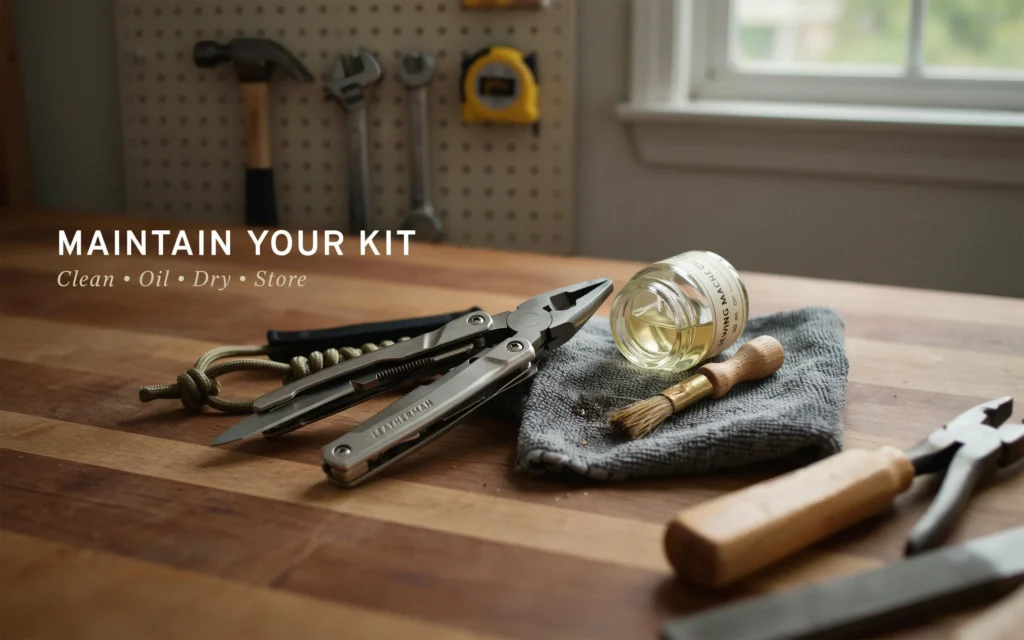
Remember the basics. Keep it clean. Keep it dry. Keep it lubricated. Store it properly. Inspect it regularly. These simple habits will keep your multi tool working smoothly for years.
I have carried the same multi tool for over a decade, and it still works like new. That is not because I bought some special indestructible model. It is because I take a few minutes to care for it after each use. You can do the same thing with your tool.
“A tool that is cared for is a tool that cares for you. When you need it most, it will be ready.” – David Wong, Outdoor Gear Enthusiast
So go ahead. Pull out your multi tool right now. Give it a quick wipe down. Check the joints. Add a drop of oil if it needs it. Your tool will thank you, and the next time you reach for it, it will be ready to do the job.
Related posts
 Top Tool Bags for DIY Homeowners in 2026
Discover the top tool bags for DIY homeowners in 2026. Compare durable organizers, backpacks, and storage solutions to keep your home repair gear ready. Keeping your…
 Top Tool Bags for Apprentices and Trainees 2026
Discover the top tool bags for apprentices and trainees in 2026. Compare durable, portable, and organized storage solutions to help you start your trade right. Starting…
 Top Multi Tool Kits for Women: 2026 Buyer Guide
Find the best multi tool kits for women in 2026. Compare household sets, cordless screwdrivers, and compact multitools for easy home repairs and DIY projects. Finding…