
Should I Buy A Home Tool Kit Or Individual Tools Separately
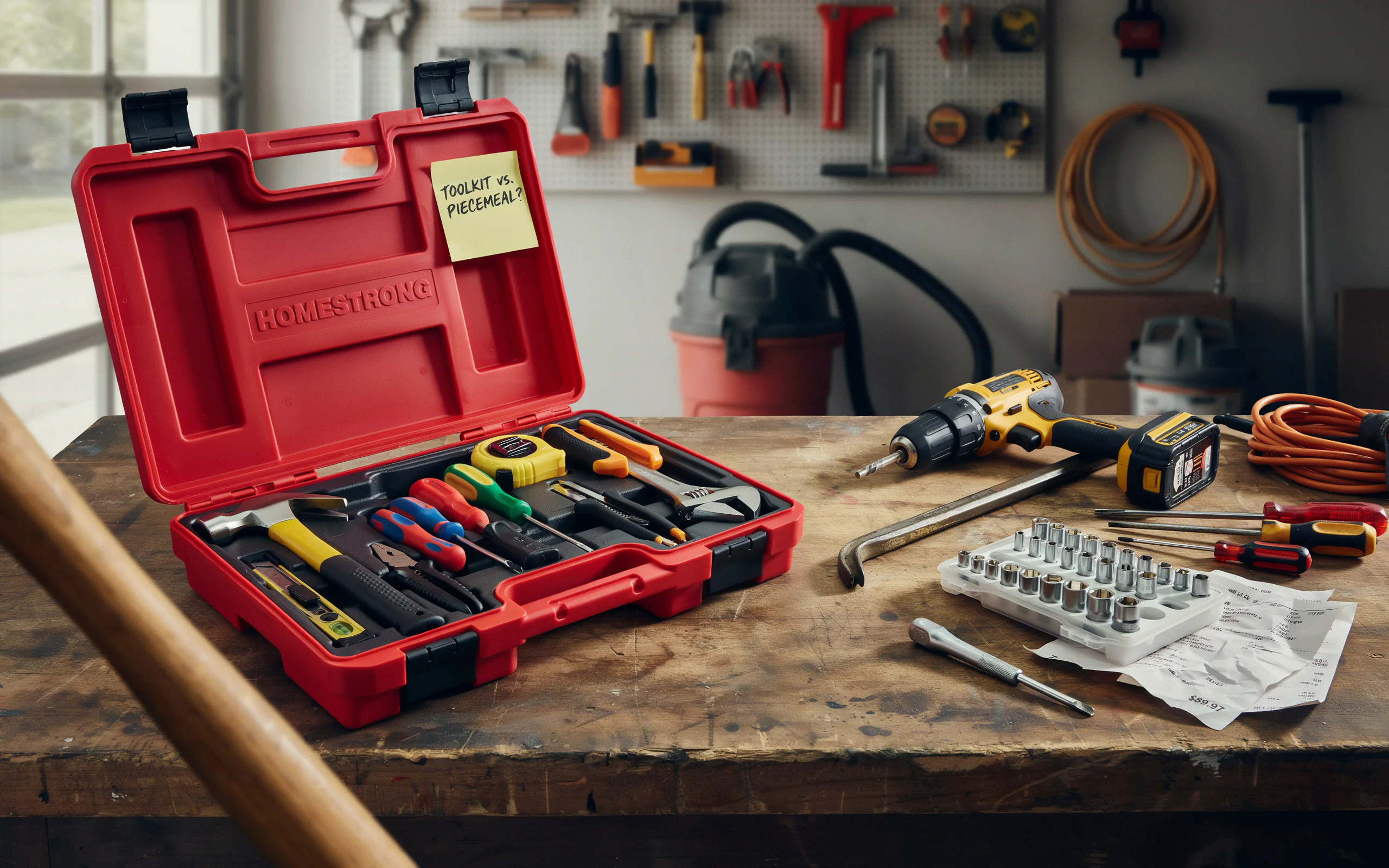
Wondering whether to buy a home tool kit or individual tools separately? This guide gives a clear answer based on cost, space, skill level, and how often you fix things around the house.
Every new homeowner or apartment renter faces this question at some point. You walk into a hardware store, and you see shiny prepackaged tool kits right next to rows of individual hammers, screwdrivers, and wrenches. The kit looks convenient. But the individual tools seem higher quality. So what should you do? Should you buy a home tool kit or individual tools separately? I have helped many friends set up their first tool collections. I have also made my own mistakes buying cheap tools that broke on the first use. Let me walk you through the real pros and cons so you can make a smart choice for your home.
The answer depends on your budget, your storage space, how handy you are, and what kind of repairs you expect to do. Some people love a ready made kit. Others prefer to pick each tool one by one. There is no single right answer for everyone. But after reading this, you will know exactly which path fits your life.
What’s in a Typical Home Tool Kit?
Before we compare, let us look at what most basic home tool kits include. A standard 50 to 100 piece kit usually contains the following items. These are the tools you need for small fixes like hanging pictures, tightening loose cabinet handles, or assembling flat pack furniture.
Table 1: Common Tools Found in a Basic Home Kit
| Tool Type | Typical Quantity | Common Uses |
|---|---|---|
| Hammer | 1 | Hanging nails, light demolition |
| Screwdrivers (flat and Phillips) | 4 to 8 sizes | Tightening screws on outlets, toys, hinges |
| Adjustable wrench | 1 | Loosening nuts on faucets or bike parts |
| Pliers (slip joint and needle nose) | 2 | Gripping wires, bending metal |
| Tape measure | 1 | Measuring for furniture or curtains |
| Utility knife | 1 | Opening boxes, cutting rope |
| Hex keys (Allen wrenches) | 6 to 10 | Assembling IKEA style furniture |
| Level | 1 | Hanging shelves straight |
| Combination pliers | 1 | Cutting wires, gripping pipes |
Some larger kits add a handsaw, a putty knife, a small flashlight, or even a basic multimeter. But the core set stays the same. These tools work for about 80 percent of common home tasks.
Now, the big question: should you buy a home tool kit or individual tools separately when the kit already has all these pieces? Let us look at both sides.
The Case for Buying a Home Tool Kit
A preassembled kit looks tempting because it gives you everything at once. You open the plastic case, and there is a spot for each tool. No guessing. No running back to the store because you forgot a size. For many people, this convenience is worth the price.
Pros of a Pre-Assembled Kit
You save money upfront. A complete kit often costs less than buying every tool separately. For example, a 60 piece kit might sell for 30 dollars. Buying individual hammers, screwdrivers, and pliers could run you 60 dollars or more. The savings matter when you are on a tight budget.
You get a storage case. Most kits come with a molded plastic box or a soft bag. Each tool has its own spot. You never lose the small hex keys or the screwdriver bits. This organization saves you time when you need to find a tool fast.
You avoid decision fatigue. Walking down the tool aisle with 20 different hammers can feel overwhelming. A kit removes that stress. Someone else already picked the right mix of tools for basic home repairs.
“The best tool is the one you have with you when you need it.” — Bob Vila, home improvement expert
Bob Vila got that right. A kit sitting in your closet ready to go beats a perfect set of individual tools that you never bought because you could not decide.
You get started immediately. New homeowners often face small repairs right away. A loose door handle, a wobbly table leg, a nail popping out of the wall. With a kit, you open the box and fix it in five minutes. No waiting for a shopping trip.
Cons of a Home Tool Kit
Not everything is perfect. Kits have real downsides too. The tools inside are often lower quality. Manufacturers save money by using cheaper metals and plastic parts. The hammer might have a loose head. The screwdrivers may strip screws. The pliers might bend under pressure.
You also get tools you never use. That weird size wrench or the tiny screwdriver bit stays untouched for years. You pay for items that just take up space.
“Buy cheap, buy twice.” — Old tradesman’s saying
If a cheap tool breaks when you need it most, you end up buying a better version later. That means you spent extra money in the long run.
The Case for Buying Individual Tools Separately
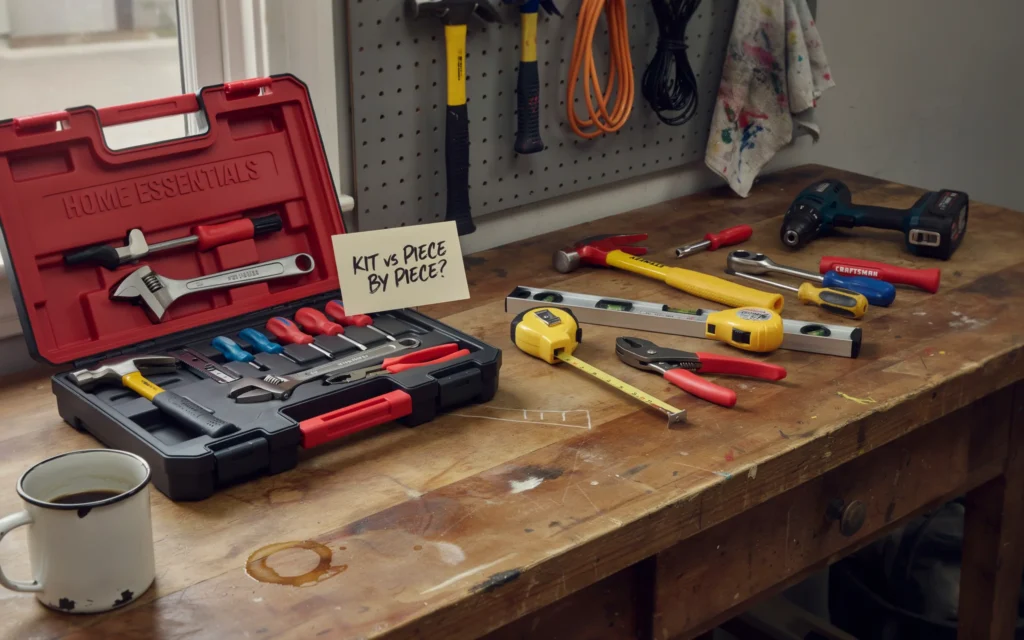
Now let us flip the question. Should you buy a home tool kit or individual tools separately? The separate approach means you walk into the store and pick each tool one at a time. You might buy a hammer today, a tape measure next week, and a set of screwdrivers next month.
Pros of Buying Separate Tools
You get better quality. When you buy individual tools, you can choose trusted brands. A 15 dollar hammer from a good brand lasts decades. A 5 dollar hammer from a kit might crack after ten hits. The metal handle on a quality screwdriver fits your hand better and does not slip.
You buy only what you need. Many people never use a level or a handsaw. If you live in an apartment, you probably do not need a wrench set for plumbing. Buying separately means you skip the useless stuff and put that money toward tools you actually use.
You can upgrade over time. A separate buying strategy lets you spread out the cost. Spend 20 dollars this month on a good hammer. Next month get a nice tape measure. The month after that buy quality pliers. Your collection grows naturally without a big upfront payment.
You learn each tool better. When you research and choose every hammer or every screwdriver, you remember what it does. You learn why a rubber handle matters. You notice how a magnetic tip helps. This knowledge makes you a better home repair person.
Cons of Buying Individual Tools
The biggest downside is cost. A high quality hammer, a set of screwdrivers, a tape measure, pliers, and a level could easily cost 80 to 100 dollars. That is much more than a 30 dollar kit.
You also need to provide your own storage. No free plastic case comes with separate tools. You might need to buy a toolbox or hang them on a pegboard. That adds more cost and more work.
It takes longer to build your set. If you need a tool today but you only have a hammer, you cannot fix that leaking faucet. You have to wait until you buy a wrench. A kit gives you immediate access to many tools at once.
“Start with a basic set, then add as you learn.” — Tom Silva, This Old House
Tom Silva gives smart advice. Even if you start with a cheap kit, you can replace the bad tools one by one over time.
Key Factors to Help You Decide
I want to help you answer the main question for your own home. Should you buy a home tool kit or individual tools separately? Look at these three factors honestly.
Your DIY Skill Level
If you have never held a hammer, start with a cheap kit. You do not need professional grade tools to hang a picture or tighten a screw. A basic kit helps you learn without spending much money. If a tool breaks, you will know which one to replace with a better version later.
If you already know how to fix things, buy separate tools. You likely have favorite brands and know what feels right in your hand. You will be unhappy with the low quality handles and weak joints in most kits.
How Often You Do Repairs
Renters who call the landlord for every problem need almost no tools. A small kit for hanging pictures and assembling furniture is plenty. Do not spend extra money on separate tools.
Homeowners who fix their own leaky faucets, patch drywall, and build shelves need quality tools. You use them often. A cheap hammer hurts your hand after twenty swings. Cheap screwdrivers strip screw heads and make the job harder. Buy separate high quality tools that last.
Your Budget and Storage Space
A tight budget today favors a kit. Thirty dollars gets you a complete set. You can handle most small jobs. Later, when you have more money, you can replace the worst tools one at a time.
Plenty of storage space? Then a kit or separate tools both work fine. Very limited storage like a small apartment closet? A compact kit in its own case takes less space than loose tools rolling around. The molded case keeps everything tidy.
Here is a simple comparison table to help you see the tradeoffs clearly.
Table 2: Home Tool Kit vs Individual Tools — Quick Comparison
| Feature | Home Tool Kit | Individual Tools |
|---|---|---|
| Upfront cost | Low (30 to 60 dollars) | High (80 to 150 dollars) |
| Tool quality | Low to medium | Medium to high |
| Storage included | Yes (case or bag) | No (buy separately) |
| Time to get started | Immediate | Weeks or months |
| Wasted tools | Some you never use | None (you choose each) |
| Long term value | Lower (replace broken tools) | Higher (tools last decades) |
| Best for | Beginners, renters, tight budget | Regular DIYers, homeowners |
When a Tool Kit Makes More Sense
Let me give you specific situations where you should absolutely buy a home tool kit or individual tools separately? Here the kit wins.
You just moved into your first apartment. You have no tools at all. You need to hang curtains, assemble a bed frame, and tighten a wobbly chair. A 40 dollar kit from a home center solves all these problems tonight.
You are on a very tight budget. You cannot spend 100 dollars on tools right now. A 30 dollar kit gets you started. Even if some tools are cheap, they work for light tasks. You can upgrade later.
You want a gift for someone. A tool kit makes a great housewarming or graduation gift. The person gets everything in one box. They do not have to shop for individual pieces.
You travel or live in an RV. A small kit with a hard case stores easily under a seat or in a closet. Individual tools would rattle around and get lost.
When Individual Tools Are Better
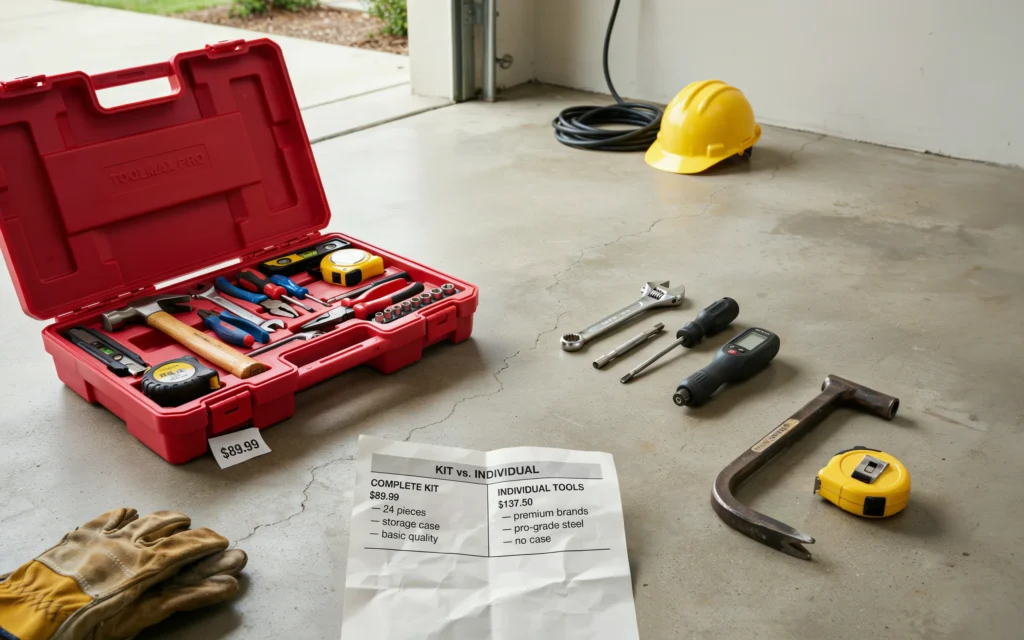
Now here are the situations where you should skip the kit and buy tools one by one.
You already own some tools. If you have a hammer and a tape measure already, a kit gives you duplicates. You waste money. Buy only the missing items separately.
You do serious DIY projects. Building a deck, remodeling a bathroom, or repairing a car requires strong, reliable tools. Cheap kit tools will break or slip and could cause injury. Buy quality brands like Stanley, Crescent, Irwin, or Klein.
You care about comfort. Kit tools often have hard plastic handles that hurt your palm after a few minutes. Good individual tools have rubber grips, ergonomic shapes, and balanced weight. Your hands will thank you.
You want to teach a child or teen. A young person learning to fix things should use decent tools. Cheap kit tools can strip screws, bend, or break easily. That frustrates a beginner. A few good tools build confidence and skill.
A Smart Middle Ground
You do not have to choose all or nothing. Many smart homeowners use a hybrid approach. They buy a small, cheap kit for the basics. Then they slowly replace the most used tools with better individual versions.
For example, buy a 30 dollar 50 piece kit. Use it for a few months. Notice which tools you grab the most. Probably the hammer, the Phillips screwdriver, and the pliers. Now go buy a quality version of each. Spend 20 dollars on a good hammer, 15 dollars on a nice screwdriver set, and 20 dollars on solid pliers. Keep the rest of the kit tools as backups or for tasks that do not need precision.
This method gives you immediate access to many tools while you build a long term collection of high quality gear. You never feel stuck without a tool. And you never waste money on premium versions of tools you never use.
Another middle ground: buy a slightly better kit. Avoid the cheapest 15 dollar kits. Look for kits in the 50 to 70 dollar range from brands like Stanley, Husky, or Craftsman. These have better metal and stronger cases. They still cost less than buying everything separately, but they last longer than the ultra cheap options.
Frequently Asked Questions (FAQ)
1. Is it cheaper to buy a home tool kit or individual tools separately?
It is cheaper upfront to buy a kit. A basic 50 piece kit costs 30 to 50 dollars. Buying those same tools individually could cost 100 dollars or more. However, if kit tools break and you replace them, the long term cost may be higher. For light, occasional use, the kit is cheaper overall.
2. What tools should every home have at minimum?
Every home needs a hammer, a Phillips screwdriver, a flathead screwdriver, an adjustable wrench, slip joint pliers, a tape measure, and a utility knife. That is seven tools. You can buy these individually for about 60 to 80 dollars. Or find a small kit that includes them for 30 dollars.
3. Can I trust the quality of tools in a home kit?
For light tasks like hanging pictures or tightening screws, yes. For heavy work like prying boards or loosening rusted bolts, no. Kit tools use softer metals that bend or break under pressure. Always inspect kit tools when you open the box. If a hammer head feels loose or a screwdriver tip looks rough, return it.
4. Should I buy a home tool kit or individual tools separately for my car?
For car repairs, buy individual tools. Car work needs specific sizes of sockets, wrenches, and specialized tools like a breaker bar or a torque wrench. Most home kits do not include these. A basic home kit is meant for house tasks, not automotive work.
5. How do I store individual tools if I do not buy a kit?
A simple canvas tool bag costs 10 to 20 dollars. Or use a plastic toolbox for 15 dollars. You can also hang tools on a pegboard in your garage or closet. The key is to keep them dry and organized so you can find what you need.
6. What if I buy a kit and then lose a tool?
Most kit manufacturers do not sell individual replacement pieces. You would have to buy a whole new kit or buy a separate individual tool to replace the missing one. This is another advantage of buying separate tools. You can always buy a replacement for that exact tool.
7. Which is better for a college student living in a dorm?
A small home tool kit. Dorm rooms have very limited space. A compact 30 piece kit fits under the bed. The student will need only basic repairs like fixing a loose desk leg or hanging a whiteboard. The kit is perfect for that.
8. How do I know when to upgrade from a kit to separate tools?
When a tool from your kit breaks or when you feel frustrated using it. If your screwdriver slips and strips a screw, buy a better screwdriver. If your hammer handle hurts your hand, buy a better hammer. Upgrade one tool at a time as you notice the problem.
Conclusion
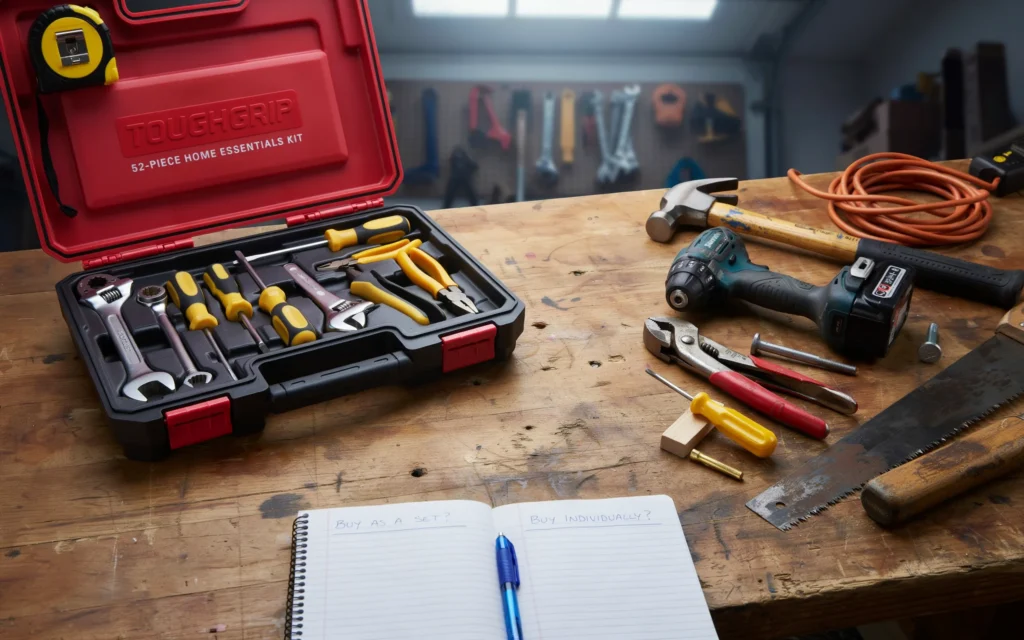
So, should you buy a home tool kit or individual tools separately? The honest answer is that both choices work. It depends on you. If you have very little money, no tools at all, and only plan to do light tasks, buy a cheap kit. You will be fine. If you already own some tools, do serious repairs, or care about quality, buy individual tools one at a time.
For most people starting out, I recommend this path. Buy a basic 50 piece kit for 30 to 40 dollars. Use it for six months. Notice which tools matter to you. Then slowly replace those specific tools with high quality individual versions. Keep the kit as your backup. This hybrid method gives you the low cost of a kit and the reliability of separate tools.
Remember the wise words from the old tradesman: buy cheap, buy twice. But also remember Bob Vila: the best tool is the one you have with you. A cheap kit in your closet beats a perfect set of tools still sitting at the store because you could not afford them all at once.
Start somewhere. Fix something small today. Learn as you go. Your tool collection will grow with your skills. And whether you choose a kit or separate tools, you will be ready for the next loose screw or crooked picture frame that needs your attention.
Related posts
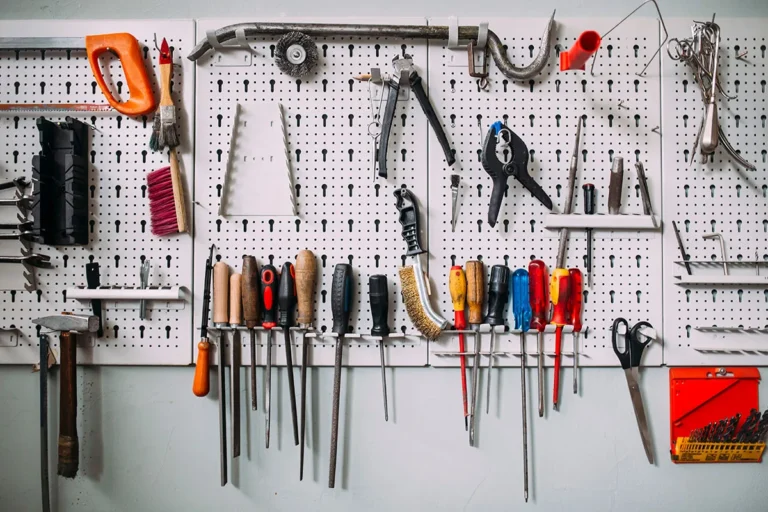 Top Home Tool Kits for Seniors: 2026 Practical Guide
Discover the top home tool kits for seniors in 2026. We compare compact, easy-to-use sets perfect for daily household repairs, furniture assembly, and DIY tasks. Finding…
 Top Home Tool Kits for Women: 2026 Buyer Guide
Discover the top home tool kits for women in 2026. Compare top-rated sets for DIY, furniture assembly, and household repairs to find your perfect match. Finding…
 Top Home Tool Kits for Basic Home Repairs 2026
Find the top home tool kits for basic home repairs in 2026. Compare top-rated sets for DIY projects, furniture assembly, and daily household maintenance. Every home…