
What If My Automotive Tool Kit doesn’t have a tool I need
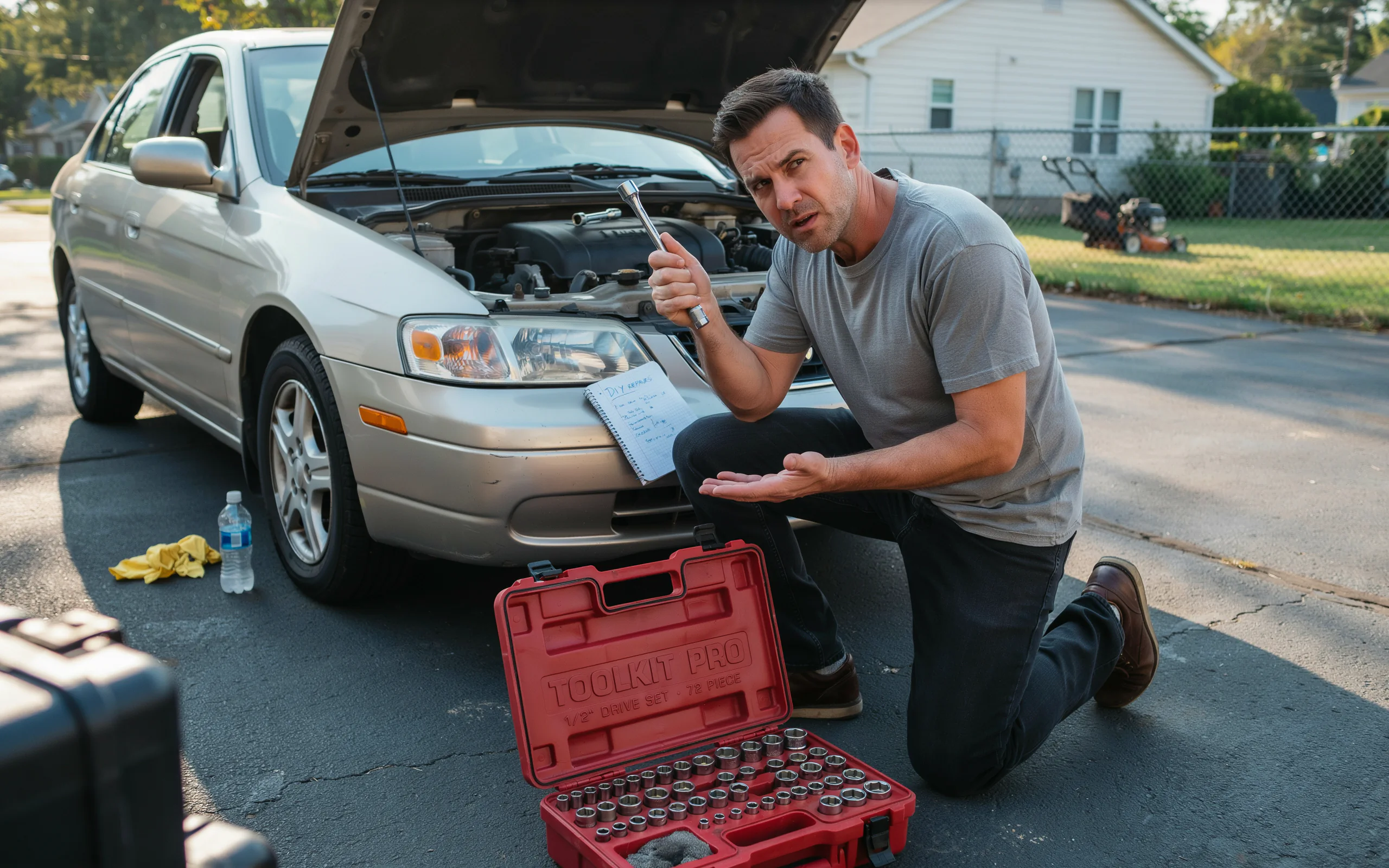
If my automotive tool kit doesn’t have a tool I need, I find simple fixes like borrowing, renting, or using creative substitutes. This guide shares easy, safe solutions for missing tools.
You open your garage. You pop the hood. You have a small repair to do. Then you reach for your tool kit. And you freeze. My automotive tool kit doesn’t have a tool I need – again. It happens to almost everyone who works on cars. Maybe you need a specific socket size. Or a torque wrench. Or a brake caliper tool. Your kit feels incomplete.
Don’t worry. This is normal. Most standard tool kits skip many specialty items. But that does not mean you have to stop your project. Over years of fixing my own cars, I have learned many ways to handle this problem. This guide shares those tips with you. You will learn how to keep working, stay safe, and build a better kit over time.
“The best mechanic is not the one with the most tools, but the one who knows how to solve problems with what they have.” – John Muir, author of How To Keep Your Volkswagen Alive
First Steps When Your Kit Is Missing a Tool
Before you feel stuck, take a breath. There are easy actions you can take right away.
Don’t Panic, Check Again
I have done this many times. I think my automotive tool kit doesn’t have a tool I need, but then I find it hiding under a rag. Open every pocket. Look in the trunk. Check the glove box. Sometimes a tool rolls away. Also, see if another tool can do the same job. For example, a small adjustable wrench might replace a missing 10mm socket.
Assess the Job’s Requirements
Ask yourself three questions:
- Do I really need this exact tool?
- Can I finish the job without it?
- Is the tool for a one-time use or frequent use?
If the answer to the last question is “one time,” you have many cheap options. Do not rush to buy an expensive tool you will use once.
Common Missing Tools and Quick Fixes
| Missing Tool | Quick Fix or Substitute |
|---|---|
| 10mm socket | Adjustable wrench or pliers (carefully) |
| Torque wrench | Tighten by feel + check with a borrowed unit later |
| Oil filter wrench | Strap wrench, rubber glove, or screwdriver punch (last resort) |
| Brake piston tool | Large C-clamp + old brake pad |
| Trim removal tool | Flathead screwdriver wrapped in tape |
Smart Solutions for Missing Automotive Tools
Now let us get to the real solutions. These work for DIY home mechanics and even some pros.
Borrow from Friends or Neighbors
This is the easiest and cheapest option. Ask your car friends. Post on a local community group. Many people own tools they rarely use. Most will lend them for a day or two. Just return them clean and on time. I once borrowed a ball joint press from a neighbor. It saved me 80 dollars.
Visit an Auto Parts Stores with Loaner Programs
Big chains like AutoZone, O’Reilly, and Advance Auto Parts lend tools for free. You pay a deposit. You get all your money back when you return the tool. They have alternator testers, compression test kits, pulley removers, and more. When my automotive tool kit doesn’t have a tool I need, this is my first stop. The deposit is usually the full price of the tool. But you get it back. No cost except your time.
Rent Specialty Tools
Some tools are too big or too rare for loaner programs. Think engine hoists, transmission jacks, or spring compressors. Equipment rental shops offer these. The daily rate is low. You can finish big jobs for under 30 dollars. I rented a cherry picker to swap an engine. It cost me 40 dollars for a weekend. Buying one would have been 300 dollars.
Buy Single Tools Instead of Full Sets
Many people think they need a whole new kit. That is not true. Go to a hardware store or online shop. Buy only the missing piece. A single wrench costs 5 to 15 dollars. A full set costs 50 to 100 dollars. Save your money. Focus on what you need today.
“A man is only as good as his tools, but a smart man knows when to borrow a better one.” – Anonymous mechanic proverb
Use Creative Substitutions (With Caution)
Sometimes you can improvise safely. Let me give you examples:
- No funnel? Cut the bottom off a plastic water bottle.
- No rubber mallet? Wrap a regular hammer with a thick cloth.
- No magnetic pickup tool? Use a small stick with double-sided tape.
- No jack stands? Never use bricks or wood alone. This is unsafe. But you can use thick solid wood blocks if they are wide and stable. Always check ratings.
I must warn you: creativity has limits. Never force a wrong tool into a tight space. Never use a screwdriver as a pry bar if it might snap. If the fix feels dangerous, stop. Go get the right tool.
How to Prevent Future Missing Tool Problems
You can reduce this frustration over time. Here is what works for me.
Build Your Kit Gradually
Do not try to buy every tool at once. That costs too much. Instead, each time my automotive tool kit doesn’t have a tool I need, I buy one good version of that tool. Over a year, you build a perfect custom kit. Start with the basics: socket set (metric and SAE), combination wrenches, pliers, screwdrivers, hammer, and a breaker bar. Then add specialty tools as jobs come up.
Keep a Tool Inventory List
Write down what you own. Use a notebook or a phone note. After each repair, update the list. I keep a simple checklist on my garage wall. It says: “Sockets: 8-19mm, 5/16-3/4 inch. Wrenches: same. Pliers: needle nose, slip joint, locking. Extras: torque wrench, multimeter, jack.” When I think my automotive tool kit doesn’t have a tool I need, I check the list first. Often I actually own it but forgot.
Essential Tools for a Basic Automotive Kit
| Category | Tools to Include |
|---|---|
| Wrenches & Sockets | 8-19mm metric, 5/16-3/4 inch SAE, ratchet, extensions |
| Pliers & Cutters | Slip joint, needle nose, locking pliers, wire cutter |
| Screwdrivers | Flathead (small & large), Phillips #1 & #2 |
| Specialty (basic) | Jack, jack stands, tire iron, breaker bar, multimeter |
| Safety | Gloves, safety glasses, shop rags, fire extinguisher |
When You Really Need That Specific Tool
Some jobs demand exact tools. You cannot improvise. For example, a timing belt tensioner tool or a oxygen sensor socket. Here is what to do.
Online Marketplaces for Used Tools
Websites like eBay, Facebook Marketplace, and Craigslist have used tools at half price. Many people sell tools from old kits. Search for the exact name. Read the photos carefully. I bought a complete fuel pressure test kit for 20 dollars. New price was 90 dollars. The previous owner used it once.
Manufacturer Direct Options
Some car brands use weird fasteners. Think of a Torx Plus or a triple square bit. Regular tool kits do not have them. Call the dealer’s parts department. Ask them to sell you just that one bit. They often have loose tools behind the counter. Or search online for “make + model + tool name.” Specialty shops like ECS Tuning or Pelican Parts sell individual bits.
Safety First – Never Force a Wrong Tool
This is the most important section. I have made this mistake. I tried to use a standard wrench on a rounded bolt. The wrench slipped. My hand hit the radiator. I got cut. Do not repeat my error.
Risks of Improvising Badly
- Damage to fasteners: Stripped bolts cost more time and money.
- Damage to car parts: A slipped tool can crack plastic or dent metal.
- Injury to yourself: Slipping tools send hands into sharp edges.
- Incomplete repair: A loose bolt can cause a breakdown later.
If my automotive tool kit doesn’t have a tool I need and I cannot borrow or rent it, I stop the job. I wait until I have the correct tool. A delay of one day is better than a broken car for one week.
Signs you are forcing too hard:
- The tool bends or flexes.
- The fastener’s corners start to round off.
- You hear cracking sounds from plastic parts.
- You feel like you might slip.
Trust those signs. Walk away. Get help.
Real-Life Stories from the Garage
Let me share two quick stories to show you how common this is.
Story 1: Last year, I needed to change the rear brakes on my Honda. I had a C-clamp, but no brake piston tool. My automotive tool kit doesn’t have a tool I need – the cube-shaped tool for twisting the piston. I went to AutoZone. They loaned me the kit for free. I returned it after two hours. Total cost: zero dollars.
Story 2: A friend tried to remove a crankshaft pulley bolt. His kit had no impact wrench. He used a breaker bar and a long pipe. The pipe slipped. He broke his front grille. That repair cost 150 dollars. If he had rented an electric impact wrench for 20 dollars, he would have saved money and pain.
These stories teach us one thing: do not rush. Find the right way.
Frequently Asked Questions (FAQ)
Q1: What should I do first when my automotive tool kit doesn’t have a tool I need?
A: First, double-check your kit and car. Then see if a neighbor or friend can lend it. If not, go to an auto parts store with a loaner program.
Q2: Is it safe to use a different tool as a substitute?
A: Yes for simple tasks like using pliers as a wrench on a loose bolt. No for precision jobs like torquing cylinder head bolts. Always think about safety first.
Q3: How do I know if a tool is worth buying instead of renting?
A: If you will use it more than three times per year, buy it. If it is a one-job tool, rent or borrow. Also consider storage space.
Q4: Can I use a pipe on a wrench for more leverage?
A: Yes, but carefully. This is called a cheater bar. It works. But it can break the wrench or round the bolt. Use it only on strong tools and large fasteners.
Q5: What tools should I always keep in my car for emergencies?
A: Keep a basic set: tire iron, jack, jumper cables, a multi-bit screwdriver, small pliers, duct tape, and zip ties. Also a flashlight and gloves. That kit fits under most seats.
Q6: Does a missing tool mean I cannot finish the job at all?
A: Not always. Many jobs have alternative methods. For example, you can change oil without a filter wrench by hand-tightening only. But for safety-critical jobs like brakes or steering, get the exact tool.
Q7: How can I track which tools I still need for my kit?
A: Keep a simple list on your phone. After each repair, write down the tool you borrowed or wished you had. Over time, buy those ones. This builds a perfect kit for your specific car.
Q8: Are cheap tools okay for rare use?
A: Yes, for a one-time job. A 10-dollar socket set from a discount store can work for a single repair. But for frequent use, buy better quality. Cheap tools break or round bolts.
Conclusion
Let me be direct with you. Every car owner faces this problem. I have faced it dozens of times. The feeling when my automotive tool kit doesn’t have a tool I need can be frustrating. But now you know exactly what to do. Borrow from friends. Use store loan programs. Rent expensive tools. Buy only the single missing piece. And sometimes, use a creative but safe substitute.
Do not let a missing tool stop your repair. Do not force a wrong tool either. Find the balance. Start with the free options first. Then move to cheap rentals. Only buy if you will use it again. Build your kit slowly over months and years.
Remember the quote from John Muir: solving problems matters more than owning every gadget. Your hands, your brain, and your patience are your best tools. The rest you can always find.
So next time you open your garage and see an empty slot in your tool kit, smile. You have ten ways to keep going. Happy fixing.
Related posts
 Which Tool Kit Is Worth Buying? How to Choose the Right Set for Your Home
Wondering which tool kit is worth buying? Compare basic household sets, mechanic kits, and power tool combos to find the best tools for your budget and…
 Which Hand Tools Are Made in the USA? Reliable Brands and Buying Rules
Discover which hand tools are still made in the USA. Compare top domestic brands, tool categories, and learn how to verify origin labels before buying. Several…
 Why Do Campers Carry Multi Tools? Practical Uses in the Field
Why do Campers carry multi tools to handle gear repairs, campsite setup, food prep, and field fixes with minimal weight. Here is why one belongs in…