
How To Use A Home Tool Kit Safely
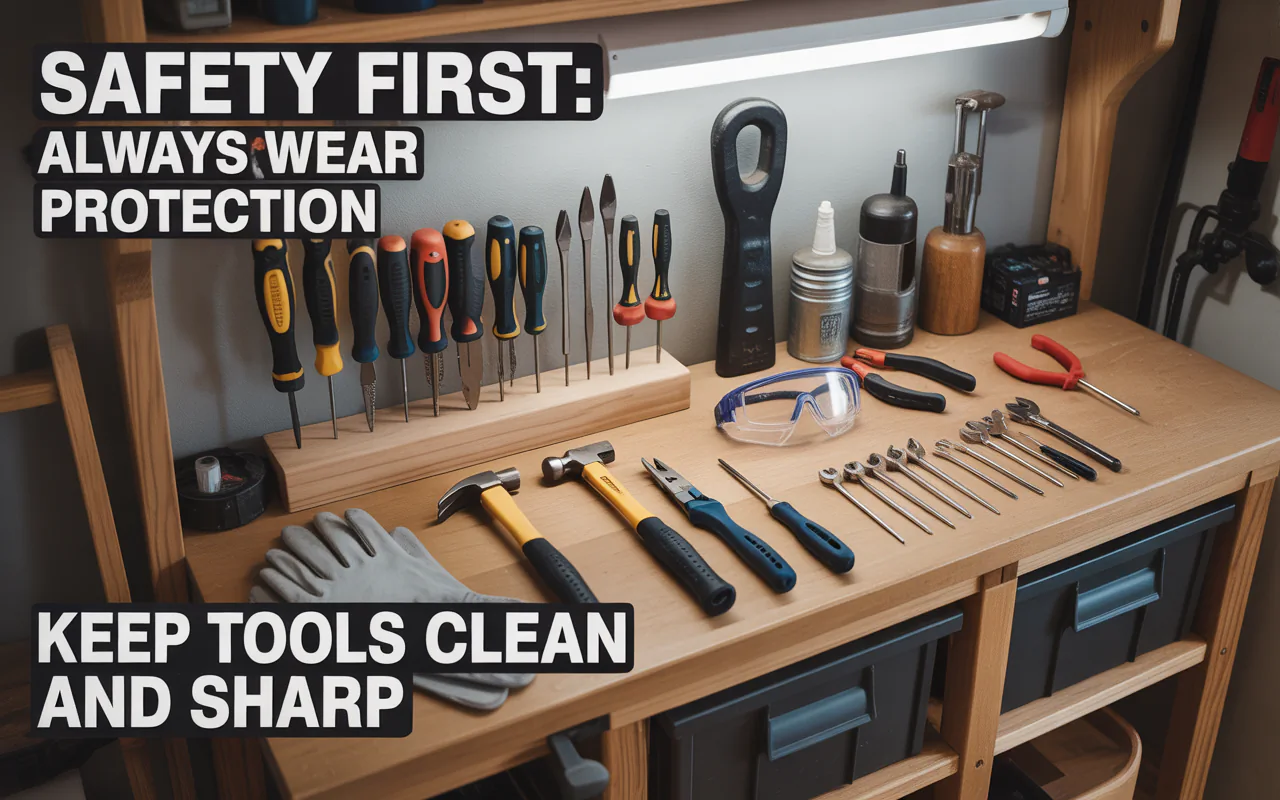
Discover how to use a home tool kit safely. Learn to select, handle, and store tools correctly to avoid cuts, shocks, and falls. Includes emergency tips and tool care.
Do you have a home tool kit sitting in a closet or under the sink? Many of us own one. But not everyone knows how to handle those tools the right way. A small mistake with a hammer or a screwdriver can lead to a visit to the doctor. The good news is that you can learn to use a home tool kit safely with just a few simple habits. This guide is for beginners and anyone who wants to fix things around the house without getting hurt. Let’s walk through the steps together.
Why Safety Matters When You Use a Home Tool Kit
Every year, thousands of people hurt themselves while doing small home repairs. Most of these injuries happen because someone used a tool the wrong way or forgot to check it first. When you use a home tool kit safely, you protect your hands, eyes, and the rest of your body. You also keep your family safe, especially if you have kids who like to watch and help. Safety is not hard. It just takes a little attention before you start any job.
“The safest tool is the one you know how to use with respect.” – Tom Silva, general contractor and TV host
1. Get to Know Your Home Tool Kit
Before you pick up any tool, open your kit and look at what you have. Many basic kits come with the same few items. Knowing each tool’s name and purpose is the first step to using it well.
What’s Inside a Basic Kit?
Here is a simple table of common home tools and what they do. Keep this in mind the next time you need to fix something.
| Tool | Main Use | Safety Note |
|---|---|---|
| Claw hammer | Drive and remove nails | Check the head for looseness before each use |
| Flathead screwdriver | Turn screws with a straight slot | Do not use as a chisel or pry bar |
| Phillips screwdriver | Turn cross-shaped screws | Match the screwdriver size to the screw |
| Adjustable wrench | Tighten or loosen nuts and bolts | Always pull toward you, not push away |
| Needle-nose pliers | Grip small parts or cut wire | Keep your fingers away from the hinge |
| Utility knife | Cut boxes, rope, or drywall | Use a sharp blade; dull blades slip more |
| Tape measure | Measure distances | Let the tape retract slowly to avoid cuts |
Take a few minutes to hold each tool. Feel its weight. Notice where your hand fits best. This small practice helps you use a home tool kit safely because you won’t be surprised by how a tool moves or feels when you start a job.
2. Before You Pick Up Any Tool
Safety begins before you drive the first nail or turn the first screw. A quick pre-check takes only 30 seconds but can stop a bad accident.
Check Your Tools First
Look at each tool you plan to use. Ask yourself these questions:
- Is the hammer head loose on the handle?
- Does the screwdriver tip have cracks or chips?
- Are the pliers rusty or stiff?
- Is the utility knife blade clean and sharp?
A loose hammer head can fly off and hit someone. A rusty wrench can slip and send your hand into a sharp edge. Do not ignore small damage. Replace or fix any tool that does not look right.
Dress Right for the Job
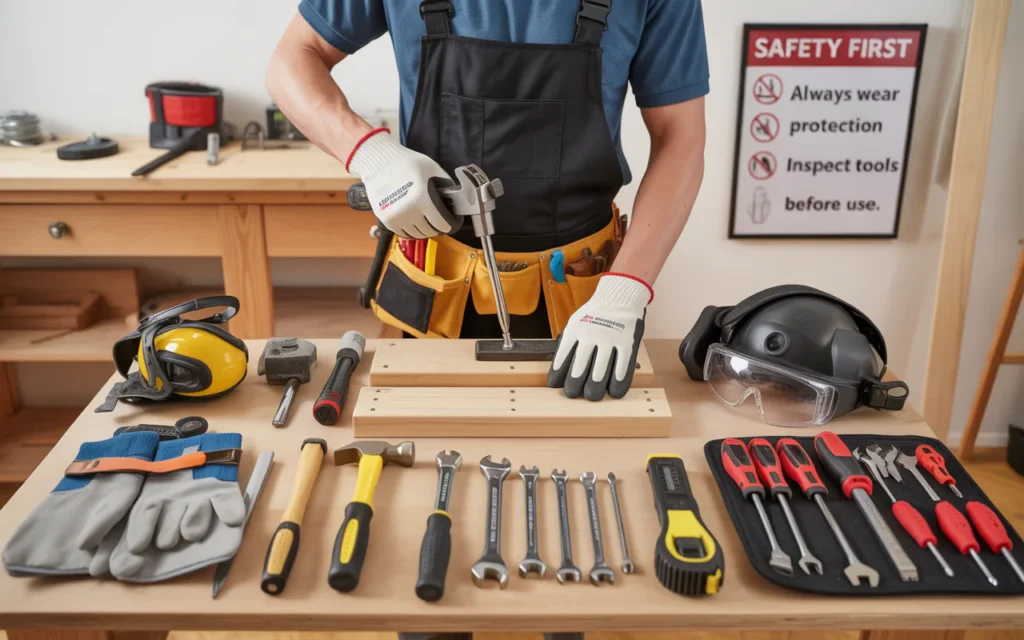
What you wear matters. When you use a home tool kit safely, you avoid loose clothes, dangling jewelry, or open-toe shoes.
- Wear closed-toe shoes with good grip.
- Tie back long hair.
- Remove rings, bracelets, and watches. They can get caught or conduct electricity.
- Put on safety glasses for any job that involves hitting, cutting, or prying.
- Use work gloves when handling rough materials or sharp edges.
These simple clothing choices reduce risk a lot. Think of them as your personal safety gear.
3. How to Use a Home Tool Kit Safely for Common Tasks
Now let’s look at specific tools and the right way to handle them. Follow these steps every time you pick up a tool.
Hammering Without Hurting Your Hand
A hammer seems simple. But many people hold it wrong. Here is the safe method:
- Grip the handle near the end, not up close to the head.
- Keep your wrist straight.
- Start with light taps to set the nail, then use full swings.
- Look at the nail head, not your hand.
- Stop swinging if you feel tired. A tired grip leads to missed hits.
If you miss the nail and hit your finger, stop. Run cool water over the finger and check for broken skin. Swelling is normal, but if the finger looks bent or you cannot move it well, see a doctor.
“A good carpenter never blames his tools, but a safe one always inspects them first.” – Norm Abram, master carpenter
Screwdrivers: Turn Smart, Not Hard
Screwdrivers cause many puncture wounds. People push too hard, and the tip slides off the screw and into their hand. To use a home tool kit safely with screwdrivers:
- Pick the right size. A small screwdriver in a large screw will slip.
- Push the screwdriver straight into the screw head before you turn.
- Turn slowly at first to feel if the tip is seated well.
- If a screw is stuck, do not force it. Try a drop of penetrating oil or a different tool.
- Never use a screwdriver to pry open a can or lift a lid. That is what pry bars are for.
Pliers and Wrenches: Grip With Care
These tools give you extra strength, but they can also pinch your skin or snap back at you.
- Adjust the wrench so it fits the nut tightly. A loose fit will round the nut and slip.
- Pull the wrench toward your body. Do not push away. If it slips, you will fall forward, not backward.
- For pliers, grip the object near the pivot joint, not the tips. That gives you the most force.
- When cutting wire with pliers, point the cutting edge away from your face and others.
Using a Utility Knife Safely
A utility knife is very sharp and very useful. It is also one of the most dangerous tools in a home kit.
- Always extend the blade only one notch. A long blade breaks more easily.
- Cut away from your body and your other hand.
- Keep your free hand behind the cutting direction.
- Use a self-retracting knife if you can. It closes when you let go.
- Change the blade when it gets dull. A dull blade makes you press harder, and that is when slips happen.
Store a utility knife with the blade fully retracted or covered. Never leave it open on a table.
4. Keep Your Work Area Safe
The place where you work is just as important as the tools you hold. A messy or dark work area makes you more likely to get hurt, even if you use a home tool kit safely with your hands.
Clear the Clutter
Before you start, take two minutes to clean the space.
- Move toys, rugs, or cords out of your walking path.
- Put your tools on a flat, stable surface, not a stack of books or a box.
- Keep your phone nearby in case you need help, but do not let it distract you.
- If you are working on a ladder, clear the floor below you of anything you might fall onto.
Light and Space Matter
Work in good light. A flashlight or a headlamp helps when you work under sinks or in closets. Also, give yourself room to move. If you cannot swing a hammer without hitting a wall or a shelf, move the job to a better spot.
“Your workshop does not need to be fancy. It just needs to be clean and calm.” – Martha Stewart, home expert
5. After the Job: Tool Care and Storage
Putting tools away the right way is part of safety. A tool left on the floor can be stepped on. A dirty tool can rust and fail later. Good habits after each job help you use a home tool kit safely the next time.
Do’s and Don’ts for Tool Storage
Here is a quick table of what to do and what to avoid.
| Do This | Don’t Do This |
|---|---|
| Wipe tools clean with a dry rag after use | Leave dirt, grease, or moisture on tools |
| Store tools in a dry place, not a damp basement | Toss tools loose in a drawer where blades touch each other |
| Hang or box hammers and wrenches so they do not fall | Stack heavy tools on top of fragile ones |
| Retract or cover sharp edges like knife blades | Put sharp tools in a drawer with your hands |
| Check your kit every few months for damage | Ignore a loose handle or rusted joint |
If you have kids at home, store your tool kit in a locked cabinet or on a high shelf. Better yet, put a combination lock on the tool box. Children are curious, and a sharp tool in small hands is a real danger.
6. When to Call a Pro Instead
Knowing how to use a home tool kit safely also means knowing your limits. Some jobs are not for home tool kits. Call a professional when:
- You need to work with live electrical wires. Even turning off the breaker does not guarantee safety if you do not have a voltage tester.
- You have to use a power saw that you have never tried before. A circular saw or a reciprocating saw can kick back hard.
- The job is over your head on a ladder, and you feel shaky.
- You see water damage or mold. That needs special protection.
- You are very tired, angry, or hurt. Your mind must be clear to work safely.
There is no shame in calling for help. A handyman or a repair service costs less than a trip to the emergency room.
Emergency First Aid for Common Tool Injuries
Even when you do everything right, accidents can happen. Be ready to act fast.
| Injury | First Aid Step |
|---|---|
| Small cut | Clean with soap and water. Apply pressure with a clean cloth. Use a bandage. |
| Deep cut | Keep pressure on the wound. Raise the wound above your heart if you can. Call for help if bleeding does not stop in 10 minutes. |
| Hit finger (no broken skin) | Put ice in a bag and wrap with a thin cloth. Apply to the finger for 15 minutes. |
| Eye foreign object | Do not rub. Blink many times. Rinse with clean water if something is stuck. See a doctor if pain continues. |
| Small splinter | Use clean tweezers. Pull out in the same direction it went in. Wash the spot after. |
| Electric shock from a tool | Turn off power at the main switch. Do not touch the person until power is off. Call for medical help even if the person seems fine. |
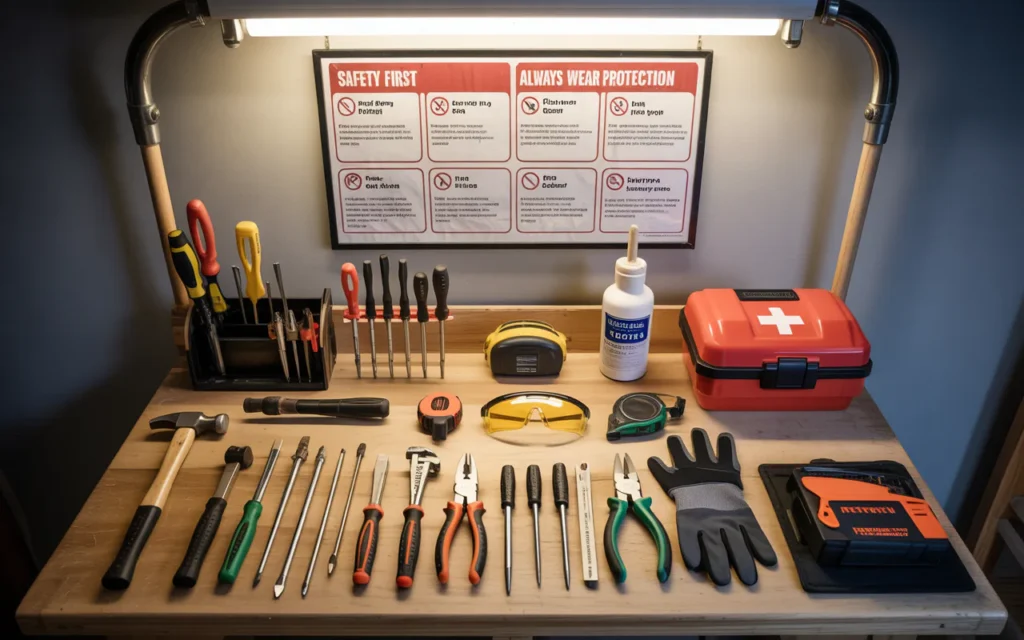
Keep a small first aid kit next to your tool kit. Include bandages, antiseptic wipes, tweezers, and a small roll of gauze. This way, you can treat small injuries right away and get back to what you were doing.
Frequently Asked Questions (FAQ)
Q: How often should I replace the tools in my home kit?
A: You do not need to replace most tools on a schedule. Replace them when you see cracks, rust holes, loose heads, or bent shafts. Screwdriver tips wear out after a few years of heavy use. Utility knife blades should be changed every few jobs.
Q: Can I let my child use a home tool kit?
A: Yes, with close supervision. Start with safe tools like a plastic hammer or a screwdriver on soft wood. Teach your child to use a home tool kit safely by showing them one tool at a time. Keep sharp tools like knives and saws locked away until they are older (at least 10 to 12 years old, depending on maturity).
Q: What is the single most common mistake people make with home tools?
A: Using the wrong tool for the job. People often use a screwdriver as a chisel, pliers as a wrench, or a hammer to break things. Each tool has one main job. Using it for something else breaks the tool and puts you at risk.
Q: Do I need safety glasses for every job?
A: Not for very simple tasks like turning a screw on a cabinet door. But for any job that makes small pieces fly like hammering, scraping, cutting drywall, or loosening rusted bolts yes, wear safety glasses. Your eyes are too valuable to risk.
Q: How do I know if a tool is too damaged to use?
A: Look for three signs. One, any crack in a metal or plastic handle. Two, a hammer head that moves or spins on the handle. Three, a screwdriver tip that is bent or chipped. When you see any of these, throw the tool away or recycle it. Do not try to fix it with tape or glue.
Q: Should I buy expensive tools for home use?
A: No. A mid-priced tool from a hardware store is fine for home jobs. Cheap dollar-store tools break fast and can be unsafe. Spend a little more to get a decent hammer and screwdrivers. You do not need professional grade, but avoid the cheapest options.
Conclusion
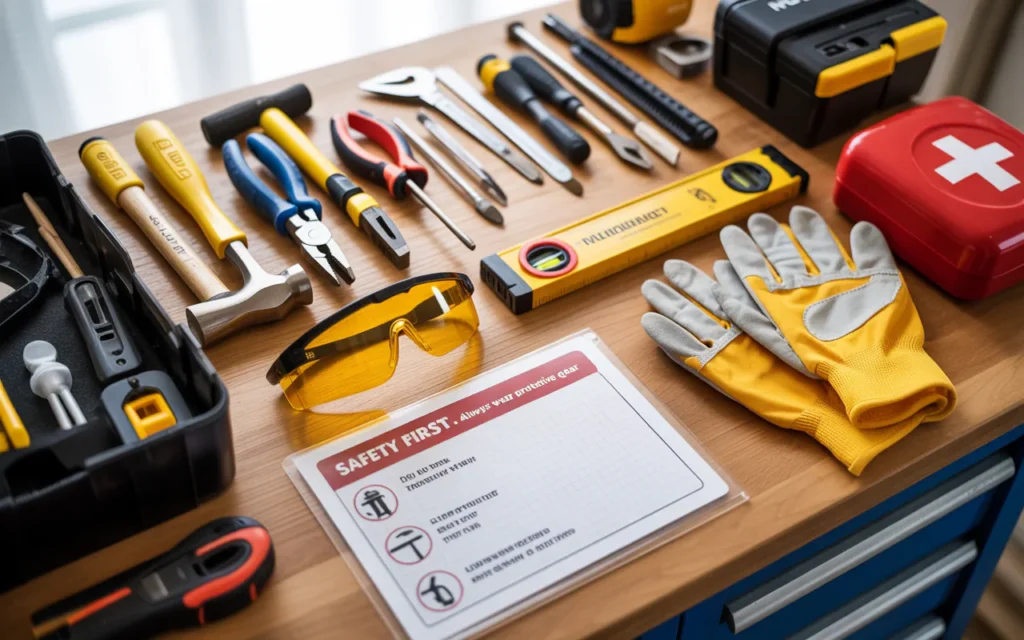
You do not need to be a professional carpenter to use a home tool kit safely. You just need to slow down, check your tools, wear the right clothes, and follow the basic steps we talked about. Every time you pick up a hammer, a screwdriver, or a utility knife, take one second to think: “Is my hand in the right spot? Is the tool in good shape? Is the work area clear?” That one second can save you from a lot of pain.
Start today. Open your home tool kit, wipe it clean, and check each item. If you find a broken tool, replace it. Then pick one small job like tightening a loose drawer pull or hanging a picture. Practice the safe methods you learned here. Soon, these habits will feel natural. And you will enjoy fixing things around your home without fear of getting hurt.
“The best tool in any kit is a careful mind.” – Bob Vila, home improvement expert
Remember, a home tool kit is a helper, not a hazard. Treat it with respect, and it will serve you well for years. Stay safe, take your time, and be proud of every small repair you finish without a single bandage.
Related posts
 Top Starter Mechanic Tool Kits for Apprentices: Essential Sets for Your Trade
Explore top starter mechanic tool kits for apprentices. Compare sets for mechanics, electricians, and other trades to find your essential tools. Starting an apprenticeship is an…
 Automotive Tool Kits vs. Mechanic Tool Sets: What’s the Difference?
Understand the key differences between automotive tool kits vs. mechanic tool sets. Learn which is best for your car maintenance needs. When looking for tools to…
 Top Automotive Tool Kits for Garage Workshops: A Buyer’s Guide
Find the top automotive tool kits for garage workshop. Compare versatile sets for car maintenance, home repairs, and DIY projects to choose the best fit. Setting…