
How to Choose the Best Multi Tool for Your Daily Carry
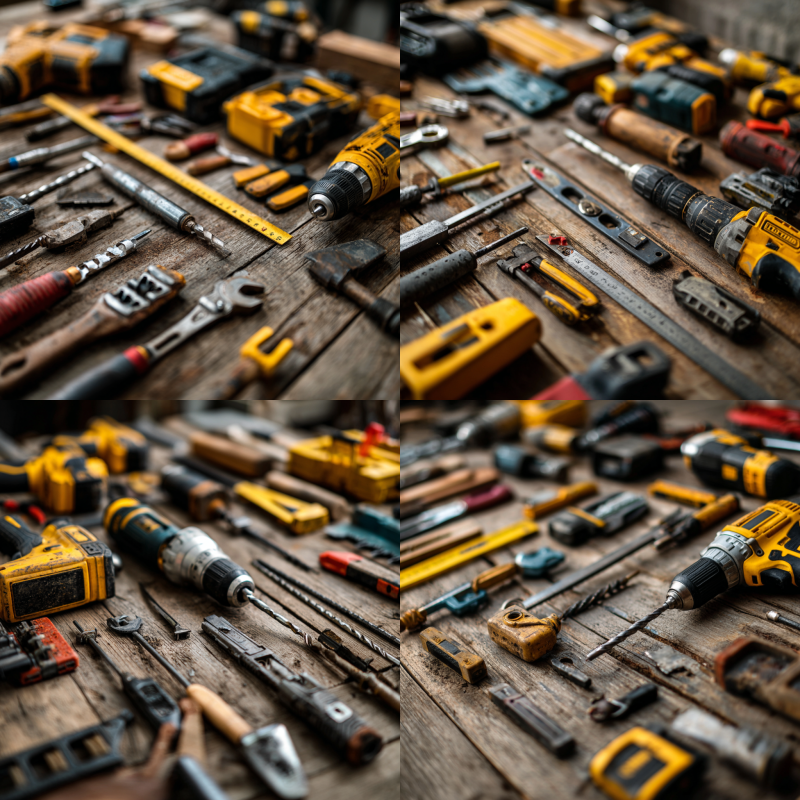
Choosing the right multi-tool comes down to matching the toolset to your actual daily tasks. A heavy-duty tool sitting in a garage drawer is useless when you need to tighten a loose screw on the go.
To find your ideal match, start by identifying your primary environment. If you work in construction or spend weekends in the wilderness, you will need heavy-duty pliers, wire cutters, and specialized saws.
Safety checks
- The best multi-tool is the one you actually have with you when something breaks.
- Weight and carry comfort are just as important as the number of functions.
- Always prioritize locking tools to prevent accidental closure on your fingers.
- Match your tool selection to your actual daily tasks, not hypothetical survival scenarios.
| Topic | When it helps | What to keep in mind |
|---|---|---|
| Category 1 | Tradespeople, contractors, and heavy DIY use where weight is not a primary concern. | These tools are heavy and bulky, often requiring a belt sheath rather than pocket carry. |
| Category 2 | General daily use, quick home fixes, and light outdoor activities. | The pliers are smaller and can pinch your hands if you apply extreme force. |
| Category 3 | Minimalists, office workers, and those who want an emergency tool backup. | They lack the leverage for tough tasks and can bend under moderate pressure. |
| Category 4 | Backpackers, campers, and wilderness survival enthusiasts. | They often omit everyday office tools like scissors or fine screwdrivers. |
| Category 5 | Cyclists, technicians, and military personnel with specific gear requirements. | They are highly specialized and perform poorly as general-purpose household tools. |
Focus strictly on the selection
Category 1. Full-Sized Heavy-Duty Multi-Tools
These are large, substantial tools designed for demanding tasks. They feature thick, full-sized pliers, heavy-duty wire cutters, and a wide array of locking implements.
- Tradespeople, contractors, and heavy DIY use where weight is not a primary concern.
- These tools are heavy and bulky, often requiring a belt sheath rather than pocket carry.
- Choose this category if you plan to replace dedicated hand tools for light-to-medium repair jobs.
- Average Weight – 8 to 12+ ounces.
- Common Carry Method – Belt Sheath.
- Primary Tool Focus – Heavy-duty pliers and wire cutters.
Category 2. Pocket-Sized Everyday Carry (EDC) Tools
The most popular category, these tools strike a balance between capability and portability. They typically weigh under seven ounces and feature a pocket clip for easy carry.
- General daily use, quick home fixes, and light outdoor activities.
- The pliers are smaller and can pinch your hands if you apply extreme force.
- Look for models with an external pocket clip so you do not need to carry a separate folding knife.
- Average Weight – 5 to 7 ounces.
- Common Carry Method – Pocket Clip.
- Primary Tool Focus – Knife blade, scissors, medium pliers.

Category 3. Keychain and Minimalist Multi-Tools
These ultra-lightweight tools are designed to live on your keyring or slip unnoticed into a coin pocket. They swap out heavy pliers for spring-action scissors or micro-pliers, focusing on small tasks like opening packages, tightening loose eyeglass screws, or pulling splinters.
- Minimalists, office workers, and those who want an emergency tool backup.
- They lack the leverage for tough tasks and can bend under moderate pressure.
- Prioritize models with a bottle opener, scissors, and a small package opener.
- Average Weight – 1 to 3 ounces.
- Common Carry Method – Keyring or pocket slip.
- Primary Tool Focus – Scissors, bottle opener, tweezers.
Category 4. Outdoor and Survival Specialists
Designed specifically for campers, hikers, and bushcrafters, these tools prioritize outdoor utility. They often include wood saws, fire-starting ferrocerium rods, emergency whistles, and carabiner clips.
- Backpackers, campers, and wilderness survival enthusiasts.
- They often omit everyday office tools like scissors or fine screwdrivers.
- Ensure the wood saw is highly rated, as this is the most used outdoor feature.
- Average Weight – 6 to 9 ounces.
- Common Carry Method – Pack strap or belt sheath.
- Primary Tool Focus – Wood saw, fire starter, plain edge blade.
Category 5. Specialty and Trade-Specific Tools
These tools are engineered for specific hobbies or professions. Examples include cycling multi-tools with chain breakers and hex wrenches, military tools with carbon scrapers and blasting cap crimpers, or electronics tools with wire strippers and precision drivers.
- Cyclists, technicians, and military personnel with specific gear requirements.
- They are highly specialized and perform poorly as general-purpose household tools.
- Only buy these if you carry them specifically for that hobby or job.
- Average Weight – Varies widely.
- Common Carry Method – Gear bag or specialized pouch.
- Primary Tool Focus – Hex keys, wire strippers, specialized bits.
Essential Features to Evaluate Before Buying
When comparing multi-tools, the quality of the materials and the safety features should dictate your choice. A tool made from cheap, soft steel will quickly dull, bend, or rust.

Safety should be your next priority. Every tool you intend to apply pressure to, especially blades and saws, must have a reliable locking mechanism.Imagine trying to cut a thick wire with soft steel cutters; the cutters will dent, ruining the tool.Do not buy a tool where the blades do not lock open.Blade Steel: Look for 420HC for budget-friendly durability, or 154CM and S30V for premium edge retention.Locking Mechanisms: Frame locks, liner locks, and back locks keep individual tools securely in place.One-Handed Opening: External blades that can be opened with a thumb stud or hole save time in tight.Replaceable Wire Cutters: Premium pliers feature bypass cutters that can be swapped out when worn.
| Steel Type | Edge Retention | Corrosion Resistance | Best Use Case |
|---|---|---|---|
| 420HC. | Moderate. | High. | Budget-friendly daily carry. |
| 154CM. | High. | Moderate. | Heavy-duty work tools. |
| S30V / CPM-S30V. | Very High. | High. | Premium, long-lasting blades. |
| Standard Stainless. | Low. | Very High. | Keychain and budget tools. |
Ergonomics and Carry Methods
A multi-tool can have twenty features, but if it hurts to squeeze the pliers, you will avoid using it. Ergonomics play a massive role in how functional a tool actually is.
How you carry the tool is just as important as how it feels in use. Pocket clips allow the tool to ride high in your pocket, keeping it accessible and preventing it from laying flat at the bottom.

If you carry a heavy tool loose in your pocket, it will bounce against your leg and ruin your pants.Avoid tools with sharp metal edges on the outside of the handle when the pliers are open, as these will dig painfully into your palm.Contoured Edges: Rounded handle scales prevent hot spots during heavy squeezing.Spring-Action Pliers: Great for reducing hand fatigue during repetitive tasks, though they add complexity.Sheath: Choose a clip for quick access and a sheath for heavy, dirty work environments.
Common Mistakes When Choosing a Multi Tool
Many buyers fall into the trap of tool count inflation. Manufacturers often list high tool counts by counting a ruler, a bottle opener, and three different flathead screwdrivers as separate tools.
Another common error is ignoring local knife laws. Many multi-tools feature locking, one-handed opening blades.
Buying a 30-in-1 tool that includes a fish scaler and a magnifying glass when you only need a screwdriver and a knife.
Do not assume more tools equals a better product.
- Prioritizing Quantity Over Quality: A few sturdy, well-made implements beat twenty flimsy ones.
- Ignoring Weight: Carrying an 11-ounce tool in lightweight summer shorts is highly uncomfortable.
- Neglecting Maintenance: Multi-tools have many moving parts that require occasional cleaning and oiling to prevent rust.
FAQs
Are multi-tools allowed on commercial flights?
Any multi-tool with a knife blade, saw, or file must be packed in checked luggage. TSA-compliant multi-tools without blades do exist, but security officers still have final discretion on whether to allow them in carry-on bags.
What is the difference between a multi-tool and a Swiss Army knife?
The primary difference is the core tool. Multi-tools are built around a pair of pliers, making them better for mechanical tasks, gripping, and wire cutting.
How do I clean and maintain my multi-tool?
Wash the tool with warm soapy water to remove dirt and pocket lint, using a toothbrush for tight crevices. Dry it thoroughly, then apply a light coat of multi-purpose oil or mineral oil to the pivots and blades to prevent rust and.
Is a locking blade necessary on a multi-tool?
While not strictly mandatory for light tasks, a locking blade is highly recommended for safety. It prevents the blade from accidentally folding back onto your fingers if you apply pressure at an awkward angle.
Conclusion
Choosing the best multi-tool is a personal decision that requires balancing utility, weight, and comfort. By focusing on the tasks you encounter most frequently, you can avoid the weight of unnecessary tools and select a compact, reliable companion that fits your lifestyle.
Prioritize quality materials, locking safety features, and comfortable ergonomics over a high tool count. A well-chosen multi-tool will save you countless trips to the toolbox and serve as a dependable resource for years to come.
Related posts
 Which Tool Kit Is Worth Buying? How to Choose the Right Set for Your Home
Wondering which tool kit is worth buying? Compare basic household sets, mechanic kits, and power tool combos to find the best tools for your budget and…
 Which Hand Tools Are Made in the USA? Reliable Brands and Buying Rules
Discover which hand tools are still made in the USA. Compare top domestic brands, tool categories, and learn how to verify origin labels before buying. Several…
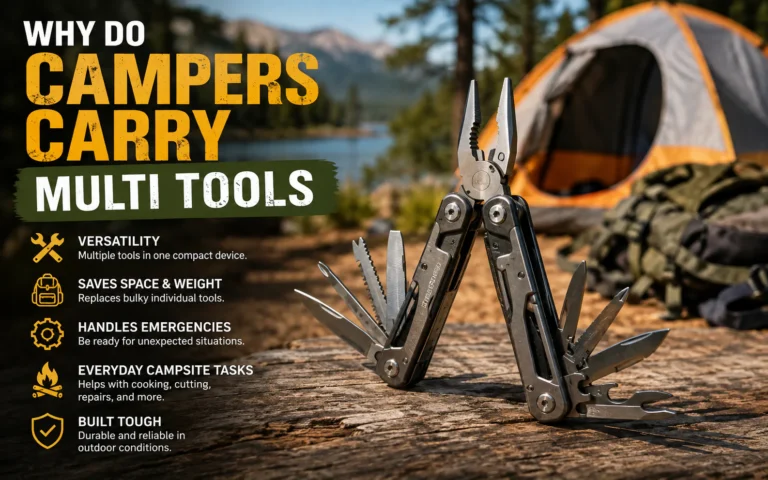 Why Do Campers Carry Multi Tools? Practical Uses in the Field
Why do Campers carry multi tools to handle gear repairs, campsite setup, food prep, and field fixes with minimal weight. Here is why one belongs in…