
How Can I Tell If An Automotive Tool Kit Is High Quality
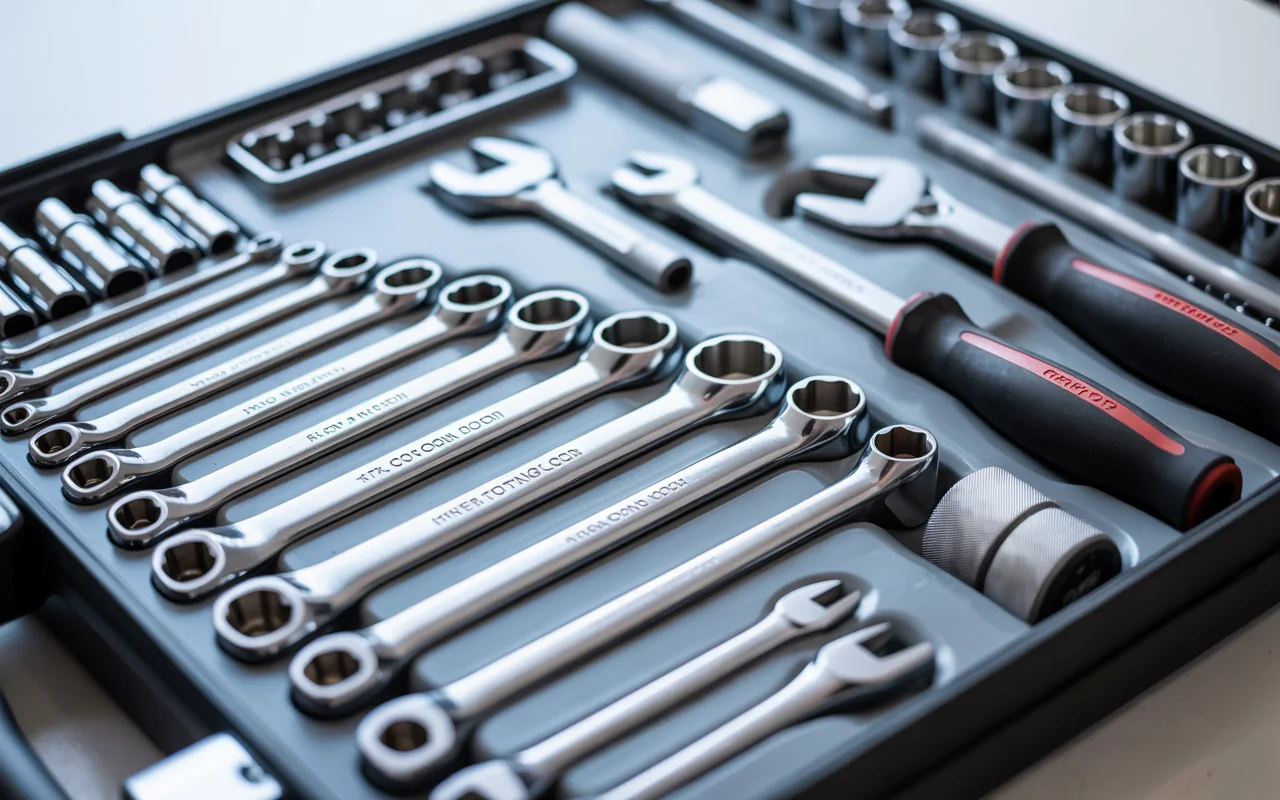
Wondering How can I tell if an automotive tool kit is high quality? Check the steel type, fit of each socket, and the warranty. This guide shows you simple, hands-on tests for real durability and value.
You open the box. New tools shine back at you. But will they last? Or will they snap the first time you really need them? How can I tell if an automotive tool kit is high quality before I spend my money? This is a question many car owners ask. And the answer is not just about the price tag.
I have fixed cars for over fifteen years. I have used cheap kits that fell apart. I have also used professional kits that still work like new after a decade. The difference comes down to a few clear things. You do not need to be a mechanic to spot quality. You just need to know what to look for.
Let me walk you through the real signs of a great tool kit. No fancy words. Just practical tips you can use at the store or when you shop online.
What Makes a Tool Kit Good or Bad?
A tool kit is a set of helpers. Each tool has one job. When all tools do that job well, the kit is good. When they fail, the kit is bad. But what causes failure? Weak metal. Loose fit. Bad design.
The best kits share three traits. First, they use strong materials. Second, each part fits snugly. Third, the maker stands behind the product. If a tool breaks, they replace it.
Let me share a quick fact from a mechanic friend. “Cheap tools cost you more in the long run,” says James Chen, a shop owner with 20 years of experience. “You buy them twice. Or you hurt your knuckles when they slip. A high quality kit pays for itself after one or two big repairs.”
So How can I tell if an automotive tool kit is high quality? Start with the metal.
Metal Type Matters More Than You Think
Not all steel is the same. Some steel bends. Some steel cracks. Some steel lasts for life. Look for two key words on the box or on the tools themselves.
Chrome vanadium steel is the gold standard for hand tools. It has a good mix of hardness and flexibility. It resists rust. It takes torque without breaking. You will often see “Cr-V” stamped on the tool.
Chrome molybdenum steel is also very good. It is common for impact sockets. These are tools you use with an impact wrench. For a basic home mechanic kit, chrome vanadium is perfect.
Avoid kits that do not list the steel type. Avoid tools that say “carbon steel” without details. Carbon steel can be too brittle. It snaps.
Here is a simple table to help you compare.
| Steel Type | Strength | Rust Resistance | Best For |
|---|---|---|---|
| Chrome Vanadium (Cr-V) | High | Good | General hand tools, sockets, wrenches |
| Chrome Molybdenum (Cr-Mo) | Very High | Good | Impact sockets, heavy use |
| Cheap Carbon Steel | Low | Poor | Avoid for automotive work |
| Stainless Steel | Medium | Excellent | Not ideal for high torque |
When you hold a tool, feel its weight. A high quality wrench or socket has a solid heft. It does not feel hollow or light. The surface should be smooth. No rough casting marks.
So again, How can I tell if an automotive tool kit is high quality by looking at metal? Find “Cr-V” or “Cr-Mo” on each piece. If the kit hides this info, walk away.
The Feel and Fit of Each Tool
Metal type is one thing. But the shape and fit matter just as much. A wrench that is too loose will round off a bolt head. A socket that wobbles will slip and hurt your hand.
Check the Ratchet and Sockets
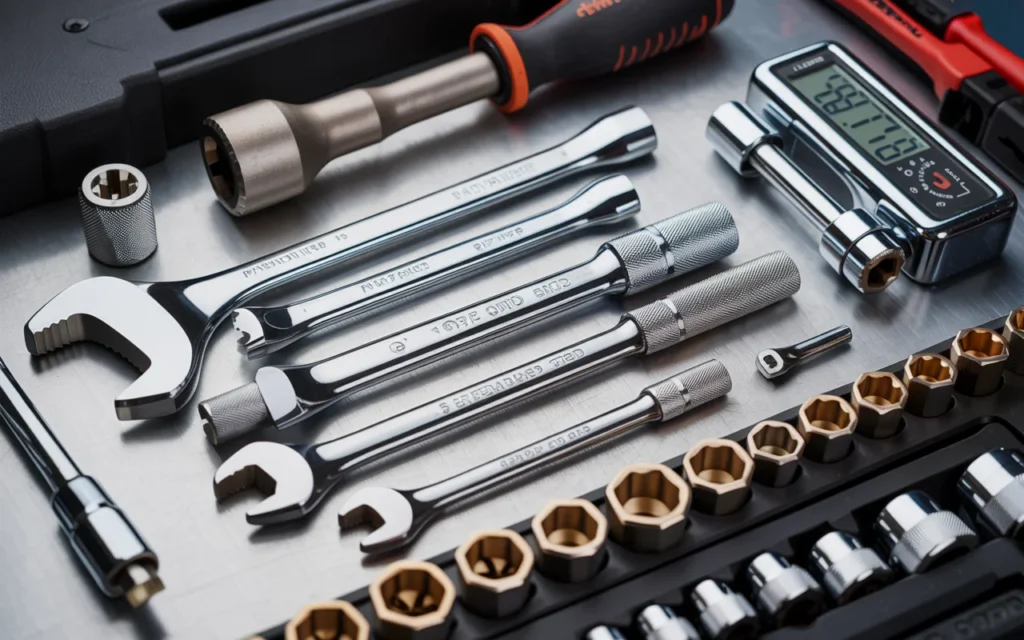
The ratchet is the heart of most tool kits. Pick it up. Turn the direction switch. Does it click firmly? Or does it feel mushy? A good ratchet has a clear, positive sound. The switch stays where you put it.
Now attach a socket. Push it onto the ratchet square drive. It should snap into place. No wobble. No play between the socket and ratchet. Pull it off. Does it come off with a light tug? Or do you have to wrestle it? Good kits use a ball detent that holds securely but releases easily.
Look inside the socket. The six-point design is best for automotive work. A six-point socket contacts the flat sides of a bolt head. A twelve-point socket contacts the corners. Corners strip easier. So choose a kit with six-point sockets for common sizes like 10mm, 12mm, 14mm, and 17mm.
Here is a second table for quick reference.
| Feature | High Quality Sign | Low Quality Sign |
|---|---|---|
| Ratchet switch | Firm click, stays put | Loose, moves on its own |
| Socket fit | Snaps on, no wobble | Loose fit, falls off easily |
| Drive direction | Easy to switch | Hard to turn or too soft |
| Socket shape | Six-point for most | Twelve-point without choice |
“Fit is everything,” says Maria Lopez, an auto instructor. “A cheap socket might look fine, but when you put force on it, it spreads open. Then the bolt gets ruined. I have seen this happen hundreds of times.”
So when you ask How can I tell if an automotive tool kit is high quality, do this simple test. Attach a socket. Wiggle it. Try to twist it by hand. No movement? Good.
Does the Case Tell a Story?
The case is not just for storage. It tells you how much care the maker put into the kit. A flimsy plastic case that cracks the first time you drop it is a red flag. A case with tight foam inserts or custom slots is a good sign.
Open the case. Are the tools loose? Do they knock against each other? That is bad. Tools should have their own spot. No metal on metal contact.
Also look at the latches. Cheap cases have thin plastic latches that break. Better cases use metal latches or thick, reinforced plastic.
I once bought a mid-price kit from a big store. The tools were okay. But the case latch broke in three months. Then the tools spilled everywhere. I lost two sockets. That kit cost me more than money. It cost me time and frustration.
A good case protects your investment. It helps you keep track of each piece. When you finish a job, every tool goes back to its home. That is how you know How can I tell if an automotive tool kit is high quality without even touching the tools. Look at the case first.
Warranty and Brand Reputation
A warranty is a promise. The best tool brands offer a lifetime warranty. If a tool breaks from normal use, they send you a new one. No questions asked.
Some big brands like Craftsman, Husky, and Pittsburgh (Harbor Freight) have this policy. But read the fine print. Some “lifetime” warranties only cover defects, not wear or damage from misuse. Others require you to mail the broken tool back at your cost.
What should you look for? A no-nonsense return policy to the store. If the brand has a local presence, that is even better. Walk in, show the broken tool, walk out with a new one.
Brand reputation is not about hype. It is about history. A brand that has been around for 50 years did not get there by selling junk. Look for names that professionals use. GearWrench, Tekton, and Icon are good examples. Do not ignore store brands if they have clear warranties.
I recommend reading customer reviews. But skip the five-star reviews that say “great product” with no details. Look for reviews that mention problems. Then see how the brand responded. A brand that answers complaints and replaces tools is a brand that cares.
How to Spot Weak Tools Fast
You do not need to be an expert. You can spot a weak tool in under one minute. Here is how.
Test the Mechanism
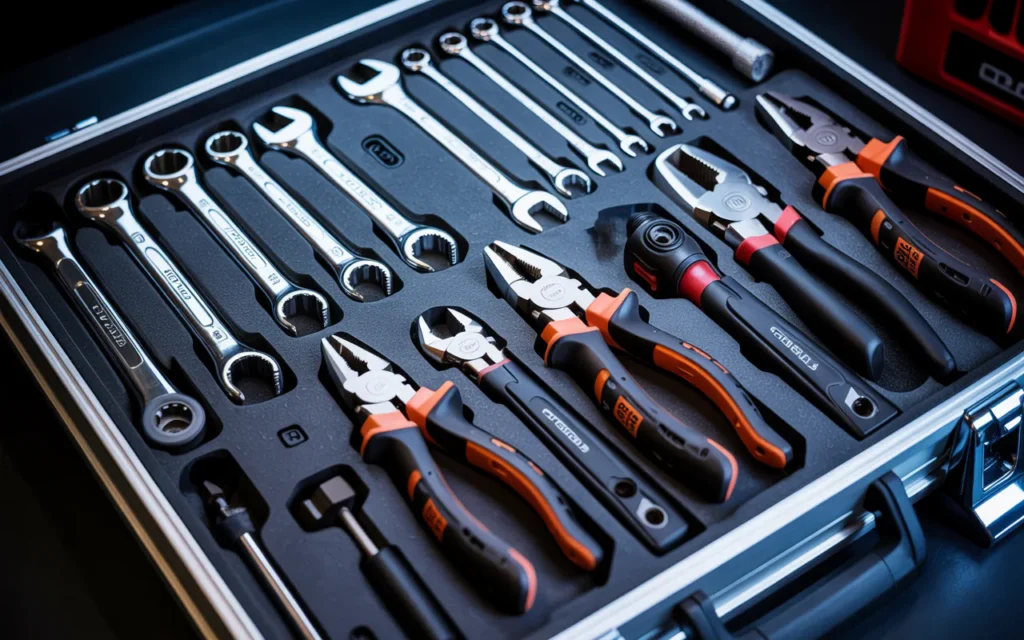
Take the ratchet. Hold the square drive. Turn the handle back and forth. Count the clicks. A fine tooth ratchet has 72 or more clicks per full turn. That means you can swing the handle in a small space. A coarse ratchet with 24 clicks needs more room to move.
Now put a socket on the ratchet. Hold the socket still with one hand. Turn the handle. Does it feel smooth? Or does it feel gritty? Gritty means bad bearings or poor machining.
Look at the chrome finish. A high quality tool has a smooth, even shine. No bubbles. No peeling. Chrome peeling is dangerous. Sharp flakes can cut your skin.
Check the edges of a wrench. Are they sharp? Cheap wrenches often have sharp corners that dig into your palm. Good wrenches have rounded, polished edges. They fit your hand better.
Another fast test: try to bend a thin wrench with your hands. You cannot bend a good one. But a cheap, soft wrench will flex. That is a clear fail.
So when you keep asking How can I tell if an automotive tool kit is high quality, remember these quick tests. They take less than a minute. They save you years of frustration.
Price vs. Value
Price alone does not tell you quality. I have seen 30kitsthatlastforyearsforlightjobs.Ihaveseen200 kits that break after one use. Value is what matters.
What is a fair price? A basic 100-piece automotive tool kit for home use should cost between 50and120. Below 50,youarelikelygettingverysoftmetalandloosefits.Above150, you are paying for a brand name or extra features you may not need.
But here is the catch. If you work on your car every week, spend more. Get a 200to300 kit with 200+ pieces. You will use the extra sizes and specialty tools.
For most drivers who just change oil, swap a battery, or fix a loose belt, a $70 kit is fine. Just check the steel type and the ratchet feel first.
What a Cheap Kit Costs You
Let me give you a real example. My neighbor bought a 25kitfromadiscountstore.Hetriedtoremovearustedbolt.Thesocketsplitopen.Hishandslippedandhitthemetalfender.Heneededthreestitches.TheERbillwas600.
The cheap kit cost him 625.A100 kit would have saved him money, pain, and time.
“Buy quality or pay twice,” says Robert Hayes, a fleet mechanic. “That is the rule I teach every new tech. Cheap tools are false economy. They fail at the worst moment.”
So when you think about How can I tell if an automotive tool kit is high quality, think about your safety. A tool that breaks under pressure is a danger. A good tool gives you confidence.
Real World Testing Tips
You cannot always open a box in the store. But you can do research online. Here are my top tips for real world testing without leaving home.
Watch video reviews. Look for people who actually use the tools. Not unboxing videos. Search for “torque test” or “destruction test” on YouTube. Watch how the tool fails. Does it bend or snap? Bending is better. Bending gives you warning. Snapping can send sharp pieces flying.
Check the return policy. Even good kits can have a bad tool. Buy from a store that lets you return individual broken tools or the whole kit. Costco, Home Depot, and Lowe’s have good return policies.
Ask a mechanic. Go to a local shop. Ask the person behind the counter. What tool kit do you keep in your personal car?” That person has no reason to lie. They will tell you what works.
Start small. If you are not sure, buy one wrench from a brand. Use it for a month. If you like it, buy the full kit. This test costs you 10to15. It is worth it.
One more thing. Avoid kits with many tiny pieces like 50 hex keys. Those are filler. They make the piece count look big. But you will rarely use them. Focus on the core tools: sockets, wrenches, ratchets, and extensions.
Frequently Asked Questions
Can I trust a no-name brand from an online store?
Sometimes yes. But you need to check reviews and photos closely. Look for real customer images. Avoid brands with no website or no contact info. A good test is to search the brand name plus “broken tool” or “warranty complaint.”
How can I tell if an automotive tool kit is high quality without opening the box?
Read the product details. Look for “chrome vanadium” or “Cr-V.” Check the warranty length. See if the seller has a physical address. Also look for a piece count that makes sense. A 50-piece kit with 20 sockets and 10 wrenches is better than a 200-piece kit with 150 hex keys.
What is the most common failure in a cheap tool kit?
The ratchet mechanism. Cheap ratchets have soft internal gears. They strip or skip under load. The second most common failure is socket walls that are too thin. They crack or spread open.
Do I really need a lifetime warranty?
For tools you use often, yes. For a spare kit you use once a year, maybe not. But a lifetime warranty shows that the maker believes in the product. That belief usually comes from good quality.
How much should I spend on my first real tool kit?
80to120 is a sweet spot. You get good steel, a decent ratchet, and a hard case. That kit will last 10 years for home use.
Conclusion
You now know the answer to How can I tell if an automotive tool kit is high quality. Look for chrome vanadium steel. Check the ratchet fit and feel. Test the socket grip. Read the warranty. Look at the case. And trust your hands.
A high quality tool kit does not have to cost a fortune. But it does have to pass these simple checks. The right kit will save you money, time, and skinned knuckles. The wrong kit will fail when you need it most.
Start with one good ratchet and a set of six-point sockets in common sizes. Build from there. Ask questions. Read real reviews. And remember that every mechanic started where you are now.
Take your time. Do not rush. Your car and your hands will thank you.
Related posts
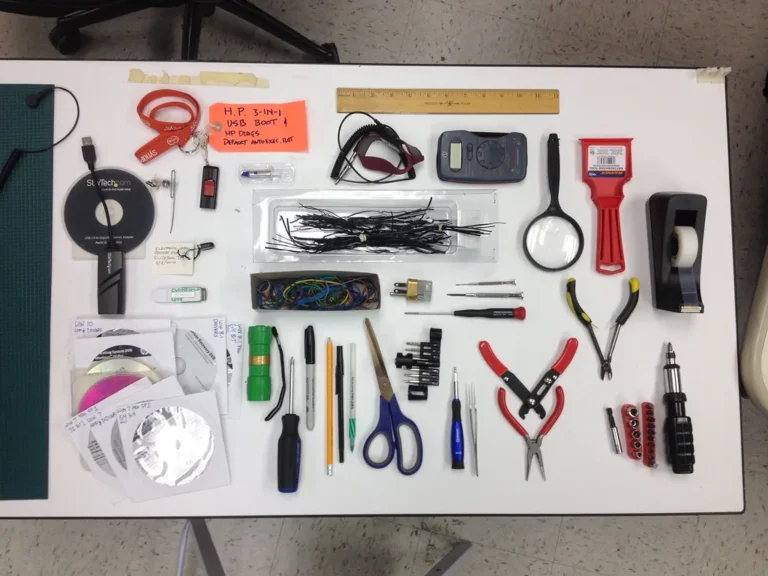 Top Starter Mechanic Tool Kits for Apprentices: Essential Sets for Your Trade
Explore top starter mechanic tool kits for apprentices. Compare sets for mechanics, electricians, and other trades to find your essential tools. Starting an apprenticeship is an…
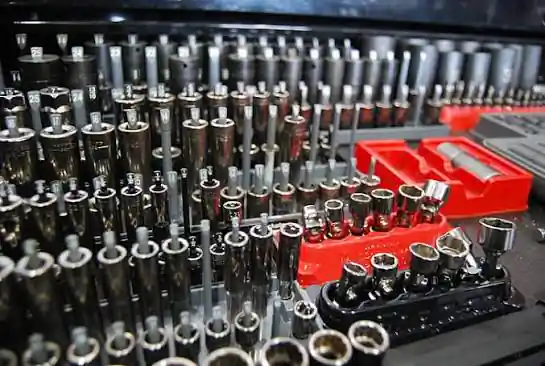 Automotive Tool Kits vs. Mechanic Tool Sets: What’s the Difference?
Understand the key differences between automotive tool kits vs. mechanic tool sets. Learn which is best for your car maintenance needs. When looking for tools to…
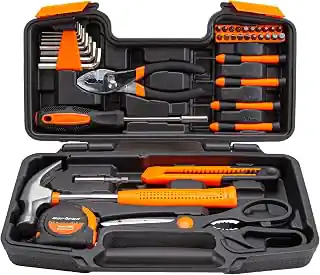 Top Automotive Tool Kits for Garage Workshops: A Buyer’s Guide
Find the top automotive tool kits for garage workshop. Compare versatile sets for car maintenance, home repairs, and DIY projects to choose the best fit. Setting…