
How To Choose The Right Tool Bag For Plumbers
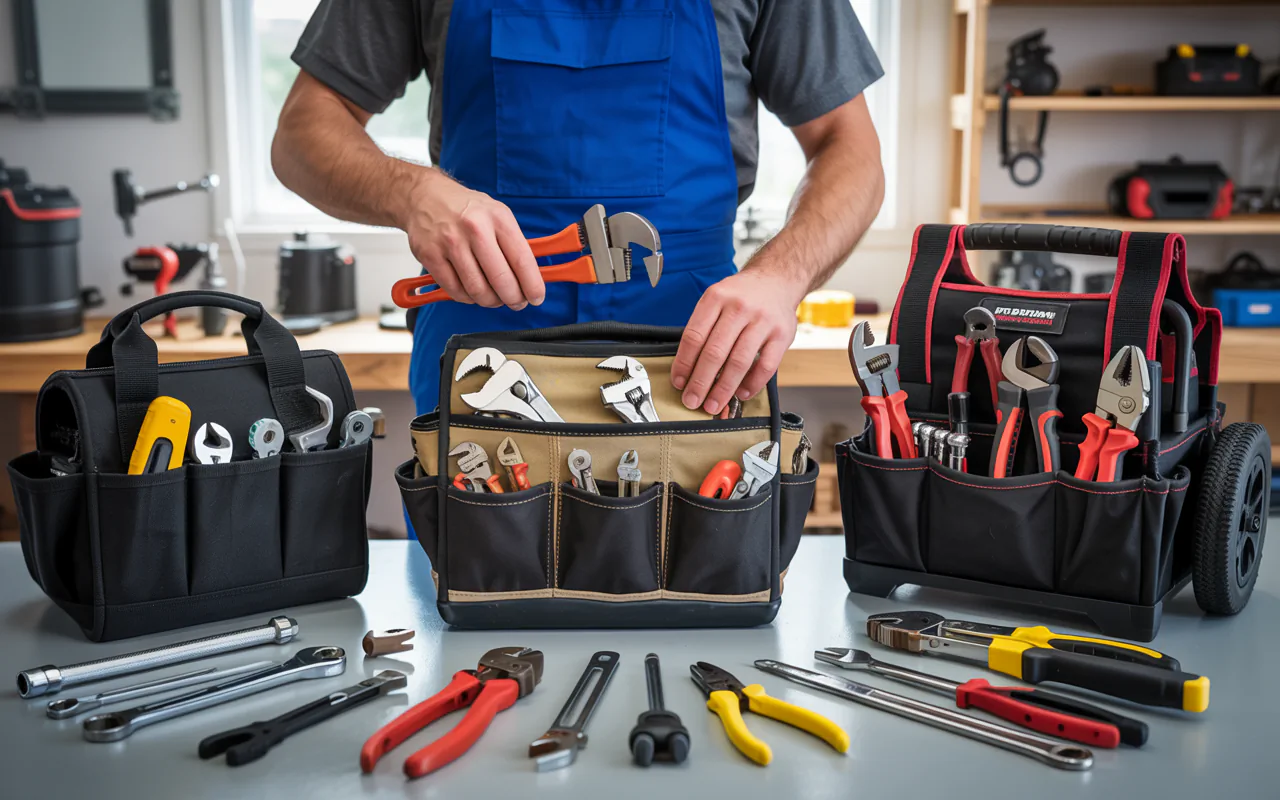
Plumbers carry heavy tools every day. Learn how to choose the right tool bag for plumbers with simple tips on size, material, pocket layout, and comfort. Find a bag that lasts and makes work easier.
If you are a plumber, you know your tools are your best friends. But where do you keep them? A good tool bag keeps everything organized, safe, and ready to use. Picking the wrong bag leads to back pain, lost tools, and wasted time. That is why you need to know how to choose the right tool bag for plumbers.
I have worked with many plumbers over the years. Some used old buckets. Others had cheap bags that broke in three months. The smart ones spent a little time learning what works. This guide will help you make a smart choice. No fancy words. Just real advice from people who carry wrenches, pipe cutters, and fittings every single day.
Let us walk through everything step by step.
Why Your Tool Bag Matters More Than You Think
Many people think any bag will do. That is a mistake. A plumber’s tool bag gets thrown into trucks, dropped on concrete, and stuffed with heavy metal tools. A poor bag falls apart fast.
But the real problem is your body. Carrying 30 pounds of tools in a bad bag hurts your shoulder and back. Over time, that pain becomes serious. A good bag spreads the weight evenly. It has padded straps and a strong bottom. It also keeps tools from poking you.
Another reason is speed. When you open a messy bag, you waste minutes finding a small fitting or a valve key. A well designed bag has many pockets. You see every tool right away. That saves you time on every job. And time is money.
So before you buy, understand that the right bag protects your tools, your body, and your schedule.
Key Factors to Consider When You Choose the Right Tool Bag for Plumbers
To choose the right tool bag for plumbers, you need to look at several things. Do not just pick the cheapest or the most expensive. Match the bag to your daily work. Here are the most important factors.
Size and Capacity
How many tools do you carry every day? Some plumbers carry ten tools. Others carry fifty. Make a list.
Small bags work for service calls where you only need basic wrenches and a few fittings. Large bags are better for new construction or jobs where you need everything. But bigger is not always better. A giant bag gets very heavy. It also does not fit in tight spaces like under a sink.
Think about the weight too. A full tool bag should not be so heavy that you cannot lift it with one hand. If you need two hands to pick it up, it is too big.
Material and Build Quality
The material decides how long your bag lasts. Look for these common materials:
- Canvas – Heavy duty and tough. Resists tears. But it can get wet and stay wet.
- Nylon – Light and strong. Dries fast. Many good bags use 600D or 1200D nylon. The higher the number, the thicker the fabric.
- Polyester – Cheaper but less durable. Fine for light use.
- Leather – Very strong and looks nice. But it is heavy and expensive.
Check the stitching too. Double stitching or reinforced corners are signs of a quality bag. Also look at the bottom. Many bags have a hard plastic or rubber base. That keeps water and dirt from ruining the bag.
Number and Type of Pockets
Pockets are where the magic happens. A bag with many pockets keeps small items like valve stems, o-rings, and bits from getting lost.
Look for both interior and exterior pockets. Exterior pockets give quick access to tools you use most often. Interior pockets keep specialty tools safe.
Also check pocket depth. Shallow pockets drop small items. Deep pockets hold long tools like screwdrivers and pipe reamers.
Some bags have elastic loops. These are great for pliers and wrenches. Each tool has its own spot. That makes packing and finding things very easy.
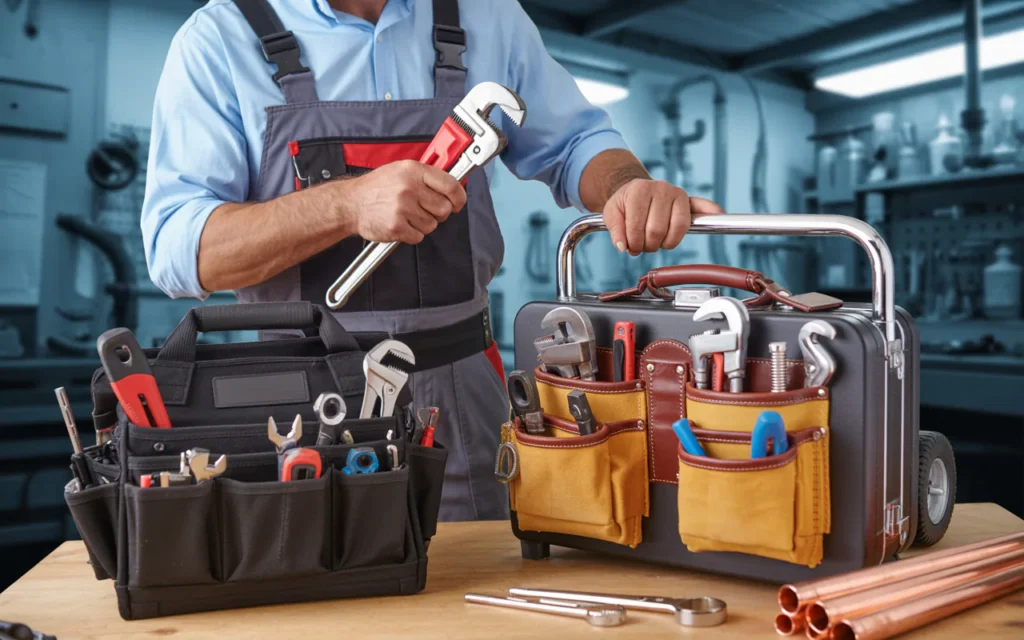
Closure Systems
How does the bag close? Zippers are common. But cheap zippers break fast. Look for heavy duty zippers with large teeth. Some bags use buckles or velcro. Buckles are strong but slow to open. Velcro is fast but wears out and gets noisy.
For open top bags, you do not have a closure. That is fine if you keep the bag in your truck. But if you carry it in rain or mud, a closed top is better.
Carrying Style: Tote, Backpack, or Rolling Bag?
This is a big choice. Each style fits different work.
Open Tote Bags
These look like a box with a handle in the middle. You grab and go. They are simple and cheap. Tools sit upright so you see everything. The downside is weight. All the weight pulls on one hand or shoulder. Long walks hurt.
Backpack Style
Backpacks spread weight on both shoulders. Your back and hips carry the load. This is much better for walking far or climbing stairs. Many plumbers love backpacks. They also keep your hands free to carry pipe or a ladder.
The only problem is access. You have to take off the backpack to get tools. But good backpacks open wide like a suitcase.
Rolling Tool Bags
These have wheels and a handle. You pull them like luggage. They are perfect for very heavy loads or for plumbers with back problems. Rolling bags work great on smooth floors. But stairs, gravel, or mud make them useless. They also take up more space in your truck.
Weight of the Empty Bag
A heavy bag before you put tools in is bad. Some bags weigh 8 pounds empty. Add 30 pounds of tools, and you have 38 pounds. That is a lot.
Look for lightweight materials. Nylon bags often weigh less than canvas or leather. A good empty weight is 3 to 5 pounds for a medium bag.
Price and Warranty
Good tool bags cost between $40 and $150. Very cheap bags under $20 break in weeks. Very expensive bags over $200 are for special needs.
Spend around $60 to $100 for a bag that lasts years. Also check the warranty. Some brands offer lifetime warranties. That is a sign of confidence.
Table 1: Comparing Tool Bag Types for Plumbers
| Type | Best For | Pros | Cons |
|---|---|---|---|
| Open Tote | Quick jobs, small tool sets | Easy access, low cost, simple design | Uneven weight, hurts one shoulder, tools can fall out |
| Backpack | Long walks, stairs, many tools | Balanced weight, hands free, good organization | Must take off to access, can be bulky |
| Rolling Bag | Very heavy loads, smooth surfaces | No lifting, large capacity | Bad on stairs and dirt, takes truck space |
| Bucket Organizer | Tight spaces, cheap solution | Very low cost, fits standard bucket | No protection from rain, bucket gets heavy |
Table 2: Material Comparison for Tool Bags
| Material | Durability | Water Resistance | Weight | Cost | Best Use |
|---|---|---|---|---|---|
| 600D Nylon | Medium | Good | Light | Low | Light duty, occasional use |
| 1200D Nylon | High | Very good | Medium | Medium | Daily use, all around best |
| Heavy Canvas | High | Poor (absorbs water) | Heavy | Medium | Dry conditions, rough handling |
| Leather | Very high | Good (if treated) | Very heavy | High | Long term investment, appearance matters |
| Polyester | Low | Medium | Light | Very low | Home use, not for pros |
Real Advice From Plumbers
I spoke with plumbers who have used many bags. Here is what they said.
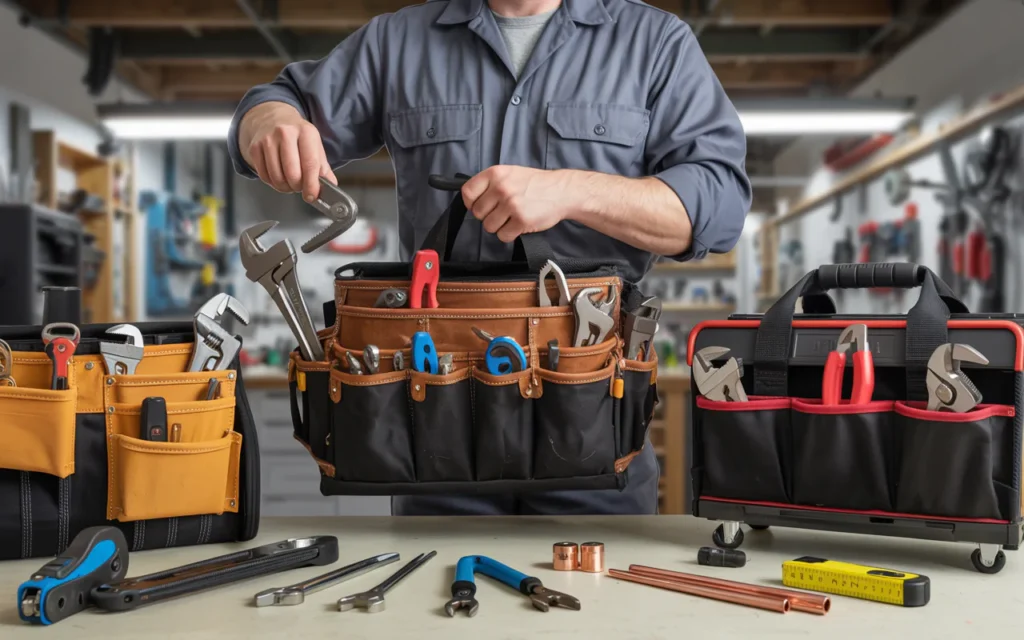
“A good tool bag saves you time every day. I used to spend five minutes looking for my basin wrench. Now I have a pocket just for it.”
— Mike Reynolds, Master Plumber (22 years experience)
Mike is right. Organization is speed. When you choose the right tool bag for plumbers, you are choosing faster work.
“Don’t go cheap on your bag. It holds your living. I bought a $20 bag and it ripped on a job. Tools scattered everywhere. I learned my lesson.”
— Sarah Jenkins, Plumbing Contractor (15 years experience)
Sarah’s story is common. A broken bag at the wrong time costs more than a good bag.
“I learned that weight matters more than size. My first bag was huge. I could carry everything. But my back hurt so bad after a week. Now I carry a smaller backpack and leave extra tools in the truck.”
— Tom Harris, Field Plumber (10 years experience)
Tom makes a great point. Do you need every tool on every job? Probably not. Carry only what you use most days.
How to Maintain Your Tool Bag
A good bag lasts years if you take care of it. Here are simple tips.
Clean it often. Dirt and mud get into zippers and seams. Brush off dry dirt. For wet mud, rinse with a hose. Let the bag dry fully before storing.
Check for damage. Look at the bottom and straps every month. If you see loose threads, fix them early. A small tear becomes a big hole fast.
Do not overload. Every bag has a limit. Too much weight stretches the fabric and breaks zippers. If your bag bulges, remove some tools.
Store it right. Do not leave your bag in direct sunlight for weeks. UV rays weaken nylon and polyester. Also keep it off wet ground.
Lubricate zippers. A little wax or zipper lubricant keeps zippers moving smooth. This stops them from jamming.
Frequently Asked Questions
1. How do I know what size tool bag I need?
List your daily tools. Lay them on a table. Measure the width, height, and depth of the pile. Then add 2 inches to each measurement. That is your minimum bag size. If you carry more tools in winter or for special jobs, get a slightly bigger bag.
2. Can I use a regular backpack as a tool bag?
You can, but it is not a good idea. Regular backpacks have thin fabric and weak zippers. Heavy tools poke through. Also the pockets are not made for wrenches or cutters. A real tool backpack has reinforced bottoms, many small pockets, and tool loops.
3. How often should I replace my tool bag?
A quality bag used daily lasts 2 to 5 years. If you see tears, broken zippers, or worn straps that hurt your shoulder, replace it. Do not wait until it fails on a job.
4. Are waterproof tool bags worth it?
For plumbers who work outside in rain or near wet areas, yes. Waterproof bags keep rust off your tools. But most bags are water resistant, not fully waterproof. That is enough for most jobs. If you work in heavy rain often, look for bags with sealed zippers and coated fabric.
5. What is the best brand for plumber tool bags?
Many good brands exist. Some popular ones are Veto Pro Pac, Klein Tools, Milwaukee, and CLC. But the best brand is the one that fits your work style. Try a friend’s bag first if you can. Or buy from a store with a good return policy.
6. Should I get a bag with a hard bottom?
Yes, if you can. A hard plastic or rubber bottom keeps your bag dry when you set it on wet floors. It also stops tools from poking through the bottom. Many good bags have this feature.
7. How many pockets do I really need?
At least 10 to 15 pockets for a service plumber. You need spots for screwdrivers, pliers, cutters, tape, fittings, and small parts. Fewer pockets mean more clutter. But too many pockets can be confusing. Look for a mix of sizes.
8. What is the best way to organize tools inside the bag?
Group similar tools. Put heavy tools near the bottom and center. Put light tools on top. Keep often used tools in outside pockets. Use small zipper pouches for tiny parts. Clean out the bag every month. Remove tools you did not use.
Conclusion
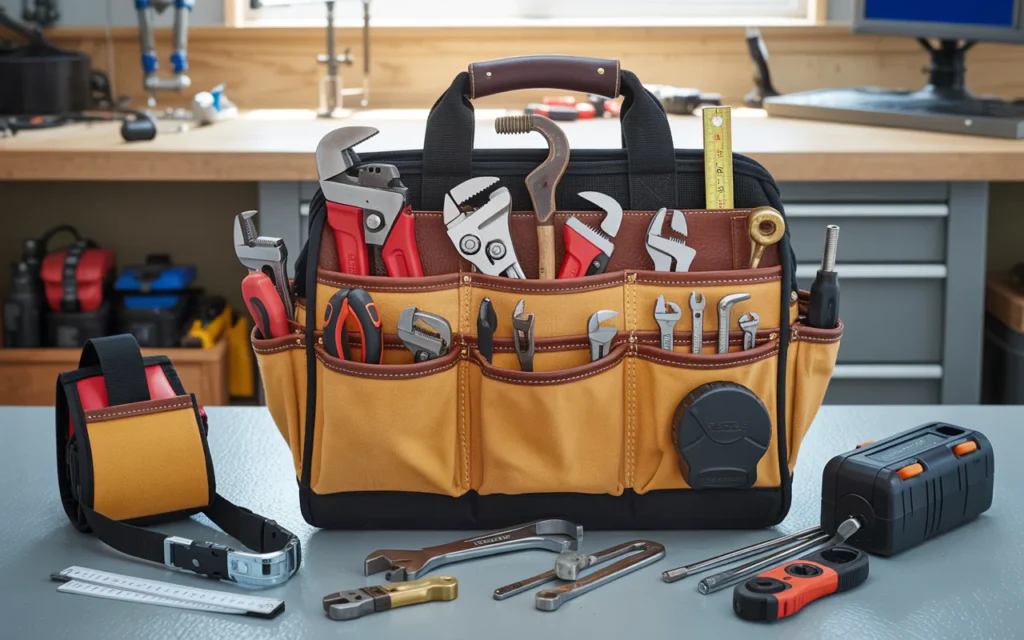
Learning how to choose the right tool bag for plumbers is not hard. You just need to think about your daily work. Ask yourself: How many tools do I carry? Where do I work? Do I walk a lot or drive close to each job?
A good bag keeps your tools safe, your body happy, and your work fast. Look for strong material like 1200D nylon. Pick a size that fits your normal load. Choose a carrying style that matches your jobsite. Check the pockets and zippers before you buy.
Remember the plumbers we heard from. Mike values time. Sarah learned the hard way about cheap bags. Tom found that weight matters more than size. Their experience can save you from mistakes.
Take your time. Read reviews. If possible, visit a store and lift the bag empty and with some tools. Feel the straps. Open and close the zippers.
When you finally choose the right tool bag for plumbers, you will notice the difference. Your shoulder hurts less. You find tools faster. Your bag lasts for years instead of months. That is a win for your body, your wallet, and your work.
Related posts
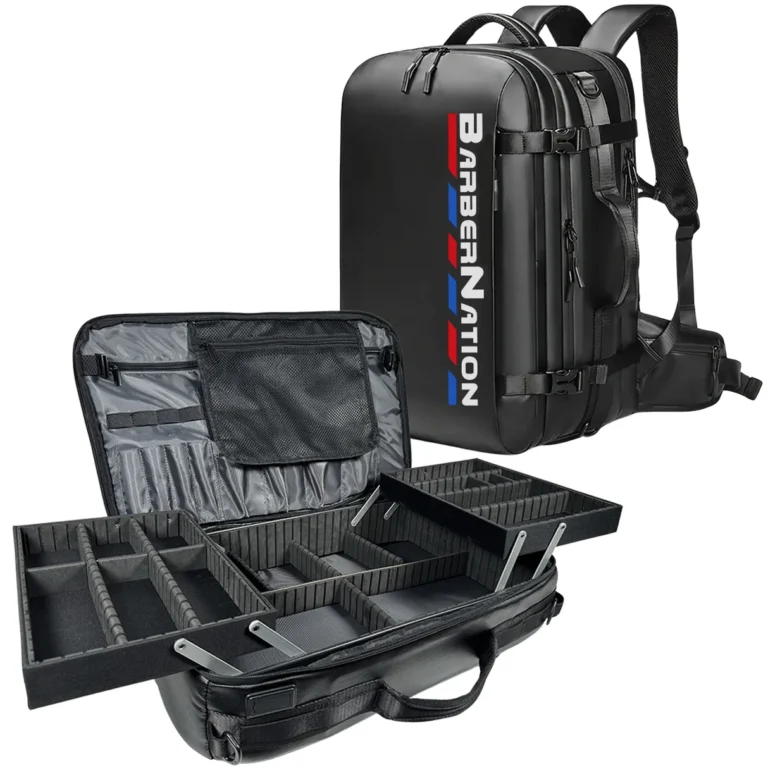 Top Tool Bags for Mobile Contractors: 2026 Buyer Guide
Discover the top tool bags for mobile contractors in 2026. Compare durable totes, backpacks, and multi-pocket organizers to find the best fit for your gear. For…
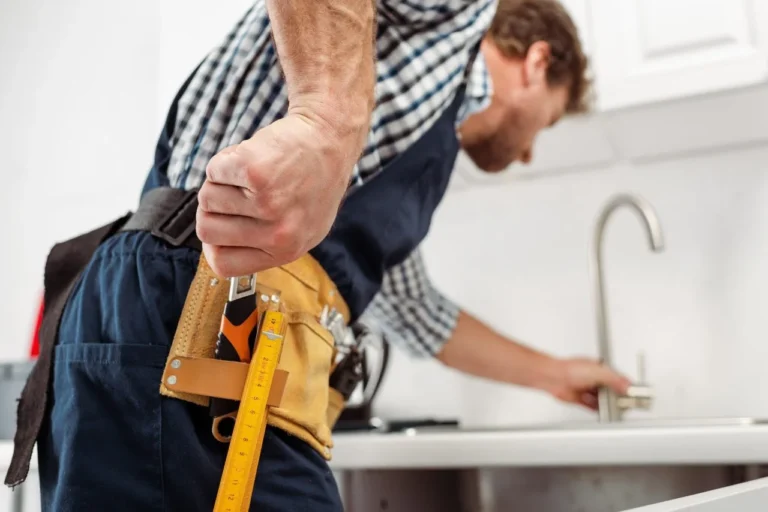 Top Tool Bags for Plumbers: 2026 Selection Guide
Discover the top tool bags for plumbers in 2026. We compare durable, multi-pocket storage solutions to help you organize your gear effectively on the job. Plumbing…
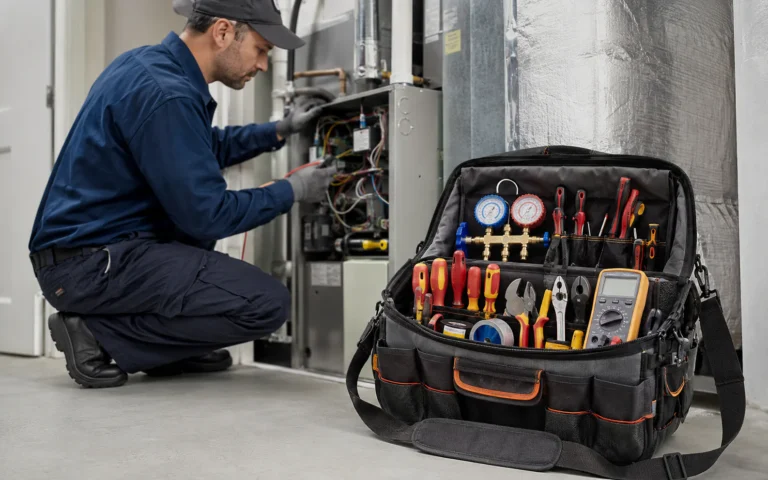 Best Tool Bag for HVAC Technicians in 2026
Find the right tool bag for HVAC technicians with our 2026 guide. Compare top-rated bags, backpacks, and pouches to keep your gear organized and protected. As…