
Are Expensive Tools Worth It
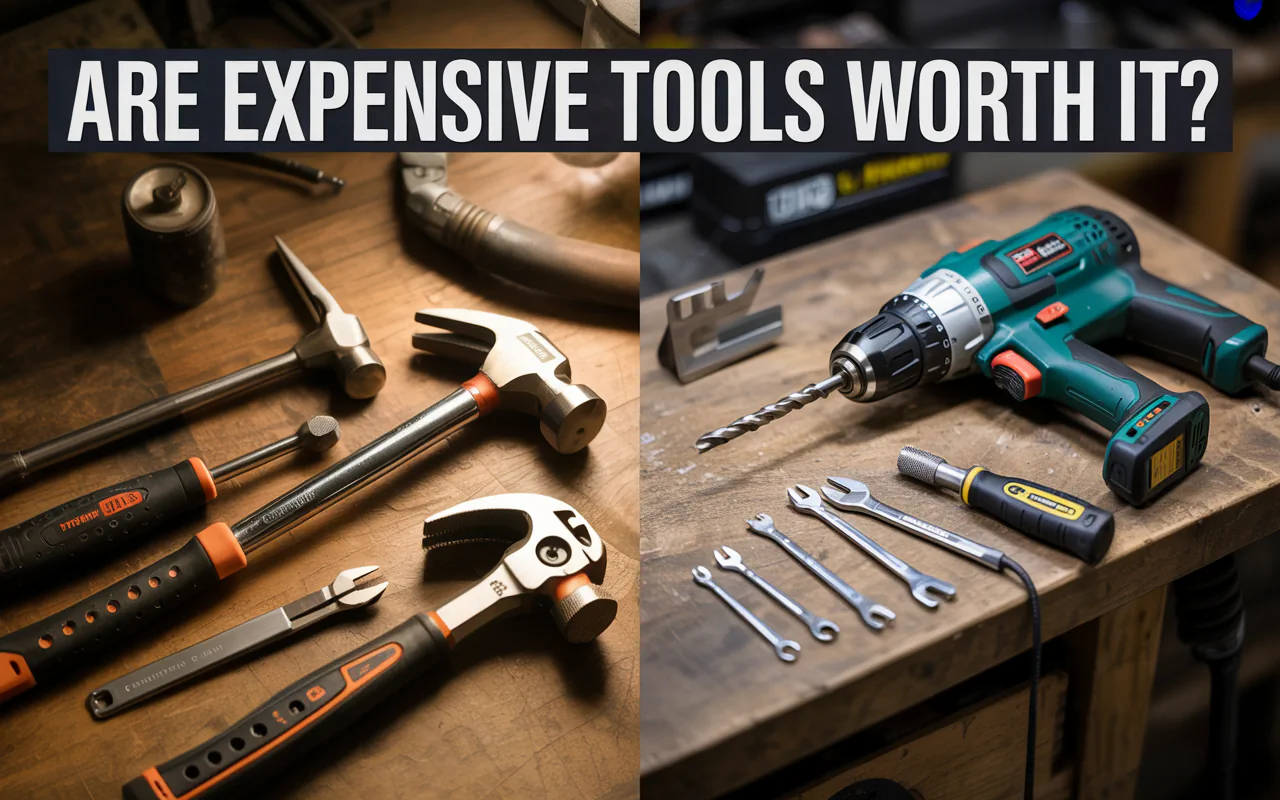
Ask yourself are expensive tools worth it before you buy. The short answer: sometimes yes, often no. This guide helps you decide based on facts, not hype.
Every time you walk into a hardware store or browse online, you face the same question. Do you buy the budget hammer for $10 or the premium one for $60? Does the expensive drill really drill better holes? Will that high end kitchen knife make your dinner taste different?
This question follows you across every purchase. Tools for your home, car, garden, or workshop all come with cheap and expensive options. And the marketing always whispers that you need the best. But your wallet says something else.
Let me help you think through are expensive tools worth it in a way that saves you money and frustration. I have used cheap tools that broke on first use. I have also owned expensive tools that sat in a box for years. The real answer depends on you, your work, and your patience.
Table 1: When Expensive Tools Make Sense vs When They Don’t
| Situation | Choose Expensive | Choose Budget |
|---|---|---|
| You use the tool daily for work | Yes | No |
| You need high precision (like woodworking) | Yes | Maybe |
| You use the tool once a year | No | Yes |
| Safety is a major concern | Yes | No |
| You are learning a new skill | No | Yes |
| The tool has few moving parts (like a wrench) | No | Yes |
What Does “Expensive” Really Mean for Tools?
Price is not always about quality. Sometimes you pay for a brand name. Sometimes you pay for better materials. Other times you pay for a warranty or customer service.
Let me give you a clear example. Two drills can look the same. One costs $80. The other costs $250. The expensive one might have a metal gearbox inside. The cheap one might use plastic gears. The expensive one might include a five year warranty. The cheap one gives you 90 days.
But here is the tricky part. The $80 drill might last ten years if you only drill five holes per month. The $250 drill might also last ten years. So you spent an extra $170 for nothing.
That is why are expensive tools worth it has no single answer. You must match the tool to your actual use.
How Often Will You Use the Tool?
This is the number one question. Frequency changes everything.
Daily Professional Use
If you work with a tool eight hours a day, buy the expensive version. Why? Because downtime costs you money. A broken $50 tool at 9 AM means lost work, lost clients, and frustration. A $300 tool that runs for three years without trouble pays for itself quickly.
I know a carpenter who buys only Festool sanders. They cost over $500 each. But he sands eight hours a day. Cheap sanders lasted him three months. Expensive sanders last three years. Do the math. Three years of work from one tool versus four cheap sanders in the same time. The expensive one actually costs less per year.
Monthly Home Use
This is where most people live. You fix things on weekends. You build a shelf twice a year. You change your car oil every few months.
For monthly use, the answer to are expensive tools worth it is usually no. A mid range tool often works fine. A $100 circular saw cuts wood just as straight as a $400 saw when you only cut ten boards a month.
The key difference is comfort and time. Expensive tools often feel better in your hand. They vibrate less. They have nicer switches. But if you hold the tool for five minutes per month, does that matter? Probably not.
Yearly or Rare Use
Do not buy expensive tools for rare jobs. Rent them instead. Or buy the cheapest version that gets the job done once.
For example, a drain snake. You might need one every two years. Buy a $30 manual snake from a discount store. It will clear that one clog. Then it sits in your basement. That is fine. A $200 electric snake would be a waste.
The same goes for tile cutters, pipe benders, large wrenches, and many specialty tools.
Quote 1:
“Buy cheap, buy twice. But buy expensive, and you might still buy twice if you don’t need the features.”
— Tom Silva, contractor and TV host
Precision and Safety: Two Places Where Expensive Tools Win
Some jobs demand accuracy. Some jobs demand protection. In these cases, are expensive tools worth it becomes a clear yes.
Precision Tools
Think about measuring and cutting. A cheap tape measure can be off by 1/8 inch over eight feet. That is fine for hanging a picture. That is not fine for building a cabinet. A $20 tape measure from a good brand stays accurate for years. A $5 tape measure might stretch or warp.
Same with squares, levels, and calipers. If your work needs exact numbers, pay for quality. You cannot fix a crooked cut after the fact.
Safety Tools
Never buy the cheapest safety glasses, gloves, or respirators. Your eyes and lungs have no replacement. A $10 pair of safety glasses with anti fog coating is worth every penny. A $2 pair that scratches and fogs up will annoy you so much that you stop wearing them. Then you get hurt.
Same with hearing protection. Cheap foam earplugs work fine. But cheap electronic earmuffs that fail to block sudden loud noises are dangerous. Read reviews. Spend the extra money.
For ladders, jack stands, and electrical testers, always buy from trusted brands. Your life depends on these tools.
The Hidden Cost of Cheap Tools
Cheap tools have costs beyond the price tag.
First, they break at bad times. You are in the middle of a project on a Sunday evening. Your cheap drill stops working. Now you cannot finish. You waste time driving to a friend’s house or waiting for a store to open. That time has value.
Second, cheap tools can damage your materials. A dull cheap saw blade tears wood instead of cutting it. You ruin an expensive piece of oak. A cheap wrench slips and strips a bolt. Now you need a bolt extractor kit. Suddenly your $10 wrench cost you $40 in extra parts and two hours of work.
Third, cheap tools cause frustration. They feel bad. They perform poorly. They make you hate the job. That frustration leads to rushed work and mistakes.
So when you ask are expensive tools worth it, remember that cheap tools carry hidden risks and hidden costs.
Quote 2:
“I have never met a professional who regrets buying a quality tool. But I have met many homeowners who regret buying tools they never used.”
— Myron Ferguson, drywall contractor and author
Table 2: Cost Per Use Calculation Example
| Tool | Purchase Price | Times Used Per Year | Years Used | Total Uses | Cost Per Use |
|---|---|---|---|---|---|
| Cheap drill | $50 | 12 | 3 | 36 | $1.38 |
| Expensive drill | $200 | 12 | 8 | 96 | $2.08 |
| Cheap sander | $40 | 4 | 2 | 8 | $5.00 |
| Expensive sander | $180 | 4 | 10 | 40 | $4.50 |
Notice how the expensive sander becomes cheaper per use over time because it lasts longer. The expensive drill costs more per use in this example because the cheap drill lasted long enough for the use level.
Always do this math before you buy.
Brand Names vs Real Quality
Not every expensive tool delivers real quality. Some brands charge more for marketing, not materials.
How do you spot the difference? Look at three things.
Materials: Does the tool use metal where it matters? Plastic can be fine for handles. But gears, blades, and connection points should be metal on any tool over $100.
Warranty: A company that offers a three year or lifetime warranty trusts its own product. A 90 day warranty means the company expects returns.
Replacement Parts: Can you buy a new switch, cord, or blade for the tool? Expensive tools often sell parts. Cheap tools usually do not. If a $5 switch fails on a $200 tool, you fix it. If the same switch fails on a $50 tool, you throw the whole thing away.
Do not trust a brand just because it costs more. Read independent reviews. Watch repair videos. See what people say after owning the tool for two years, not two days.
The Beginner’s Trap: Buying Expensive Tools Too Early
New hobbyists often make the same mistake. They buy expensive tools before they know what they actually need.
You see a beautiful woodworking set for $800. You imagine all the furniture you will build. Then you build one crooked shelf and lose interest. The tools sit in a box.
Start cheap. Buy a $30 handsaw, a $20 square, and some sandpaper. Build that shelf. If you love the process, upgrade one tool at a time. You will appreciate the expensive tool more because you felt the limits of the cheap one.
I learned this with cooking knives. I bought a $200 chef’s knife as a beginner. It was too sharp. I cut myself twice. I was afraid of it. I bought a $15 knife from a restaurant supply store. That knife taught me how to hold, sharpen, and respect a blade. Now I use the expensive knife and love it. But I was not ready for it at first.
So before you ask are expensive tools worth it, ask yourself: am I experienced enough to benefit from this tool?
Quote 3:
“The best tool is the one you have with you. The second best tool is the one you can afford to replace when it breaks.”
— Adam Savage, maker and former MythBusters host
How to Split the Difference: Buy Smart, Not Just Cheap or Expensive
You do not have to choose only the cheapest or the most expensive. Smart buyers find the middle ground.
Buy Expensive For:
- Tools with motors you use weekly (drills, saws, sanders)
- Safety gear (glasses, gloves, respirators, hearing protection)
- Precision measuring tools (calipers, squares, levels)
- Anything that could hurt you badly if it fails (jacks, ladders, electrical testers)
Buy Cheap For:
- Simple hand tools with no moving parts (hammers, wrenches, screwdrivers)
- Tools you need for exactly one project
- Beginner versions of any tool
- Items you might lose (utility knives, tape measures, pencils)
Buy Used For:
- Expensive tools you will use rarely
- Cast iron tools (table saws, jointers) that last decades
- Brand name tools from people who upgraded
Used tools save you a lot of money. A $400 drill press on Facebook Marketplace for $150 works just as well. Just test it before you pay.
Real Life Examples: Three People, Three Answers
Let me show you how are expensive tools worth it changes based on the person.
Maria the electrician: She uses her wire strippers every day. She bought the $45 Klein brand strippers. They have lasted six years. Cheap $10 strippers lasted her six months before getting dull. For Maria, expensive is worth it.
James the renter: He moves apartments every two years. He owns a basic $30 tool kit from a discount store. He hangs pictures, tightens loose screws, and assembles IKEA furniture. His tools work fine. Expensive tools would be wasted on him.
Linda the gardener: She bought a $200 stainless steel shovel. She gardens four hours every weekend. The cheap $25 shovel she first owned bent after one season. Her expensive shovel has a lifetime warranty and a fiberglass handle that does not break. After three years, she is happy with her choice.
See how the answer changes? No single right answer exists.
Frequently Asked Questions
1. Are expensive tools worth it for home DIY projects?
Usually no. Most home projects need a tool only a few times. Buy mid range or borrow from a neighbor. Save expensive purchases for tools you use monthly or more.
2. Which expensive tool is most worth the money?
A good cordless drill from a known brand (DeWalt, Milwaukee, Makita, Bosch). You will use it more than any other power tool. The battery system matters too.
3. Are cheap tools dangerous?
Some are. Cheap grinders can shatter. Cheap ladders can buckle. Cheap electrical testers can give false readings. For safety tools, buy from trusted brands even if they cost more.
4. How can I test if an expensive tool is worth it?
Rent or borrow one first. Use it for a weekend. See if the extra comfort, power, or precision actually helps you. If you do not notice a difference, buy the cheaper version.
5. Are expensive hand tools like wrenches worth it?
For most people, no. A $10 wrench turns the same bolt as a $40 wrench. But if you use wrenches daily, buy a brand like Snap On or Proto. The fit and finish reduce slipped bolts and skinned knuckles.
6. Do expensive tools last longer?
Often yes, but not always. A cheap tool that you use twice a year can last decades. An expensive tool used hard every day might last five years. Match the tool to your use level.
7. What about tool brands from Home Depot or Lowe’s?
House brands like Ryobi, Kobalt, and Husky offer good value. They sit between cheap and expensive. For most homeowners, these are the smart choice. You get decent quality without the professional price.
8. Should I buy an expensive tool set or individual tools?
Buy individual tools. Sets often include pieces you never need. You pay for a case and five wrenches when you only wanted two. Buy exactly what you need.
9. Are expensive tools worth it for a gift?
Only if the person asked for that specific tool. Do not guess. A $300 tool they do not want is worse than a $50 gift card to a hardware store.
10. Can expensive tools be a bad investment?
Yes. If you buy a tool and never use it, any price is too high. Also if you lose tools often, buy cheap. Losing a $10 tape measure hurts less than losing a $60 one.
Conclusion
So let me give you the honest answer to are expensive tools worth it.
Expensive tools are worth it when you use them often, need precision, or depend on them for safety. They are not worth it when you use a tool rarely, just started learning, or can rent instead.
Most people should buy cheap or mid range for their first version of any tool. Use it until it breaks or until you feel its limits. Then upgrade. This way you never waste money on features you do not need.
Remember the cost per use formula. Remember that time and frustration have value too. And remember that no tool, no matter how expensive, can replace skill and practice.
Buy what you need today. Borrow what you can. Rent what you rarely use. And ignore the marketing that tells you that you need the best. You need the right tool for your actual life, not for someone else’s Instagram feed.
Now go fix something with whatever tool you already have. That is always the best place to start.
Related posts
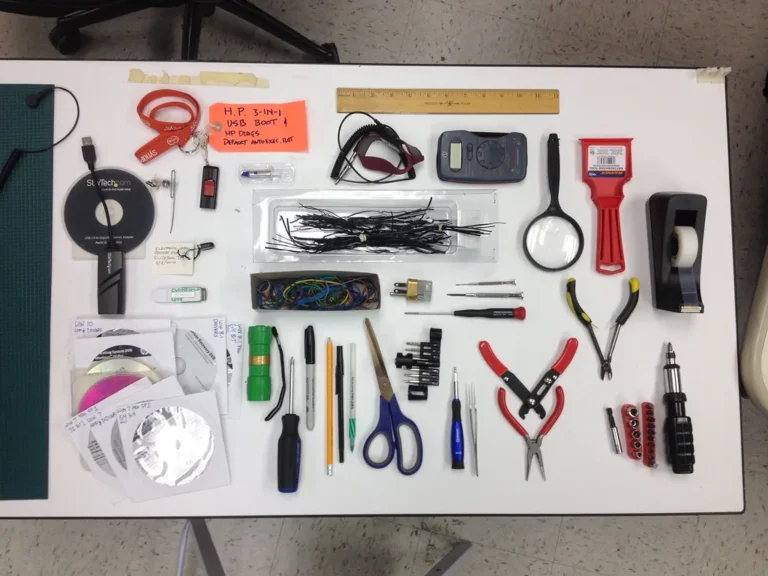 Top Starter Mechanic Tool Kits for Apprentices: Essential Sets for Your Trade
Explore top starter mechanic tool kits for apprentices. Compare sets for mechanics, electricians, and other trades to find your essential tools. Starting an apprenticeship is an…
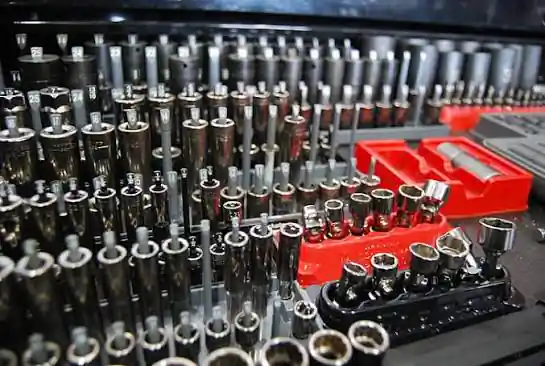 Automotive Tool Kits vs. Mechanic Tool Sets: What’s the Difference?
Understand the key differences between automotive tool kits vs. mechanic tool sets. Learn which is best for your car maintenance needs. When looking for tools to…
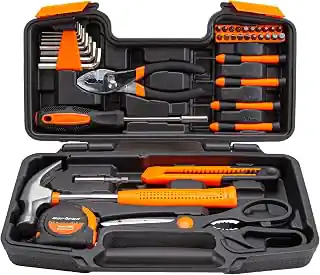 Top Automotive Tool Kits for Garage Workshops: A Buyer’s Guide
Find the top automotive tool kits for garage workshop. Compare versatile sets for car maintenance, home repairs, and DIY projects to choose the best fit. Setting…