
What Are The Benefits Of A Tool Bag
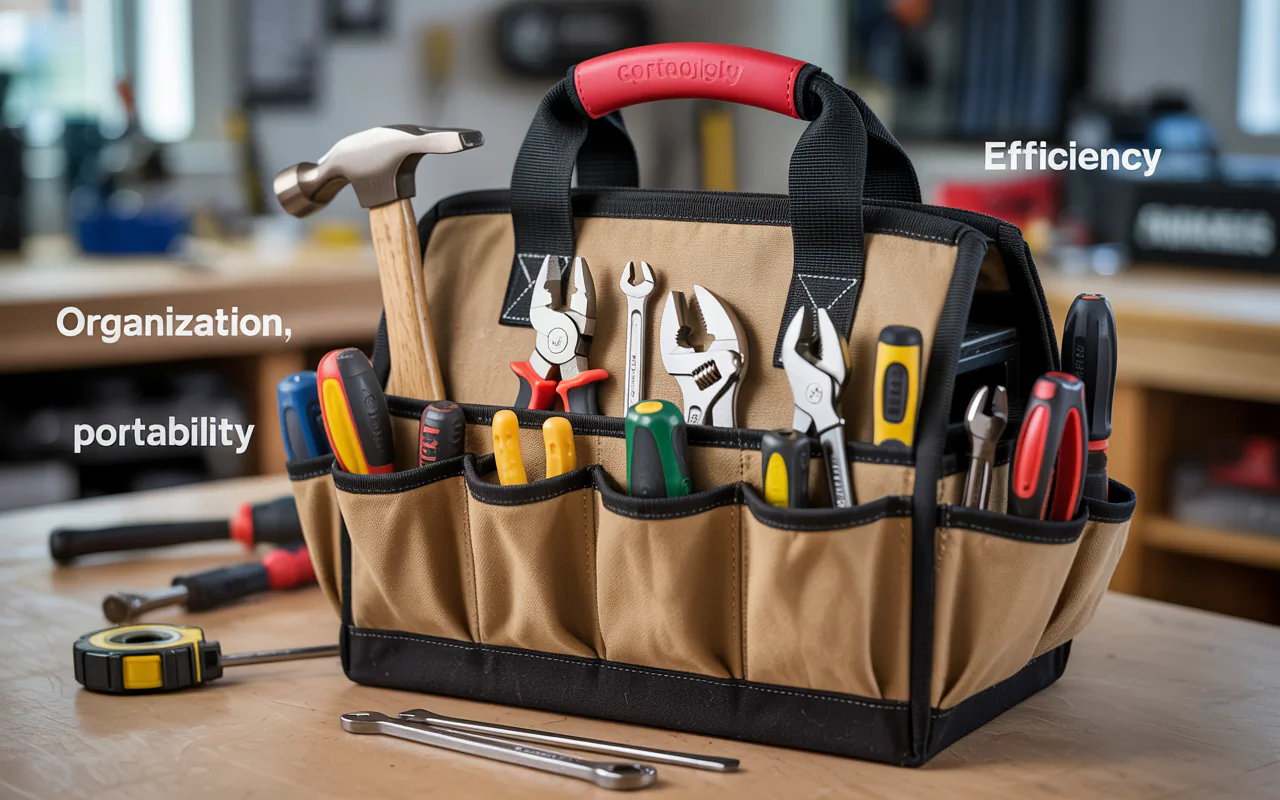
If you want to learn the benefits of a tool bag, here is the answer: it keeps your tools organized, easy to carry, and protected from damage. A tool bag saves time, reduces lost tools, and helps you work faster whether at home or on a job site.
Have you ever spent ten minutes looking for a screwdriver that you just had in your hand? Or carried a loose pile of wrenches from the garage to the backyard, dropping two along the way? Many of us have been there. A simple solution exists, and it comes in the form of a sturdy, well made tool bag. This article walks you through the benefits of a tool bag in plain, honest terms. No fancy words, just real help for real people.
I have worked on home projects for over fifteen years. From fixing leaky faucets to building shelves, I learned early that how you carry your tools matters just as much as the tools themselves. A tool bag changed the way I work. Let me share why it can do the same for you.
Quick Look: Main Advantages at a Glance
Before we go into detail, here is a simple table that shows the benefits of a tool bag side by side.
| Benefit | What It Means for You | Real Life Example |
|---|---|---|
| Organization | Every tool has a spot | No more digging through a mixed pile |
| Portability | Carry everything in one hand | Move from room to room or job to job |
| Protection | Tools stay dry and safe | No rust, no broken tips |
| Time saving | Find what you need fast | Finish work earlier |
| Durability | Bag lasts for years | Handles heavy use without tearing |
| Versatility | Works for many trades | Electricians, plumbers, DIYers all use them |
| Cost saving | Less tool loss and damage | Replace fewer tools |
Now, let us look at each of these points more closely.
1. Better Organization of Your Tools
A messy pile of tools is frustrating. You grab a hammer, and the head gets stuck between two pliers. You need a small screwdriver, but it is buried under a tape measure and a box of nails. This chaos slows you down and raises your stress level.
The benefits of a tool bag start with organization. Most tool bags have multiple pockets, both inside and outside. Big pockets hold drills and saws. Small pockets hold screwdrivers, bits, and wrenches. Some bags even have elastic loops to keep each tool separate.
How Pockets and Compartments Help
When every tool has its own place, you can see at a glance if something is missing. You also spend zero time searching. I keep my most used items in the outer pockets: a utility knife, a pencil, and a small level. The inner main compartment holds my drill, hammer, and a set of wrenches rolled in a cloth.
“A place for everything and everything in its place.” – Benjamin Franklin
Franklin knew this long before modern tool bags existed. The same idea applies today. A good tool bag gives you that “place for everything” without needing a giant tool chest.
No More Tool Spills
Have you ever opened a cardboard box full of tools, only to have everything fall out? A tool bag closes with a strong zipper or buckle. You can toss it in the car trunk or carry it up a ladder without worrying about a single wrench falling out. This simple feature alone makes the benefits of a tool bag clear to anyone who has cleaned up a driveway full of scattered sockets.
2. Easy Portability and Transport
A tool box with a metal handle hurts your hand after a while. A plastic bucket with tools piled inside is awkward to carry. A tool bag, on the other hand, sits comfortably on your shoulder or in your hand. Most bags come with padded handles and adjustable shoulder straps.
Carry Heavy Loads Without Pain
I once carried a heavy plastic tool box up two flights of stairs. The handle dug into my fingers. Halfway up, I had to stop and switch hands. With a tool bag, the weight spreads across your shoulder. The strap padding reduces pressure points. You can walk longer distances with less fatigue.
The benefits of a tool bag for portability also include how easy it is to fit into tight spaces. A bag is soft sided, so it squeezes into car back seats, under truck benches, or into small storage closets. A hard box takes up the same space no matter what.
Perfect for Mobile Workers
If you work as a handyman, electrician, or plumber, you move from house to house every day. A tool bag lets you grab one thing and go. You do not need to make two trips. You do not need a cart. One bag holds your daily essential tools. Many pros keep two or three bags: one for electrical work, one for plumbing, one for general repairs. This system saves hours each week.
3. Protection From Damage and Weather
Tools cost money. A good drill can set you back a hundred dollars or more. A set of screwdrivers might cost fifty. When you leave tools loose in a truck bed or garage floor, they get scratched, rusted, or broken. The benefits of a tool bag include keeping your gear safe.
Soft Lining Prevents Scratches
Many tool bags have a soft inner lining or padded bottom. This protects the finish on your tools. For example, a chrome wrench stays shiny longer. A wood handled hammer does not get nicked. The bag also keeps tools from banging against each other during transport.
Water Resistance Keeps Rust Away
No bag is fully waterproof unless stated, but most good tool bags use heavy duty nylon or canvas with a water resistant coating. If you set the bag on a wet floor or get caught in light rain, the inside stays dry. Rust is the enemy of any metal tool. A dry bag stops rust before it starts.
“Take care of your tools, and they will take care of you.” – Old carpenter saying (author unknown)
This saying has been passed down for generations. A tool bag is one of the best ways to show care for your tools.
4. Saves You Time Every Day
Time is the one thing you cannot buy more of. When you work on a project, every minute counts. Searching for a tool breaks your focus. You lose your rhythm. Then you have to remind yourself what you were doing. This adds up to hours of lost time over a year.
Fast Access With Clear Visibility
A tool bag with a wide mouth opening lets you see all your tools at once. Some bags have a rigid rim that stays open. Others have bright inner liners so you can spot small items like drill bits or hex keys. You reach in, grab what you need, and keep working.
Less Time Cleaning Up
At the end of a job, you simply zip the bag and put it away. No more gathering tools from three different spots. No more wondering if you left a wrench under the sink. The benefits of a tool bag for cleanup are huge. I finish my weekend projects faster now, which means more time with my family.
5. Long Lasting Durability
You might think a fabric bag cannot be as strong as a metal box. But modern tool bags are built tough. They use materials like 600D or 1200D polyester, double stitching, and reinforced bottoms. Some have metal rivets at stress points. Good brands offer five year warranties.
Handles That Do Not Rip
The weakest point on any carrying solution is the handle attachment. Cheap tool boxes often break here. A quality tool bag stitches the handle into a wide piece of webbing that wraps around the entire bag. This spreads the weight. I have loaded my bag with over thirty pounds of tools, and the handle never showed signs of tearing.
Zippers That Last
Cheap zippers get stuck or split open. Good tool bags use large tooth zippers made by YKK or similar trusted brands. Some bags use double zippers so you can open from either side. When you close the bag, the zipper keeps dust and dirt out.
The benefits of a tool bag include peace of mind that your carrier will not fail you in the middle of a job. That reliability matters.
6. Versatility for Different Trades and Tasks
One reason tool bags are so popular is that they work for almost anyone. A mechanic, a woodworker, a painter, and a gardener can all use the same style of bag, just with different tools inside.
Electrician’s Tool Bag
An electrician needs pliers, wire strippers, a voltage tester, screwdrivers, and a small flashlight. A tool bag with many small pockets is perfect. The bag keeps delicate testers separate from heavy pliers.
Plumber’s Tool Bag
A plumber carries pipe wrenches, a hacksaw, Teflon tape, and a basin wrench. These tools are heavy and odd shaped. A large main compartment with a few big pockets works best. Some plumbers add a small parts bag inside for fittings and washers.
DIY Homeowner’s Tool Bag
For a regular homeowner, a medium sized bag holds a hammer, a set of screwdrivers, a tape measure, a level, pliers, and a utility knife. That covers 90% of home repairs. The benefits of a tool bag for a homeowner include keeping all household tools in one place, easy to grab when a shelf falls or a drawer sticks.
Here is a second table comparing a tool bag to two other common options.
| Feature | Tool Bag | Hard Tool Box | Plastic Bucket |
|---|---|---|---|
| Weight | Light (2-4 lbs) | Heavy (5-10 lbs) | Medium (1 lb empty) |
| Portability | Shoulder strap + handle | Rigid handle only | Wire handle (uncomfortable) |
| Organization | Many pockets | One open space | None |
| Protection | Good padding | Hard shell, but tools bang | Poor |
| Storage when empty | Folds flat | Takes up space | Takes up space |
| Price range | $20-$80 | $15-$50 | $5 (bucket only) |
As you see, the tool bag wins in most categories for everyday use.
7. Saves Money by Reducing Tool Loss and Damage
Let us talk about dollars and cents. Replacing a lost or broken tool costs real money. A single lost socket set might run you thirty dollars. A rusted pair of pliers? Another fifteen. Over a few years, these small losses add up to hundreds of dollars.
Fewer Lost Tools on Job Sites
If you work in construction or home repair, you know how easy it is to leave a tool behind. You pack up at the end of the day, and a small wrench falls out of your pocket into the grass. With a tool bag, every tool goes back into its pocket before you leave. You do a quick visual check. All pockets full? Then you are good.
Less Damage From Dropping
A hard tool box can crack when dropped. A metal box can dent. A tool bag just hits the ground and stays closed. The soft sides absorb some shock. Your tools inside are less likely to break. I have dropped my bag from a ladder twice. Both times, nothing broke.
The benefits of a tool bag for your wallet are real. You buy fewer replacement tools. You spend less on repairs. Over five years, a good $40 bag can save you $200 or more in tool costs.
“Efficiency is doing things right; effectiveness is doing the right things.” – Peter Drucker
Using a tool bag is both efficient and effective. You do things right by staying organized, and you do the right thing by protecting your investment.
How to Choose the Right Tool Bag for You
Not all tool bags are the same. Here are simple tips to pick one that fits your needs.
Size Matters
Small bags (10-12 inches) hold a few hand tools. Good for quick fixes. Medium bags (14-16 inches) hold a drill, hammer, and a full set of screwdrivers. Large bags (18 inches and up) hold power tools, levels, and even a small saw. Think about what you carry most days. Buy the size that fits those items with a little extra room.
Number of Pockets
More pockets are not always better. Too many small pockets can confuse you. Look for a mix: two or three large outer pockets, four to six medium inner pockets, and a few elastic loops. This balance gives you flexibility without clutter.
Material and Stitching
Avoid bags made from thin fabric. Look for polyester or canvas with a denier rating of at least 600D. Check the stitching. Double stitching on handles and straps is a good sign. Also check the base. A plastic or rubberized bottom keeps the bag dry when you set it on wet ground.
Comfort Features
A padded shoulder strap is worth paying extra for. A padded handle also helps. Some bags have a shoulder strap with a non slip pad. This stops the bag from sliding off your shoulder when you walk.
Frequently Asked Questions (FAQs)
Q1: What are the benefits of a tool bag compared to a tool box?
A tool bag is lighter, easier to carry, and offers better organization with pockets. A tool box is hard sided and might stack better in a truck. For most people, the benefits of a tool bag outweigh those of a box because of portability and quick access.
Q2: Can a tool bag hold heavy power tools like a hammer drill?
Yes, many tool bags are made for heavy loads. Look for bags with reinforced bottoms and strong handles. A good quality bag can hold twenty to thirty pounds without issues.
Q3: How do I clean a dirty tool bag?
Empty the bag completely. Shake out dust and debris. Use a soft brush or vacuum to remove loose dirt. For stains, mix mild soap with warm water. Wipe the bag with a cloth. Do not put it in a washing machine unless the label says it is safe. Air dry only.
Q4: Are tool bags waterproof?
Most are water resistant, not fully waterproof. They can handle light rain or a wet floor. For heavy rain, look for bags with a waterproof liner or use a separate rain cover. Keep electronic tools in a dry bag inside your tool bag if you work outside often.
Q5: What size tool bag should a beginner buy?
Start with a medium sized bag, about 14 to 16 inches wide. It holds a basic home toolkit: hammer, screwdrivers, pliers, tape measure, level, and utility knife. You can always buy a larger bag later if you need more space.
Q6: How long does a good tool bag last?
With normal use, a quality tool bag lasts five to ten years. Cheap bags might tear in one or two years. Look for brands with good reviews and warranty. Spending a little more upfront saves money over time.
Q7: Can I use a tool bag for things other than tools?
Yes. People use tool bags for art supplies, first aid kits, camping gear, fishing tackle, and even as a diaper bag for dads. The pockets and durability work for many purposes. The benefits of a tool bag extend far beyond the workshop.
Conclusion
Let us wrap this up. The benefits of a tool bag are clear: better organization, easy portability, protection for your tools, time savings, long lasting durability, versatility for any trade, and real cost savings. Whether you fix things on weekends or work with tools every day, a tool bag makes your life simpler.
I switched from a messy plastic box to a tool bag five years ago. I have never looked back. My work is faster. My tools are cleaner. And I no longer lose my favorite screwdriver in a pile of clutter. You deserve that same peace of mind.
Take a look at your current tool storage. If you see a tangled mess or a broken handle, try a tool bag. Start with a medium sized bag from a trusted brand. Fill it with your most used items. You will notice the difference on your very first project. And your back, your hands, and your wallet will thank you.
Related posts
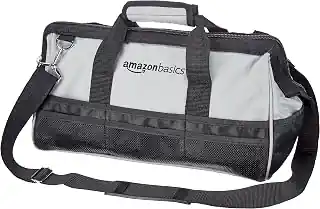 Top Tool Bags for Apprentices and Trainees in 2026
Discover the top tool bags for apprentices and trainees in 2026. Compare durable, portable, and organized storage solutions to keep your gear ready for the job.…
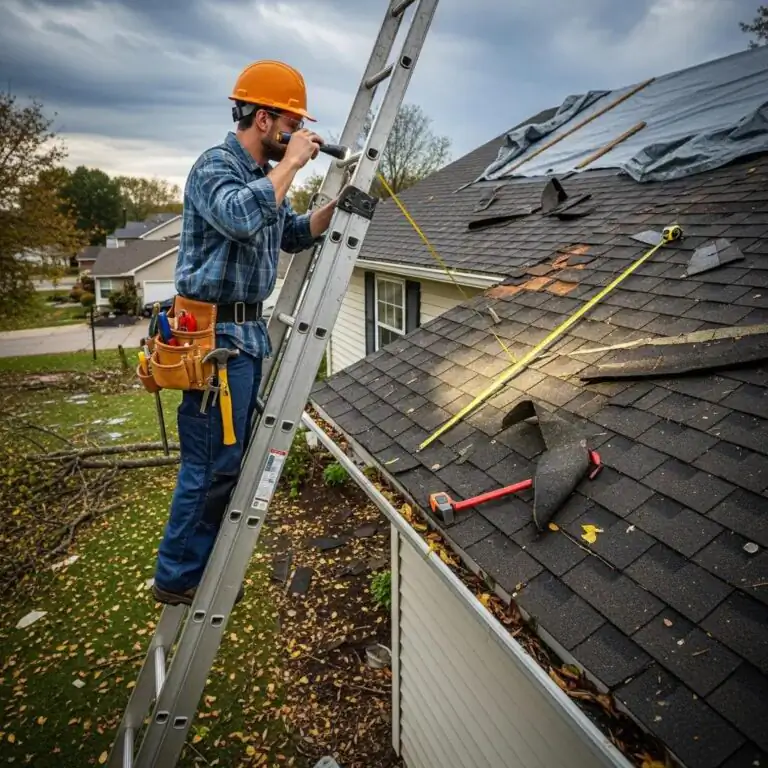 Top Tool Bags for DIY Homeowners in 2026
Discover the top tool bags for DIY homeowners in 2026. Compare durable organizers, backpacks, and storage solutions to keep your home repair gear ready. Keeping your…
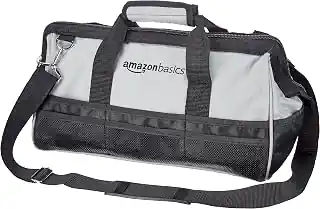 Top Tool Bags for Apprentices and Trainees 2026
Discover the top tool bags for apprentices and trainees in 2026. Compare durable, portable, and organized storage solutions to help you start your trade right. Starting…