
What Is The Difference Between A Tool Kit And A Tool Set
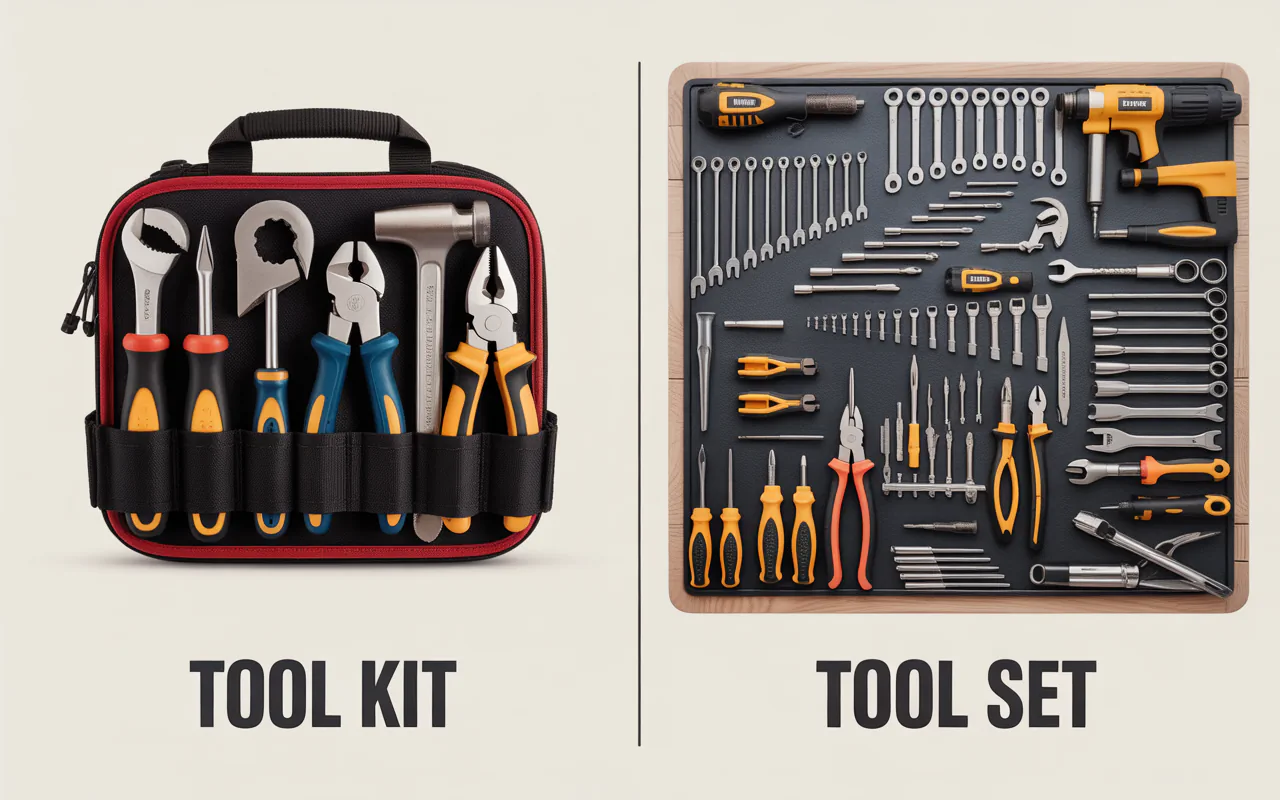
Wondering about the difference between a tool kit and a tool set? A tool kit is for specific tasks with basic items, while a tool set offers more variety for general use.
Have you ever stood in a hardware store staring at two boxes of tools? One says “tool kit” and the other says “tool set.” They look similar, but they are not the same. I have talked to many homeowners and new DIY fans who get confused by these labels. Let me clear this up for you today.
Knowing the difference between a tool kit and a tool set can save you money and frustration. You will buy exactly what you need for your projects. No more guesswork. No more buying the wrong thing.
I have used both types for years. From fixing a leaky faucet to building a bookshelf, I learned that each type has a clear job. In this guide, I will explain everything in plain English. You will walk away feeling confident about your next tool purchase.
Understanding Tool Kits and Tool Sets
Before we compare, let us look at what each word means. Many stores use these words the same way. But smart shoppers know they are different.
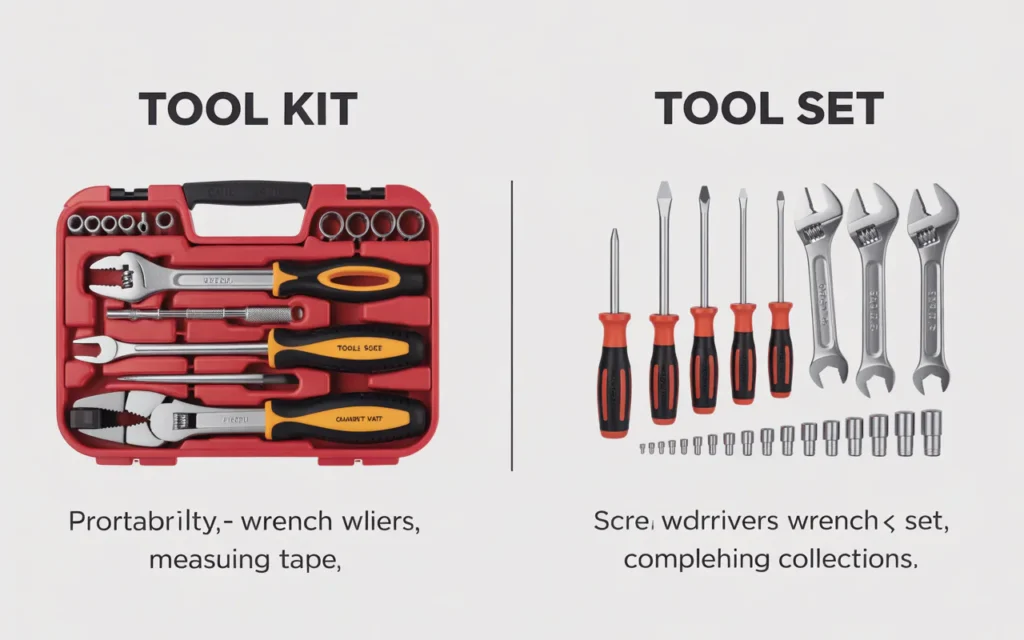
A tool kit is usually smaller. It focuses on one type of work. For example, you might see a bicycle repair kit or an electronics kit. These kits come with special tools for that job only. They do not include extra items.
A tool set is larger. It has many general tools. Think of a set you buy for a new home. It may include a hammer, screwdrivers, pliers, a tape measure, and more. You use a tool set for many different jobs around the house.
Quote 1: “A man is only as good as his tools.” – Old Proverb
This saying reminds us that the right tools help us do good work. But first, we must pick the right type of tool collection.
Quick Comparison Table
Here is a simple table to show the main differences at a glance.
| Feature | Tool Kit | Tool Set |
|---|---|---|
| Purpose | One specific task or hobby | Many general tasks |
| Size | Small to medium | Medium to large |
| Number of tools | Few (5 to 20 items) | Many (30 to 200+ items) |
| Tool types | Specialized (like hex keys for bikes) | Common (hammer, wrench, screwdriver) |
| Best for | Repairing one thing | Home maintenance, DIY projects |
What Is a Tool Kit?
A tool kit is a collection of tools made for a single purpose. The word “kit” means a group of items packaged together for a specific activity. Think of a first aid kit for injuries. A tool kit works the same way.
For example, a plumbing tool kit might include a basin wrench, pipe cutter, and plumber’s tape. You would not find a hammer or saw inside. That is because the kit only cares about pipes and fittings.
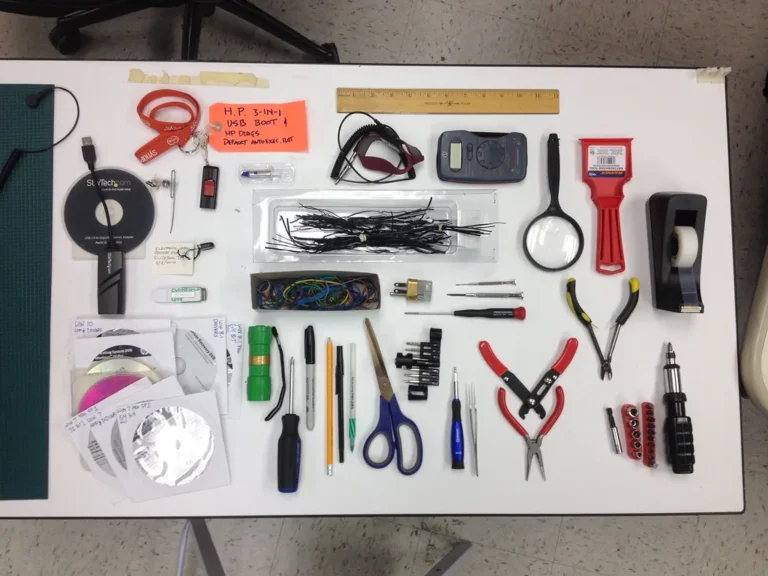
Another common example is a computer repair kit. It has small screwdrivers, anti-static wrist straps, and plastic pry tools. These items help you open a laptop or install a new hard drive. A regular tool set would not have those tiny screwdrivers.
The difference between a tool kit and a tool set becomes clear when you look at the tool selection. Kits have depth in one area. Sets have width across many areas.
Common Types of Tool Kits
- Bicycle repair kit (tire levers, hex wrenches, chain tool)
- Electronics kit (precision screwdrivers, tweezers, soldering iron)
- Gardening kit (pruners, trowel, weeder)
- Automotive kit (spark plug socket, oil filter wrench, gap gauge)
- Sewing machine maintenance kit (oil, brushes, screwdrivers)
Each kit above is useless for other jobs. You cannot fix a computer with a bicycle kit. And you cannot prune roses with an electronics kit. That is fine because you buy a kit for one job.
What Is a Tool Set?
A tool set is a general collection of common tools. The word “set” means a group of items that work together for many uses. Most tool sets come in a metal box or a plastic case with drawers.
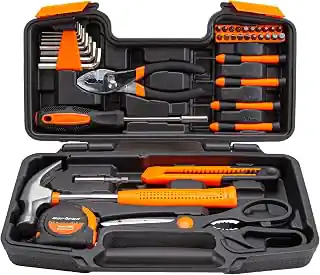
A basic tool set often includes:
- Claw hammer
- Flathead and Phillips screwdrivers (several sizes)
- Adjustable wrench
- Slip-joint pliers
- Needle-nose pliers
- Tape measure
- Utility knife
- Level
- Hex keys (Allen wrenches)
Some larger sets add sockets, ratchets, combination wrenches, and even power tools. You can buy a 50-piece, 100-piece, or 200-piece tool set. The more pieces, the more jobs you can handle.
The difference between a tool kit and a tool set is that a set gives you variety. You can hang a picture, tighten a loose chair leg, fix a squeaky door, and assemble furniture. All with one box.
Quote 2: “The best tool is the one you have with you.” – Anonymous
This quote matters because a tool set stays in your closet or garage. When something breaks, you grab the set and fix it. You do not need to run to the store.
Where Tool Sets Shine
Tool sets are perfect for renters, new homeowners, and college students. You do not know what will break next. Maybe a drawer handle falls off. Maybe a toilet handle gets stuck. A tool set has the basics for all these small fixes.
The Difference Between a Tool Kit and a Tool Set (Detailed)
Now let me explain the difference between a tool kit and a tool set in more depth. I will break this down into four key areas.
1. Purpose and Intended Use
A tool kit has a narrow purpose. The maker designed it for one hobby, repair, or profession. For example, an electrician’s kit has voltage testers, wire strippers, and lineman’s pliers. You will not find a paintbrush or a putty knife.
A tool set has a broad purpose. It helps you with everyday tasks around a home, shop, or office. You can use a tool set for hanging shelves, fixing toys, opening paint cans, and tightening loose bolts.
The difference between a tool kit and a tool set here is like the difference between a chef’s knife and a multi-tool. One does one job perfectly. The other does many jobs pretty well.
2. Number and Type of Tools
Kits have fewer tools, usually between 5 and 25 pieces. But those pieces are special. You might not find them in a normal tool set. For instance, a watch repair kit has tiny screwdrivers and a case opener. A standard tool set does not have these.
Sets have many tools, often 50 to 200 pieces. But they are common tools. You get multiple sizes of wrenches, sockets, and screwdrivers. The trade off is that you lose specialty items.
3. Storage and Portability
Tool kits come in small cases. You can throw a bicycle kit in your backpack. An electronics kit fits in a desk drawer. This makes kits easy to carry to the job site.
Tool sets come in larger boxes. A 100-piece set weighs 10 to 15 pounds. You keep it in one place. Moving it around is possible but not fun. However, the big case keeps everything organized.
4. Price Range
Kits cost less because they have fewer items. A basic electronics kit might be $15 to $30. A bicycle repair kit is $20 to $40. You pay only for what you need.
Sets cost more because they include many items. A decent home tool set starts at $50 and goes up to $200 or more. But you get a lot of value for the price.
Quote 3: “Simplicity is the ultimate sophistication.” – Leonardo da Vinci
This quote fits tool sets well. A simple set of good tools can handle most home repairs. You do not need fancy specialty tools for everyday life.
Which One Do You Need?
This is the big question. Should you buy a kit or a set? The answer depends on your situation. Let me help you decide.
Comparison Table: Kit vs Set for Different Users
| User Type | Better Choice | Reason |
|---|---|---|
| New homeowner | Tool set | Many unknown repairs will come up |
| Apartment renter | Small tool set | Basic fixes for furniture and fixtures |
| Bicycle enthusiast | Bike tool kit | Specific tools for your bike |
| Computer hobbyist | Electronics kit | Precision tools for PC building |
| General DIY person | Tool set + add-on kits | Set for most jobs, kits for special hobbies |
| Professional mechanic | Both (large set + specialty kits) | Need variety and depth |
When to Choose a Tool Kit
Buy a tool kit when you have one main hobby or repair need. For example, if you own a 3D printer, get a maintenance kit for that printer. It will have nozzle cleaners, bed scrapers, and small wrenches.
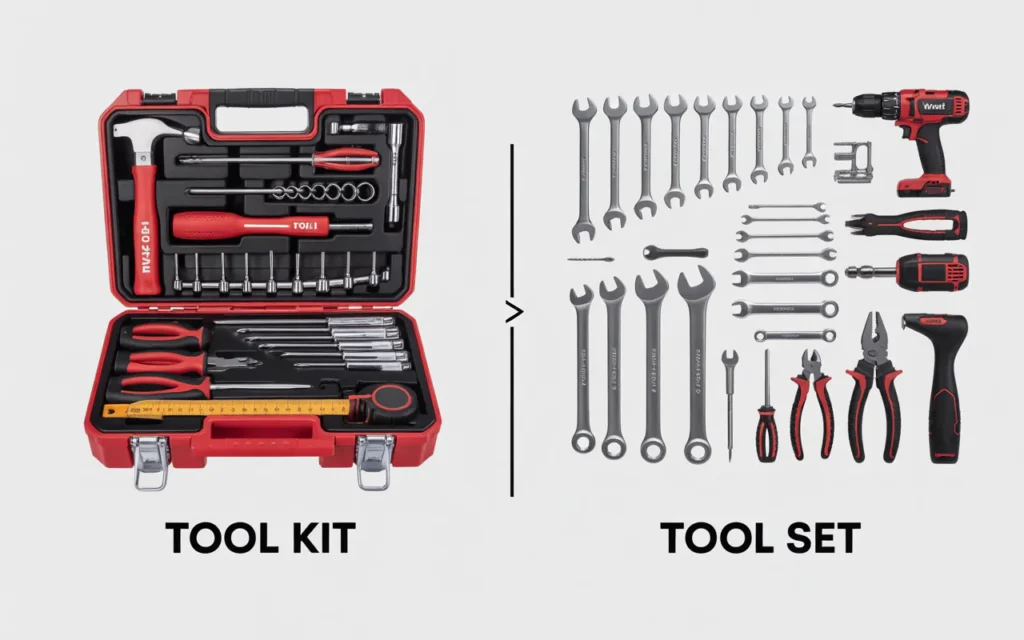
Buy a tool kit if you already own a basic set. You do not need another hammer. You need a specific tool for a specific job. Kits fill those gaps.
Also buy a kit for travel. Keep a small tool kit in your car. A basic automotive kit with jumper cables, a tire repair tool, and a multi-bit screwdriver can save you on the road.
The difference between a tool kit and a tool set matters most when you have limited space. A kit takes up little room. You can store it under a seat or in a drawer.
When to Choose a Tool Set
Buy a tool set if you are starting from zero. Every home needs a basic set of tools. You cannot hang a picture with a bike repair kit. You cannot fix a loose cabinet hinge with an electronics kit.
Buy a tool set if you do different jobs each week. One day you fix a door lock. The next day you assemble a crib. The next day you repair a garden hose. A tool set has the variety for all these tasks.
Buy a tool set as a gift for someone moving into their first home. It is practical and useful. Many young adults never owned a hammer. A tool set gives them confidence.
Common Examples to Clarify
Let me share real examples to show the difference between a tool kit and a tool set in action.
Example 1: Sarah owns a bicycle. She needs to fix a flat tire. She buys a bicycle tool kit with tire levers, a patch kit, and a mini pump. This kit costs $25. She does not need a hammer or pliers. The kit works perfectly.
Example 2: Mike just bought his first house. He has no tools at all. He buys a 100-piece home tool set for $70. It includes a hammer, screwdrivers, wrenches, pliers, a level, a tape measure, and more. Over the next year, he uses it to hang curtains, fix a leaky faucet, tighten loose railings, and build a grill. The set covers everything.
Example 3: Lisa is a jewelry maker. She buys a jewelry repair kit with small pliers, wire cutters, and a magnifying glass. She also owns a general tool set for home repairs. She uses both. The kit for her hobby. The set for her house.
These examples show that neither is better overall. The right choice depends on your needs.
Frequently Asked Questions
Q1: Can a tool set replace a tool kit?
No. A tool set does not have specialty tools. You cannot fix a watch with a general set. You cannot repair a laptop with a hammer. Keep a set for general work and buy kits for specific hobbies.
Q2: What is the difference between a tool kit and a tool set in terms of quality?
Quality varies by brand, not by name. You can find cheap kits and cheap sets. You can also find professional grade kits and sets. Always read reviews before buying. Look for tools made of chrome vanadium steel or other strong materials.
Q3: Which is better for a beginner DIY person?
A tool set is better for beginners. You learn basic repairs with common tools. Later, you can add specialty kits for areas you enjoy, like woodworking or auto repair.
Q4: Is the difference between a tool kit and a tool set only about the number of tools?
No. The number of tools is part of it, but purpose matters more. A kit has tools for one job. A set has tools for many jobs. You could have a 50-piece plumbing kit (all for pipes) and a 50-piece tool set (mix of general tools). The piece count could be the same, but the kit is still specialized.
Q5: Do tool sets come with power tools?
Some larger sets include a drill or a circular saw. But most basic sets only have hand tools. If you want power tools, look for a “power tool combo kit.” That is a different product category.
Q6: Can I make my own tool kit from a tool set?
Yes. Many people buy a large tool set and then pull out specific tools for a small carry case. For example, take a hammer, two screwdrivers, pliers, and a tape measure. Put them in a small bag. Now you have a basic home repair kit. That is smart.
Q7: Why do some stores use the words “kit” and “set” the same way?
Marketing is not always accurate. Some brands use the words to sound different. Always look at the contents, not the label. Check what tools are inside. That tells you the real purpose.
Q8: What is cheaper, buying a kit or buying individual tools?
Almost always, buying a kit or a set is cheaper than buying tools one by one. Manufacturers package items together for a lower total price. The savings can be 30% to 50% compared to separate purchases.
Q9: How do I store tool kits and tool sets?
Keep kits in their original small cases. Keep sets in their original boxes or transfer to a tool chest. A tool chest on wheels works great for large sets. Hang small kits on a pegboard or put them in a drawer.
Q10: Does the difference between a tool kit and a tool set affect warranty or returns?
No. Warranty depends on the brand and the specific tool. Most hand tools have a lifetime warranty from good brands. Keep your receipt. Register your products if the brand asks you to.
Conclusion
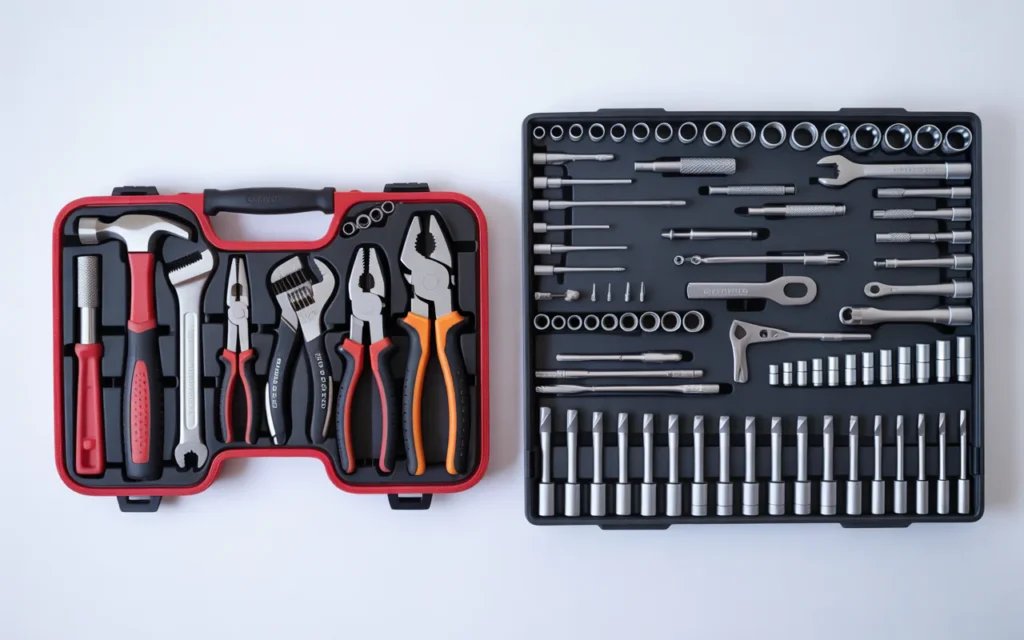
Now you know the difference between a tool kit and a tool set. A tool kit is specialized for one job. A tool set is general for many jobs. Neither is wrong. Both have their place in a home, garage, or workshop.
Think about your own life. What repairs do you do most often? If you fix one thing all the time, buy a kit. If you fix random things around the house, buy a set. And if you love DIY projects, buy a good set first, then add kits for your hobbies.
I hope this guide helped you. The next time you go to a hardware store, you will read the labels with confidence. You will know exactly what to buy. No more confusion. No more wasted money.
Grab the right tools for your needs and start fixing things with a smile. You have got this.
Related posts
 Top Starter Mechanic Tool Kits for Apprentices: Essential Sets for Your Trade
Explore top starter mechanic tool kits for apprentices. Compare sets for mechanics, electricians, and other trades to find your essential tools. Starting an apprenticeship is an…
 Automotive Tool Kits vs. Mechanic Tool Sets: What’s the Difference?
Understand the key differences between automotive tool kits vs. mechanic tool sets. Learn which is best for your car maintenance needs. When looking for tools to…
 Top Automotive Tool Kits for Garage Workshops: A Buyer’s Guide
Find the top automotive tool kits for garage workshop. Compare versatile sets for car maintenance, home repairs, and DIY projects to choose the best fit. Setting…