
Are Multi Tool Kits Safe For Beginners To Use
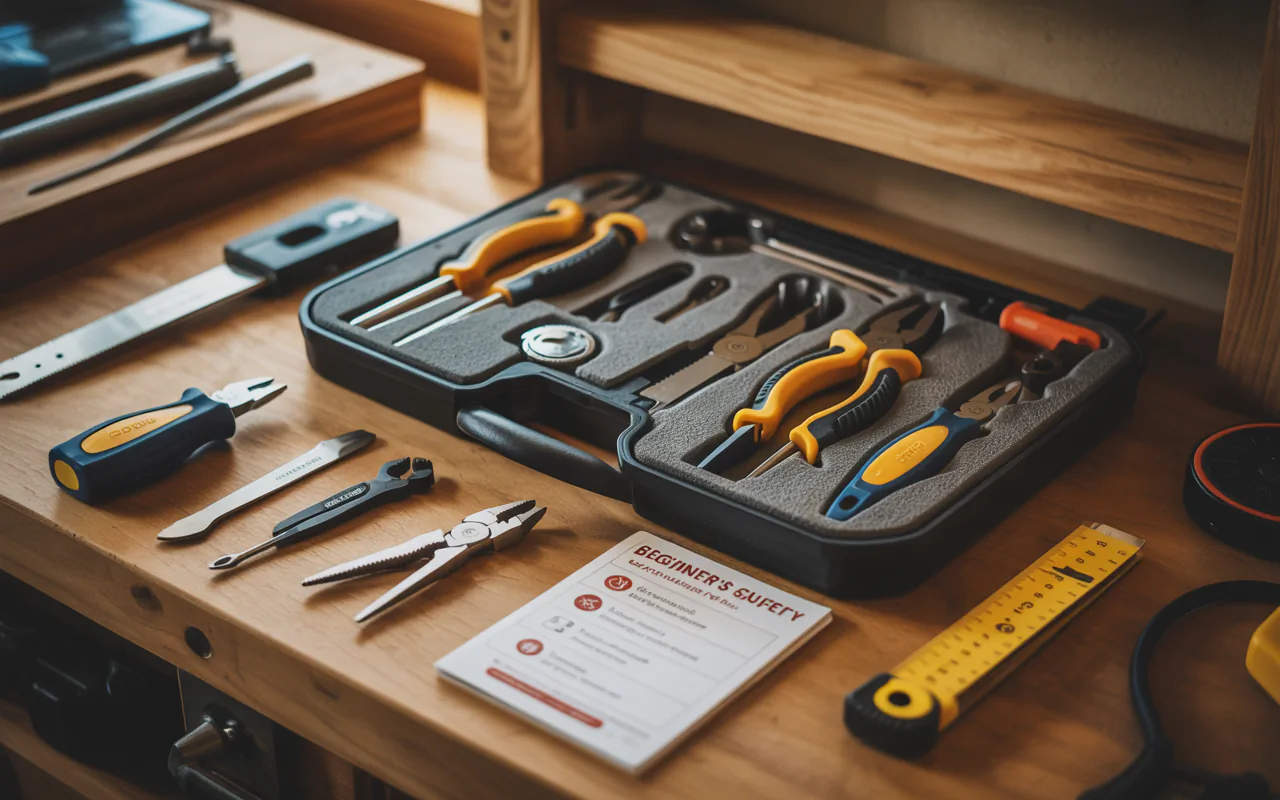
Wondering are multi tool kits safe for beginners to use? Yes, with basic care. This guide covers safety tips, common mistakes, and the best starter features for worry-free use
If you have ever stood in a hardware store staring at a shiny multi tool kit, you might have asked yourself: are multi tool kits safe for beginners to use? It is a fair question. You see a single gadget with pliers, knives, screwdrivers, scissors, and maybe even a saw. It looks helpful, but also a little scary if you have never used tools much before.
The short answer is yes. Multi tool kits are generally safe for beginners. But like any tool, you need to know a few basic rules. In this article, I will walk you through everything you need to feel confident and stay safe. No technical jargon. No pressure. Just real talk from someone who has pinched a finger or two and learned the hard way.
Let us start with a simple table that sums up the main safety points for beginners.
| Safety Factor | Why It Matters for Beginners |
|---|---|
| Locking mechanisms | Prevent blade or tool from closing on your fingers |
| Rounded edges | Reduce risk of cuts when handling the closed tool |
| Spring-loaded pliers | Easier to control with less hand strength |
| Non-slip grip | Better hold, less chance of dropping |
Understanding Multi Tool Kits and Beginner Safety
Before we get into the details, let me clarify what a multi tool kit usually contains. Most common multi tools include needle-nose pliers, wire cutters, a main blade, a smaller secondary blade, scissors, a can opener, a bottle opener, a few screwdriver bits, and sometimes a file or saw. All these fold into a handle, similar to a Swiss Army knife but with pliers as the main feature.
So, are multi tool kits safe for beginners to use when they have all these sharp parts? Yes, provided you follow some simple habits. The risk is not in the tool itself. The risk is in rushing, not paying attention, or using the wrong part for a job.
“I have taught hundreds of new homeowners how to use basic tools. The multi tool is one of the safest places to start because it forces you to slow down and think about each motion.” — Janet Reeves, Home Repair Instructor
Common Beginner Fears and Why They Are Often Overblown
Let me address the top three fears beginners share with me.
Fear 1: “I will cut myself badly.”
This is the most common worry. And yes, the blade is sharp. But most multi tool blades are shorter than two inches. A deep cut is unlikely unless you do something very careless. Keep the blade away from your body. Cut away from yourself. And always close the blade when you are not actively using it.
Fear 2: “The pliers will pinch my skin.”
This one is real. Many multi tools have a spring mechanism. If you are not careful, the hinge can pinch the soft skin of your palm. The fix is easy: grip lower on the handles, not near the pivot point. After a few tries, your hand learns where to hold.
Fear 3: “I will break the tool or strip a screw.”
Multi tools are not meant for heavy construction work. They are for small fixes. If you push too hard on a screw, the tool might slip. That slip can scratch something or hit your hand. The solution? Use the right bit size. Do not force anything. If it feels stuck, stop.
The Right Way to Choose Your First Multi Tool Kit
Not all multi tools are the same. Some are much safer for beginners than others. Here is what to look for.
Locking Mechanisms Are Non-Negotiable
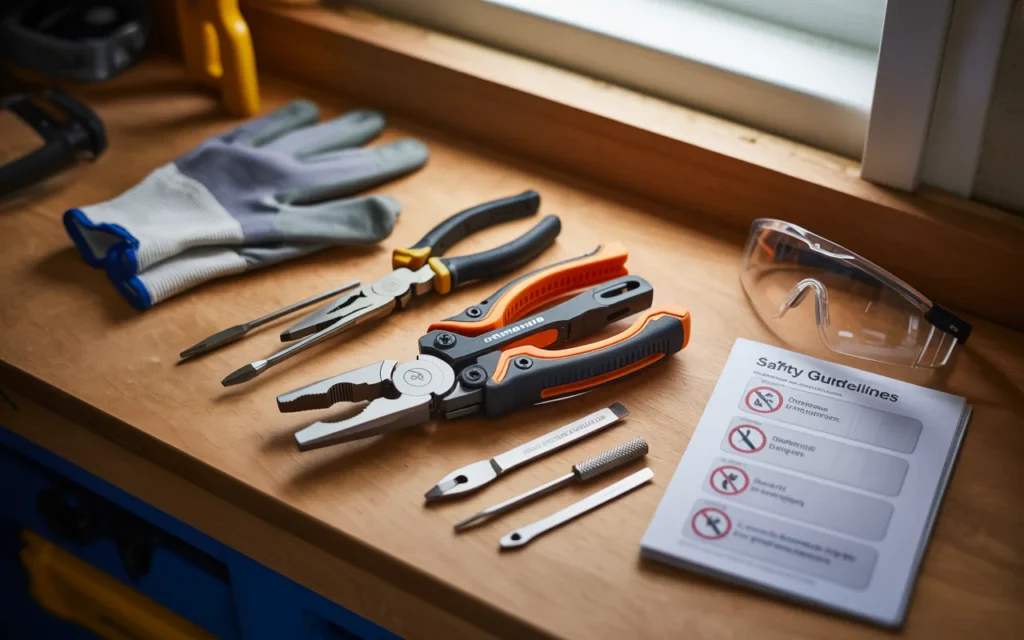
A locking tool keeps the blade or screwdriver from folding shut while you use it. Without a lock, the tool could close on your fingers. That is painful and dangerous. Every beginner should pick a multi tool with locks on all the main tools, especially the blade.
Spring-Loaded Pliers Reduce Hand Fatigue
If you have arthritis or just weak grip strength, spring-loaded pliers are a blessing. They open back up automatically after each squeeze. This reduces the chance of the tool slipping because you are not fighting to reopen it.
Size and Weight Matter for Control
A huge, heavy multi tool is harder to control. For a beginner, smaller is often safer. Look for something that fits in your palm and weighs less than seven ounces. You want to feel steady, not strained.
Here is a second table comparing beginner-friendly features to avoid.
| Feature to Avoid | Why It Is Risky for Beginners |
|---|---|
| No blade lock | Blade can fold during use, cutting fingers |
| Smooth metal handles | Tool slips easily when hands are sweaty |
| Too many tools | Overwhelming and harder to open the right one |
| Stiff hinges | Requires too much force, leading to slips |
Step-by-Step Safety Habits for First-Time Users
Let me give you a simple routine. Follow this every time you pick up your multi tool, and you will stay safe.
- Inspect before use. Open each tool slowly. Look for dirt, rust, or damage. A sticky hinge can cause sudden movements.
- Open on a stable surface. Do not try to flick the tool open one-handed as a beginner. Use two hands on a table.
- Lock the tool immediately. After opening the blade or screwdriver, engage the lock. Check that it clicks.
- Cut away from your body. Always. This includes cutting rope, plastic straps, or cardboard.
- Close the tool before setting it down. An open multi tool on a table can roll or get knocked off.
- Clean and dry after use. Moisture leads to rust. Rust leads to sticky hinges. Sticky hinges lead to accidents.
“Most multi tool injuries I see in the emergency room happen because someone tried to use it like a full-sized tool. Respect the size. Respect the limits.” — Dr. Marcus Hale, ER Physician
Five Beginner Mistakes and How to Avoid Them
Even well-meaning beginners make these errors. Do not feel bad if you recognize yourself here. I have done all of them.
Mistake 1: Using the knife as a pry bar.
The thin blade can snap. A broken blade can fly or cut you. Use the dedicated pry tool or flathead screwdriver instead.
Mistake 2: Cutting wire with the wrong part of the pliers.
Multi tools have a special wire cutter near the hinge. Do not use the tip of the pliers for wire. The wire will slip and scratch you.
Mistake 3: Forgetting to lock the screwdriver.
When you turn a screw, the driver bit can fold backward if not locked. Your knuckles then hit the handle. It hurts and can break skin.
Mistake 4: Using the tool in the dark.
Multi tools require visual attention. Do not try to fix something under a sink with no light. You will pick the wrong tool or slip.
Mistake 5: Letting kids use it without supervision.
A multi tool is not a toy. The locking mechanisms and sharp edges need adult judgment. Keep it stored safely away from small children.
When Is a Multi Tool Not Safe for a Beginner?
Let me be honest. There are times when a multi tool is the wrong choice.
- Heavy electrical work. Multi tools have metal handles. If you touch a live wire, you will get shocked. Use insulated electrician tools instead.
- Large home repairs. Fixing a fence, building a shelf, or cutting thick branches. These jobs need full-sized tools. A multi tool will struggle, and struggling leads to slips.
- Any task requiring two hands. If you need to hold something steady while cutting, a multi tool is hard to manage alone. Get proper clamps or a second person.
- When you are tired or rushed. Fatigue kills focus. If you are sleepy or in a hurry, put the tool down. Come back later.
So, are multi tool kits safe for beginners to use in all situations? No. But in the right situations with the right habits, they are perfectly fine.
Building Confidence Through Small Projects
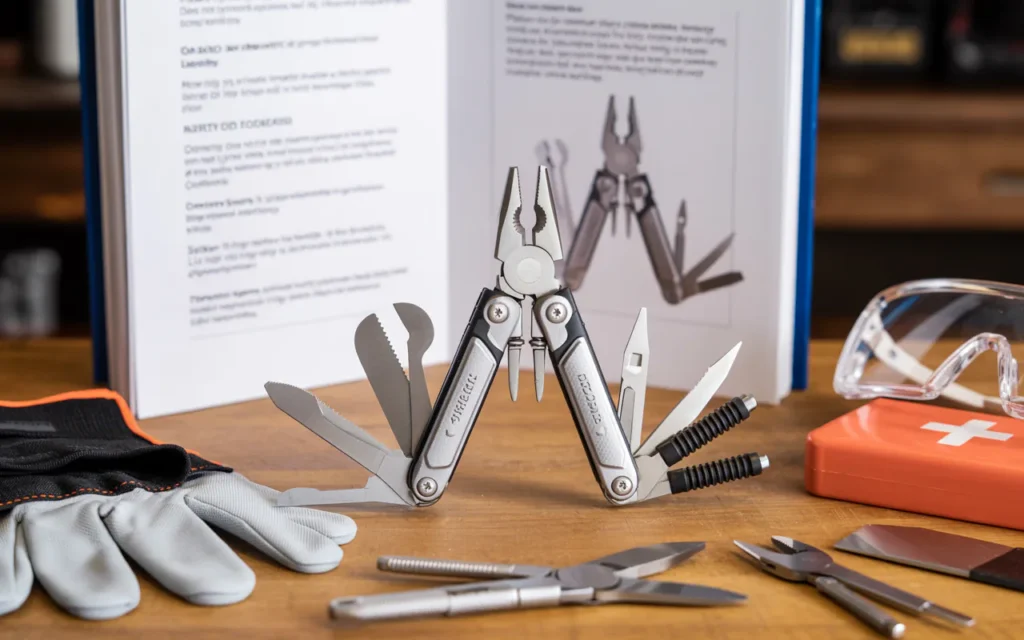
The best way to feel safe is to practice on easy jobs. Here are five beginner-friendly tasks.
- Cut open a cardboard box. Use the main blade. Cut away from your body. Close and lock after each cut.
- Tighten a loose screw on a cabinet hinge. Use the Phillips head screwdriver. Lock it. Turn slowly.
- Cut a piece of paracord or thin rope. Use the serrated blade if you have one. Let the teeth do the work.
- Open a paint can. Use the dedicated can opener tool. Do not use the knife.
- Strip a thin wire. Use the wire cutter notch near the pliers hinge. Squeeze gently.
Each small win builds muscle memory. After ten small projects, you will stop worrying and start enjoying your tool.
“I give every new apprentice a basic multi tool and five simple tasks. By the end of the week, they stop being afraid and start being careful. There is a big difference.” — Elena Vasquez, Workshop Supervisor
How to Teach Someone Else to Use a Multi Tool Safely
Maybe you are reading this to help a friend, a teenager, or an older parent. Here is a simple teaching script.
First, show them the lock. Open the blade. Click the lock. Let them try. Second, show them the closed position. Explain that the tool is safe only when closed or locked open. Third, let them hold it closed. Then let them open and lock each tool one by one. Fourth, do a simple cutting task together. You hold the object. They cut. Fifth, praise the small wins. Do not correct harshly.
Remember: fear is learned. Confidence is also learned. Be patient.
Frequently Asked Questions
Q1: Are multi tool kits safe for beginners to use around children?
Yes, but only if stored properly. Keep the tool closed and locked in a drawer or pouch out of reach. Never leave an open multi tool on a table. Teach older children that it is a tool, not a toy.
Q2: Can a beginner carry a multi tool every day without risk?
Yes. Most injuries happen during active use, not while carrying. Use a sheath or pocket clip. Keep the blade closed. Do not put loose keys in the same pocket, as they can accidentally open a non-locking tool.
Q3: What is the single biggest safety tip for a beginner?
Lock the tool before every use. Then check the lock again. This one habit prevents 90% of beginner accidents.
Q4: Are cheap multi tool kits safe?
Not usually. Very low cost tools often have weak locks, rough edges, and stiff hinges. Spend at least $25 to $40 on a known brand like Leatherman, Gerber, or Victorinox. Your fingers are worth the extra money.
Q5: How do I clean my multi tool safely?
Close all tools. Wash with warm soapy water and an old toothbrush. Dry completely. Apply a drop of oil to each hinge. Open and close each tool a few times. Wipe off extra oil. Do not put it in a dishwasher.
Q6: What should I do if I cut myself?
Clean the cut with soap and water. Apply pressure with a clean cloth. If bleeding does not stop after ten minutes, or if the cut is deep, see a doctor. Keep a small first aid kit near your tools.
Conclusion
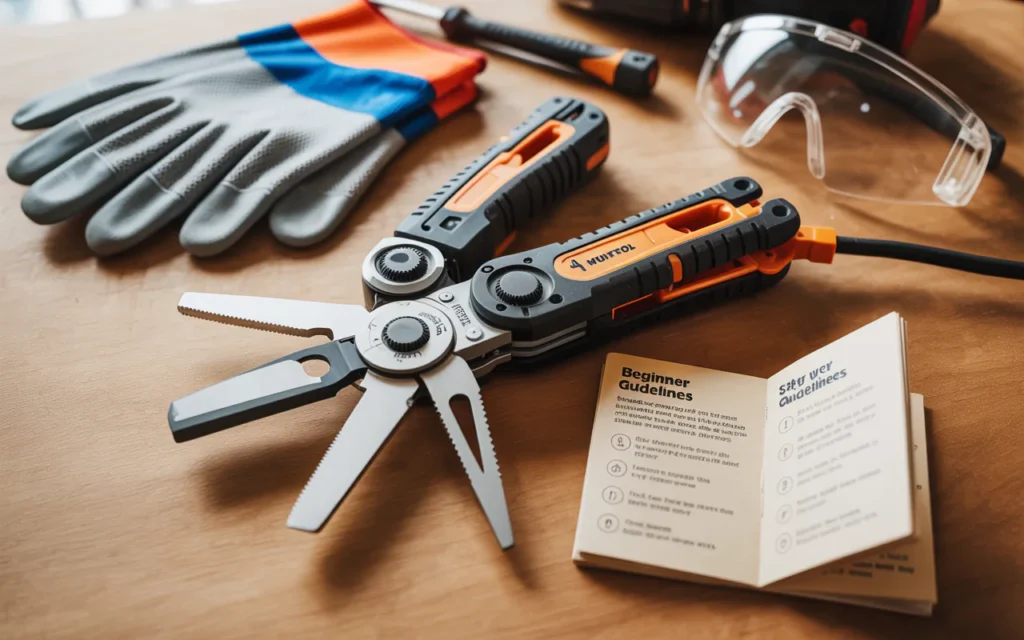
So let us return to the main question one final time. Are multi tool kits safe for beginners to use? Yes, they are. But safety depends on three things: choosing a tool with good locks, learning a few simple habits, and respecting the tool’s limits. A multi tool is not a toy, but it is also not a dangerous machine. It is a helpful friend for small jobs around the house, in the car, or on a camping trip.
Start with a quality tool. Practice on easy tasks. Lock every tool before use. Cut away from your body. And when in doubt, put the tool down and think for a second. That pause is the best safety feature you have.
You can do this. Millions of beginners have learned safely before you. Now it is your turn. Pick up that multi tool, open it slowly, lock it, and fix something small. The confidence will come faster than you expect.
Related posts
 Top Tool Bags for Apprentices and Trainees in 2026
Discover the top tool bags for apprentices and trainees in 2026. Compare durable, portable, and organized storage solutions to keep your gear ready for the job.…
 Top Tool Bags for DIY Homeowners in 2026
Discover the top tool bags for DIY homeowners in 2026. Compare durable organizers, backpacks, and storage solutions to keep your home repair gear ready. Keeping your…
 Top Tool Bags for Apprentices and Trainees 2026
Discover the top tool bags for apprentices and trainees in 2026. Compare durable, portable, and organized storage solutions to help you start your trade right. Starting…