
Are Multi Tool Kits Worth It
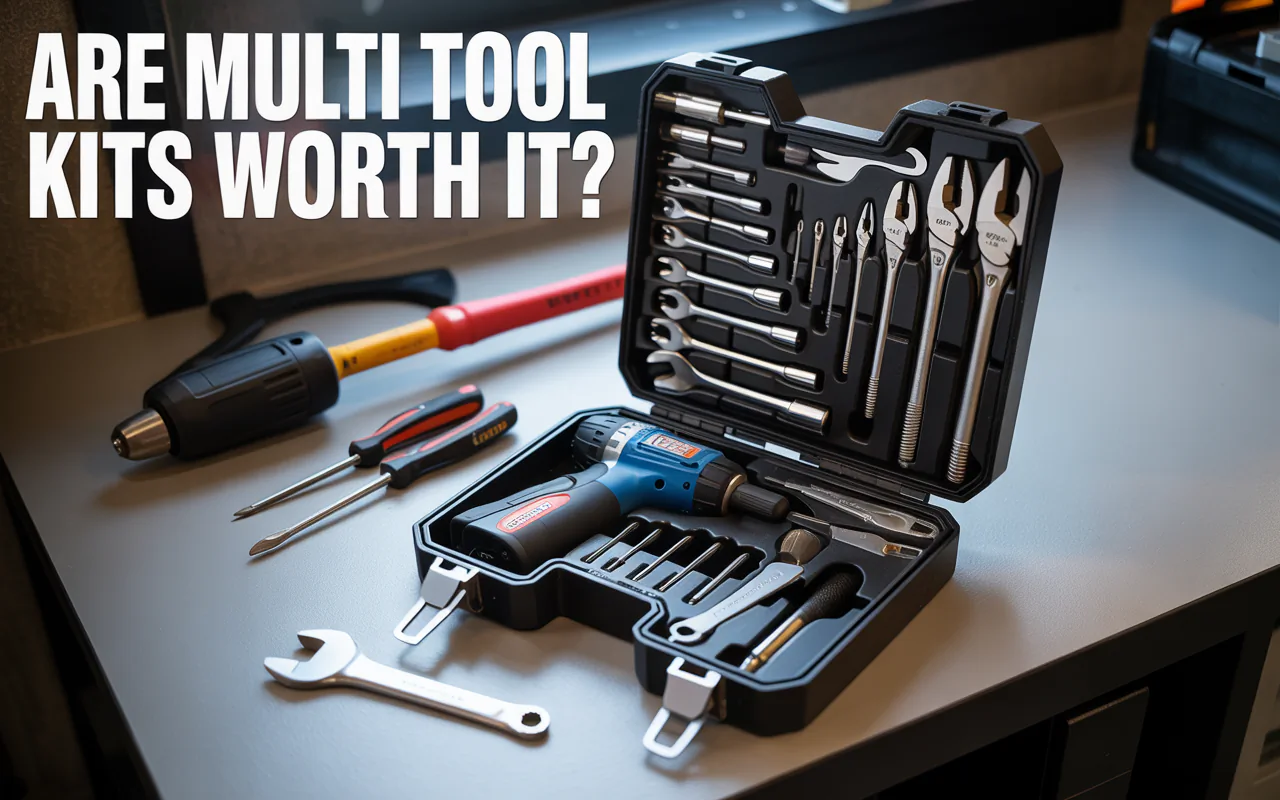
Wondering if are multi tool kits worth it for your home or garage? This guide gives a direct yes or no based on cost, space, and real tasks. Read the honest answer here.
You see them in every hardware store. A shiny box with 50, 100, or even 200 pieces. One handle, many bits. One set, many uses. The question is simple. Are multi tool kits worth it for someone like you? Or should you buy single tools one by one?
I have asked this same question many times. I own three different multi tool kits. I also own a toolbox full of single tools. Over the years, I learned what works and what does not. This article gives you a clear, honest answer. No marketing talk. No hidden agenda. Just real help.
Let me start with a short answer. Then we go deep into every detail.
For most people, a good quality multi tool kit is worth the money. But that depends on your skill level, your budget, and the kind of work you do. A beginner or a small apartment owner benefits a lot. A professional carpenter may not.
Now, let us break this down.
What Exactly Is a Multi Tool Kit?
A multi tool kit is a set that contains one or two handles and many different attachments. The most common type is the screwdriver set with many bits. You also see wrench sets with multiple heads. Some kits combine hex keys, sockets, and even small saw blades.
These kits save space. They keep things organized. Instead of 20 separate screwdrivers, you have one handle and 20 bits. That is the basic idea.
There are two main types:
| Type | What It Includes | Best For |
|---|---|---|
| Household multi tool kit | Screwdriver bits, hex keys, small pliers, tape measure, level | Small repairs, furniture assembly, hanging pictures |
| Heavy duty multi tool kit | Socket adapters, ratchet handle, wrench heads, saw blades, wire strippers | Home DIY projects, bike repair, basic electrical work |
Most people buy the first type. Handy people buy the second type.
Who Asks “Are Multi Tool Kits Worth It?” (And Why)
I see this question most from three kinds of people.
First, new homeowners. You just bought your first place. You have no tools. You see a big kit for 40 dollars. You wonder if it will do the job.
Second, apartment renters. You have very little storage space. You do not want a big toolbox. A small kit fits in a drawer.
Third, parents of young adults. You want to give a useful gift. A multi tool kit seems smart. But you worry it might be a waste.
Let me help all three groups with a direct quote.
“The best tool is the one you have with you when you need it. A multi tool kit makes sure you have many options without carrying a garage.”
— Adam Savage, former co-host of MythBusters
That quote hits the main point. Convenience matters. But convenience alone does not answer the question. Let us look at the good and the bad.
The Real Benefits of Owning a Multi Tool Kit
1. You Save a Lot of Space
This is the number one reason people buy these kits. One small case replaces a drawer full of tools. If you live in a city apartment or a small house, space is gold. A 50 piece kit takes less room than five separate screwdrivers.
I live in a 650 square foot condo. I cannot keep a full workbench. My multi tool kit sits on a shelf next to my cookbooks. It takes less space than a cereal box. That alone makes are multi tool kits worth it for me a clear yes.
2. You Spend Less Money Up Front
Buying every tool separately costs more. A single good screwdriver is 10 dollars. A set of hex keys is another 8 dollars. Pliers are 12 dollars. A level is 5 dollars. Add those up, and you cross 50 dollars fast.
A basic multi tool kit with all those items costs 30 to 45 dollars. You save money immediately. That helps when your budget is tight.
3. You Stay Organized
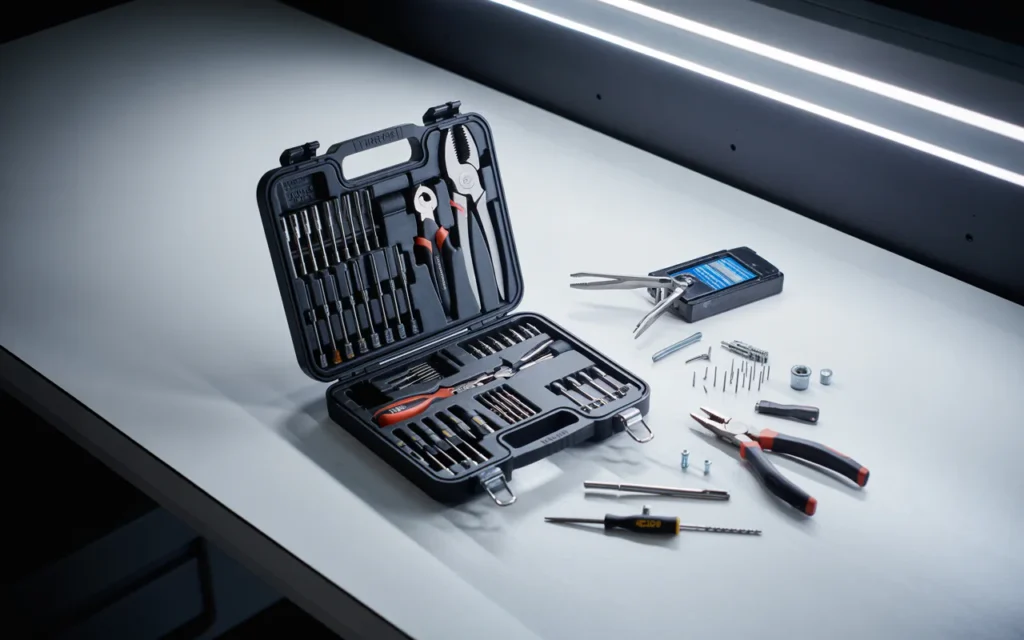
Lost tools are a real problem. You need a Phillips head screwdriver. You search three drawers. Nothing. You give up. A multi tool kit keeps everything in one case. Every bit has a spot. You know what is missing. You never lose small parts.
This organization saves time. And time is money. Even for a simple home repair, finding the right tool quickly makes the job easier.
4. You Get a Good Start for Beginners
If you never fixed anything before, a multi tool kit is a perfect starting point. You get to try many different tools. You learn what a hex key does. You learn the difference between a flat head and a Phillips bit. You build skills slowly.
“Do not wait for the perfect set of tools. Start with what you can afford. Use it. Break it. Then buy better.”
— Bob Vila, home improvement expert
That is exactly right. A multi tool kit lets you learn without fear. If you damage a cheap bit, you replace it for a dollar.
The Downsides You Must Know
Not everything is perfect. These kits have real limits.
1. The Tools Are Not Professional Grade
Most multi tool kits use cheaper metal. The bits can strip. The handles can feel loose. If you use them every day for work, they will break. A professional electrician or a mechanic needs stronger tools.
But for home use? Hanging pictures. Tightening loose cabinet handles. Assembling IKEA furniture. The quality is fine.
2. The Handle Can Be Uncomfortable
One handle for many bits sounds smart. But using the same handle for two hours hurts your hand. Separate screwdrivers have different grip shapes. Each fits a specific job. A multi tool handle is a compromise. It works for small jobs. It hurts for big jobs.
3. Some Kits Include Useless Pieces
Many kits add filler items to raise the piece count. 200 pieces sounds amazing. But 80 of those are tiny hex bits you will never use. Or odd size sockets that fit nothing in your home. You pay for those extra pieces. They just sit in the case.
This is a common problem. Always look at the pieces before you buy. Do not fall for high numbers.
4. Hard to Use in Tight Spaces
The handle plus a long bit is often too long for tight spots. A separate stubby screwdriver fits where a multi tool cannot. You will find this frustrating when working inside a computer case or behind a toilet.
Here is a quick comparison table to help you decide based on your use.
| Your Situation | Is a Multi Tool Kit Worth It? | Why |
|---|---|---|
| You own no tools at all | Yes | Best value for starting out |
| You live in a small apartment | Yes | Saves space and stays organized |
| You fix things every week | Maybe | Buy separate tools for frequent jobs |
| You are a professional tradesperson | No | Not strong enough for daily heavy use |
| You want a gift for a new college student | Yes | Practical, useful, and compact |
How to Choose a Good Multi Tool Kit (Avoid Junk)
If you decide to buy one, choose carefully. Here is what I learned from my mistakes.
Look at the bit holder. Does it hold bits tightly? Cheap ones drop bits on the floor. Good ones have a magnet or a locking ring.
Check the case. Does it close firmly? Will bits fall out if you drop the case? A bad case makes you lose pieces fast.
Read about the steel. Look for chrome vanadium or S2 steel. Avoid words like “carbon steel” without details. Cheap steel strips easily.
Count useful pieces. Ignore the big number on the box. Count how many pieces you will actually use. A 50 piece kit with 40 useful pieces is better than a 200 piece kit with 50 useful pieces.
Test the handle in the store. Does it feel good in your hand? Is it too thin? Too thick? Trust your feel.
“A cheap tool that you use is better than an expensive tool that sits in a box.”
— Nick Offerman, woodworker and actor
That is very true. Do not worry about brand names too much. Worry about whether you will actually use the kit.
When You Should Avoid a Multi Tool Kit
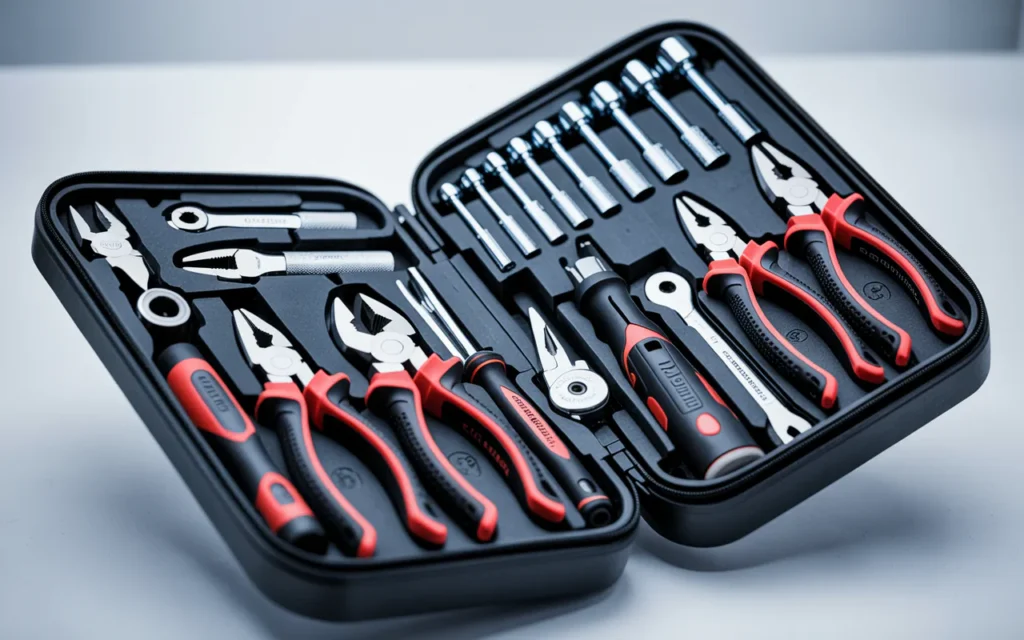
Let me be clear. Are multi tool kits worth it for every person? No. Avoid them in these cases.
- You already own a good set of basic tools. If you have five separate screwdrivers, pliers, a level, and hex keys, you do not need a kit. You already have better quality.
- You do heavy work every weekend. Building decks. Fixing cars. Installing flooring. Those jobs need strong, dedicated tools. A multi tool kit will break.
- You have very large hands. The handles on these kits are often small. People with big hands find them painful to use for more than five minutes.
- You hate plastic cases. Many kits come in hard plastic cases. The cases crack over time. If you prefer a soft tool bag or a metal toolbox, a multi tool kit will annoy you.
Real Life Example: My Two Kits
I own two different multi tool kits. One cost 25 dollars. One cost 70 dollars. The cheap one came with 100 pieces. The expensive one came with 45 pieces.
The cheap kit felt fine for the first month. Then the bit holder broke. The case latch cracked. Bits started falling out. I still use it for very simple jobs. But I do not trust it.
The expensive kit uses better steel. The handle locks bits firmly. The case has metal latches. I have used it for three years. No problems.
The lesson is clear. Do not buy the cheapest kit. Spend a little more. A 50 to 70 dollar kit from a known brand like Stanley, Craftsman, or Husky works well for years.
How a Multi Tool Kit Fits in SEO, AEO, and GEO
For those who care about search and answer engines, this topic works well. People ask are multi tool kits worth it on Google, voice search, and AI assistants. A clear answer helps everyone.
Voice search users want short, direct answers. “Yes, for beginners and small homes. No, for pros and heavy users.” That is what this article gives.
AI answer engines pull from content like this. Structured tables, clear headings, and honest pros and cons help the AI understand the answer. That is why I included two tables. They make the answer easy to find.
Frequently Asked Questions
1. Are multi tool kits worth it for a beginner DIY person?
Yes. A beginner gets many tools at a low cost. You learn what each tool does. You spend less money than buying separately. Start with a 50 to 70 dollar kit from a known brand.
2. Can a multi tool kit replace all my separate tools?
No. It replaces basic tools for simple jobs. But you still need a hammer, a good pair of scissors, a utility knife, and maybe a small saw. A multi tool kit is a helper, not a full replacement.
3. How long does a typical multi tool kit last?
For home use once or twice a month, a good kit lasts 3 to 5 years. Bits wear out. You can buy replacement bits cheaply. The handle and case usually last longer.
4. What is the best brand for a multi tool kit?
For home use, Stanley, Craftsman, Husky, and Workpro are good choices. For light professional use, consider Wera or Wiha. Avoid no name brands on discount websites.
5. Are multi tool kits worth it for a college dorm room?
Yes. Very much. A small 30 piece kit helps assemble furniture, fix a laptop, or adjust a bike. It fits in a desk drawer. It makes a great gift for a student.
6. Can I use a multi tool kit for electrical work?
Only for very basic tasks like changing a wall plate or tightening a switch cover. Do not use cheap multi tool kits for live electrical work. Get insulated tools for safety.
7. What is the most common problem with multi tool kits?
Losing bits. The case is the most important part. If the case does not hold bits securely, you will lose them fast. Always check the case quality before buying.
8. How do I know if are multi tool kits worth it for my specific job?
Ask yourself two questions. How often will I use this? What is the hardest job I will do? If you use tools twice a month for light jobs, buy a kit. If you use tools every week for heavy jobs, buy separate tools.
Conclusion
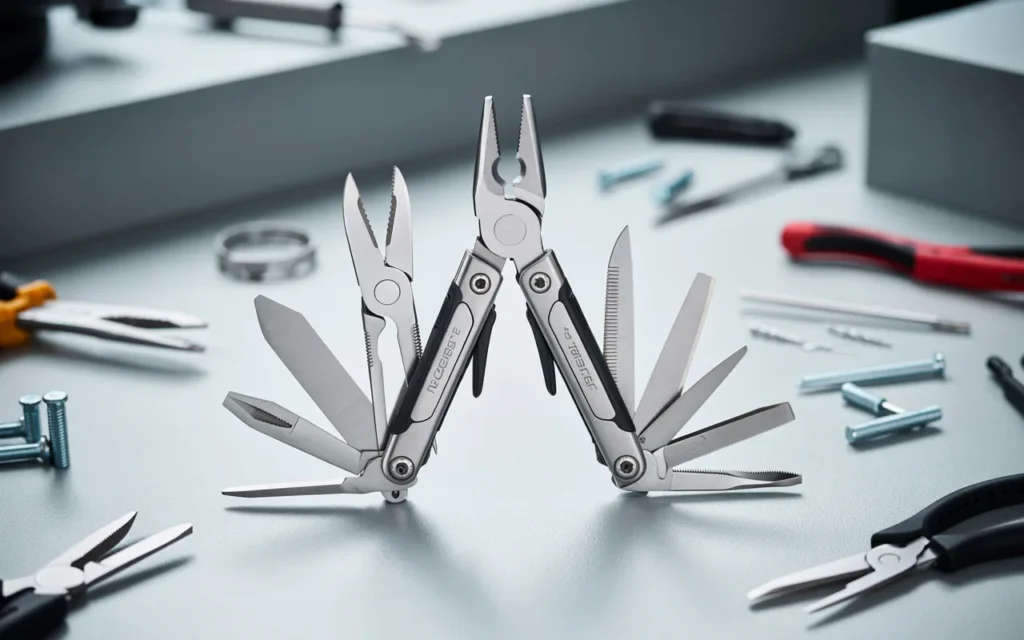
Let me give you a final straight answer. Are multi tool kits worth it for most people? Yes. But with conditions.
Buy a multi tool kit if:
- You are new to home repairs.
- You live in a small space.
- You want to spend less than 70 dollars.
- You fix small things a few times a month.
Do not buy a multi tool kit if:
- You work with tools every day.
- You already own good separate tools.
- You need to do heavy or precise work.
A good multi tool kit is a smart first step. It saves space. It saves money. It keeps you organized. But it is not a forever solution. As your skills grow, you will add separate tools. The kit becomes your backup. And that is fine.
Start with a decent kit. Learn what you use most. Then buy those tools in better quality. That is the smart path. That is how you build a toolbox without wasting money.
Now you have the full answer. Go look at your space. Think about your real needs. Then decide. And remember, the best tool is the one you actually use.
Related posts
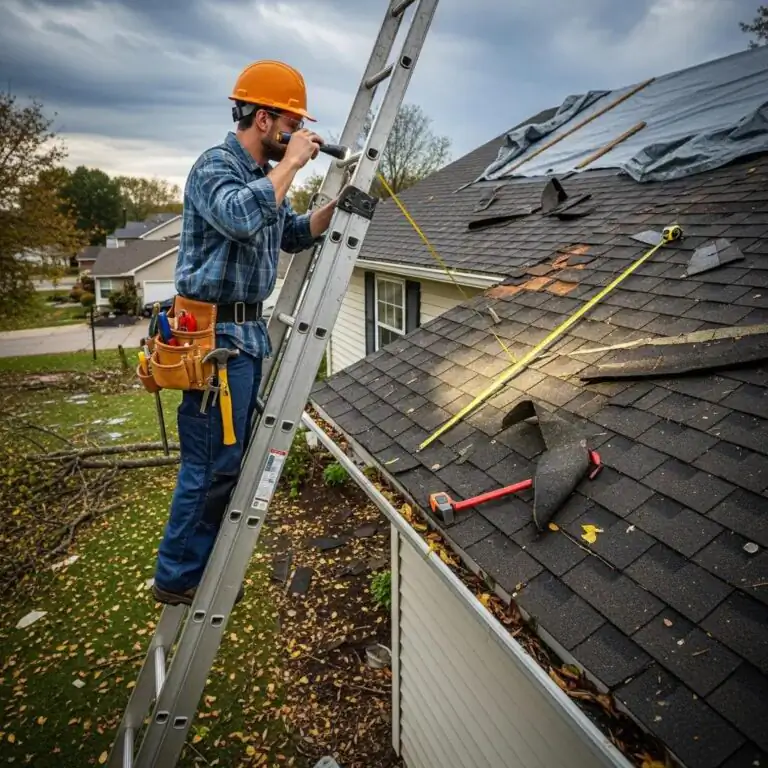 Top Tool Bags for DIY Homeowners in 2026
Discover the top tool bags for DIY homeowners in 2026. Compare durable organizers, backpacks, and storage solutions to keep your home repair gear ready. Keeping your…
 Top Tool Bags for Apprentices and Trainees 2026
Discover the top tool bags for apprentices and trainees in 2026. Compare durable, portable, and organized storage solutions to help you start your trade right. Starting…
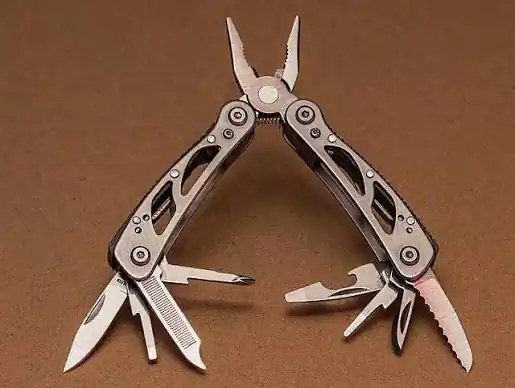 Top Multi Tool Kits for Women: 2026 Buyer Guide
Find the best multi tool kits for women in 2026. Compare household sets, cordless screwdrivers, and compact multitools for easy home repairs and DIY projects. Finding…