
How to Use a Multi Tool Safely: Essential Steps and Setup
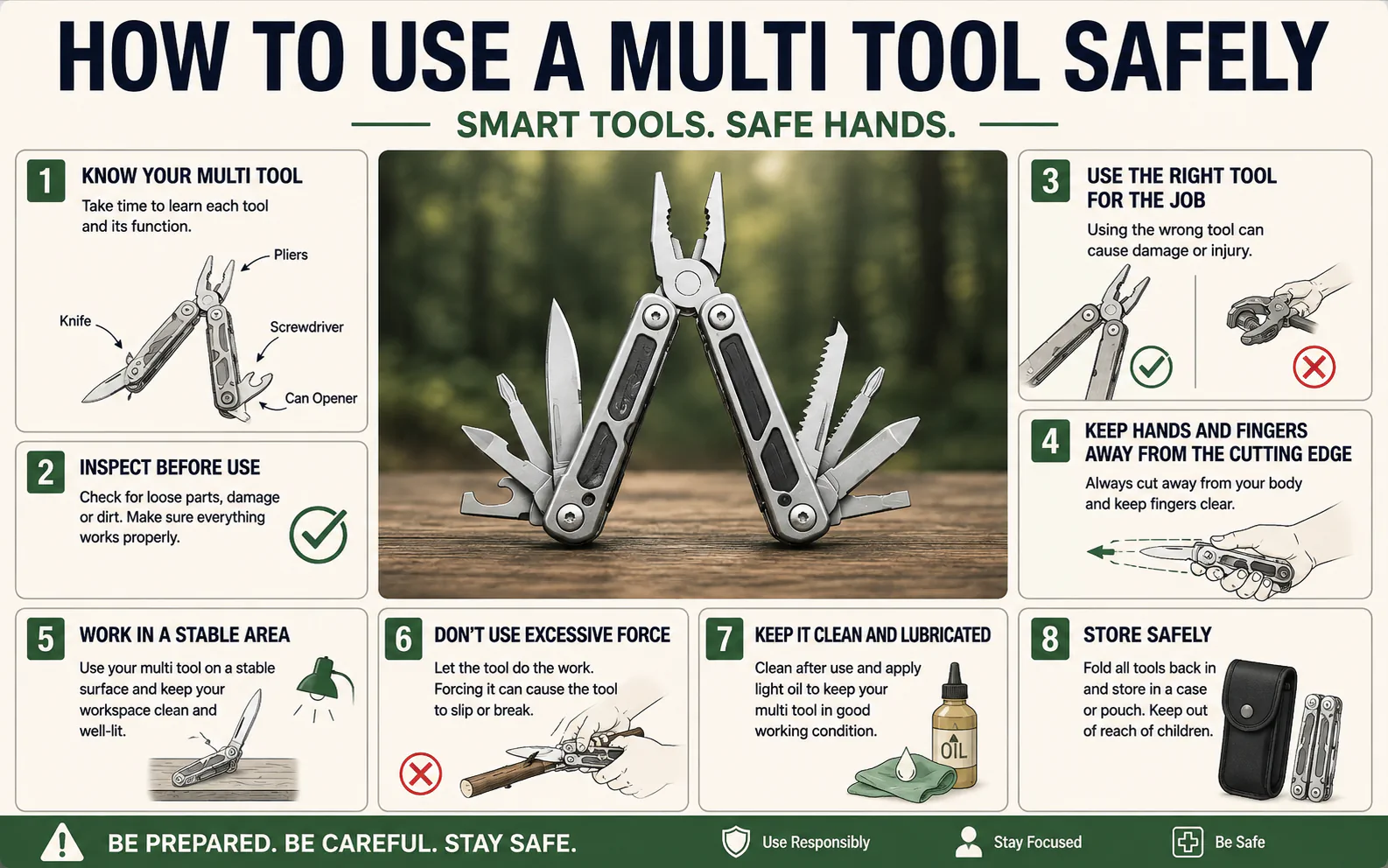
Using an oscillating multi-tool safely requires understanding how its high-speed micro-movements interact with different materials. Unlike circular saws that spin, a multi-tool vibrates back and forth thousands of times per minute.
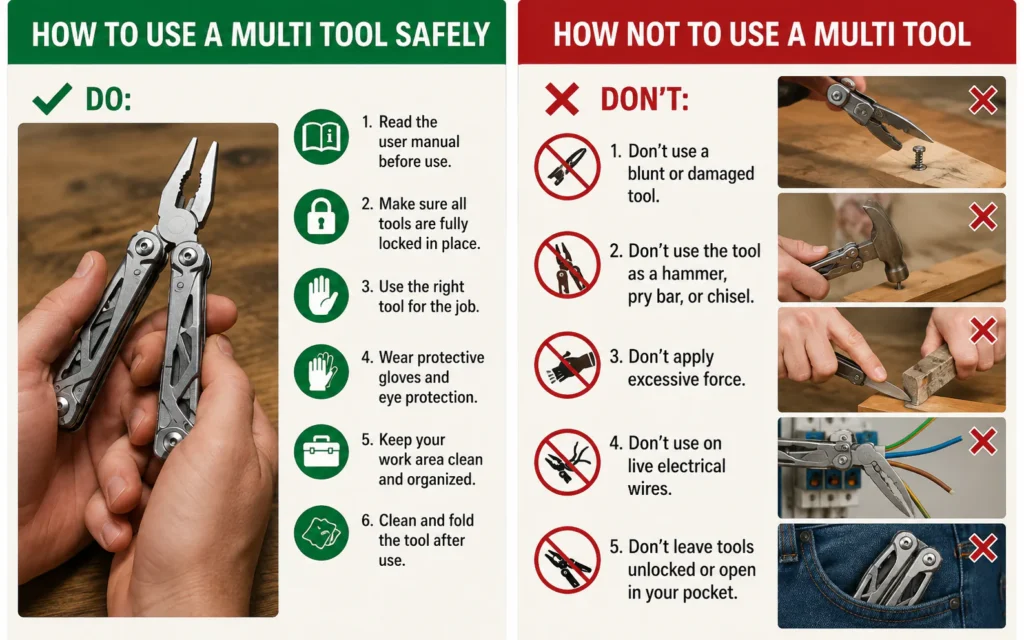
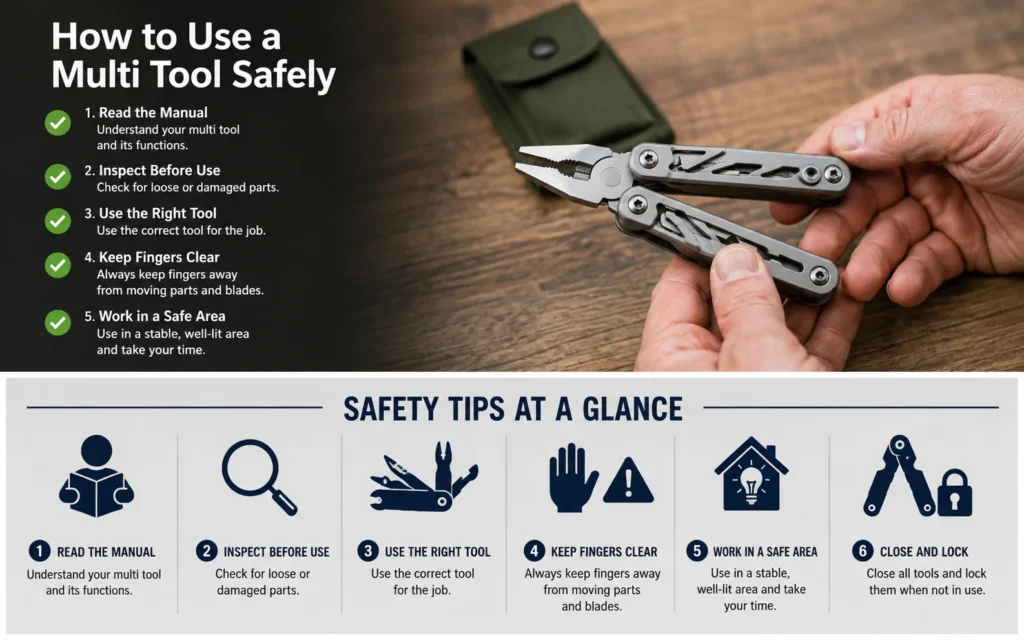
To use a multi-tool safely, you must always disconnect the power source before changing blades, wear full protective gear, and secure your workpiece with clamps. Never force the tool into a cut; instead, guide it with a firm, two-handed grip and let the speed of the oscillation do the work.
Before pulling the trigger, take a moment to inspect your work area for hidden hazards like electrical wires or plumbing pipes, especially when performing plunge cuts in drywall or wood.
Safety checks
- Always disconnect the power source before touching or changing the blade.
- Match the blade type precisely to the material to prevent binding and kickback.
- Use a two-handed grip and let the tool’s high-speed oscillation do the cutting.
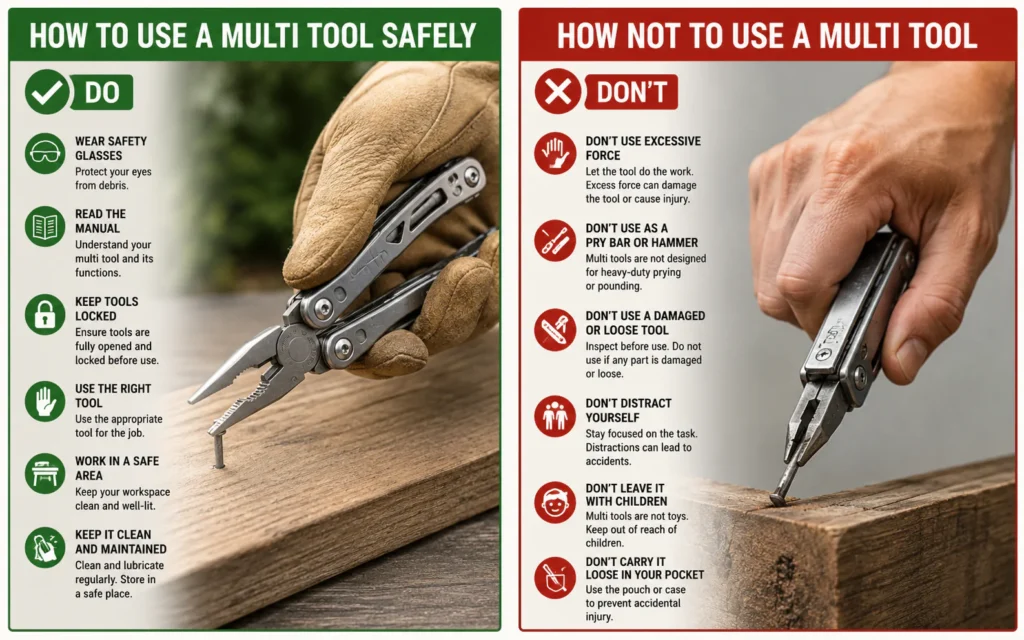
- Wear safety glasses, hearing protection, and a dust mask for every cut.
- Secure your workpiece with clamps to prevent sudden shifts during operation.
| Topic | When it helps | What to keep in mind |
|---|---|---|
| Step 1 | All users before starting any project. | Loose blades can vibrate off at high speeds, damaging the tool spindle or causing severe injury. |
| Step 2 | Every cutting, sanding, or scraping task. | Drywall dust and plaster can cause immediate respiratory irritation and long-term lung damage. |
| Step 3 | Plunge cuts and demolition work. | Cutting into a live wire can cause severe electrical shock or start a fire. |
| Step 4 | Making straight, controlled cuts. | Pushing too hard causes the blade to overheat, burns the wood, and can stall the motor. |
Focus strictly on the safety
Step 1. Disconnect Power and Secure the Blade
Never attempt to install or adjust a blade while the tool is connected to power. Unplug corded models or remove the battery pack from cordless units.
- All users before starting any project.
- Loose blades can vibrate off at high speeds, damaging the tool spindle or causing severe injury.
- Give the blade a gentle tug after locking it to verify it is completely seated and immobile.
- Action – Power isolation.
- Risk Level – High.
- Key Tool – Quick-release lever or hex key.
Step 2. Equip Your Personal Protective Gear
Oscillating tools generate fine, airborne dust and high-frequency noise. Put on impact-resistant safety glasses to protect your eyes from flying wood chips or metal shards.
- Every cutting, sanding, or scraping task.
- Drywall dust and plaster can cause immediate respiratory irritation and long-term lung damage.
- Keep your safety gear stored in the same case as your multi-tool so you never forget it.
- Gear Needed – Glasses, mask, ear protection.
- Noise Level – Typically 90-100 dB.
- Dust Risk – Very high.
Step 3. Clamp the Workpiece and Scan for Hazards
A loose workpiece will vibrate in sync with the multi-tool, reducing cutting efficiency and causing the tool to jump or slip. Secure your material to a stable workbench using heavy-duty clamps.
- Plunge cuts and demolition work.
- Cutting into a live wire can cause severe electrical shock or start a fire.
- If cutting drywall, set your blade depth to just slightly thicker than the drywall sheet to avoid hitting deep wires.
- Preparation – Clamping and scanning.
- Safety Tool – Voltage detector.
- Stability – Essential.
Step 4. Maintain a Two-Handed Grip and Guide Gently
Hold the body of the multi-tool firmly with both hands to maintain maximum control. Position your body to the side of the cut line rather than directly behind it.
- Making straight, controlled cuts.
- Pushing too hard causes the blade to overheat, burns the wood, and can stall the motor.
- If you see smoke or smell burning wood, pull back immediately and let the blade cool down.
- Grip Type – Two-handed.
- Feed Pressure – Light and steady.
- Tool Speed – Maximum before contact.
Selecting the Right Blade for Safety
Using the wrong blade is one of the most common causes of multi-tool accidents. Blades are engineered for specific densities and materials.
Always inspect your blade before mounting it. Look for missing teeth, cracks along the weld lines, or warping.
Using a wood-only carbon steel blade on a nail embedded in a door jamb will instantly dull the teeth, cause extreme friction smoke, and potentially snap the blade.
Using cheap, unrated blades for metal cutting, which can disintegrate under high-speed oscillation.
- Wood Blades: Feature large, aggressive teeth designed to clear sawdust quickly. Safe for softwoods, hardwoods, and plastics.
- Bi-Metal Blades: Feature hardened teeth capable of cutting through wood with embedded nails, copper pipes, and light sheet.
- Carbide Grit Blades: Toothless blades designed for abrasive materials like tile grout, plaster, and mortar.
- Scraper Blades: Flexible or rigid flat blades used to lift adhesives, carpet backing, and old caulk safely.
| Material | Recommended Blade Type | Primary Safety Risk of Wrong Choice |
|---|---|---|
| Softwood & Plastic. | HCS (High Carbon Steel). | Friction burn and slow cutting if using grout blades. |
| Wood with Nails. | Bi-Metal (BIM). | Shattered teeth and sudden kickback if using standard wood blades. |
| Drywall & Plaster. | Segmented Clean-Cut. | Excessive blinding dust and rapid blade dulling. |
| Tile Grout & Mortar. | Carbide Grit / Diamond. | Blade binding, overheating, and cracked tiles. |
Safe Cutting Techniques and Body Positioning
Your physical stance plays a major role in how safely you can control an oscillating tool. Stand with your feet shoulder-width apart to establish a stable base.
When performing a plunge cut, do not enter the material at a perfectly flat angle. Instead, tilt the tool slightly to let one corner of the blade make contact first.
Keep the tool moving slightly back and forth along the cut line. This rocking motion helps clear sawdust and debris from the kerf, which reduces friction, lowers the operating temperature of the blade, and prevents binding.
When flush-cutting a door jamb, rest the flat side of the blade against a scrap piece of wood on the floor to guide the cut smoothly without gouging the subfloor.
Standing directly behind the path of the blade, which puts your body in the line of fire if the tool slips.
- Start the motor before touching the wood to prevent sudden grabbing.
- Use a rocking motion to clear debris from deep plunge cuts.
- Avoid cutting above shoulder height where control is severely compromised.
- Keep your fingers at least three inches away from the active blade at all times.
Managing Dust, Heat, and Workspace Hazards
The friction generated by an oscillating tool can easily reach temperatures high enough to scorch wood or melt plastics. This heat transfers directly to the blade and the tool’s gear housing.
Dust management is equally critical. Fine wood and drywall dust can hang in the air for hours, posing a respiratory hazard.
Attaching a shop vacuum hose to the multi-tool’s dust extraction port when sanding old paint to keep toxic lead dust out of the air.
Setting a hot multi-tool blade down directly onto flammable materials like sawdust, rags, or carpet immediately after a long cut.
FAQs
Can an oscillating multi-tool cut through metal safely?
Yes, but you must use a bi-metal or carbide-tipped blade rated for metal. Keep the tool speed moderate, apply light pressure, and avoid cutting hardened steel like structural bolts, which can shatter the blade.
Why does my multi-tool blade get extremely hot so quickly?
Excessive heat is usually caused by pushing too hard, using a dull blade, or failing to clear sawdust from the cut. Use a gentle rocking motion to let debris escape, and let the tool do the cutting.
Is it safe to use a multi-tool with one hand?
Always use two hands to operate a multi-tool. A one-handed grip significantly increases the risk of the tool slipping, especially if the blade hits a hard knot, nail, or dense material.
How do I prevent the tool from wandering when starting a cut?
Angle the blade slightly so only a few teeth touch the material first. Once you score a shallow guide line, level the blade out to complete the cut smoothly.
Should I wear gloves while operating an oscillating tool?
Yes, form-fitting, high-dexterity work gloves are recommended. They protect your hands from sharp metal burrs, reduce the impact of tool vibration, and protect against accidental minor slips.
Conclusion
Operating an oscillating multi-tool safely comes down to preparation, patience, and using the correct accessories. By isolating the power source during blade changes, wearing your protective gear, and securing your workpiece, you eliminate the most common hazards associated with this versatile tool.
Remember to let the tool’s speed do the work rather than forcing it into the material. Keep your cuts clean, monitor your blade temperature, and always stay alert to what lies directly behind the surface you are cutting.
Related posts
 Which Tool Kit Is Worth Buying? How to Choose the Right Set for Your Home
Wondering which tool kit is worth buying? Compare basic household sets, mechanic kits, and power tool combos to find the best tools for your budget and…
 Which Hand Tools Are Made in the USA? Reliable Brands and Buying Rules
Discover which hand tools are still made in the USA. Compare top domestic brands, tool categories, and learn how to verify origin labels before buying. Several…
 Why Do Campers Carry Multi Tools? Practical Uses in the Field
Why do Campers carry multi tools to handle gear repairs, campsite setup, food prep, and field fixes with minimal weight. Here is why one belongs in…