
What Features Should A Multi Tool Have
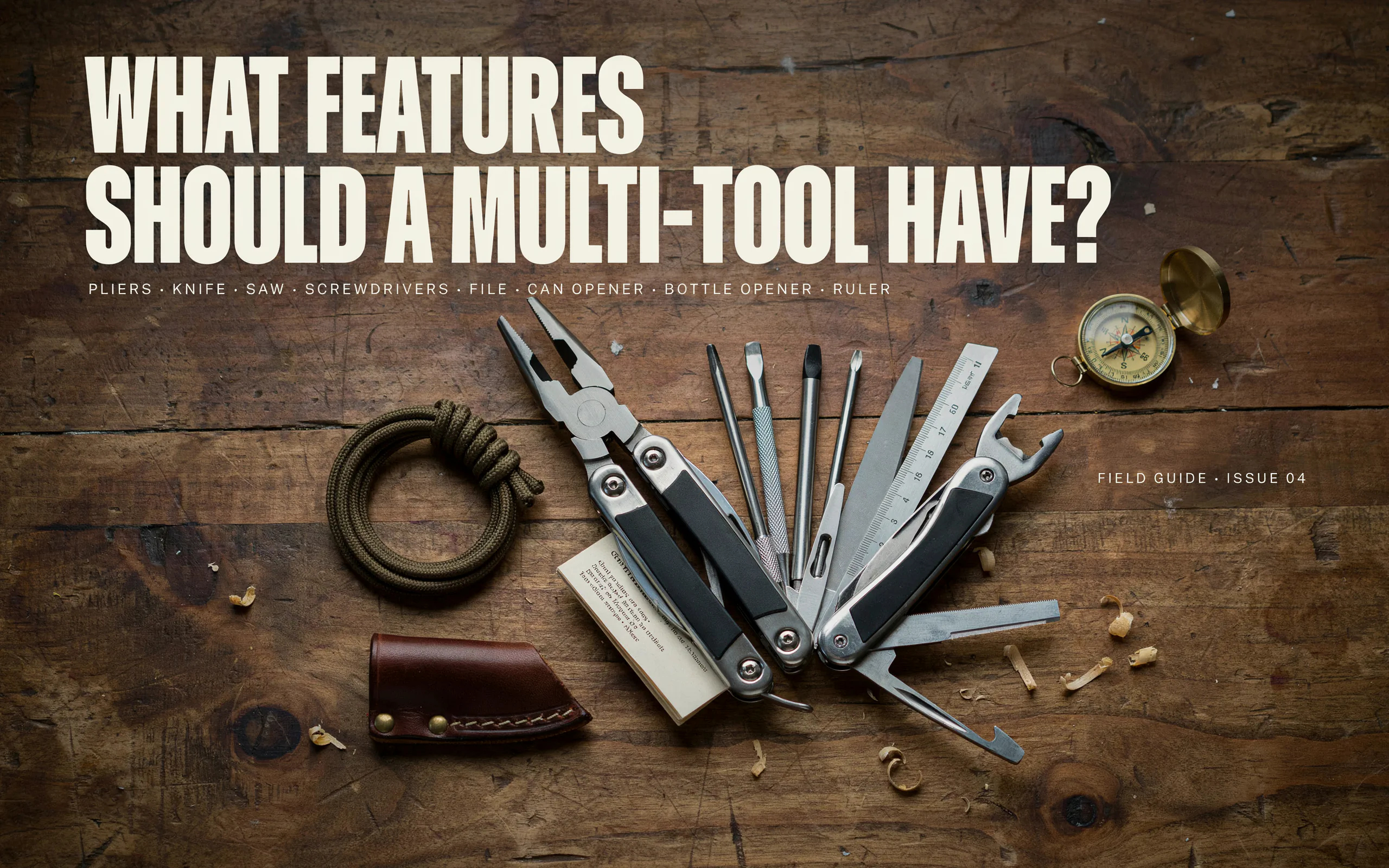
Wondering what features should a multi tool have to be truly useful? We break down essential tools, build quality, size, and special add-ons to help you pick the perfect everyday companion.
A multi-tool is one of those things you do not realize you need until you have one. Then you wonder how you ever got by without it. It is like carrying a small toolbox in your pocket. But with so many options out there, figuring out what features should a multi tool have can feel confusing.
The truth is, the best multi-tool for you depends on what you do every day. A construction worker needs different things than a weekend camper. An office worker might only need a few basic tools for small fixes. So before you buy, let us walk through all the key features. This guide will help you choose a tool that fits your life perfectly.
The Core Question: What Features Should a Multi Tool Have?
At its heart, a multi-tool is a collection of useful implements folded into one compact package. The most common design looks like a pair of pliers with other tools folding out from the handles. But the features vary a lot from model to model.
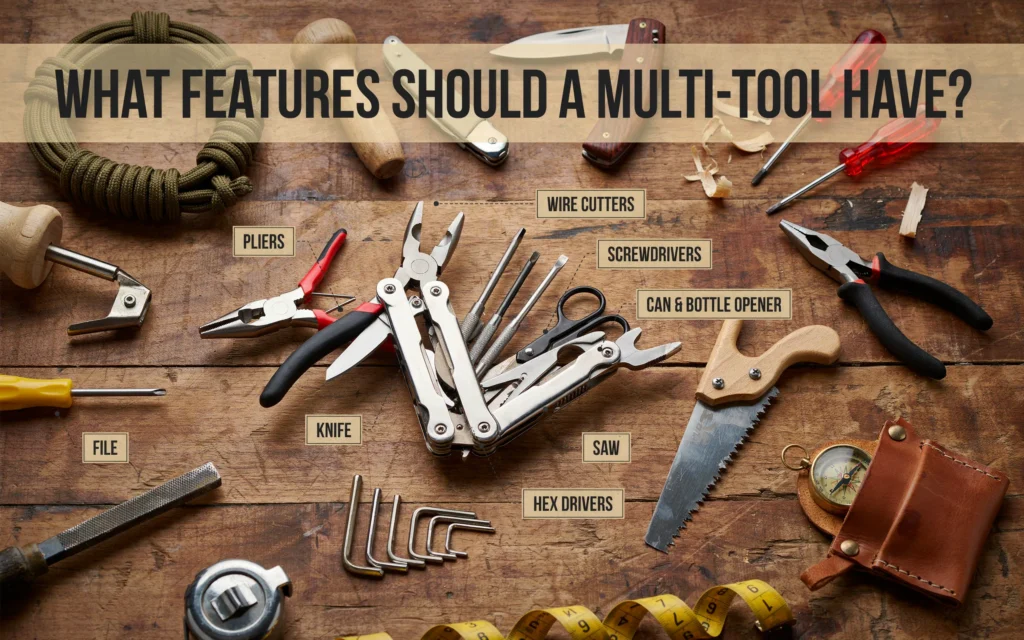
So, what features should a multi tool have? The answer starts with the basics. Almost every good multi-tool includes pliers, a knife, and screwdrivers. These three form the foundation. From there, you can add scissors, saws, files, bottle openers, and many other tools.
But features go beyond just the tools themselves. You also need to think about build quality, size, weight, how the tools lock, and how easy they are to open. All of these matter just as much as the tool count.
Let us break down every feature you should consider.
The Essential Tools: Must-Have Implements
Every multi-tool starts with a core set of tools. These are the ones you will use most often. When asking what features should a multi tool have, start here.
Pliers: The Heart of Most Multi-Tools
Most full-size multi-tools are built around a pair of pliers. The pliers are often the main reason people choose this type of tool over a simple pocketknife.
Good pliers should include:
- Needlenose pliers for grabbing small items and working in tight spaces
- Regular pliers for gripping nuts, bolts, and larger objects
- Wire cutters for snipping wires and cables
- Hard-wire cutters for cutting through tougher metal wires
Some multi-tools also include crimpers for electrical work or a wire stripper notch. Spring-action pliers are another nice feature. They open automatically after you squeeze, which makes them easier to use with one hand.
| Pliers Feature | What It Does | Who Needs It |
|---|---|---|
| Needlenose | Grips small items, bends wire | Everyone |
| Regular jaws | Holds nuts, bolts, larger objects | Everyone |
| Wire cutters | Cuts standard wires | DIYers, electricians |
| Hard-wire cutters | Cuts solid metal wires | Mechanics, construction |
| Spring action | Opens automatically | Anyone who uses pliers often |
Knife Blades: Your Everyday Cutter
A knife is probably the tool you will reach for most often. Even people who do not carry a multi-tool often carry a pocketknife. The knife on a multi-tool can replace or complement your regular pocketknife.
Look for these features:
- Plain edge blade for clean, precise cuts
- Serrated blade for sawing through rope, straps, or tough materials
- One-hand opening so you can access the blade quickly
- Locking mechanism to keep the blade secure while you use it
Some high-end models now use premium steel like MagnaCut, which holds an edge longer and resists rust. But for most people, good stainless steel works fine.
Screwdrivers: Fixing Things on the Go
Screwdrivers are another essential. Most multi-tools include both flathead and Phillips drivers. The best ones have interchangeable bits. This lets you swap out different sizes and types without carrying extra tools.
Key things to check:
- Phillips head (usually size #1 or #2)
- Flathead (various widths)
- Bit driver that accepts standard or proprietary bits
- Locking bit driver for better torque when turning screws
Some models include a bit kit that expands your options greatly. This is a feature worth paying extra for if you work with many different screw types.
Additional Tools: What Else Should You Look For?
Beyond the basics, many multi-tools include extra implements. What features should a multi tool have beyond pliers, knife, and screwdrivers? That depends on your lifestyle.
Scissors
Scissors are surprisingly useful. They are great for cutting paper, opening packages, trimming thread, or snipping bandages. Some multi-tools have full-size scissors, while others have smaller versions. Spring-action scissors are easier to use with one hand.
Saw
A saw is handy for cutting wood, plastic, or even bone in an emergency. The saw blade usually has aggressive teeth that cut on the pull stroke. This tool is essential for campers, hunters, and anyone who works with wood.
File
A file smooths rough edges, sharpens tools, or shapes metal. Some files have a diamond coating for extra durability. Others have a cross-cut pattern for faster material removal.
Bottle and Can Openers
These might seem trivial, but you will use them more than you expect. A bottle opener is great for drinks. A can opener is useful when camping or when you do not have a kitchen nearby. Many openers also include a wire stripper notch.
Awl or Reamer
An awl is a pointed tool for poking holes in leather, plastic, or wood. It can also start screws or scrape away material. This is a niche tool, but very handy when you need it.
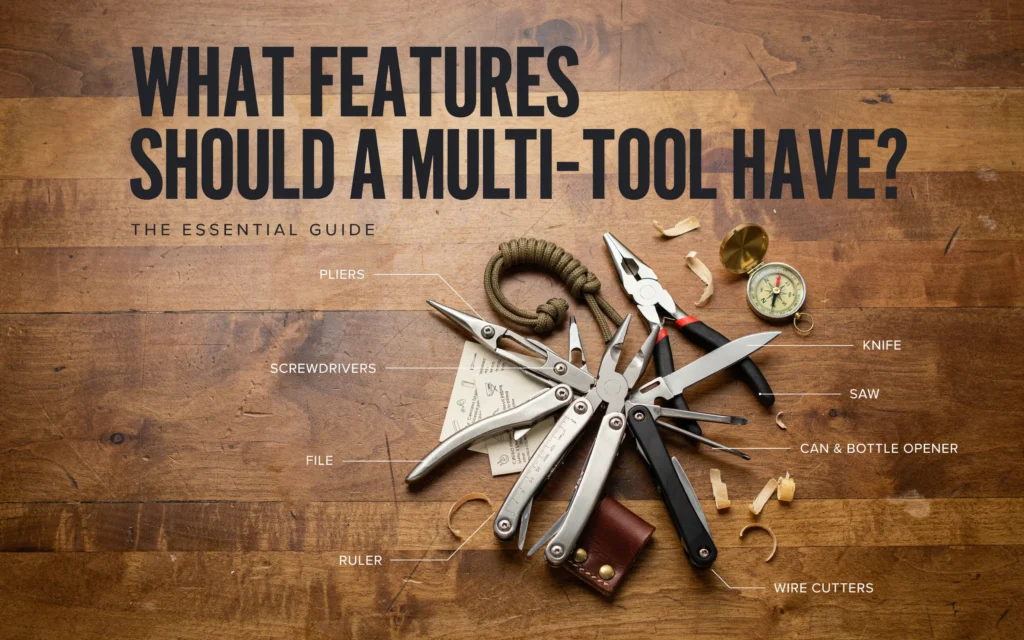
Ruler
Some multi-tools include a ruler marked on the handle or a tool. This is useful for quick measurements when you do not have a tape measure handy.
| Extra Tool | Best For | Nice To Have For |
|---|---|---|
| Scissors | Paper, packages, thread | Office workers, travelers |
| Saw | Wood, plastic, bone | Campers, hunters, DIYers |
| File | Smoothing, sharpening | Metalworkers, woodworkers |
| Bottle opener | Drinks | Everyone |
| Can opener | Food | Campers, survivalists |
| Awl | Poking holes | Leatherworkers, DIYers |
Build Quality and Materials: What Makes a Multi-Tool Last?
A multi-tool is an investment. You want it to last for years. So what features should a multi tool have in terms of build quality?
Stainless Steel
Most multi-tools are made from stainless steel. This material resists rust and stands up to heavy use. But not all stainless steel is equal. Higher-quality steel holds an edge longer and resists bending or breaking.
Handle Material
Handles are often stainless steel too. Some models add grip texture or rubber inserts for better hold. This matters because you will be using your tool in all kinds of conditions. Wet or oily hands need a good grip.
Rivets and Pivots
The joints where tools fold out need to be strong. Look for tools with solid rivets or screws. Screws are better because you can tighten them if they get loose over time.
Warranty
A good warranty shows the company stands behind its product. Leatherman, for example, offers a 25-year warranty on many of their tools. This gives you peace of mind.
As Tim Leatherman, founder of Leatherman Tool Group, once said: “A multi-tool should be built like a tank but feel like a precision instrument in your hand.”
Size, Weight, and Portability: Finding the Right Balance
One of the most important questions around what features should a multi tool have is about size. A tool with 20 features is great, but if it is too heavy, you will leave it at home.
Heavy-Duty Tools
These are for professionals who need serious strength. They have larger pliers, longer blades, and more tools. They are heavier, usually over 8 ounces, and meant for tough jobs.
Full-Size Tools
This is the most popular category. They offer a great mix of capability and portability. They are comfortable to carry in a pocket, sheath, or backpack. The Leatherman Wave+ falls into this group and has been a bestseller for over 20 years.
Pocket-Size Tools
These are lighter and smaller. They include only the essential features. They are easy to carry without adding much bulk.
Keychain Tools
These are tiny multi-tools that weigh just a few ounces. They are always with you because they clip to your keys. They are great for quick fixes but cannot handle heavy work.
Locking Mechanisms: Safety First
A tool that folds shut while you are using it is dangerous. That is why locking mechanisms are crucial. So what features should a multi tool have for safety?
Locking Blades
The knife blade should lock open. This prevents it from closing on your fingers during use. Most modern multi-tools have this.
Locking Drivers and Other Tools
Screwdrivers and other implements should also lock. This gives you more control and prevents slipping.
Slide Locks vs. Button Locks
There are different lock styles. Slide locks are common and easy to use. Button locks are faster but can be harder to operate with gloves. Both work well.
Frame Locks and Liner Locks
These are common on knife-based multi-tools. They use a piece of metal that slides behind the blade to hold it open. They are strong and reliable.
One-Handed Operation: Convenience Matters
Being able to open your tool with one hand is a big deal. You might be holding something with your other hand. Or you might be in a tight spot.
Outside-Accessible Tools
Some multi-tools have tools that are accessible from the outside. You do not need to open the pliers to get to the knife or screwdriver. This is much faster and more convenient.
One-Hand Opening Blades
Many tools have thumb studs or holes on the blade. You can push these with your thumb to open the blade one-handed.
Free Technology
Some premium models use magnetic systems for smooth, one-handed operation. The Leatherman Arc, for example, uses Free Technology. Every tool can be opened with one hand, including the pliers.
As knife expert Howard Korn puts it: “A multi-tool that requires two hands to open is a multi-tool you will use less often. One-handed access changes everything.”
Carrying Options: How Will You Pack It?
A multi-tool is only useful if you have it with you. So what features should a multi tool have for easy carry?
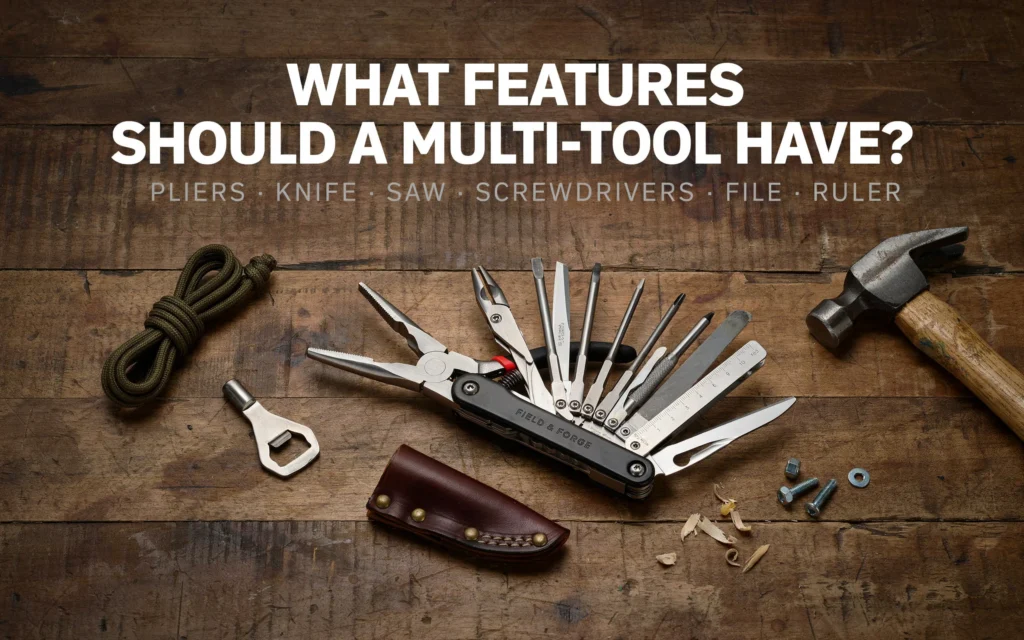
Pocket Clip
A pocket clip lets you attach the tool to your pocket. This keeps it accessible and prevents it from bouncing around.
Sheath
Many multi-tools come with a nylon or leather sheath. This protects the tool and lets you carry it on your belt.
Lanyard Ring
A small ring where you can attach a cord or keychain. This is useful if you work at heights or want to keep the tool secure.
Carabiner
Some models include a carabiner. This can clip to a belt loop, backpack, or gear. It often doubles as a bottle opener.
Special Purpose Features: For Specific Needs
Some multi-tools include features for specific activities. These might not be for everyone, but they are exactly what some people need.
For Camping and Outdoor Use
For Cycling
- Chain breaker for fixing bike chains
- Spoke wrenches in various sizes
- Tire levers for changing flats
For Electrical Work
For Everyday Carry (EDC)
- Pocket clip for easy access
- Compact size for minimal bulk
- Essential tools only to keep weight down
Comparing Popular Models: What Features Do They Have?
To help you see what features should a multi tool have in practice, let us compare three popular models.
Leatherman Wave+
This is the gold standard for full-size multi-tools. It has 18 tools, including outside-accessible blades, a saw, a file, and interchangeable bit drivers. It weighs 8.5 ounces and has been a top seller for over two decades.
Leatherman Arc
This is a premium tool with 20 functions. It features a MagnaCut steel blade, magnetic Free Technology for one-handed opening, and a bit driver. It is more expensive but offers top-tier quality.
Leatherman Skeletool CX
This is a minimalist tool with only the most-used features. It has pliers, a knife, a bit driver, and a carabiner/bottle opener. It is lightweight and great for everyday carry.
Making Your Decision: Putting It All Together
So after all this, what features should a multi tool have for you? Here is a simple way to decide.
First, think about your daily activities. Do you work with your hands? Do you spend time outdoors? Do you just want something for occasional household fixes?
Second, list the tools you use most often. If you never use a saw, do not pay extra for one. If you always need scissors, make sure your tool has good ones.
Third, consider how you will carry it. If you wear jeans with deep pockets, a full-size tool works. If you wear dress pants, a smaller tool is better.
Fourth, set a budget. You can find good multi-tools for under $50. Premium models cost over $100. The extra money usually gets you better steel, smoother operation, and more features.
Fifth, check the warranty. A good warranty shows the company believes in its product.
As the team at GearJunkie notes: “You never realize how much you need a multitool until you start carrying one.”
Frequently Asked Questions
What features should a multi tool have for everyday carry?
For everyday carry, focus on pliers, a knife, screwdrivers, and scissors. Keep it lightweight and pocket-friendly. A pocket clip is a big plus. Look for outside-accessible tools so you can open them quickly.
What is the most important feature in a multi-tool?
The most important feature is the one you will use most. For most people, that is the knife or the pliers. But build quality matters just as much. A tool that breaks is useless.
How many tools should a good multi-tool have?
Quality matters more than quantity. A tool with 10 well-made tools is better than one with 20 cheap tools. Look for the tools you actually need.
Are expensive multi-tools worth the money?
Often yes. Premium tools use better steel, have smoother operation, and come with longer warranties. They last longer and work better.
Can a multi-tool replace a full toolbox?
No. A multi-tool is for quick fixes and emergencies. It cannot replace dedicated tools for big projects. But it is perfect for when you do not have your toolbox nearby.
What should I look for in multi-tool pliers?
Look for needlenose and regular jaws, wire cutters, and hard-wire cutters. Spring-action pliers are easier to use. Make sure the pliers feel sturdy and do not wiggle.
Is a locking blade important?
Yes. A locking blade prevents the knife from closing on your fingers. It is a safety feature you should not skip.
What is the best multi-tool brand?
Leatherman, Gerber, SOG, and Victorinox are the top brands. They have a long history of making quality tools. Leatherman is often considered the industry leader.
Conclusion
So what features should a multi tool have? The answer is personal. Start with the basics: pliers, a knife, and screwdrivers. Add tools that match your lifestyle. Prioritize build quality, locking mechanisms, and ease of use. Choose a size and weight you will actually carry.
Remember, the best multi-tool is the one you have with you. A tool with 30 features is useless if it stays in your drawer. A simple tool with 10 features is invaluable if it is always in your pocket.
Take your time. Read reviews. Handle a few tools if you can. Find the one that feels right in your hand. Once you do, you will wonder how you ever managed without it.
Whether you are fixing a loose screw, opening a package, or preparing for an outdoor adventure, the right multi-tool makes every task easier. Now you know exactly what features to look for. Go find your perfect match.
Related posts
 Which Tool Kit Is Worth Buying? How to Choose the Right Set for Your Home
Wondering which tool kit is worth buying? Compare basic household sets, mechanic kits, and power tool combos to find the best tools for your budget and…
 Which Hand Tools Are Made in the USA? Reliable Brands and Buying Rules
Discover which hand tools are still made in the USA. Compare top domestic brands, tool categories, and learn how to verify origin labels before buying. Several…
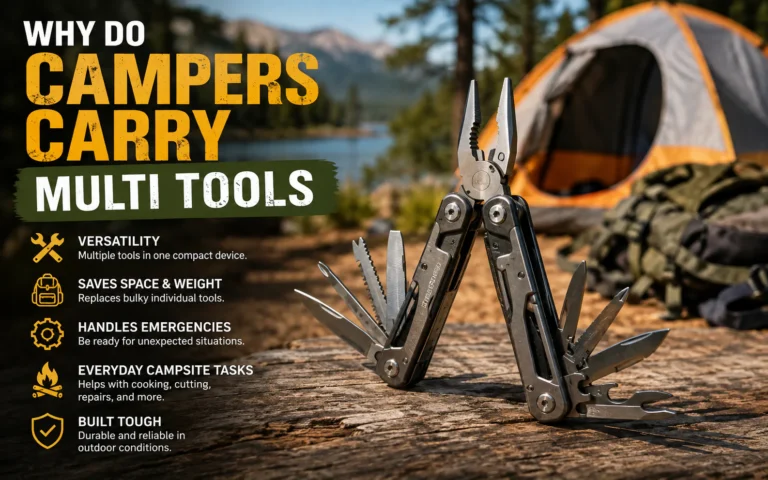 Why Do Campers Carry Multi Tools? Practical Uses in the Field
Why do Campers carry multi tools to handle gear repairs, campsite setup, food prep, and field fixes with minimal weight. Here is why one belongs in…