
Can A Multi-Tool Replace A Home Tool Kit
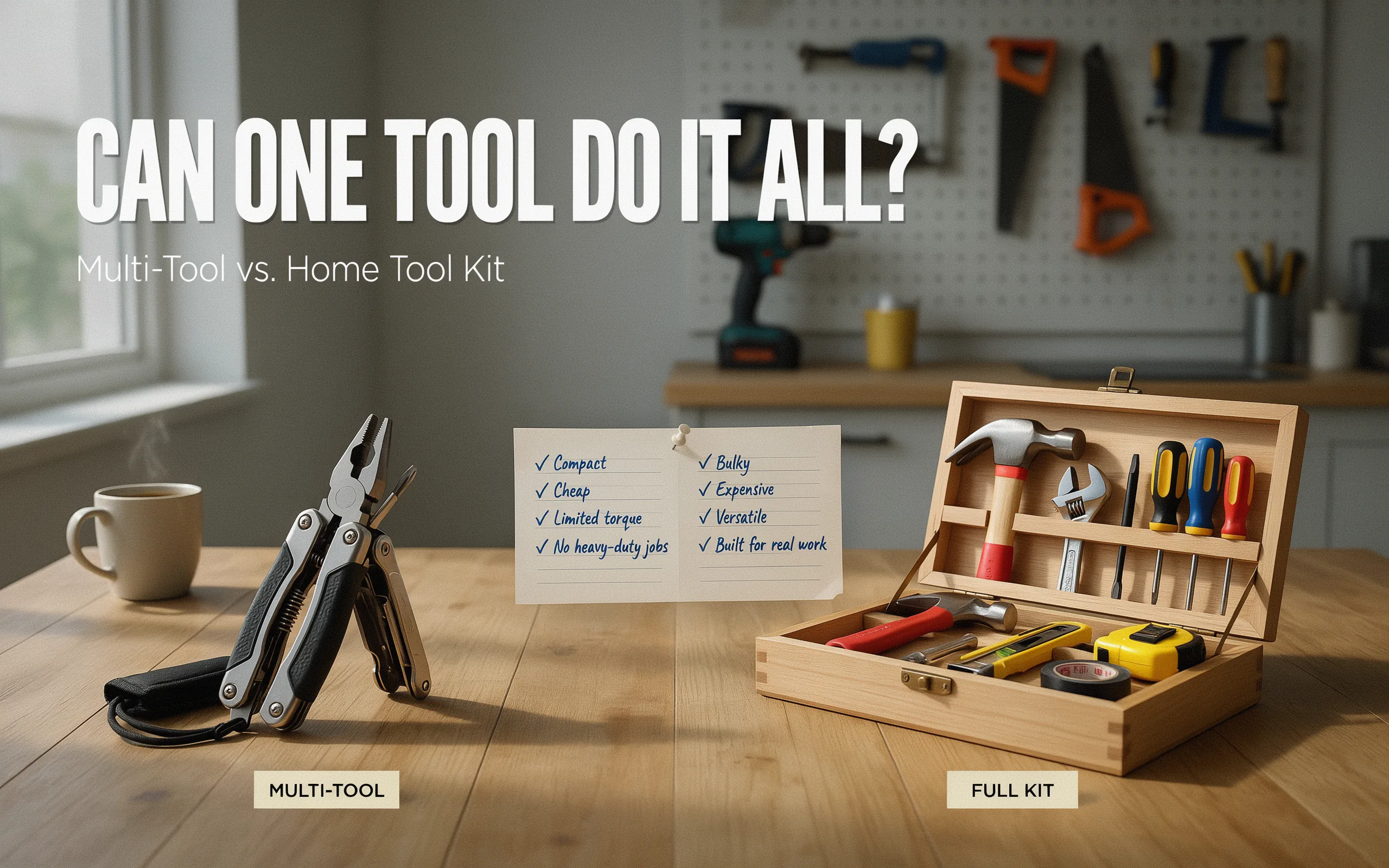
The question “can a multi-tool replace a home tool kit” comes up often for renters and new homeowners. A multi-tool handles small fixes like screws and cuts, but for bigger repairs you still need a basic kit with pliers, a hammer, and a wrench.
You live in a small apartment. You do not have much storage space. You see a shiny multi-tool at the store. It has pliers, screwdrivers, a knife, and a bottle opener all in one. You start to wonder: can a multi-tool replace a home tool kit?
This is a great question. Many people ask it. They want to save money. They want to save space. They want one tool that does everything. But is that realistic? Let me help you find the answer.
I have used multi-tools for years. I also own a full home tool kit. I have fixed leaky faucets, hung pictures, and built shelves. I learned the hard way what works and what does not. So let me share my experience with you.
What Is a Multi-Tool and What Can It Do?
A multi-tool is a handheld device. It folds like a pocket knife. Inside it has many small tools. These include needle-nose pliers, wire cutters, several screwdrivers, a knife blade, a saw, a file, and often a can or bottle opener.
Some models add scissors, tweezers, or a small ruler. The best known brands are Leatherman, Victorinox (Swiss Army Knife), and Gerber.
A multi-tool works well for small jobs. You can tighten a loose screw on a cabinet hinge. You can cut a piece of rope. You can open a package. You can strip a wire. You can even file a rough edge on a piece of plastic.
“If the only tool you have is a hammer, you treat everything as a nail.” – Abraham Maslow
This quote fits perfectly here. A multi-tool gives you many small tools. But each one is a tiny version of the real thing. That limits what you can do with it.
What Does a Typical Home Tool Kit Contain?
A standard home tool kit is a box or bag. It holds full-sized tools. These tools are made for real work. They give you power and control.
The Most Common Tools in a Home Kit
Here is what most basic home tool kits include:
- Claw hammer – for driving and pulling nails
- Screwdrivers – flathead and Phillips in several sizes
- Adjustable wrench – for tightening nuts and bolts
- Pliers – standard and long-nose
- Tape measure – at least 16 feet long
- Utility knife – with replaceable blades
- Level – to hang things straight
- Allen wrenches – for furniture assembly
- Needle-nose pliers – for tight spaces
- Wire cutters / strippers
Some kits also include a hand saw, a putty knife, a rubber mallet, and a set of drill bits.
Now compare that to a multi-tool. The multi-tool has small versions of pliers, screwdrivers, and a knife. But it has no hammer. No tape measure. No level. No adjustable wrench that actually fits a pipe.
So can a multi-tool replace a home tool kit? Not if you need a hammer or a measuring tape.
The Pros of Using a Multi-Tool for Home Tasks
Let me be fair. A multi-tool has real benefits. For some people, it may be enough.
Portability and Convenience
A multi-tool fits in your pocket. You can carry it anywhere. You do not need a heavy box. You do not need a trip to the garage. If you live in a tiny studio, this matters a lot.
You can take a multi-tool on a camping trip. You can keep one in your car glove box. You can throw one in your backpack. A full tool kit stays at home. The multi-tool goes with you.
Good for Emergencies
Imagine a drawer handle falls off at 10 PM. You have no big tool kit nearby. But you have a multi-tool in the kitchen drawer. You pull out the screwdriver and fix it in two minutes.
Or a picture frame wire breaks. You use the pliers to twist a new wire. A small leak drips from a garden hose. You tighten the fitting with the multi-tool’s pliers.
For sudden small problems, a multi-tool is a lifesaver.
“The right tool makes any job easier.” – Bob Vila
Bob is correct. But he also knows that the “right tool” for a big job is not a pocket-sized gadget.
The Limits of a Multi-Tool Compared to a Full Kit
Now the hard truth. A multi-tool has real limits. You will feel them the moment you try a serious repair.
Lack of Leverage and Comfort
Full-sized tools have long handles. Long handles give you leverage. Leverage helps you turn a stuck screw. Leverage helps you cut a thick wire.
A multi-tool has short handles. Your hand gets tired fast. You cannot apply much force. You might even hurt your palm.
Also the grips are metal and hard. Real tools have rubber or plastic handles. They are shaped for your hand. They do not slip.
No Heavy-Duty Capabilities
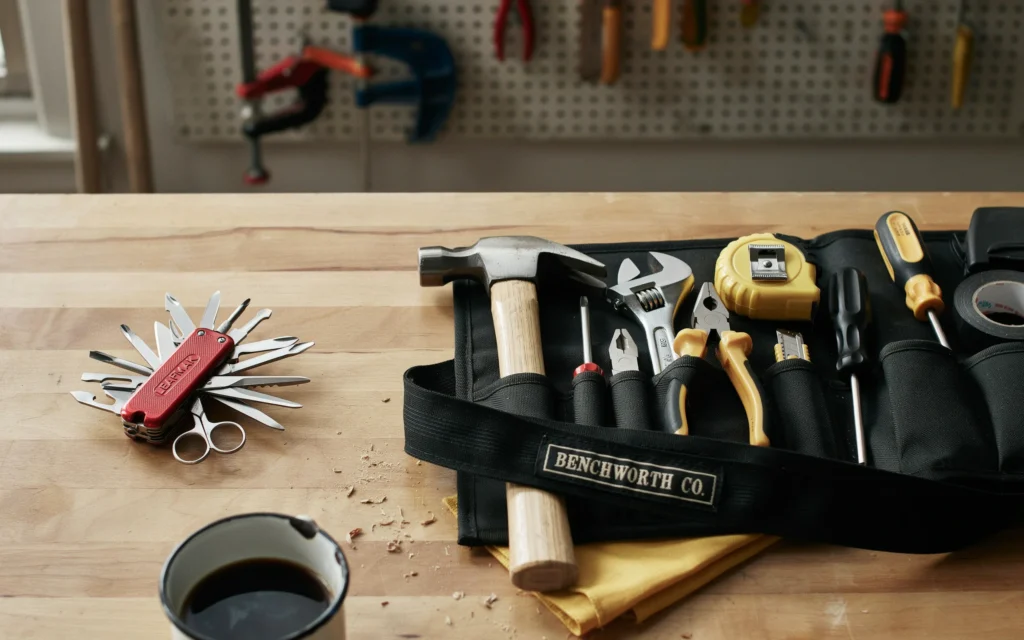
Try to hammer a nail with a multi-tool. You cannot. There is no hammer.
Try to cut a 2×4 piece of wood. The tiny saw on a multi-tool will take ten minutes. Your arm will ache. A real hand saw does it in thirty seconds.
Try to loosen a rusted bolt on a lawnmower. The small pliers will slip. The bolt will not move. A real wrench or socket set breaks it free easily.
Try to measure a wall for a new shelf. No tape measure on the multi-tool. You guess. The shelf ends up crooked.
These limits matter. They answer the question: can a multi-tool replace a home tool kit? For big jobs, no.
Table 1: Multi-Tool vs Home Tool Kit at a Glance
| Feature | Multi-Tool | Home Tool Kit |
|---|---|---|
| Size | Fits in pocket | Needs a box or bag |
| Weight | 5 to 10 ounces | 5 to 15 pounds |
| Number of tools | 10 to 20 small functions | 10 to 30 full-sized tools |
| Hammer included | No | Yes |
| Tape measure | No | Yes |
| Level | No | Yes |
| Leverage | Very low | High |
| Comfort for long use | Poor | Good |
| Best for | Small, quick fixes | All home repairs |
| Price range | $30 to $150 | $40 to $200 for a basic kit |
When a Multi-Tool Works Well
You do not always need a full kit. Sometimes a multi-tool is perfect.
Quick Fixes Around the House
A loose screw on a door hinge. A wobbly table leg. A toy that needs a new battery cover opened. A stubborn twist tie on a bread bag. A hangnail that needs a tiny file.
These are five-second jobs. You do not want to walk to the garage. You do not want to open a heavy tool box. You want a small tool in your hand right now.
That is where the multi-tool shines.
Small Apartments and Dorm Rooms
If you rent a room or live in a dorm, you have no space. You cannot store a big tool kit. You might not even own a car to go buy tools.
A multi-tool sits in a desk drawer. It gives you basic repair power. You can tighten your bed frame. You can fix a loose laptop hinge. You can open a stuck drawer.
For a college student or a city renter, a multi-tool may be all you need.
“Simplicity is the ultimate sophistication.” – Leonardo da Vinci
A multi-tool is simple. It is one object that does many small jobs. For a simple life with few possessions, that is very sophisticated.
When You Still Need a Real Tool Kit
Let me be clear. There are many times a multi-tool will fail you.
Major Repairs and Renovations
You want to build a bookshelf. You need to measure, cut wood, hammer nails, and check for level. A multi-tool cannot do any of those well. You cannot measure. The saw is too small. No hammer. No level.
You want to fix a running toilet. You need to remove a large nut inside the tank. The multi-tool pliers are too small. They cannot reach. You need an adjustable wrench or channel-lock pliers.
You want to change a light fixture. You need to strip thick electrical wire. The multi-tool’s wire stripper is for thin wire only. You also need a voltage tester. A multi-tool does not have that.
Projects That Need Precision
Think about hanging a heavy mirror. You need a stud finder. You need a level. You need a drill or a hammer and nail. The multi-tool gives you none of these.
Think about assembling flat-pack furniture from IKEA. That furniture needs an Allen wrench. Many multi-tools do include a small Allen key. But the handle is short. You will struggle to tighten the bolts. A real Allen wrench with a long end works much better.
So can a multi-tool replace a home tool kit for these tasks? No. You will get frustrated. You might break your multi-tool. You might hurt yourself trying to force it.
Table 2: Best Tool for Common Home Tasks
| Task | Best Choice | Why |
|---|---|---|
| Tighten a loose screw on a hinge | Multi-tool or screwdriver | Both work, but multi-tool is faster if nearby |
| Hang a heavy picture frame | Full tool kit (level, hammer, tape measure) | Need accuracy and strength |
| Open a stuck paint can | Multi-tool (flathead screwdriver) | Quick and easy |
| Build a wooden bench | Full tool kit (saw, hammer, square, drill) | Multi-tool cannot handle lumber |
| Fix a leaky pipe under sink | Full tool kit (adjustable wrench, plumber’s tape) | Need leverage and reach |
| Cut a cardboard box for recycling | Multi-tool (knife blade) | Perfect for this |
| Assemble IKEA furniture | Full tool kit (Allen wrench set, rubber mallet) | Multi-tool Allen key is too short |
| Replace a broken door lock | Full tool kit (screwdrivers, tape measure) | Need precise fit and multiple bits |
Can a Multi-Tool Replace a Home Tool Kit? The Final Answer
Let me give you a straight answer. No, a multi-tool cannot fully replace a home tool kit. But it can replace a home tool kit for some people some of the time.
If you own a house, do any DIY projects, or fix things often, you need a real tool kit. The multi-tool is a backup. It is a helper. It is not the main solution.
If you live in a small apartment, rent, or rarely fix things, a multi-tool might be enough. You can handle 80% of your small repairs. For the other 20%, you can borrow a tool from a neighbor or a building super.
So ask yourself: what kind of person are you? Do you like building things? Do you own your home? Do you fix leaky faucets yourself? Then buy a real tool kit. And also buy a multi-tool for quick jobs.
Do you just need to tighten a screw once a month? Get a good multi-tool. Skip the big kit.
How to Use Both Together
The best approach is to own both. Keep a small multi-tool in your kitchen drawer or your car. Keep a basic home tool kit in a closet or garage.
Use the multi-tool for small, easy, fast tasks. Use the full kit for serious repairs, measuring, hammering, and cutting.
This way you are always ready. You never struggle with the wrong tool.
I have lived this way for ten years. My multi-tool saves me many trips to the basement. But my hammer and tape measure save me from bad results. Both have their place.
Frequently Asked Questions (FAQ)
Q: Can a multi-tool replace a home tool kit for a new homeowner?
No. A new homeowner needs to do many tasks like hanging curtains, fixing fences, and assembling furniture. A multi-tool lacks a hammer, level, tape measure, and large pliers. Buy a basic 50-piece tool kit first, then add a multi-tool later.
Q: What is the best multi-tool for home use?
Look for one with Phillips and flathead screwdrivers, needle-nose pliers, wire cutters, a knife, and a saw. Brands like Leatherman Wave+ or Victorinox SwissTool are good choices. Avoid very cheap models under $20, as the steel is soft and will bend.
Q: How many times should I use the keyword “can a multi-tool replace a home tool kit”?
You already see it used naturally throughout this article. The answer is clear: for light use yes, for heavy use no.
Q: Can I use a multi-tool for electrical work?
Only for very simple tasks like stripping thin wires. Never use a metal multi-tool on live wires. It does not have insulated handles. You could get shocked. Buy proper electrical tools for safety.
Q: Will a multi-tool break if I use it too hard?
Yes. The small hinges and thin metal parts can snap. I have broken two multi-tools trying to cut thick wire and turn stuck screws. Respect the limits of the tool.
Q: What should I do if I have no space for a full tool kit?
Buy a small plastic toolbox that fits under your bed. Fill it with the six most important tools: hammer, screwdriver with interchangeable bits, adjustable wrench, needle-nose pliers, tape measure, and utility knife. That takes little space and costs less than $50. Then add a multi-tool if you wish.
Conclusion
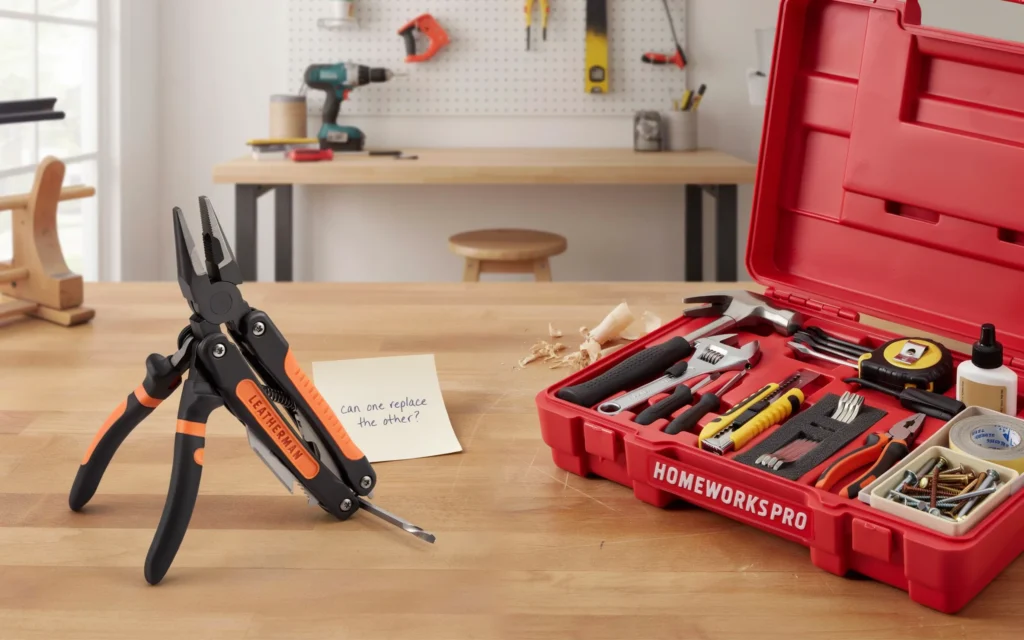
So let me wrap this up. Can a multi-tool replace a home tool kit? The honest answer is no for most people. But yes for a few people with very simple needs.
A multi-tool is a wonderful helper. It is portable, clever, and fun to use. It solves many small problems in seconds. I always carry one with me.
But a real home tool kit gives you power. It gives you leverage, accuracy, and strength. You cannot hang a shelf with a multi-tool. You cannot fix a running toilet. You cannot build a birdhouse.
My advice to you is this: start with a basic home tool kit. Spend $50 to $75 on a good set. Then buy a multi-tool for $40 to $100. Keep both. Use the multi-tool every day for little things. Use the full kit when things get real.
You will be happy you did. Your home will stay in good shape. And you will never be the person trying to hammer a nail with a pair of pliers.
Related posts
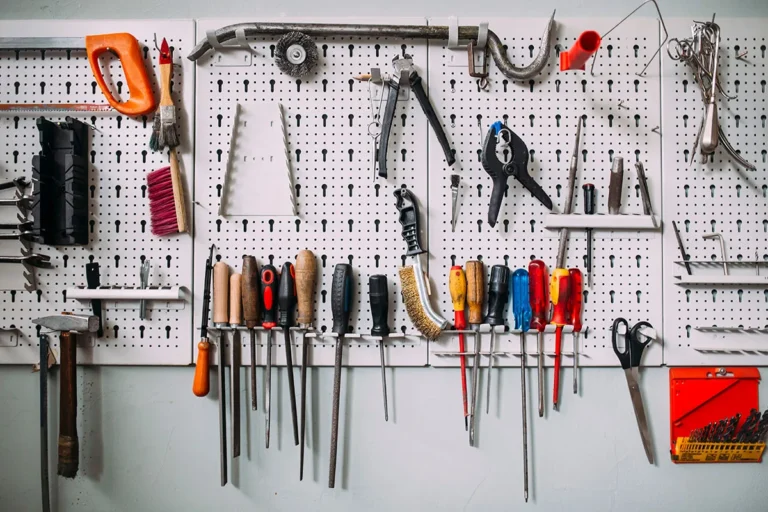 Top Home Tool Kits for Seniors: 2026 Practical Guide
Discover the top home tool kits for seniors in 2026. We compare compact, easy-to-use sets perfect for daily household repairs, furniture assembly, and DIY tasks. Finding…
 Top Home Tool Kits for Women: 2026 Buyer Guide
Discover the top home tool kits for women in 2026. Compare top-rated sets for DIY, furniture assembly, and household repairs to find your perfect match. Finding…
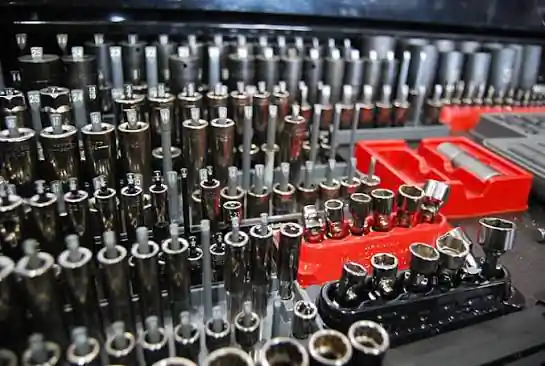 Top Home Tool Kits for Basic Home Repairs 2026
Find the top home tool kits for basic home repairs in 2026. Compare top-rated sets for DIY projects, furniture assembly, and daily household maintenance. Every home…