
Why Multi Tools Are Useful: Pocket and Power Tool Benefits Explained
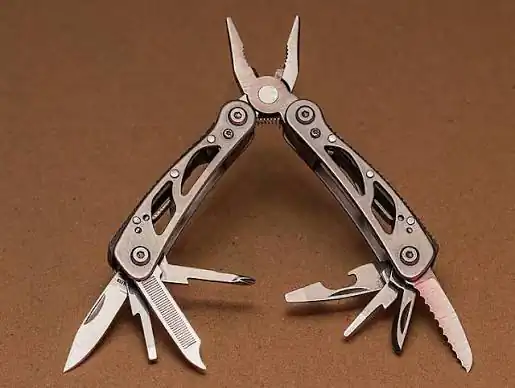
Multi-tools are incredibly useful because they consolidate several specialized functions into a single, compact device. Instead of carrying a heavy toolbox or searching for individual instruments, you have immediate access to blades, pliers, screwdrivers, or cutters. This consolidation saves physical space, reduces weight, and saves time during quick repairs, outdoor adventures, or home improvement projects.
When people talk about multi-tools, they generally refer to one of two distinct categories: pocket multi-tools (like folding pliers and Swiss Army knives) or oscillating power multi-tools (used for construction and DIY). Both types serve the same core purpose: solving unexpected problems quickly without requiring a trip back to a dedicated workshop.
To get the most out of these versatile devices, it helps to understand their specific strengths, their practical limitations, and how they compare to dedicated, single-purpose tools.
Pocket multi-tool benefits
- Multi-tools save space, time, and weight by combining several functions into one compact body.
- Pocket multi-tools are designed for convenience, quick fixes, and emergency preparedness.
- Oscillating power multi-tools excel at precise, awkward cuts and sanding in tight spaces.
- While highly versatile, multi-tools are a compromise and do not fully replace high-quality dedicated tools for heavy-duty work.
| Topic | When it helps | What to keep in mind |
|---|---|---|
| Pocket Multi-Tools | Hikers, campers, technicians, and anyone wanting a lightweight daily backup tool. | The folding joints can fail under extreme torque, and the short handles limit leverage. |
| Oscillating Power Multi-Tools | Home renovators, woodworkers, and DIYers tackling detail work. | They generate significant dust and noise, and cheap blades dull very quickly. |
Why Pocket Multi-Tools Are Essential for Daily Life
Pocket multi-tools excel because they are always within arm’s reach. In most daily situations, the biggest barrier to fixing a minor problem is the friction of going to find the right tool. A pocket tool eliminates this barrier entirely. Whether you need to open a stubborn package, tighten a loose hinge, or bend a piece of wire, having a capable set of pliers and drivers on your hip saves valuable time.
These tools are also highly valued in outdoor and survival contexts. When backpacking, every ounce of weight matters. Carrying individual pliers, a saw, a knife, and a file is impractical. A single high-quality multi-tool provides all of these functions at a fraction of the weight, ensuring you can make gear repairs miles away from civilization.
Tightening a loose screw on an office chair or cutting a zip tie off a new package without searching for scissors.

Do not use pocket pliers as a replacement for a heavy-duty wrench when working on rusted automotive bolts; you risk stripping the bolt or bending the multi-tool frame.
- Immediate accessibility for spontaneous, small-scale repairs.
- Drastically reduces pack weight for hikers, campers, and cyclists.
- Provides peace of mind as a compact emergency kit in a car glovebox.
- Combines multiple functions like wire stripping, filing, and bottle opening into one unit.
How Oscillating Multi-Tools Solve Complex DIY Problems
On the power tool side, the oscillating multi-tool is a problem solver for awkward tasks. Traditional saws require a back-and-forth or circular motion, which demands physical clearance. Oscillating tools, however, vibrate at thousands of strokes per minute over a tiny arc. This allows them to make precise plunge cuts directly into drywall, wood, or plasterboard without damaging surrounding materials.
This unique action makes them incredibly useful for remodeling work. For example, when installing new flooring, you often need to trim the bottom of door frames so the planks can slide underneath. An oscillating tool with a flush-cut blade makes this task simple, clean, and fast. It also excels at removing old grout, scraping away stubborn adhesives, and sanding tight corners where detail sanders cannot reach.
Trimming the bottom of a door casing flush with new flooring using a wood-cutting plunge blade.
Avoid forcing the tool forward too hard while cutting; let the high-frequency oscillation do the work to prevent overheating the motor and burning the wood.
- Makes precise plunge cuts in drywall and wood without pilot holes.
- Allows flush cutting against walls, floors, and ceilings.
- Sands deep into tight corners and narrow crevices.
- Quickly removes old grout, caulk, and dried construction adhesives.
The Reality Check: Multi-Tools vs. Dedicated Tools
While multi-tools are incredibly useful, they are fundamentally a compromise. A pocket multi-tool screwdriver will never be as comfortable or ergonomic as a dedicated screwdriver with a full-sized handle. Similarly, an oscillating power tool can sand a small corner beautifully, but using it to sand an entire wooden deck would be highly inefficient compared to using a dedicated belt sander.
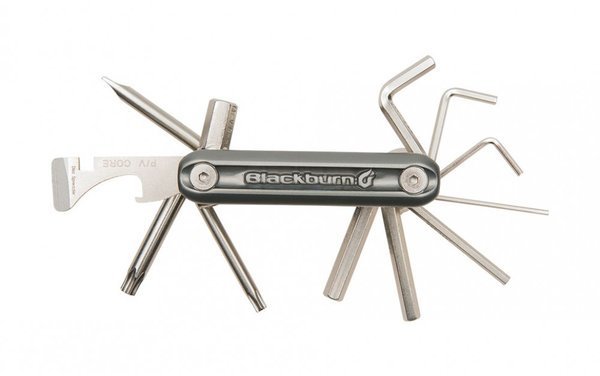
The value of a multi-tool lies in its versatility and convenience, not its raw power or specialized performance. It is the tool you use when you do not have your full toolbox nearby, or when the task is too small or awkward to justify bringing out larger machinery.
Using a dedicated screwdriver for assembling a large flat-pack bookshelf rather than relying on the short, awkward handle of a pocket multi-tool.
Do not expect a multi-tool saw blade to cut through thick lumber as quickly or cleanly as a dedicated hand saw or circular saw.
| Task Type | Best Tool Choice | Why This Choice Wins |
|---|---|---|
| Quick, spontaneous fixes | Pocket Multi-Tool | Immediate access without fetching a heavy toolbox. |
| Awkward, tight-space cuts | Oscillating Power Multi-Tool | Vibrational action allows flush cuts in tight corners. |
| Heavy-duty construction | Dedicated Power Tools | Higher torque, better ergonomics, and faster material removal. |
| Repetitive, high-volume tasks | Dedicated Hand Tools | Full-sized handles prevent hand fatigue and offer better leverage. |
Must cover both pocket multi-tools
Pocket Multi-Tools. Everyday Carry and Emergency Preparedness
These folding hand tools typically feature pliers, wire cutters, knives, screwdrivers, and bottle openers. They fit in a pocket or on a belt sheath, making them ideal for spontaneous fixes, camping, and emergency situations where a full toolset is unavailable.
- Hikers, campers, technicians, and anyone wanting a lightweight daily backup tool.
- The folding joints can fail under extreme torque, and the short handles limit leverage.
- Look for models with locking blades and tools to prevent accidental folding during use.
- Portability – Excellent
- Leverage – Low to Moderate
- Power Source – Manual
Oscillating Power Multi-Tools. Precision DIY and Remodeling
A motorized hand tool that uses rapid side-to-side vibrations to cut, sand, scrape, and grind. By swapping out accessory blades, you can tackle tasks that are nearly impossible with traditional saws, such as flush-cutting door jambs or removing old grout.
- Home renovators, woodworkers, and DIYers tackling detail work.
- They generate significant dust and noise, and cheap blades dull very quickly.
- Choose a tool with a toolless blade change system to save time during projects.
- Portability – Moderate
- Leverage – N/A (Motorized)
- Power Source – Corded or Battery
FAQs
Are pocket multi-tools actually useful for daily tasks?
Yes. They are highly useful for minor, unexpected tasks like opening boxes, tightening loose screws, bending wire, or pulling out splinters. They save you from having to walk to a garage or toolbox for simple fixes.
Can an oscillating multi-tool replace a circular saw?
No. An oscillating multi-tool is designed for precision, plunge cuts, and working in tight spaces. It cannot make long, straight, fast cuts through thick lumber as efficiently or accurately as a circular saw.
Is it worth spending more on a premium pocket multi-tool?
Generally, yes. Premium pocket multi-tools use higher-quality steel that holds an edge longer, feature stronger pivot points that won’t bend under pressure, and include reliable locking mechanisms for safety.
What is the most useful attachment for an oscillating tool?
The wood/metal plunge-cut blade is widely considered the most useful, as it allows you to cut through nails, copper pipes, drywall, and wood trim with a single accessory.
Conclusion
Multi-tools are useful because they bridge the gap between having no tools and having a complete workshop. They offer a practical, compact solution for a wide range of unexpected problems, whether you are miles out on a hiking trail or working in a tight corner under the kitchen sink.
By understanding the natural limitations of these versatile devices, you can use them safely and effectively. Keep a pocket tool handy for daily convenience, and consider an oscillating power tool for tricky home renovations, while keeping your dedicated tools ready for the heavy-duty jobs.
Related posts
 Which Tool Kit Is Worth Buying? How to Choose the Right Set for Your Home
Wondering which tool kit is worth buying? Compare basic household sets, mechanic kits, and power tool combos to find the best tools for your budget and…
 Which Hand Tools Are Made in the USA? Reliable Brands and Buying Rules
Discover which hand tools are still made in the USA. Compare top domestic brands, tool categories, and learn how to verify origin labels before buying. Several…
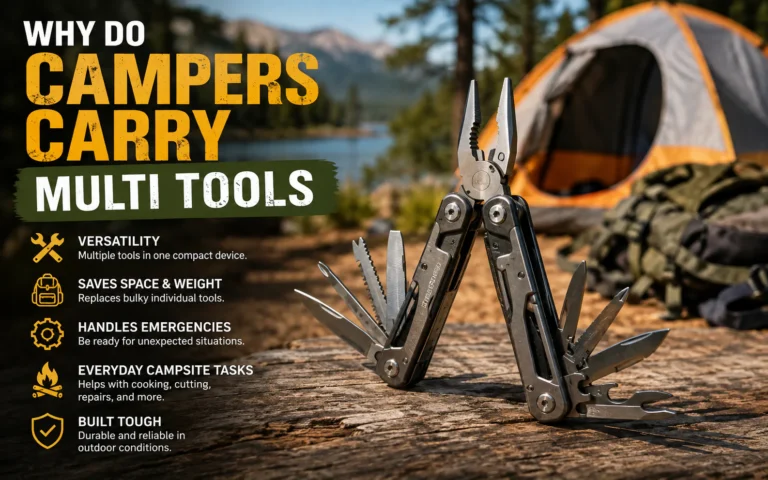 Why Do Campers Carry Multi Tools? Practical Uses in the Field
Why do Campers carry multi tools to handle gear repairs, campsite setup, food prep, and field fixes with minimal weight. Here is why one belongs in…