
How to Keep Children Safe Around Tools at Home: Essential Safety Tips

Keeping children safe around tools at home is a top priority for any parent or caregiver. Tools, from simple screwdrivers to power drills, can pose significant hazards if not handled and stored correctly. The key to preventing accidents is a combination of secure storage, constant supervision, and clear education about tool dangers. By implementing practical safety measures, you can create a safer home environment for your little ones.
Understanding the potential risks and taking proactive steps helps avoid injuries. This guide will walk you through effective strategies to protect children from tool-related accidents. You will learn about proper storage, safe work habits, and how to teach kids about tool safety.
Understanding the Risks Tools Pose to Children
Tools are designed for specific tasks, often involving sharp edges, moving parts, or electrical power. For curious children, these items can look like toys or interesting objects to explore. However, even small hand tools can cause serious injuries.
Children lack the judgment and coordination to use tools safely. Their small hands can easily get caught in moving parts. They might also mistake dangerous chemicals, like paint thinners or adhesives, for harmless liquids.
Common Hazards Associated with Tools
Different types of tools present various dangers. Knowing these specific risks helps you plan better safety measures.
- Sharp Edges: Knives, saws, chisels, and even screwdrivers can cause deep cuts.
- Pinch Points: Pliers, wrenches, and clamps can pinch fingers or skin.
- Heavy Objects: Hammers, mallets, and larger power tools can cause crushing injuries if dropped.
- Electrical Shock: Power tools with cords or batteries pose a risk of electric shock or burns.
- Flying Debris: Saws, drills, and grinders can throw off splinters, dust, or metal fragments.
- Chemical Exposure: Solvents, glues, paints, and lubricants stored with tools can be toxic if ingested or spilled.
Even seemingly harmless items like measuring tapes can snap back and cause eye injuries. It is important to treat all tools with respect and keep them out of reach.
Creating a Safe Storage System for Tools
The most effective way to keep children safe around tools is to store them securely. This means making them inaccessible when not in use. A dedicated storage area is essential for any home with tools.
Locked Cabinets and Drawers
For maximum security, store all tools in cabinets or drawers that can be locked. Use child-proof locks or padlocks to prevent access. This is especially important for power tools and sharp hand tools.
Ensure that the keys or combinations are kept in a place only adults can access. Do not leave keys in the lock or in an obvious spot nearby.
High Shelves and Out-of-Reach Areas
If locked storage isn’t possible for every item, place tools on high shelves. These shelves should be well above a child’s reach, even if they stand on a chair or stool. Make sure shelves are sturdy and securely mounted to the wall.
Consider the climbing abilities of your children. What is out of reach for a toddler might be accessible to an older child. Always aim for the highest possible storage.
Portable Toolboxes and Caddies
Portable toolboxes are useful for organizing and transporting tools. When not in use, these toolboxes should also be stored in a locked cabinet or on a high shelf. Many toolboxes come with a latch that can be secured with a small padlock.

Never leave a toolbox open or unattended, even for a short time. A child can quickly access its contents.
Securing Hazardous Materials
Remember that many chemicals used with tools are also dangerous. This includes paints, solvents, glues, oils, and cleaning agents. Store these items in their original containers with child-resistant caps.
Keep them in a separate, locked cabinet or on a high shelf, just like your tools. Proper ventilation is also important for chemical storage areas.
Supervision and Safe Work Practices
Even with the best storage, accidents can happen if tools are left out during a project. Active supervision and safe work habits are crucial when tools are in use.
Designating a Safe Work Zone
Before starting any project, create a clear work zone. This area should be off-limits to children. Use safety gates, barriers, or even a simple rope to mark the boundaries. Make sure children understand that they cannot enter this space without an adult.
If possible, work in a garage or workshop that can be closed off from the main living areas. This adds an extra layer of protection.
Never Leave Tools Unattended
This is a golden rule for tool safety. If you need to step away from your project, even for a moment, put all tools away. Store them back in their secure location or at least out of reach and sight. A child can grab a tool in seconds.
Unplug power tools when not in active use. This prevents accidental activation and reduces electrical hazards.
Involving Children Safely (Age-Appropriate Tasks)
As children get older, they may show interest in tools and projects. This can be a great learning opportunity, but it must be done safely. Start with age-appropriate tasks and always provide direct, hands-on supervision.
For very young children, toy tools are a safe way to mimic adult activities. For older children, consider simple tasks with blunt tools, like sanding wood or helping to hold a non-sharp item. Always wear safety glasses and other protective gear together.
Post-Project Cleanup
After every project, clean up thoroughly. Account for every tool and return it to its proper, secure storage spot. Sweep up any sawdust, nails, screws, or small debris that could cause injury.
Check the entire work area to ensure no hazardous items are left behind. This final step is just as important as the initial setup.

| Tool Type | Primary Hazards | Safe Storage Recommendation |
|---|---|---|
| Hand Saws & Knives | Cuts, deep lacerations | Locked cabinet, blade guards, high shelf |
| Hammers & Mallets | Crushing injuries, impact wounds | Locked drawer, heavy-duty toolbox |
| Screwdrivers & Chisels | Puncture wounds, cuts | Toolbox with individual slots, locked storage |
| Pliers & Wrenches | Pinch points, blunt force trauma | Locked drawer, organized tool board |
| Power Drills & Saws | Cuts, punctures, electrical shock, flying debris | Locked cabinet, unplugged, battery removed (if cordless) |
| Adhesives & Solvents | Chemical burns, poisoning (if ingested) | Separate locked chemical cabinet, child-resistant caps |
Teaching Children About Tool Safety
Education is a powerful tool in itself. As children grow, teaching them about the dangers of tools and how to respect them is vital. This helps them develop a sense of responsibility and caution.
Explaining Dangers Clearly
Use simple, direct language to explain why tools are dangerous. Avoid overly scary stories, but be firm about the potential for harm. For example, explain that a saw can cut skin, or a hammer can smash fingers.
Tailor your explanations to your child’s age and understanding. Use real-life examples they can relate to, like “This knife is sharp like the one we use for cutting food, but it’s much bigger and more dangerous.”
Setting Clear Rules
Establish clear, non-negotiable rules about tools. These rules should be consistent and reinforced regularly. Examples include:
- Never touch tools without an adult present.
- Tools are not toys.
- Stay out of the work area when an adult is using tools.
- Always ask before touching anything in the workshop or garage.
Make sure all caregivers and family members understand and enforce these rules consistently. Consistency helps children learn and remember.
Demonstrating Proper Use and Respect
When you use tools, model safe behavior. Always wear appropriate safety gear, such as safety glasses or gloves. Show children how you handle tools carefully and put them away immediately after use.
Explain why you are taking these precautions. For instance, “I wear these glasses to protect my eyes from flying wood chips.” This teaches them the importance of safety habits.
Emergency Preparedness and First Aid
Even with the best precautions, accidents can happen. Being prepared for emergencies is an important part of keeping children safe around tools at home.
First Aid Kit Essentials
Keep a well-stocked first aid kit easily accessible in your home and workshop. Ensure it contains items for common tool-related injuries.
- Sterile bandages and gauze pads for cuts and scrapes.
- Antiseptic wipes or solution to clean wounds.
- Medical tape to secure dressings.
- Pain relievers suitable for children.
- Tweezers for splinters.
- Burn cream for minor burns.
- Gloves for hygiene.
Regularly check the kit to replace expired items and restock supplies. Knowing where it is and how to use its contents saves valuable time.
Knowing When to Seek Professional Help
Some injuries require immediate medical attention. Teach yourself and other adults when to call for help. Do not hesitate to call emergency services (like 911 in the US) or go to an urgent care clinic.

- Deep cuts that won’t stop bleeding or expose muscle/bone.
- Puncture wounds, especially if caused by rusty or dirty objects.
- Severe burns.
- Head injuries.
- Any injury to the eyes.
- Suspected broken bones.
- Ingestion of hazardous chemicals.
Keep emergency contact numbers, including your pediatrician and poison control, readily available. Time is often critical in these situations.
Common Mistakes to Avoid
Even well-meaning parents can sometimes make errors that compromise tool safety. Being aware of these common pitfalls helps you prevent them.
- Leaving Tools “Just for a Minute”: A minute is all it takes for a child to grab a tool. Always put tools away immediately.
- Underestimating a Child’s Curiosity: Children are naturally curious and will explore. Assume they will try to get into anything they can reach.
- Relying Solely on Verbal Warnings: While important, verbal warnings are not enough. Physical barriers and secure storage are essential.
- Not Securing Chemicals: Remember that paints, glues, and solvents are just as dangerous as the tools themselves.
- Using Tools Around Children Without Supervision: If children are present, they need constant, direct supervision, or they should be in a separate, safe area.
- Forgetting Post-Project Cleanup: Small nails, screws, or sharp debris can be easily overlooked but still cause injury.
By avoiding these common mistakes, you significantly reduce the risk of accidents. A consistent and proactive approach to tool safety is always best.
FAQs
At what age can children start learning about tools?
Children can start learning about tools around age 5 or 6, but only with toy tools and under direct supervision. Real tools should be introduced much later, typically around 10-12 years old, starting with simple, blunt hand tools and always with close adult guidance and safety gear.
Are plastic toy tools safe for very young children?
Yes, plastic toy tools are generally safe for very young children and can be a great way to introduce them to the concept of tools. Ensure they are age-appropriate, durable, and do not have small parts that could be a choking hazard.
What should I do if my child gets injured by a tool?
First, assess the injury. For minor cuts or scrapes, clean the wound and apply a bandage from your first aid kit. For serious injuries like deep cuts, severe bleeding, head trauma, or suspected broken bones, seek immediate medical attention by calling emergency services or going to the nearest urgent care facility.
How do I secure power tools specifically?
Power tools should always be stored in a locked cabinet or secure area. For corded tools, unplug them after each use. For cordless tools, remove the battery pack when not in use and store it separately. This prevents accidental activation and reduces electrical risks.
Can I leave tools out if I’m just stepping away for a moment?
No, it is never safe to leave tools out, even for a moment. Children are quick and curious. Always put tools away in their secure storage location or at least out of reach and sight before stepping away from your work area.
Conclusion
Keeping children safe around tools at home requires a consistent and thoughtful approach. By understanding the risks, implementing secure storage solutions, practicing safe work habits, and educating your children, you create a much safer environment. Always prioritize secure storage, active supervision, and clear communication about tool dangers.
Take the time to review your home’s tool storage and work practices today. Make any necessary adjustments to ensure all tools are out of reach and securely stored, protecting your family from preventable accidents.
Related posts
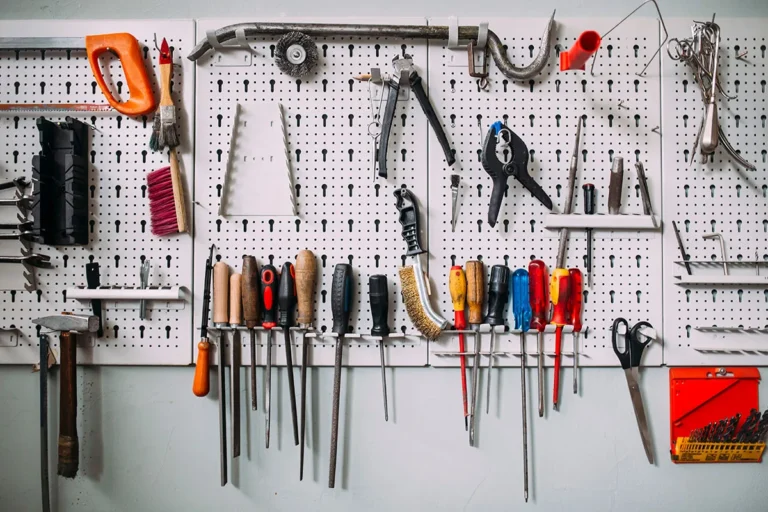 Top Home Tool Kits for Seniors: 2026 Practical Guide
Discover the top home tool kits for seniors in 2026. We compare compact, easy-to-use sets perfect for daily household repairs, furniture assembly, and DIY tasks. Finding…
 Top Home Tool Kits for Women: 2026 Buyer Guide
Discover the top home tool kits for women in 2026. Compare top-rated sets for DIY, furniture assembly, and household repairs to find your perfect match. Finding…
 Top Home Tool Kits for Basic Home Repairs 2026
Find the top home tool kits for basic home repairs in 2026. Compare top-rated sets for DIY projects, furniture assembly, and daily household maintenance. Every home…