
How to Identify Quality Hand Tools: A Practical Inspection Guide
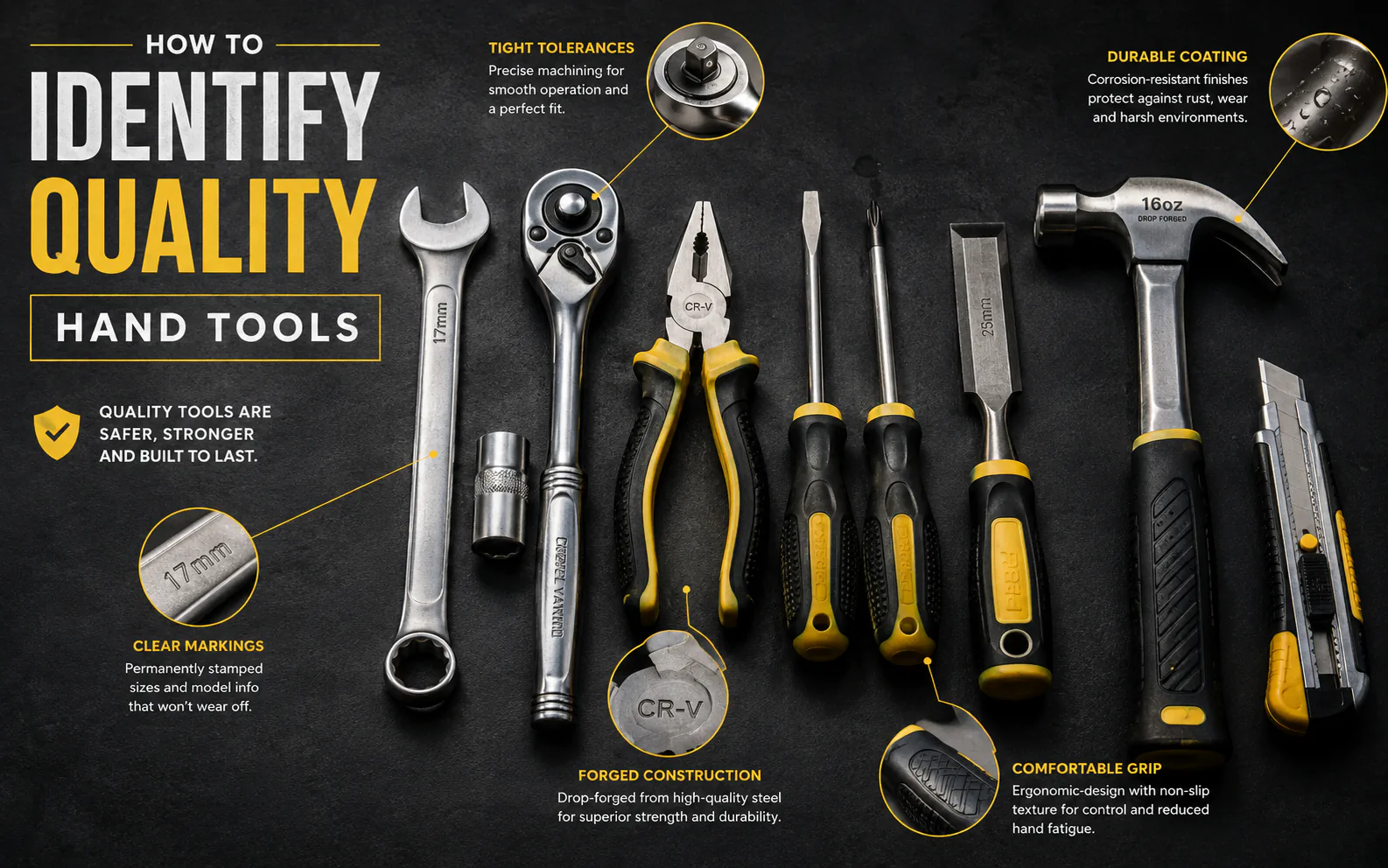
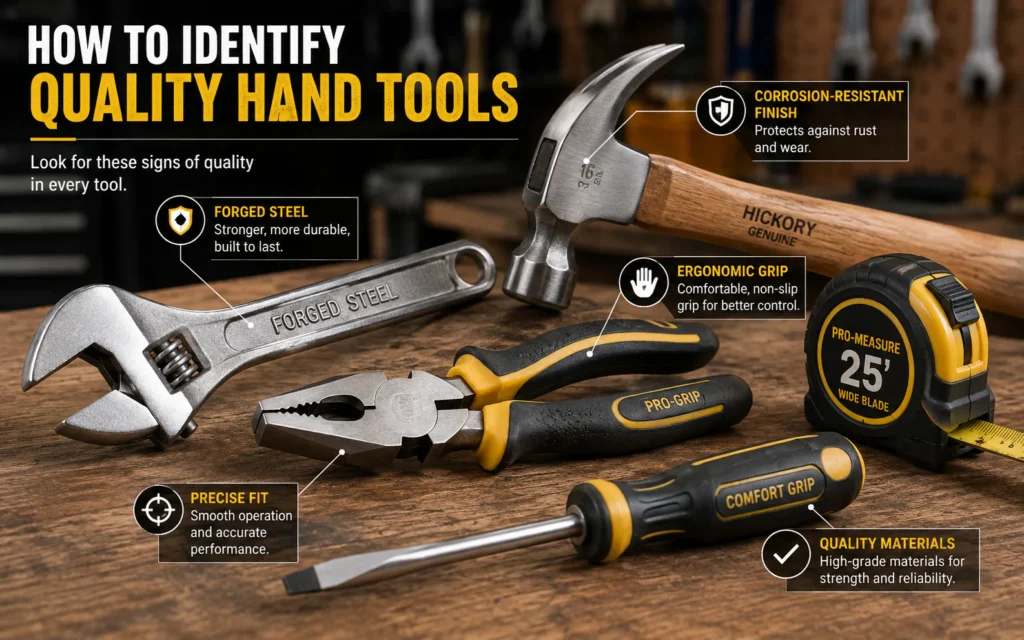
Identifying quality hand tools comes down to evaluating three core areas: the material, the precision of the manufacturing, and the ergonomic design. A quality tool is built to withstand repeated stress without deforming, chipping, or failing at the joints.
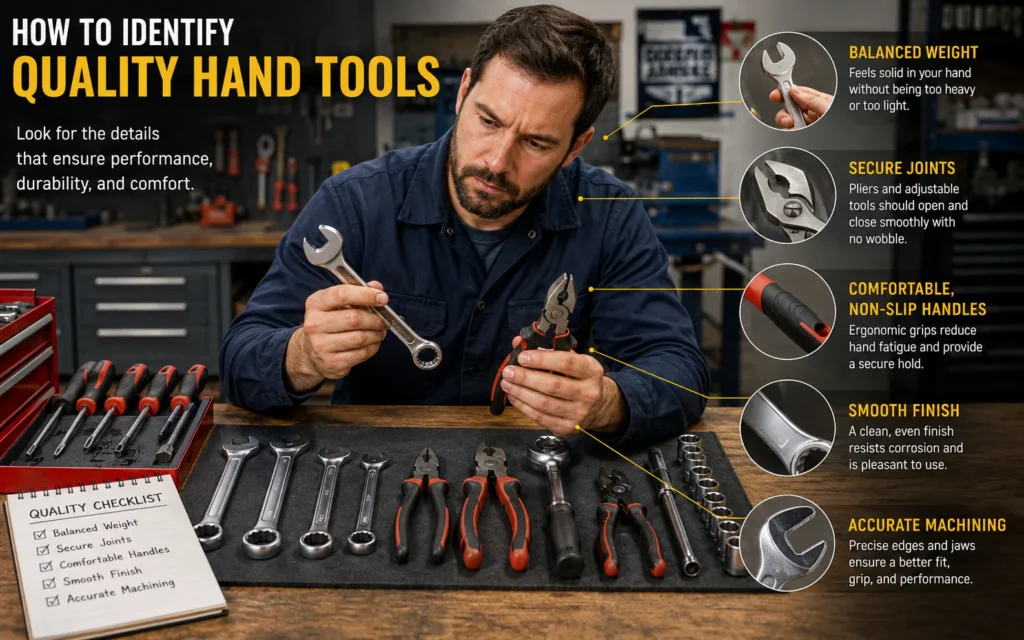
To identify a reliable tool, look for consistent finishes, tight tolerances in moving parts, and clear markings of the steel type. If you are shopping in person, hold the tool to check its balance and weight; a quality tool should feel substantial and well-proportioned for its intended task.
Material quality (steel types)
- Material matters: Look for chrome vanadium or high-carbon steel.
- Fit and finish: Smooth edges and tight tolerances indicate better manufacturing.
- Ergonomics: A tool should feel balanced and comfortable in your specific grip.
- Warranty: A lifetime warranty often signals manufacturer confidence.
| Topic | When it helps | What to keep in mind |
|---|---|---|
| Material Inspection | Wrenches, pliers, and screwdrivers. | Avoid tools that feel excessively light or have a dull, porous surface finish. |
| Fit and Finish | Adjustable tools and hinged tools. | Rough, sharp edges on handles or castings indicate poor quality control. |
| Ergonomics | Hammers, screwdrivers, and saws. | Handles that feel loose or are made of cheap, brittle plastic. |
| Warranty | Long-term investment tools. | Generic tools with no clear manufacturer contact information. |
Focus on physical inspection material
Material Inspection. Check for Steel Quality and Heat Treatment
Look for markings like ‘Chrome Vanadium’ or ‘High Carbon Steel’. These indicate the metal is alloyed for strength and durability.
- Wrenches, pliers, and screwdrivers.
- Avoid tools that feel excessively light or have a dull, porous surface finish.
- If the steel looks like cheap, shiny chrome plating, it may be hiding poor-quality base metal.
- Key Indicator – Steel alloy markings
- Warning Sign – Porous or uneven finish
Fit and Finish. Evaluate Tolerances and Smoothness
Check moving parts for ‘slop’ or play. A quality wrench or pair of pliers should operate smoothly without binding or excessive side-to-side movement.
- Adjustable tools and hinged tools.
- Rough, sharp edges on handles or castings indicate poor quality control.
- Test the action of the tool; it should feel fluid and precise.
- Key Indicator – Tight tolerances
- Warning Sign – Binding or loose play
Ergonomics. Assess Balance and Grip
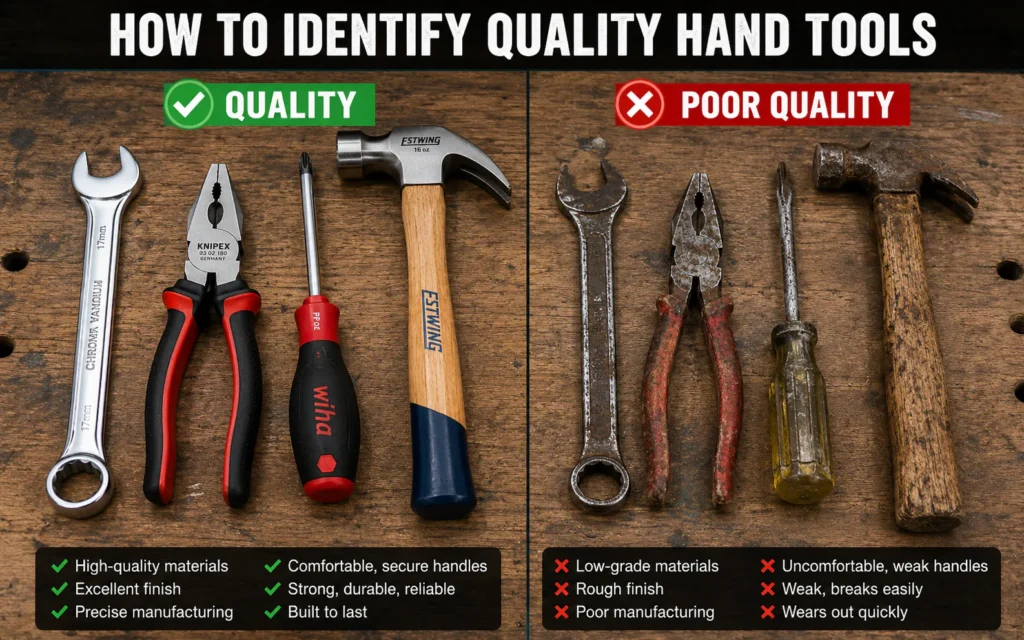
A tool should feel balanced in your hand. Handles should be securely attached and made of materials that provide a non-slip grip.
- Hammers, screwdrivers, and saws.
- Handles that feel loose or are made of cheap, brittle plastic.
- Hold the tool as you would during use; if it feels awkward or unbalanced, it will cause fatigue.
- Key Indicator – Balanced weight
- Warning Sign – Loose or brittle handles
Warranty. Verify Manufacturer Support
Reputable manufacturers often offer lifetime warranties on hand tools. This indicates they expect the tool to last a lifetime.
- Long-term investment tools.
- Generic tools with no clear manufacturer contact information.
- Check the packaging for a clear warranty policy.
- Key Indicator – Lifetime warranty
- Warning Sign – No brand identification
Physical Inspection Techniques
The most reliable way to judge a tool is through a hands-on inspection. Start by looking at the finish. Quality tools usually have a uniform coating, whether it is polished chrome or a matte black oxide finish. Any peeling, bubbling, or unevenness in the coating is a red flag for poor manufacturing.
Next, examine the joints and connections. For tools like pliers or snips, the pivot point should be tight. If you can wiggle the handles significantly while the jaws are closed, the tool lacks the precision required for long-term use.
When checking a wrench, look at the open end. The jaws should be perfectly parallel and the interior surfaces should be smooth, not pitted.
Don’t assume a high price tag always equals high quality; check the physical construction first.
- Check for uniform plating or coating.
- Ensure moving parts operate without binding.
- Look for clean, sharp edges on cutting tools.
- Verify that markings (like size or brand) are stamped, not just printed.
| Feature | Quality Indicator | Poor Quality Sign |
|---|---|---|
| Steel Finish | Uniform, smooth | Pitted, peeling, or dull |
| Moving Parts | Tight, fluid motion | Loose, rattling, or binding |
| Handles | Secure, ergonomic | Loose, brittle, or slippery |
Decision Rules for Tool Selection
Not every tool in your kit needs to be top-tier. Your budget should be allocated based on frequency of use and the consequences of failure. A tool that breaks during a critical project can cause injury or damage the workpiece.
Use the ‘frequent use’ rule: if you use a tool daily, buy the best quality you can afford. If you use a tool rarely, a standard, well-maintained tool will often suffice. Always prioritize quality for tools that apply high torque or require high precision.
If you only use a screwdriver once a year to tighten a cabinet hinge, a mid-range tool is sufficient. If you are building a deck, invest in a high-quality driver.
Buying a full set of expensive tools when you only need one or two specific sizes.
- Invest in tools that handle high torque (wrenches, ratchets).
- Invest in tools that require high precision (measuring tapes, levels).
- Save on tools used for light, occasional tasks.
- Consider buying individual high-quality tools over cheap, large sets.
FAQs
Does ‘Made in USA’ always mean better quality?
While many high-quality tools are made in the USA, quality is determined by the manufacturer’s standards, not just the country of origin. Always inspect the tool’s construction regardless of where it was made.
What should I do if a tool handle is taped?
If you see tape on a tool handle, it is likely covering a crack or a break. Avoid purchasing or using such tools, as they are structurally compromised and unsafe.
Are expensive tools always better?
Not necessarily. While higher prices often reflect better materials and quality control, you should still evaluate the tool based on its fit, finish, and your specific needs.
How do I know if a tool is heat-treated?
Look for a slightly darker, uniform color on the working ends of the tool. Many manufacturers also stamp ‘Heat Treated’ or ‘Drop Forged’ on the tool body.
Conclusion
Identifying quality hand tools is a skill that saves you time, money, and frustration. By focusing on the material, the precision of the build, and the comfort of the design, you can build a collection that lasts for years.
Remember to prioritize quality for the tools you use most often. When in doubt, look for clear markings, smooth finishes, and a solid warranty. Start your next project with confidence by choosing tools that are built to perform.
Related posts
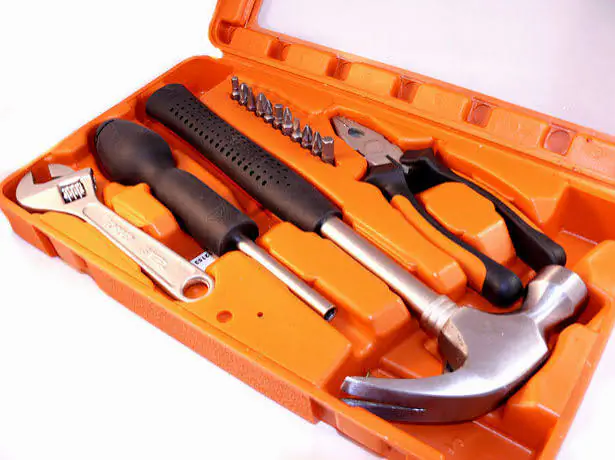 Which Tool Kit Is Worth Buying? How to Choose the Right Set for Your Home
Wondering which tool kit is worth buying? Compare basic household sets, mechanic kits, and power tool combos to find the best tools for your budget and…
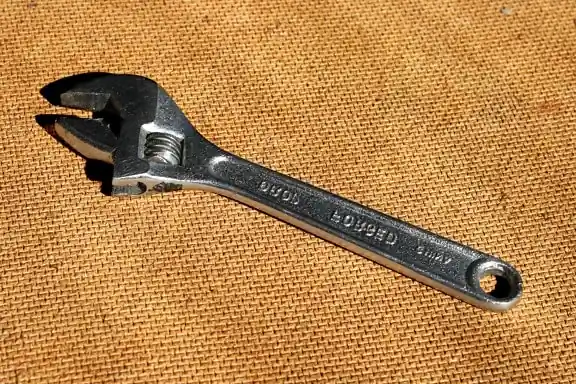 Which Hand Tools Are Made in the USA? Reliable Brands and Buying Rules
Discover which hand tools are still made in the USA. Compare top domestic brands, tool categories, and learn how to verify origin labels before buying. Several…
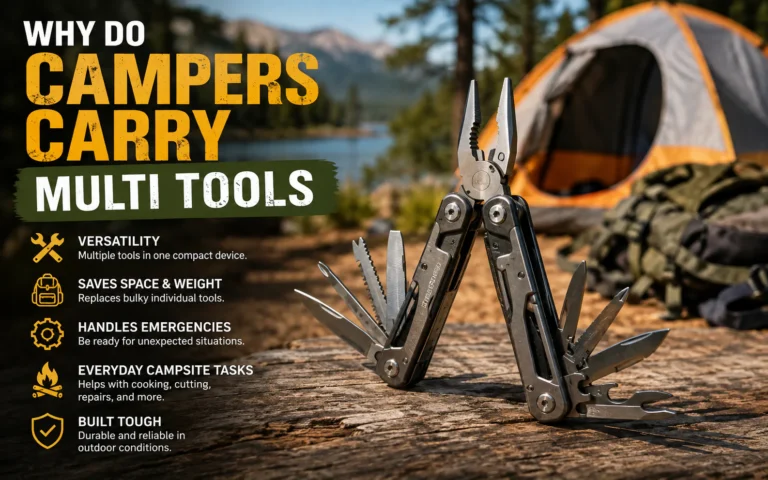 Why Do Campers Carry Multi Tools? Practical Uses in the Field
Why do Campers carry multi tools to handle gear repairs, campsite setup, food prep, and field fixes with minimal weight. Here is why one belongs in…