
What Is The Difference Between Metric And SAE Tools
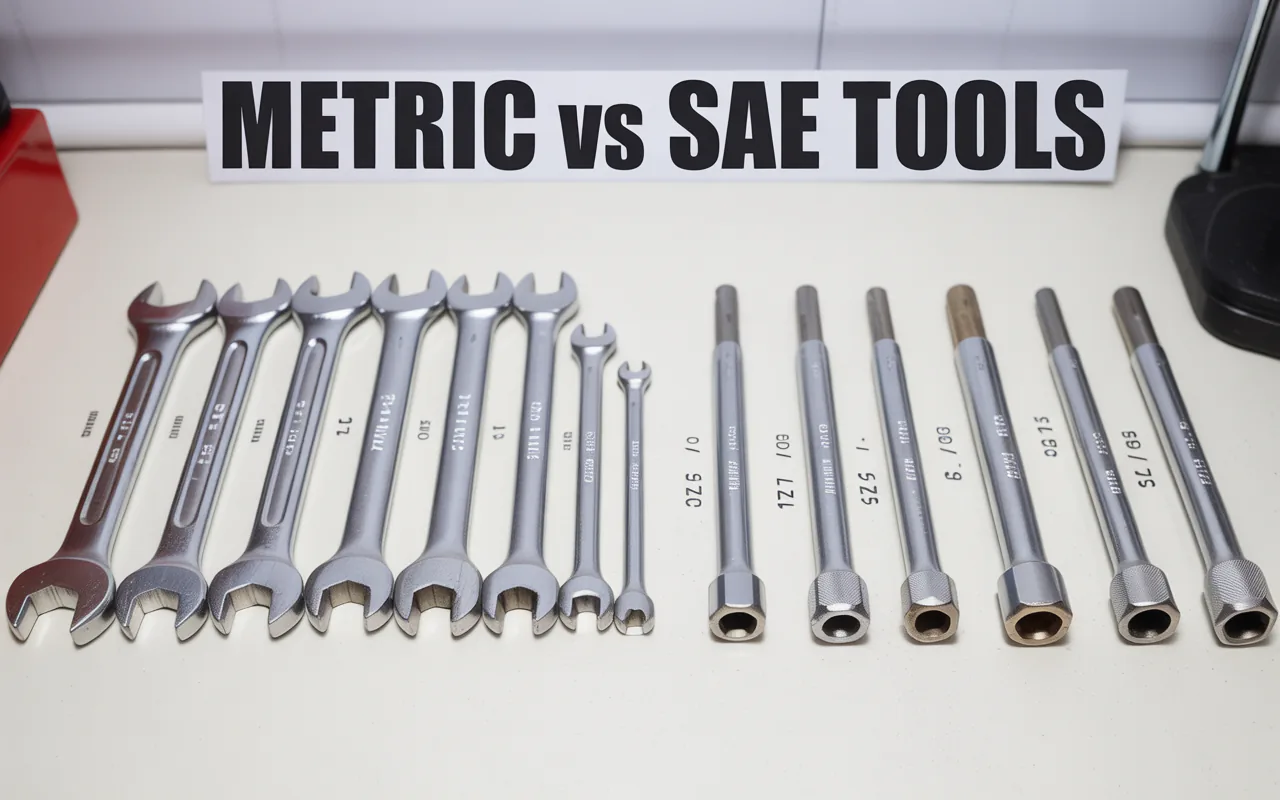
Many people who fix things at home or in a shop ask about the difference between metric and SAE tools when they start a new job. Metric tools measure in millimeters for a clean decimal system. SAE tools rely on inches and fractions as the traditional approach. This complete guide covers all the details you need to select the correct tools, avoid common errors, and finish your work faster with better results. You will see tables with size comparisons and use cases. The info helps you work on cars, bikes, and home items with ease.
You open your toolbox and see wrenches marked with numbers. Some show whole numbers like ten or thirteen. Others show fractions like three eighths or one half. You pick one up and try it on a bolt. It does not fit well. You try another. This time it works. Many people ask about the difference between metric and SAE tools. You need to know this so you can pick the right tool fast. It saves you time and keeps parts from damage. The right choice makes every job go smooth.
You work on a car or a bike or a piece of furniture. The parts come from different places. Some use one system. Some use the other. You learn to spot the marks on the tools. This helps you grab the correct one every time. You feel more sure about your work. You finish projects with good results.
What Are Metric Tools?
Metric tools use millimeters as the size unit. A millimeter is a small part of a meter. The system lines up in tens and hundreds. This makes sizes easy to follow. You see metric tools on cars from Japan and Germany. You see them on bikes and many machines made today. The sizes step up by one or two millimeters. You get a tight fit on the bolt head.
You buy a metric socket set. It comes with a ratchet. The sockets open in millimeters. The drive end stays the same size for the ratchet. You turn the handle and the socket grips the bolt. It applies force even. You do not slip. You do not round the edges. You finish the job clean.
You like metric tools for modern items. The numbers feel straight. You add two millimeters and you know the next size up. You keep a full set in your box. It covers most jobs you do at home. You reach for it when you fix a lawn mower or a kitchen appliance. The tools feel good in your hand. They last long if you buy good ones.
The difference between metric and SAE tools shows in these sizes. Metric gives you exact steps. You match the number on the tool to the number on the bolt. This is why many people keep metric sets ready.
What Are SAE Tools?
SAE tools use inches as the size unit. An inch breaks into fractions like one quarter or three eighths or one half. The system started in the United States for cars. You see SAE tools on older American vehicles and trucks. They fit the bolts made for those models. The sizes work well for heavy duty jobs.
You pick up an SAE wrench. You line it up with the bolt head. It sits flat and turns smooth. You apply torque and the bolt moves. You do not worry about slip. The fraction marks tell you the exact size you need.
You use SAE socket sets for classic cars. The sockets open in inches. The ratchet drive works the same way. You switch between tools as you work under the hood. You feel confident because the fit is right.
You enjoy SAE tools for work on old equipment. The sizes match the parts from years ago. You keep a set in your shop for those special jobs. The tools help you bring old machines back to life.
The difference between metric and SAE tools comes from these units. SAE uses fractions. This sets it apart from the metric way.
Origins of Each System
The metric system began in Europe many years ago. People wanted one standard for all countries. It spread because it was simple and the same everywhere. Makers of cars and machines adopted it fast.
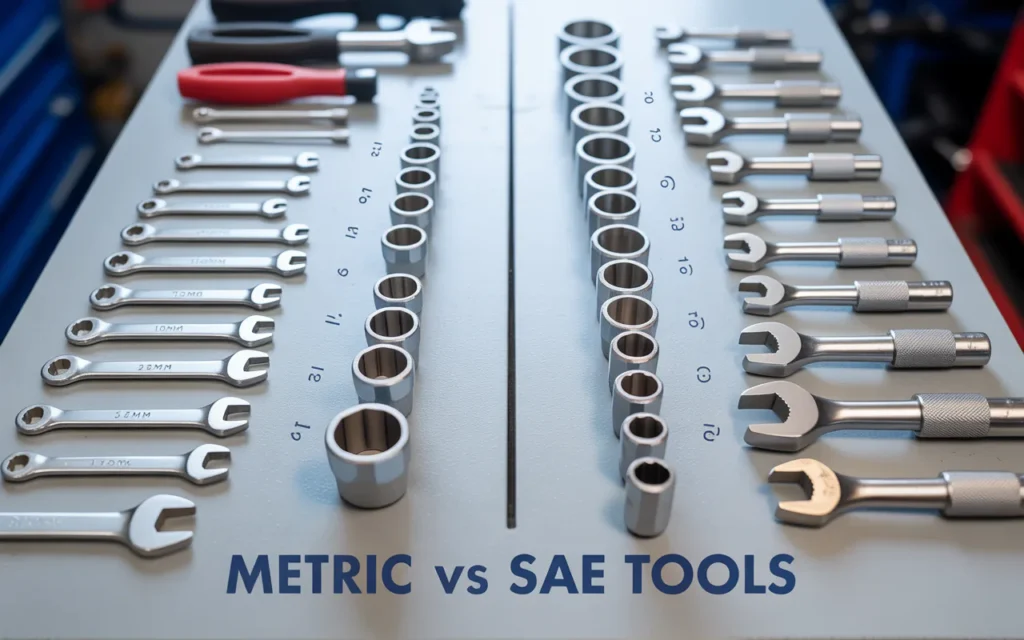
The SAE system came from the United States. The Society of Automotive Engineers set the sizes for cars built there. It stayed in use for a long time. American factories used it for parts and tools.
Over time things changed. Many car companies switched to metric in the nineteen seventies. They wanted to match global standards. But older parts and machines kept the SAE sizes. This mix means you see both systems today.
You run into this mix in your own garage. You work on a car from nineteen eighty. It may use SAE. A car from two thousand ten uses metric. You learn to check each bolt.
The difference between metric and SAE tools started from these origins. You see why both still exist.
The Difference Between Metric and SAE Tools
The difference between metric and SAE tools shows in the way they measure. Metric uses millimeters. SAE uses inches and fractions. One inch equals twenty five point four millimeters. The numbers do not match exactly even when they seem close.
You look at a bolt head. It has a mark. You check your tools. One set has whole numbers. The other has fractions. This is the difference between metric and SAE tools. You pick the one that matches.
You try a close size. It seems to fit but it rocks a little. You stop and switch tools. The right one sits flat. You turn it and the job goes well.
Measurement Systems
Metric sizes step in even amounts. You see ten millimeters then twelve then thirteen. The system is decimal. You read the marks fast.
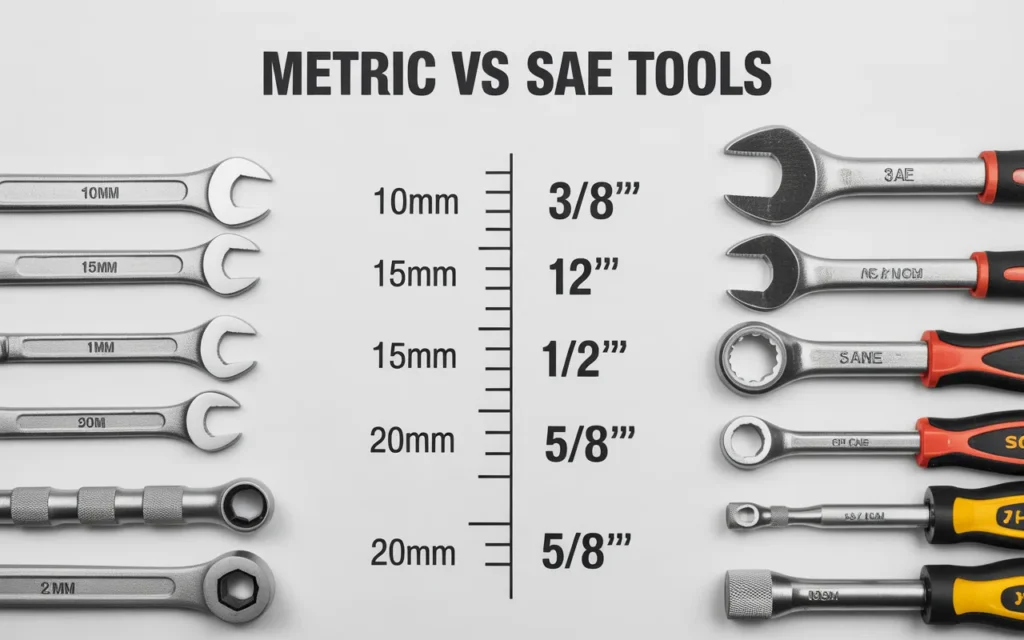
SAE sizes use fractions of an inch. You see three eighths then one half then five eighths. The steps are not even in millimeters. You learn the common ones by heart.
Compatibility Issues
You cannot always swap the tools. A thirteen millimeter socket sits near a half inch bolt. But the half inch is twelve point seven millimeters. The small gap can cause the tool to slip or round the bolt.
You avoid this by checking first. You try the exact match. You keep both sets so you always have the right one.
| SAE Size | Closest Metric (mm) | Notes on Fit |
|---|---|---|
| 3/8″ | 10 | SAE is smaller by a bit |
| 1/2″ | 13 | Common mix up point |
| 3/4″ | 19 | Slight gap can strip edges |
This table shows the difference between metric and SAE tools in real numbers. You keep it handy for quick checks.
Why the Difference Between Metric and SAE Tools Matters in Practice
The difference between metric and SAE tools shows up when you work on real items. You grab the wrong wrench. It slips and damages the bolt head. You spend extra time fixing the problem. You learn to double check sizes.
You work under a car. The bolt is tight. The correct tool makes the job quick. The wrong one wastes your day. Many people learn this the hard way at first.
You save money when you use the right tool. You do not replace damaged parts. You finish faster and move to the next job.
As Tom Harris, master mechanic, says, Match the tool to the bolt or you risk damage.
The difference between metric and SAE tools affects safety too. You work on brakes or steering. A good fit keeps everything tight. You drive with peace of mind.
Metric and SAE Tools in Automotive Repair
Cars use both systems now. Older American models use SAE sizes. Imports and newer cars use metric. Many vehicles mix the two.
You lift the hood on a truck from nineteen ninety. You see SAE bolts on the engine. You switch to metric for the body panels. You keep both sets in your bag.
You repair a Japanese car. Most bolts are metric. You grab the ten millimeter or thirteen millimeter socket. The job goes fast.
Common Vehicles Using Each
Older Ford and Chevy trucks use SAE. Honda and Toyota cars use metric. You check the year and model to know what to bring.
You work on a mix in one day. You switch tools and finish each repair clean.
Using Them in Home DIY Projects
You build furniture at home. The instructions call for metric screws. You use your metric set. The bolts tighten perfect.
You fix a bike. The chain and gears use metric sizes. Your SAE tools stay in the box.
You repair a washing machine. The parts may use SAE. You check the marks and pick the right wrench.
The difference between metric and SAE tools comes up in plumbing jobs too. You match the tool to the pipe fitting.
You enjoy DIY because you have the right tools ready. Each project turns out strong.
As Lisa Chen, workshop owner, says, Many newer machines use metric but older ones stick with SAE sizes.
How to Identify Which Tools You Need
You look at the bolt head. A number like seventeen means metric. A fraction like three quarters means SAE.
You measure the opening with a ruler if the mark is worn. You compare to your tools.
You test fit gently. The right tool sits flat. You turn it and feel the grip.
Tips for Buying and Using Both Types of Tools
You buy quality sets from trusted brands. They last for years. You check the markings are clear.
You organize your toolbox. You put metric in one drawer and SAE in another. You label them.
You clean the tools after each job. You wipe off grease and dirt. They stay ready for next time.
You practice on old parts. You learn how each size feels.
As Robert Hayes, DIY enthusiast, says, Having both sets ready makes any repair go smoother.
You store them in a dry place. Moisture can rust the metal.
Common Mistakes to Avoid
You never force a tool that does not fit. It damages the bolt. You stop and find the correct size.
You do not guess the measurement. You check the mark or use the table.
You keep your ratchet drives clean. A dirty drive can slip.
Frequently Asked Questions
What is the main difference between metric and SAE tools?
The difference between metric and SAE tools is the unit of measure. Metric uses millimeters. SAE uses inches with fractions.
Can I use metric tools on SAE bolts?
Close sizes sometimes fit but it is not safe. Use the exact match to avoid damage.
Do I need both sets of tools?
Yes for most work you do around the house or on cars.
Which system is better?
It depends on the project. You use the one that matches the parts.
Where do I buy good tools?
You find sets at local stores or online shops.
How do I keep tools in good shape?
You clean them and store them dry.
Can I convert sizes easily?
You use the table or multiply inches by twenty five point four for millimeters.
Why do both systems still exist?
Older parts use SAE and new ones use metric.
Conclusion
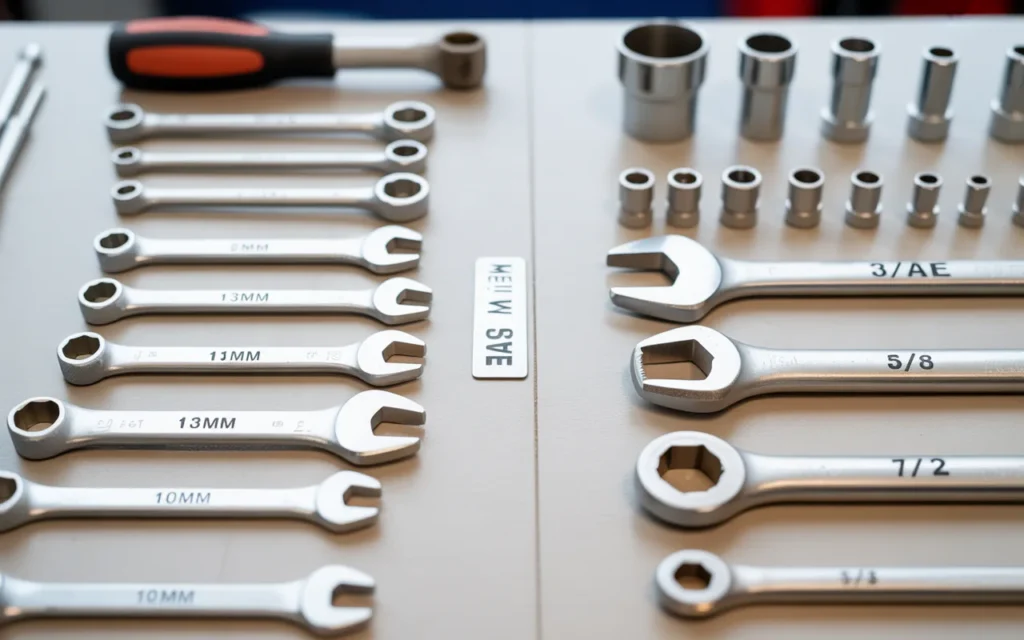
You now know how to handle metric and SAE tools. You see the sizes and you know when to use each. You keep both sets ready. Your projects go smooth and safe. You save time and money. You feel good about every repair you finish. Take this knowledge and put it to work in your shop. You will see better results right away.
Related posts
 Top Starter Mechanic Tool Kits for Apprentices: Essential Sets for Your Trade
Explore top starter mechanic tool kits for apprentices. Compare sets for mechanics, electricians, and other trades to find your essential tools. Starting an apprenticeship is an…
 Automotive Tool Kits vs. Mechanic Tool Sets: What’s the Difference?
Understand the key differences between automotive tool kits vs. mechanic tool sets. Learn which is best for your car maintenance needs. When looking for tools to…
 Top Automotive Tool Kits for Garage Workshops: A Buyer’s Guide
Find the top automotive tool kits for garage workshop. Compare versatile sets for car maintenance, home repairs, and DIY projects to choose the best fit. Setting…