
How To Use An Automotive Tool Kit
Learning how to use an automotive tool kit can save you time and money. This guide shows you the simple steps to handle common car fixes with confidence. You will learn which tool does what and how to stay safe while working on your vehicle.
Car problems happen at the worst times. A dead battery, a loose hose, or a strange noise can leave you stuck. If you know how to use an automotive tool kit, you can fix many small issues yourself. You do not need to be a mechanic. You just need basic knowledge and the right tools.
Many people feel scared to touch their car. They think they might break something. But cars are built to be worked on. With a good kit and some patience, you can handle simple tasks. This skill gives you freedom. You do not have to wait for a tow truck or pay for small repairs.
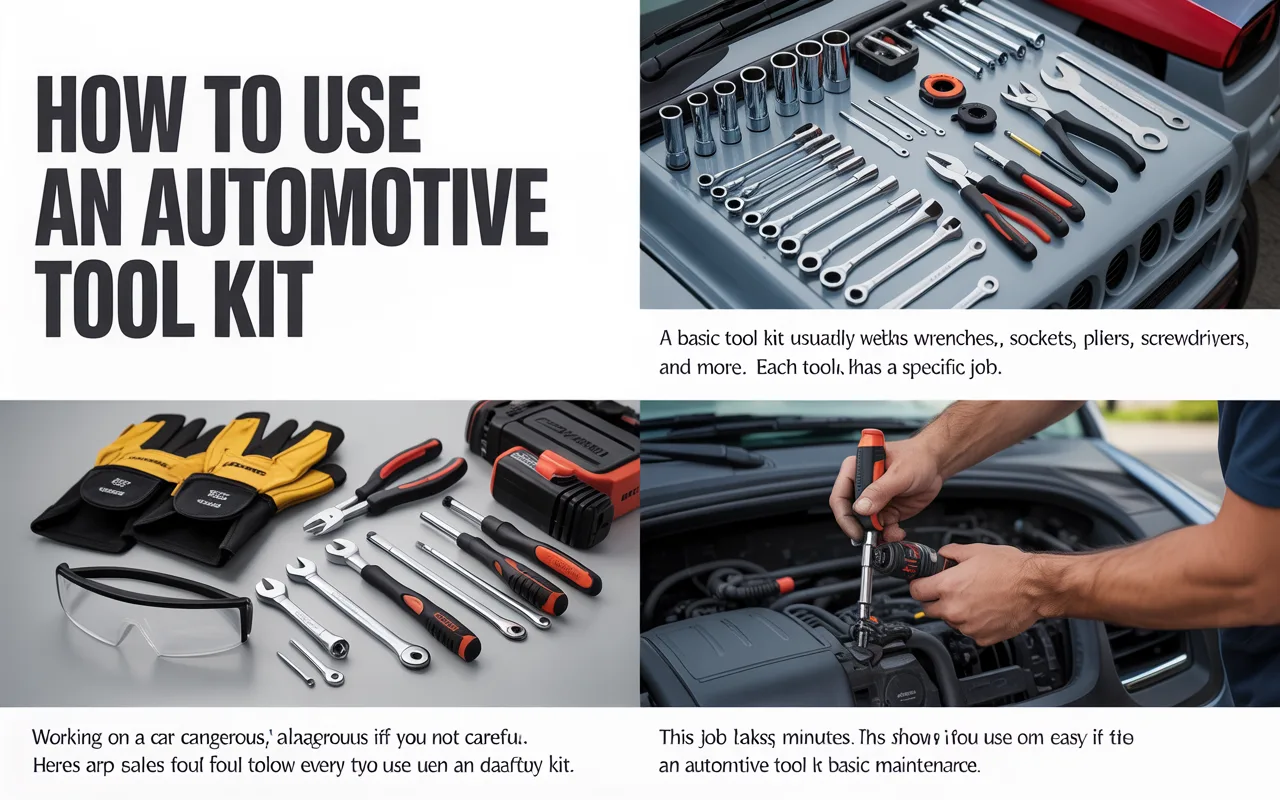
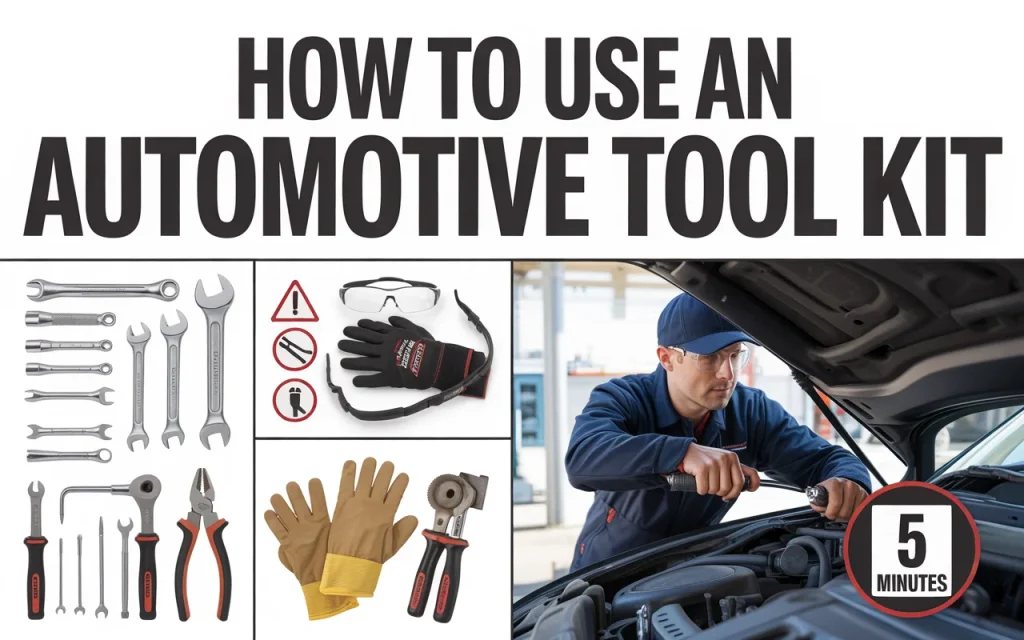
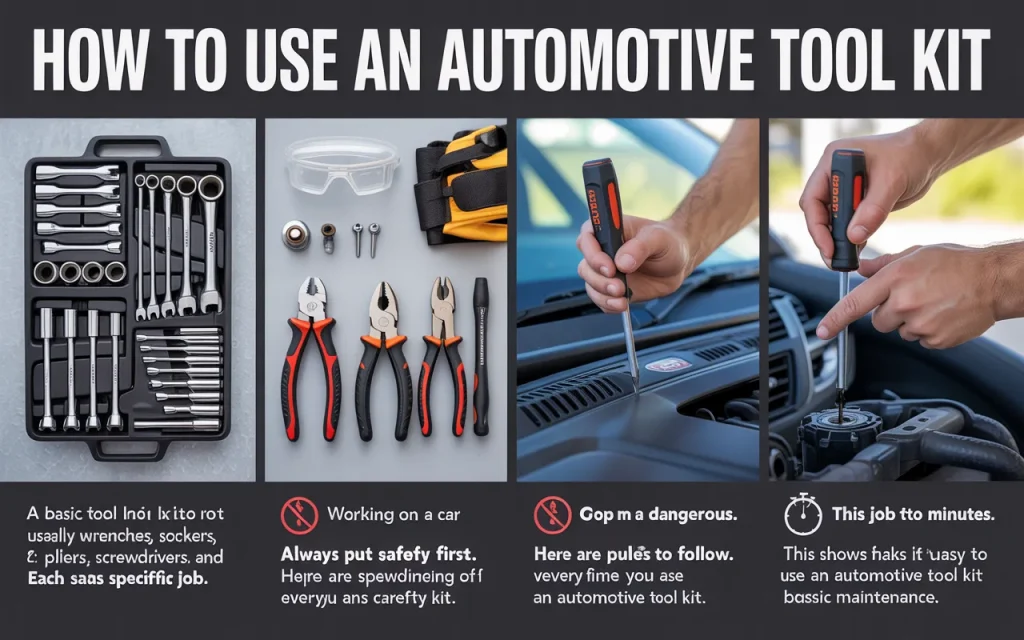
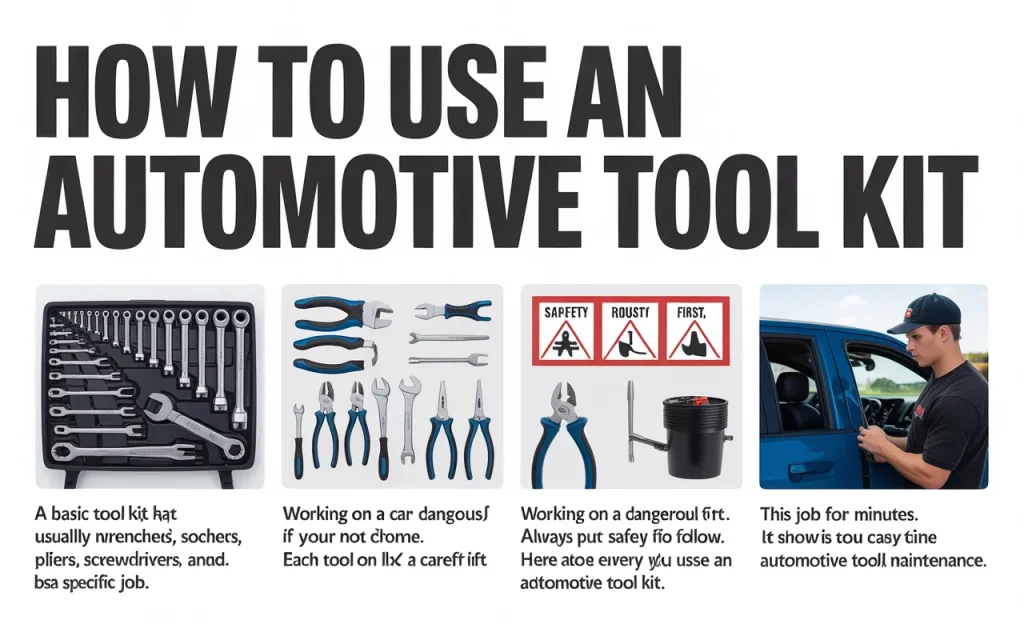
A basic tool kit usually has wrenches, sockets, pliers, screwdrivers, and more. Each tool has a specific job. When you learn to use an automotive tool kit properly, you work faster and safer. You also avoid damaging your car parts.
What You Will Find in a Standard Automotive Tool Kit
Before you learn how to use an automotive tool kit, you need to know what is inside one. Most kits come with these items:
| Tool Type | Common Sizes | Primary Use |
|---|---|---|
| Combination wrenches | 8mm to 19mm | Loosening or tightening bolts and nuts |
| Socket set | ¼ and ⅜ inch drives | Reaching bolts in tight spaces |
| Screwdrivers | Flathead and Phillips | Removing screws and prying clips |
| Pliers | Slip-joint, needle-nose | Gripping, bending, or cutting wires |
| Hex keys (Allen wrenches) | Metric sizes | Working on interior parts and brakes |
Some kits also include a hammer, a breaker bar, or a multimeter. These help with tougher jobs. Knowing your tools is the first step. Then you can actually use an automotive tool kit for real repairs.
Safety First Before You Use an Automotive Tool Kit
Working on a car can be dangerous if you are not careful. Always put safety first. Here are some rules to follow every time you use an automotive tool kit.
Park on a flat surface. Set the parking brake. If you lift the car, use jack stands. Never rely on a jack alone. Wear safety glasses. Things can fly up when you loosen bolts. Gloves help too. They protect your hands from sharp edges and hot parts.
Disconnect the battery if you work on electrical parts. This stops shocks and shorts. Let the engine cool down before you touch anything. Burns happen fast. Also, keep your workspace clean. Tools on the ground can trip you.
Richard Thompson, an auto shop teacher with 20 years of experience, says, “The biggest mistake I see is people rushing. Take your time when you use an automotive tool kit. One wrong move can strip a bolt or break a part. Slow is smooth, and smooth is fast.”
How to Use an Automotive Tool Kit for Common Tasks
Now let us look at some real ways to use an automotive tool kit. These are simple jobs that most car owners face.
Checking and Replacing Air Filters
A dirty air filter hurts gas mileage. To replace it, open the hood. Find the air box. It is a black plastic box near the engine. Use a screwdriver or socket to open the clips or bolts. Lift the lid. Take out the old filter. Put in the new one. Close the lid and tighten everything.
This job takes five minutes. It shows how easy it is to use an automotive tool kit for basic maintenance.
Changing a Dead Battery
Batteries die after a few years. To swap one out, you need wrenches or sockets. First, remove the negative cable. It is usually black. Then remove the positive cable. It is red. Take off the hold-down clamp. Lift out the old battery. Place the new one in. Tighten the clamp. Connect the positive cable first, then the negative.
Make sure the cables are tight. A loose connection stops the car from starting. This is a great way to use an automotive tool kit and avoid a tow truck.
Fixing a Loose Hose
Hoses carry coolant and air. If one comes loose, the car can overheat. Find the loose hose. Use a screwdriver to loosen the clamp. Push the hose back on. Tighten the clamp with the screwdriver or a socket. Check for leaks.
This fix takes almost no time. It is another example of how handy it is to use an automotive tool kit.
How to Use an Automotive Tool Kit for Tire Changes
A flat tire is common. Every driver should know how to change one. Your tool kit has what you need.
First, find a safe spot away from traffic. Loosen the lug nuts a little before you lift the car. Use the wrench from your kit. Turn counterclockwise. Do not take them off yet. Just break them loose.
Next, jack up the car. Place the jack under the frame. Pump until the tire is off the ground. Remove the lug nuts all the way. Pull off the flat tire. Put on the spare. Screw the lug nuts back on by hand. Lower the car. Then tighten the nuts in a star pattern. This makes the wheel sit flat.
Maria Santos, a roadside assistance driver, shares this tip. “People often forget to tighten the lug nuts again after driving a few miles. When you use an automotive tool kit for a tire change, always recheck the nuts after 50 miles. They can loosen up.”
How to Use an Automotive Tool Kit for Light Repairs
Some repairs are simple but need a few steps. Here are two examples where you can use an automotive tool kit to save money.
Replacing Headlight Bulbs
A burned-out headlight is illegal and unsafe. To swap it, open the hood. Find the back of the headlight assembly. There is a rubber cover. Pull it off. Disconnect the wire plug. Release the clip holding the bulb. Pull out the old bulb. Do not touch the glass of the new bulb. Oil from your fingers makes it burn out fast. Insert the new bulb. Clip it in. Plug the wire back. Replace the rubber cover.
Changing Windshield Wipers
Wipers wear out over time. To change them, lift the wiper arm away from the glass. Press the small tab on the wiper blade. Slide the blade down and off. Line up the new blade. Push it on until it clicks. Lower the arm gently.
Both of these tasks are easy. They prove you do not need a mechanic for everything. You just need to use an automotive tool kit correctly.
How to Use an Automotive Tool Kit for Engine Work
Engine work sounds hard, but some jobs are beginner-friendly. You can use an automotive tool kit for small engine fixes.
Replacing Spark Plugs
Spark plugs fire the fuel in the engine. Old plugs cause misfires. To change them, let the engine cool. Pull off the spark plug wire. Use a socket with an extension to reach the plug. Turn counterclockwise to remove it. Check the gap on the new plug. Put it in by hand first. Then tighten with the socket. Do not overtighten. Reconnect the wire.
This job helps your engine run better. It is a good way to use an automotive tool kit for real performance gains.
Tightening a Loose Belt
A squealing belt means it is loose. Find the belt tensioner. It is a pulley with a bolt in the middle. Use a wrench or socket to turn the tensioner. This releases pressure. Slip the belt off. Check for cracks. If it is bad, replace it. If it is just loose, retension it. Turn the tensioner back to put pressure on the belt.
Belts are important. They run the alternator and water pump. Knowing how to use an automotive tool kit keeps them in check.
Tips to Use an Automotive Tool Kit Like a Pro
You do not need years of training to work on cars. But a few tips help you use an automotive tool kit better.
Use the right tool for the job. A wrench works better than pliers on bolts. Pliers slip and round off the edges. Sockets are great for tight spots. They grip all sides of the bolt.
Keep your tools clean. Dirt and grease make them slip. Wipe them after each use. Oil the hinges on pliers so they move easy.
Organize your kit. Know where each tool goes. This saves time when you are in the middle of a job. You do not want to search for a 10mm socket.
Learn bolt sizes. Most cars use metric bolts. Some older American cars use standard. Check your car manual. This helps you pick the right tool fast.
James Carter, a mechanic for 30 years, says, “The best advice I give customers is to buy a quality kit. Cheap tools break. When you use an automotive tool kit that lasts, you trust it. That trust makes the work easier.”
Common Mistakes When You Use an Automotive Tool Kit
Even experienced people mess up. Here are mistakes to avoid when you use an automotive tool kit.
Using too much force. If a bolt will not move, stop. You might be turning the wrong way. Or the bolt might be rusted. Use penetrating oil and wait. Then try again.
Stripping bolts. This happens when the tool does not fit right. Always use the exact size. A loose tool slips and ruins the bolt head.
Forgetting to disconnect the battery. Electrical work needs the battery off. Otherwise, you can short something out. This costs money to fix.
Losing small parts. Put screws and clips in a tray or magnetic dish. They roll away easy. Then you cannot finish the job.
Skipping the manual. Your car manual has torque specs and steps. Read it before you start. It helps you use an automotive tool kit the right way.
How to Build Your Skills and Use an Automotive Tool Kit More
Practice makes perfect. Start with small jobs. Change your air filter. Swap a bulb. Then move to oil changes or brake pad checks. Each time you use an automotive tool kit, you learn something new.
Watch videos online. Many mechanics share free tips. They show you exactly how to do things. Read forums for your car model. Other owners share what works.
Join a class at a local community college. Some offer basic auto repair. You get hands-on help. This builds your confidence fast.
The more you do, the easier it gets. Soon, you will not hesitate when a problem pops up. You will grab your kit and fix it.
Tools That Help You Use an Automotive Tool Kit Better
Your kit is the main thing. But a few extras make jobs smoother.
| Extra Tool | Why It Helps |
|---|---|
| Torque wrench | Tightens bolts to the right spec, prevents damage |
| Multimeter | Tests electrical parts, finds shorts |
| Magnetic pickup tool | Retrieves dropped screws and sockets |
| Flashlight or headlamp | Lights up dark areas under the hood |
| Penetrating oil | Loosens rusted bolts and nuts |
These are cheap to buy. They make it easier to use an automotive tool kit for many jobs.
Frequently Asked Questions
Q: Do I need an expensive tool kit to start?
A: No. A mid-range kit works for most basic repairs. Upgrade later if you need to.
Q: How do I know what size tool to use?
A: Try a few until one fits snug. Or check your car manual for common sizes.
Q: Can I use an automotive tool kit on any car?
A: Yes, most kits work on all cars. But some luxury cars need special tools for certain jobs.
Q: What if I break something while working?
A: It happens. Learn from it. Start with cheap, easy fixes to build skill.
Q: How do I keep my tools from rusting?
A: Wipe them dry after use. Store them in a dry place. A light oil spray helps too.
Conclusion
Learning how to use an automotive tool kit is a useful skill. It saves you money and gives you independence. You do not need to be a pro. Start with simple tasks like changing a bulb or checking a filter. Follow safety rules. Use the right tool for each job. Over time, you will handle bigger repairs with ease.
Your car is a machine. Machines can be fixed. With a basic kit and a little know-how, you are ready to try. So open the hood, grab your tools, and get started. You might surprise yourself with what you can do.
“Every time you fix something yourself, you gain confidence. That confidence changes how you see your car. It becomes less scary and more understandable,” says Lisa Green, an automotive instructor and author.
Related posts
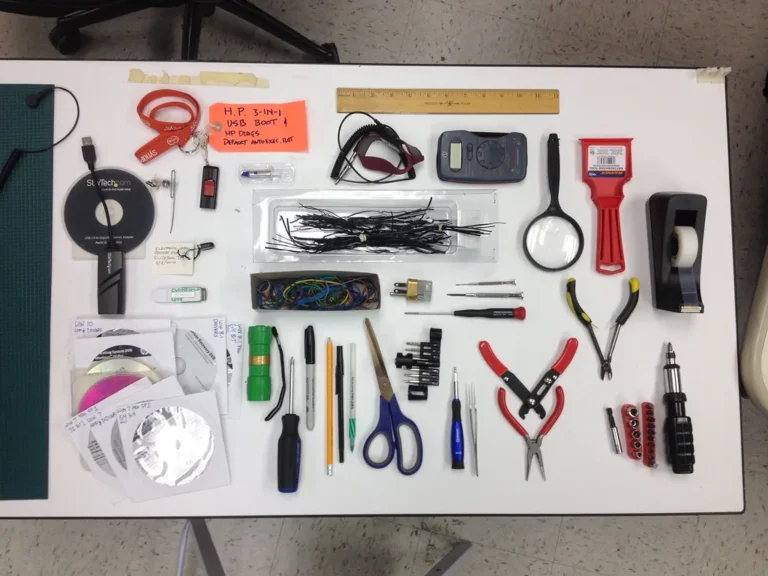 Top Starter Mechanic Tool Kits for Apprentices: Essential Sets for Your Trade
Explore top starter mechanic tool kits for apprentices. Compare sets for mechanics, electricians, and other trades to find your essential tools. Starting an apprenticeship is an…
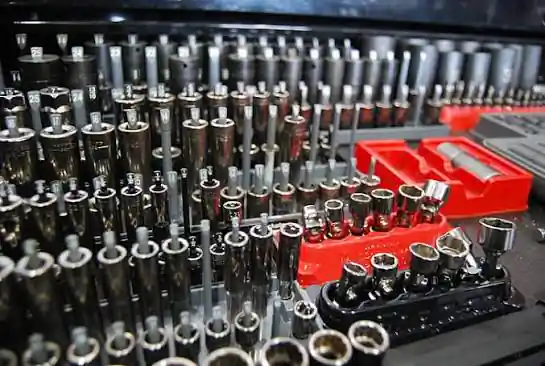 Automotive Tool Kits vs. Mechanic Tool Sets: What’s the Difference?
Understand the key differences between automotive tool kits vs. mechanic tool sets. Learn which is best for your car maintenance needs. When looking for tools to…
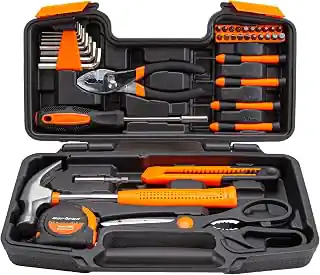 Top Automotive Tool Kits for Garage Workshops: A Buyer’s Guide
Find the top automotive tool kits for garage workshop. Compare versatile sets for car maintenance, home repairs, and DIY projects to choose the best fit. Setting…