
Why Tools Rust Over Time: The Science of Corrosion and Prevention
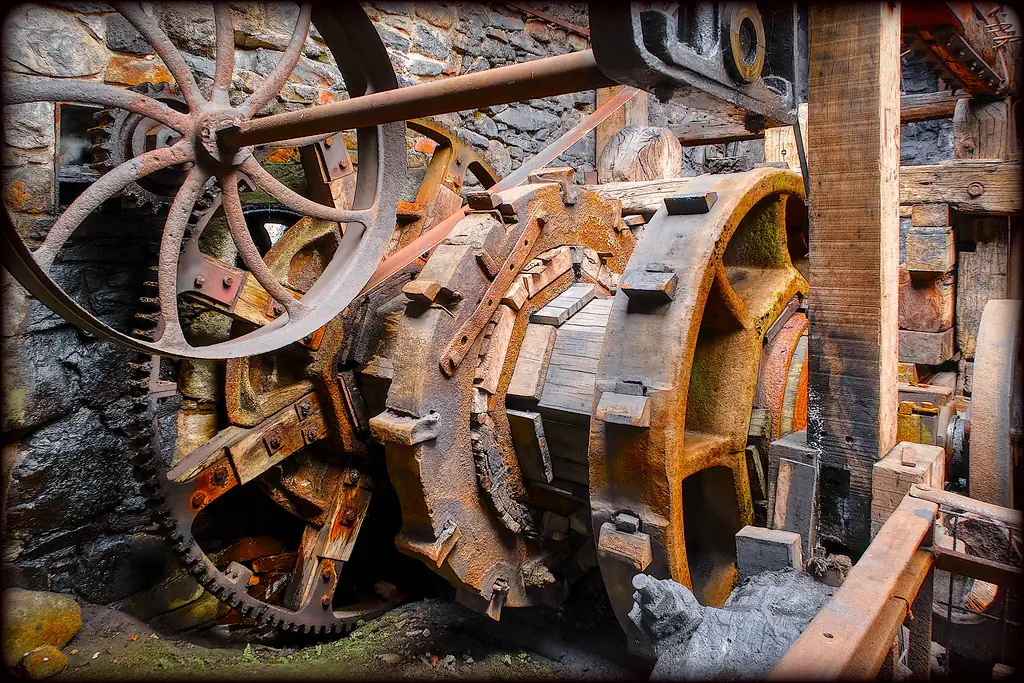
Tools rust over time because of a chemical process called oxidation. When iron-based metals are exposed to oxygen and moisture, they react to form iron oxide, which we see as rust. This process is not just about water; it is accelerated by humidity, salt, and temperature fluctuations.
If you notice rust on your tools, it is a sign that the protective layer on the metal has been compromised. To stop this, you must break the cycle of exposure by controlling the environment where you store your tools and applying a protective barrier to the metal surfaces.
Oxidation process
- Rust is a chemical reaction between iron, oxygen, and water.
- Humidity is the primary enemy, but temperature changes are the hidden trigger.
- Human sweat contains salts that act as catalysts for corrosion.
- Regular oiling creates a barrier that stops the oxidation cycle.
| Topic | When it helps | What to keep in mind |
|---|---|---|
| 1 | Understanding the root cause. | Once rust starts, it spreads if left untreated. |
| 2 | Garage-based tool storage. | Insulation alone may not stop condensation. |
| 3 | High-use hand tools. | Don’t assume clean hands are enough. |
Why Your Storage Environment Matters
The environment where you keep your tools is the biggest factor in their lifespan. Garages and basements are notorious for fluctuating temperatures. When the air warms up, it holds more moisture; when it hits a cold tool, that moisture condenses into liquid water.
Airflow is essential. If you store tools in a tightly packed, unventilated box, you create a micro-climate where humidity stays trapped. This is why many professional toolboxes have built-in ventilation or use moisture-absorbing inserts.
A metal wrench left on a concrete floor will rust faster than one on a wooden shelf because concrete wicks moisture from the ground.

Storing tools directly on concrete or in unsealed plastic bags that trap moisture.
- Avoid concrete floors for storage.
- Use silica gel packets in toolboxes.
- Ensure the storage area has consistent airflow.
- Keep tools away from chemical storage, as fumes can accelerate corrosion.
| Storage Condition | Rust Risk Level |
|---|---|
| Climate-controlled room | Low |
| Dry garage/shed | Moderate |
| Damp basement | High |
| Directly on concrete | Very High |
Maintenance Habits to Prevent Corrosion
Preventing rust is far easier than removing it. The goal is to create a barrier between the metal and the air. A light coat of machine oil or a specialized rust-preventative spray is the industry standard for a reason.
Consistency is key. If you only oil your tools once a year, you are leaving them vulnerable for the other 364 days. Make it a habit to wipe down your tools as you put them away.
Keep a dedicated ‘oily rag’ in your toolbox. A quick wipe after finishing a project takes five seconds but adds years to the tool’s life.
Using heavy grease that attracts dust and grit, which can scratch the tool surface.

- Wipe tools clean after every use.
- Apply a thin layer of mineral oil or tool oil.
- Inspect tools for early signs of orange or brown spots.
- Use a wire brush to remove light surface rust immediately.
Focus on oxidation moisture and
1. The Oxidation Cycle
Iron reacts with oxygen and moisture to create iron oxide. This is a self-perpetuating cycle because rust is porous and traps more moisture.
- Understanding the root cause.
- Once rust starts, it spreads if left untreated.
- Clean rust off immediately to prevent deep pitting.
- Process – Chemical
- Primary Trigger – Moisture
2. Condensation Triggers
When cold metal tools meet warm, humid air, water droplets form on the surface. This is common in garages during seasonal changes.
- Garage-based tool storage.
- Insulation alone may not stop condensation.
- Keep tools in a sealed container with a desiccant pack.
- Trigger – Temperature swing
- Environment – Garage
3. Handling and Sweat
Human skin oils and salts are corrosive. Touching tools with bare hands leaves behind moisture and minerals that accelerate rust.
- High-use hand tools.
- Don’t assume clean hands are enough.
- Wipe tools down with an oily rag after every use.
- Catalyst – Salt/Minerals
- Prevention – Wiping
FAQs
Can rusty tools be saved?
Yes, most surface rust can be removed with a wire brush, steel wool, or a vinegar soak. If the rust has caused deep pitting or structural weakness, the tool should be replaced for safety.
Will WD-40 keep tools from rusting?
Standard WD-40 is a water displacer, not a long-term lubricant or rust preventative. While it helps clean tools, it evaporates relatively quickly. Use a dedicated tool oil or a long-term corrosion inhibitor for storage.
Should I throw away rusted tools?
Only if the rust has compromised the structural integrity of the tool. If the metal is flaking off in chunks or the tool is pitted deeply, it is no longer safe to use.
How do I keep tools from rusting again after cleaning?
Once cleaned, dry the tool thoroughly and immediately apply a thin, even coat of protective oil. Store it in a dry, well-ventilated area away from direct contact with concrete.
Conclusion
Rust is an inevitable chemical reaction, but it is not an inevitable outcome for your tools. By understanding that moisture, temperature swings, and human contact are the primary drivers of oxidation, you can take control of your tool maintenance.
Start by cleaning your current set and applying a light protective oil. Moving your storage off the floor and into a dry, ventilated space will significantly slow the aging process of your equipment. A few minutes of care today prevents the need for costly replacements tomorrow.
Related posts
 Which Tool Kit Is Worth Buying? How to Choose the Right Set for Your Home
Wondering which tool kit is worth buying? Compare basic household sets, mechanic kits, and power tool combos to find the best tools for your budget and…
 Which Hand Tools Are Made in the USA? Reliable Brands and Buying Rules
Discover which hand tools are still made in the USA. Compare top domestic brands, tool categories, and learn how to verify origin labels before buying. Several…
 Why Do Campers Carry Multi Tools? Practical Uses in the Field
Why do Campers carry multi tools to handle gear repairs, campsite setup, food prep, and field fixes with minimal weight. Here is why one belongs in…