
What Tools Do I Need For Basic Car Repairs
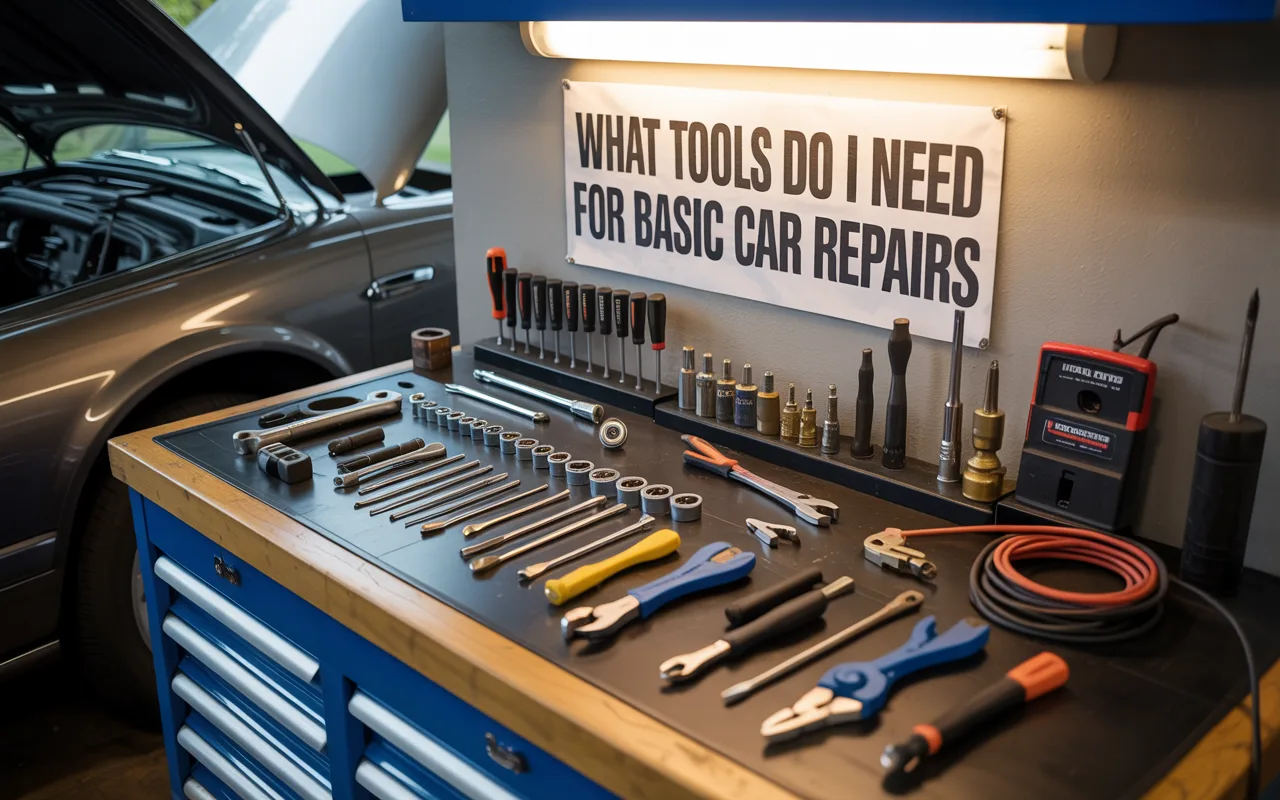
If you are wondering what tools do I need for basic car repairs, the answer starts with a quality socket set, wrenches, screwdrivers, and a floor jack. This guide covers all the essential gear to help you work on your vehicle safely and confidently.
There is a special kind of confidence that comes from knowing you can handle a simple car problem on your own. Whether it is a dead battery, a worn-out set of brake pads, or just a routine oil change, having the right gear makes all the difference. If you are just getting started, you might be asking yourself, what tools do I need for basic car repairs? The answer is simpler than you think. You do not need a garage full of expensive machinery. You need a core collection of reliable, quality items that will help you fix common issues safely and efficiently. I have been working on my own cars for years, and I have learned that a few solid pieces are worth more than a hundred cheap gadgets. Let us walk through exactly what you need to get started.
Start with the Basics: Building Your Foundation
What Tools Do I Need For Basic Car Repairs. Before you buy anything else, focus on the items that will handle most jobs. These are the tools you will reach for again and again. I remember my first tool set. It was a small kit from a big box store, and while it worked for a while, I quickly learned that buying better quality saved me money in the long run. You want tools that fit well and do not break when you put a little muscle into them.
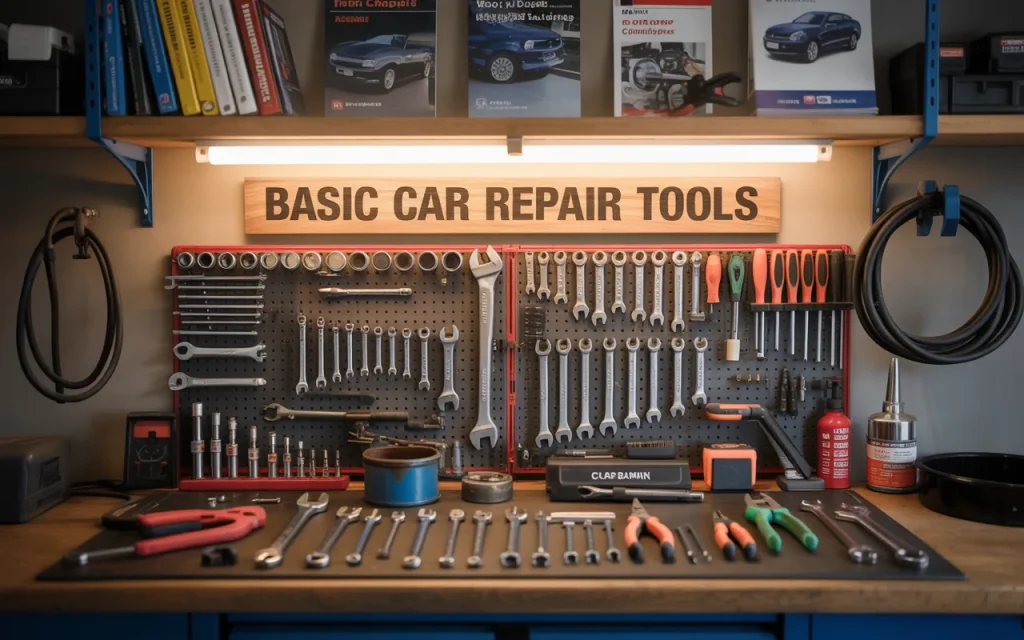
The absolute first thing on your list should be a good socket set. This is the backbone of any home garage. A standard set with both metric and standard sizes will cover most bolts on domestic and import cars. Look for a set that includes a ratchet, extensions, and a variety of socket sizes. Alongside sockets, you will need a set of combination wrenches. These have an open end on one side and a box end on the other. They are perfect for tight spaces where a socket cannot fit.
You will also need a set of screwdrivers. Get a variety of flathead and Phillips head drivers in different sizes. A few pairs of pliers are also essential. Needle-nose pliers are great for reaching into small areas, while slip-joint pliers give you a strong grip for loosening clamps or holding parts steady. With these basics, you are already ready to handle many small repairs.
A Quick Look at Your Starter Tool Set
| Tool Category | Specific Items | Why You Need It |
|---|---|---|
| Socket Set | Metric and Standard sockets, ratchet, extensions | For loosening and tightening bolts of all sizes |
| Wrenches | Combination wrench set (open and box end) | To reach bolts in tight or awkward spaces |
| Screwdrivers | Phillips and flathead in various sizes | For interior work, clamps, and small fasteners |
| Pliers | Needle-nose, slip-joint, and locking pliers | To grip, bend, or hold parts securely |
The Right Tools for Safety and Lifting
What Tools Do I Need For Basic Car Repairs. One of the most important lessons I learned early on is that you cannot work on a car safely if it is not properly supported. This is where many beginners make a mistake. They rely only on the factory jack that came with the car. That jack is only meant for emergency tire changes, not for holding the car up while you slide underneath it.
So, when you are thinking about what tools do I need for basic car repairs, safety equipment must be part of your answer. You need a proper floor jack. A low-profile hydraulic jack is ideal because it can slide under most cars easily. But the floor jack is just for lifting. Once the car is up, you must place it on jack stands. Never get under a vehicle that is only supported by a jack. I have seen stands save people from serious injury, and they are non-negotiable in my garage.
Additionally, you should invest in a set of wheel chocks. These are simple wedges that you place behind the tires that stay on the ground. They prevent the car from rolling while you work. Safety is not just about the tools you use to fix things; it is about the tools you use to stay safe while doing it.
Diagnostic Tools: Understanding the Problem
You cannot fix a problem if you do not know what it is. Modern cars are filled with sensors and computers. When something goes wrong, the car often tells you by turning on the check engine light. To read these signals, you need a diagnostic tool.
What Tools Do I Need For Basic Car Repairs. A simple OBD2 (On-Board Diagnostics) scanner is a must-have. This small device plugs into a port under your dashboard and reads the trouble codes from your car’s computer. You can find basic models for a very reasonable price. When you scan the code, it gives you a starting point. Instead of guessing which part to replace, you can look up the specific code and understand what system is having trouble.
I remember spending hours replacing parts on an old truck, hoping to fix a rough idle. Finally, I bought a scanner and found out it was a simple sensor that cost less than the parts I had already swapped out. A scanner saves you time, money, and frustration. It turns guesswork into a proper diagnosis.
Essential Tools for Common Jobs
Let us get into the specific tools that make common jobs easier. If you plan to do oil changes, brake jobs, or battery replacements, there are a few more items you will want to add to your collection.
For oil changes, you need an oil filter wrench. These come in different styles, such as strap wrenches or cap-style wrenches that fit over the end of the filter. You will also need a drain pan to catch the old oil and a funnel to pour new oil in without spilling.
For brake work, you will need a few specific items. A C-clamp or a brake caliper compression tool is necessary to push the caliper piston back in when you install new brake pads. You will also want a set of hex keys (Allen wrenches) because many brake calipers use hex bolts. A torque wrench is also very important for brake work. This tool allows you to tighten bolts to the exact specification listed in your car’s manual. Over-tightening can strip threads, and under-tightening can be dangerous.
Tools for Common Maintenance Tasks
| Task | Essential Tool | Purpose |
|---|---|---|
| Oil Change | Oil filter wrench, drain pan, funnel | To remove the filter, catch old oil, and add new oil |
| Brake Job | C-clamp, hex keys, torque wrench | To compress caliper pistons and tighten bolts to spec |
| Battery Work | Wire brush, battery terminal cleaner | To clean corrosion off terminals for a good connection |
| General Repair | Flashlight, magnetic tray, utility knife | To see in dark spaces, hold small parts, and cut materials |
Organizing Your Workspace
What Tools Do I Need For Basic Car Repairs. Having the right tools is only half the battle. You also need a place to keep them. A messy garage or a disorganized toolbox can make a simple job feel overwhelming. I like to keep my tools in a sturdy tool chest with drawers. This way, I can organize sockets by size, wrenches by type, and keep everything easy to find.
A magnetic tray is a small but very helpful item. When you take bolts and nuts off a car, it is easy to lose them or forget where they go. A magnetic tray holds them in one place so you do not have to search the garage floor for that one last bolt.
A good work light or a headlamp is also a must. Working under a car or inside an engine bay can be dark. A headlamp keeps your hands free and lets you see exactly what you are doing. Good lighting reduces mistakes and makes the work much more enjoyable.
As the famous mechanic and author Carroll Smith once said, “A good mechanic is not one who can fix a car, but one who can fix it right the first time.” Having an organized space and the proper tools is the first step toward getting the job done right the first time.
Knowing When to Upgrade Your Tools
As you get more comfortable with car repairs, you might start thinking about what tools do I need for basic car repairs that are a little more advanced. It is natural to want to expand your collection. However, it is important to know when to upgrade.
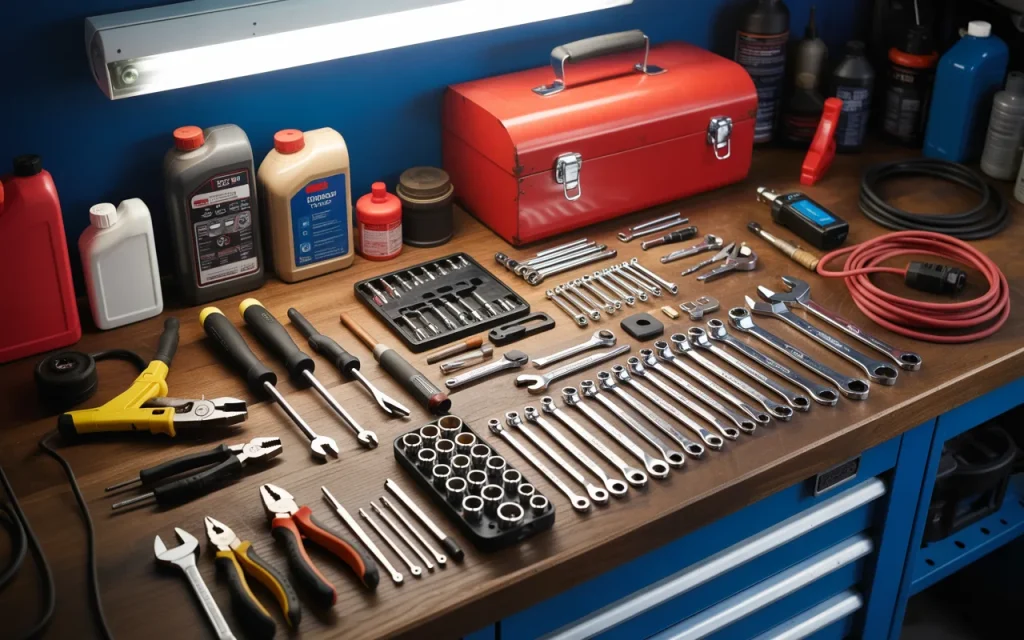
You do not need to buy the most expensive brand right away. Start with mid-range tools that have a good warranty. Many tool brands offer lifetime warranties on hand tools. If a wrench or socket breaks, you can get it replaced for free. This is a great way to build a high-quality set over time without spending all your money at once.
Power tools are another area to consider. A cordless impact wrench can be a huge help for removing stubborn lug nuts and rusted bolts. A cordless ratchet can speed up jobs that require a lot of turning. But remember, these are additions. They are not replacements for the basic hand tools you have already collected.
“Invest in tools that fit your hand well and feel balanced,” says master technician Sarah Jenkins. “If a tool feels awkward or weak, you are more likely to slip and hurt yourself or damage the car. Your comfort is a sign of quality.”
Budget-Friendly Tips for New Mechanics
What Tools Do I Need For Basic Car Repairs. Building a tool collection can feel expensive, but it does not have to be. You can spread the cost out over time. One smart approach is to buy tools as you need them for specific jobs. Instead of buying a huge set all at once, get a good quality socket and wrench set first. Then, when you decide to do your first brake job, buy the brake-specific tools at that time. This way, your collection grows naturally with your skills.
Another tip is to check out pawn shops or online marketplaces for used tools. Many high-quality tools are built to last for decades. You can often find great deals on toolboxes and hand tools from people who are cleaning out their garages.
Do not forget about your car’s manual. Whether it is a physical book or a digital version, the service manual for your specific car is one of the most valuable tools you can have. It tells you exactly how to perform repairs, the right torque specifications for bolts, and the correct fluids to use. A manual is your roadmap.
Building Confidence Through Practice
The best way to learn what you need is to start doing small jobs. Begin with something simple, like changing the air filter or replacing a car battery. These jobs use only a few basic tools and give you a feel for working on your car. As you succeed with small tasks, your confidence grows.
There is a sense of pride that comes with handling a repair on your own. You are not just saving money. You are gaining a skill that will serve you for a lifetime. Each time you finish a job, you learn something new about your vehicle. You also learn more about your tools, which ones work best, and which ones you might want to add next.
I have often found that the fear of starting is worse than the job itself. Once you have the right equipment and a clear plan, most basic repairs are very doable. And when you run into a problem, you will have a strong foundation of tools to help you figure it out.
As racing legend Mario Andretti once said, “If everything seems under control, you are not going fast enough.” In the context of car repair, this reminds us that it is okay to push ourselves to learn new skills. But we should always do so with the right preparation and the right tools to keep things safe.
Frequently Asked Questions
1. What is the absolute first tool I should buy?
Start with a combination socket and wrench set that includes both metric and standard sizes. This single investment will allow you to handle the majority of common repairs, from battery replacements to alternator changes.
2. Can I use a car jack instead of jack stands?
No. A car jack is only for lifting the vehicle. You must always use jack stands to support the weight of the car before you get underneath it. Safety is the most important part of any repair.
3. Do I need a torque wrench for basic repairs?
Yes, especially for critical parts like wheels, brakes, and engine components. A torque wrench ensures you do not over-tighten bolts, which can break them, or under-tighten them, which can be unsafe.
4. Are expensive tool brands worth the money?
For tools you use often, like ratchets and wrenches, quality matters. A quality tool fits better, lasts longer, and often comes with a lifetime warranty. For tools you use once a year, a mid-range option is usually fine.
5. How do I know what size socket or wrench to use?
Your car’s service manual will list bolt sizes for specific jobs. For general work, a socket set that includes sizes from 8mm to 19mm (metric) and ¼ inch to ¾ inch (standard) will cover most needs.
Conclusion
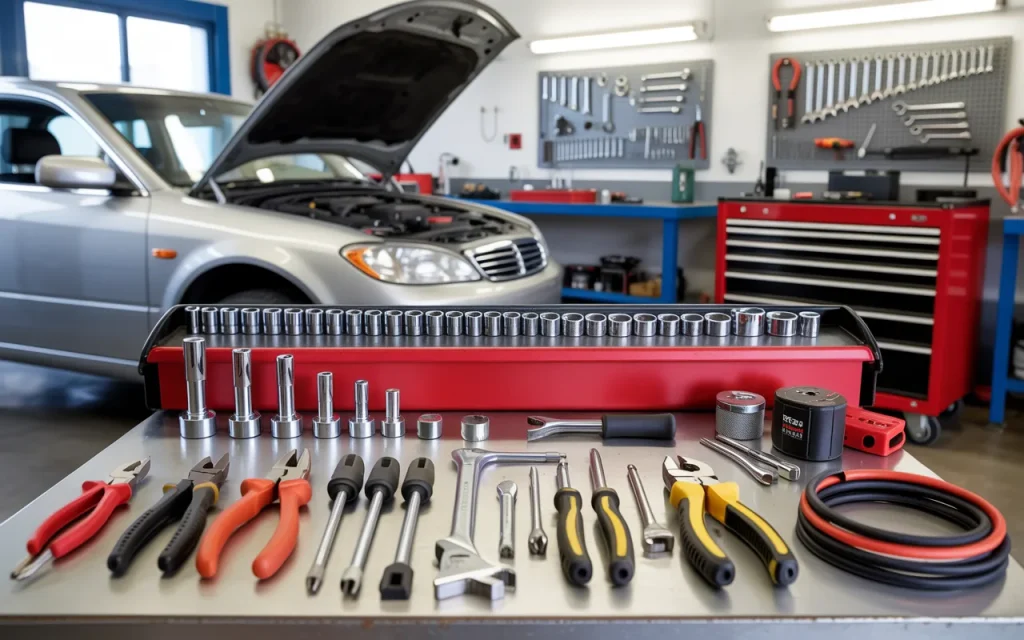
Getting started with car repairs is one of the most useful skills you can learn. The question of what tools do I need for basic car repairs is a great place to begin. The answer is not as complicated as it may seem. You need a solid set of sockets and wrenches, reliable safety equipment like a floor jack and jack stands, and a few specialized items for common jobs like oil changes and brake work.
What Tools Do I Need For Basic Car Repairs. Remember to build your collection over time, prioritize safety above all else, and always keep a service manual for your car close by. With these tools in your garage, you will be ready to handle unexpected problems, save money on simple repairs, and enjoy the satisfaction of working with your own hands.
“The pride you feel when you fix something yourself is a reward no mechanic can charge for,” says automotive educator David Chen. “Your tools are your teachers. Respect them, care for them, and they will help you solve almost any problem your car throws at you.”
What Tools Do I Need For Basic Car Repairs. Start with the basics, stay safe, and give yourself permission to learn as you go. Every mechanic started with one tool and one small job. Now that you know exactly what you need, you can take that first step with confidence.
Related posts
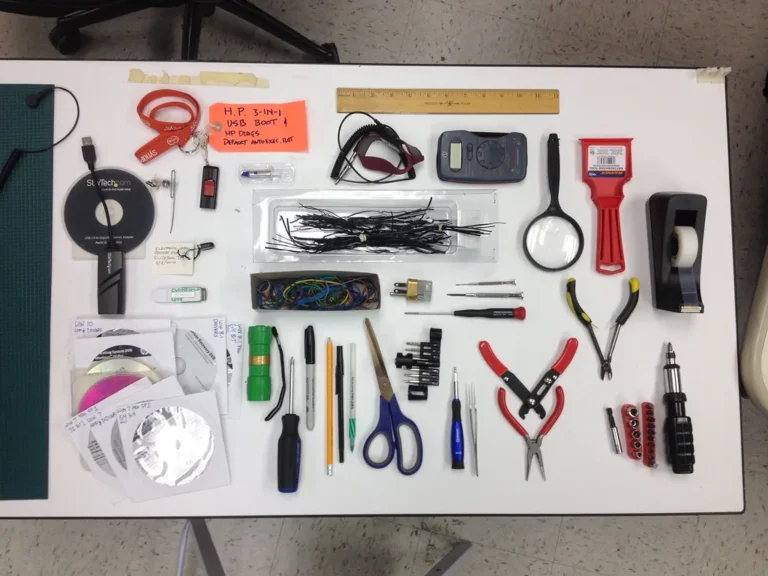 Top Starter Mechanic Tool Kits for Apprentices: Essential Sets for Your Trade
Explore top starter mechanic tool kits for apprentices. Compare sets for mechanics, electricians, and other trades to find your essential tools. Starting an apprenticeship is an…
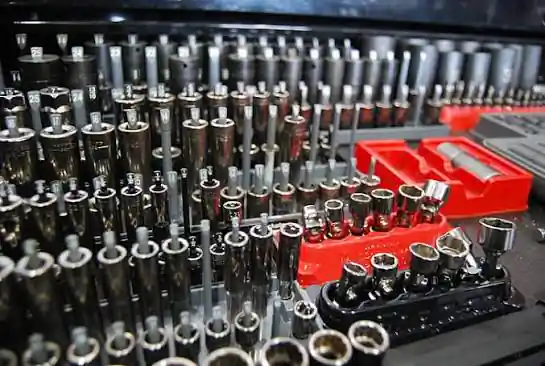 Automotive Tool Kits vs. Mechanic Tool Sets: What’s the Difference?
Understand the key differences between automotive tool kits vs. mechanic tool sets. Learn which is best for your car maintenance needs. When looking for tools to…
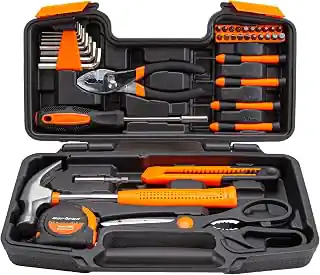 Top Automotive Tool Kits for Garage Workshops: A Buyer’s Guide
Find the top automotive tool kits for garage workshop. Compare versatile sets for car maintenance, home repairs, and DIY projects to choose the best fit. Setting…