
Essential Tools for Car Maintenance: A Practical Guide
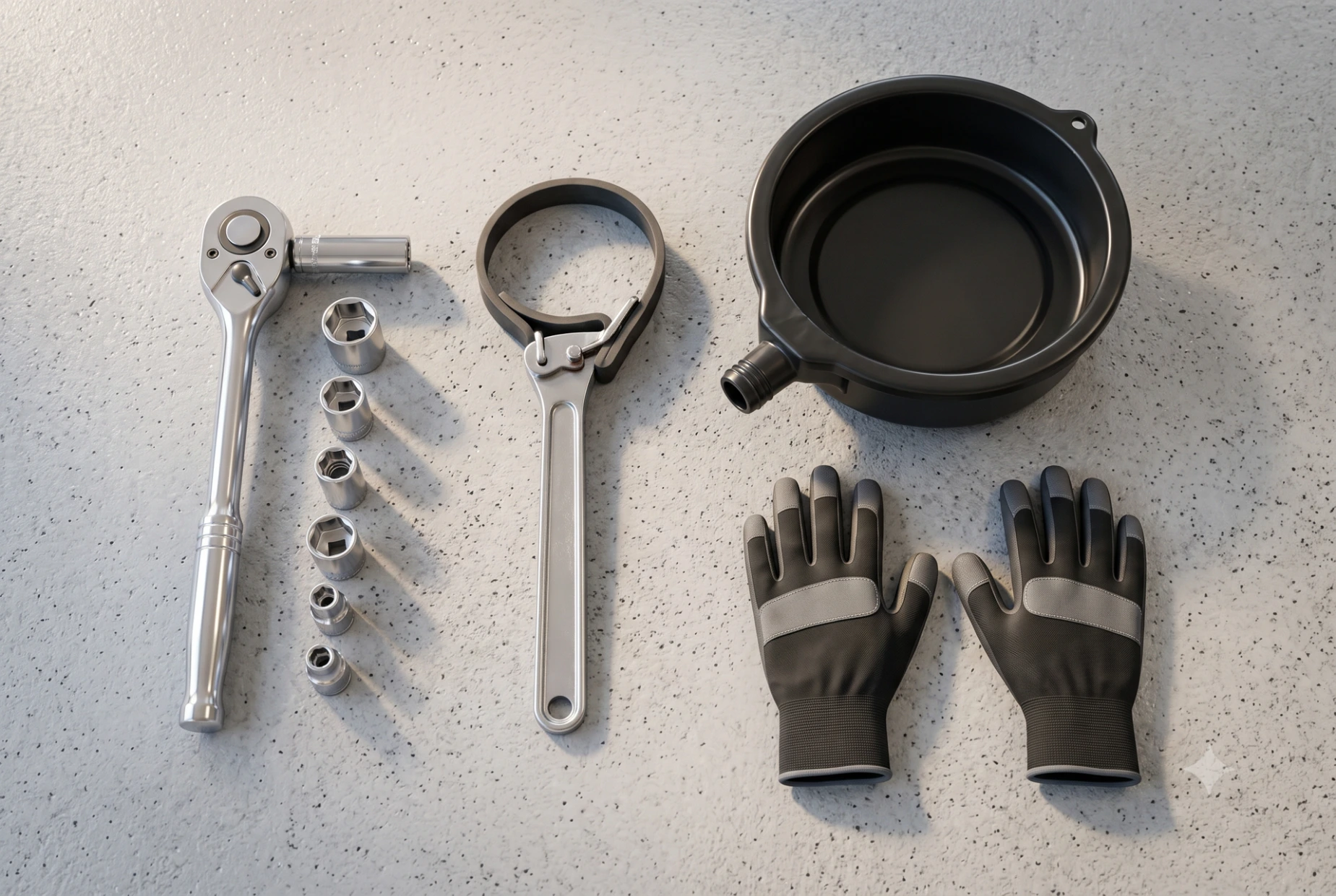
Essential tools for car maintenance are the fundamental hand tools and safety equipment that allow an average car owner to perform routine checks, minor adjustments, and basic repairs. These aren’t the specialized instruments a professional mechanic uses for complex diagnostics, but rather the reliable workhorses.
Building this essential toolkit means focusing on versatility and practicality. It empowers you to tackle common tasks like checking tire pressure, topping up fluids, changing a flat tire, or even replacing a headlight bulb.
| Topic | When it helps | What to keep in mind |
|---|---|---|
| 1 | Tightening and loosening nuts and bolts, performing oil changes, working on exhaust systems, and general assembly/disassembly. | Using the wrong size wrench or socket can strip bolt heads. |
| 2 | Removing interior trim, accessing engine components, working with electrical connectors, gripping small or awkwardly shaped parts, cutting wires. | Using a screwdriver as a pry bar can damage the tip and the surface. |
| 3 | Protecting yourself from hazards during any car maintenance task, from simple checks to more involved repairs. | Never skip safety gear, even for quick tasks. |
| 4 | Regular tire pressure checks, monitoring tire wear, inflating tires to the correct pressure. | Under-inflated or over-inflated tires can lead to poor fuel economy, uneven wear, and increased risk of blowouts. |
| 5 | Checking and topping up engine oil, coolant, brake fluid, power steering fluid, and windshield washer fluid. | Using the wrong type of fluid can damage your car’s systems. |
Understanding Essential Car Maintenance Tools
When we talk about essential tools for car maintenance, we’re referring to a curated collection of reliable hand tools and safety equipment that empower you to perform routine checks and minor repairs. These are the items that help you keep your vehicle in good working order without needing.
The goal of an essential toolkit is to cover the most frequent maintenance tasks an owner might encounter. This includes everything from ensuring your tires are properly inflated and checking fluid levels to changing a flat tire or replacing a burnt-out bulb.
For instance, while a mechanic might use a specialized torque wrench for precise engine bolt tightening, an essential tool for an owner is a reliable adjustable.
Assuming that ‘essential’ means having every tool imaginable; the focus is on versatility and common needs.
Core Hand Tools for Every Toolkit
At the heart of any car maintenance toolkit are a few key categories of hand tools. These are the items you’ll reach for most often, so investing in decent quality is wise.
A good set of wrenches is indispensable. This typically includes adjustable wrenches for versatility and combination wrenches (which have both an open end and a box end) in common metric and SAE sizes.
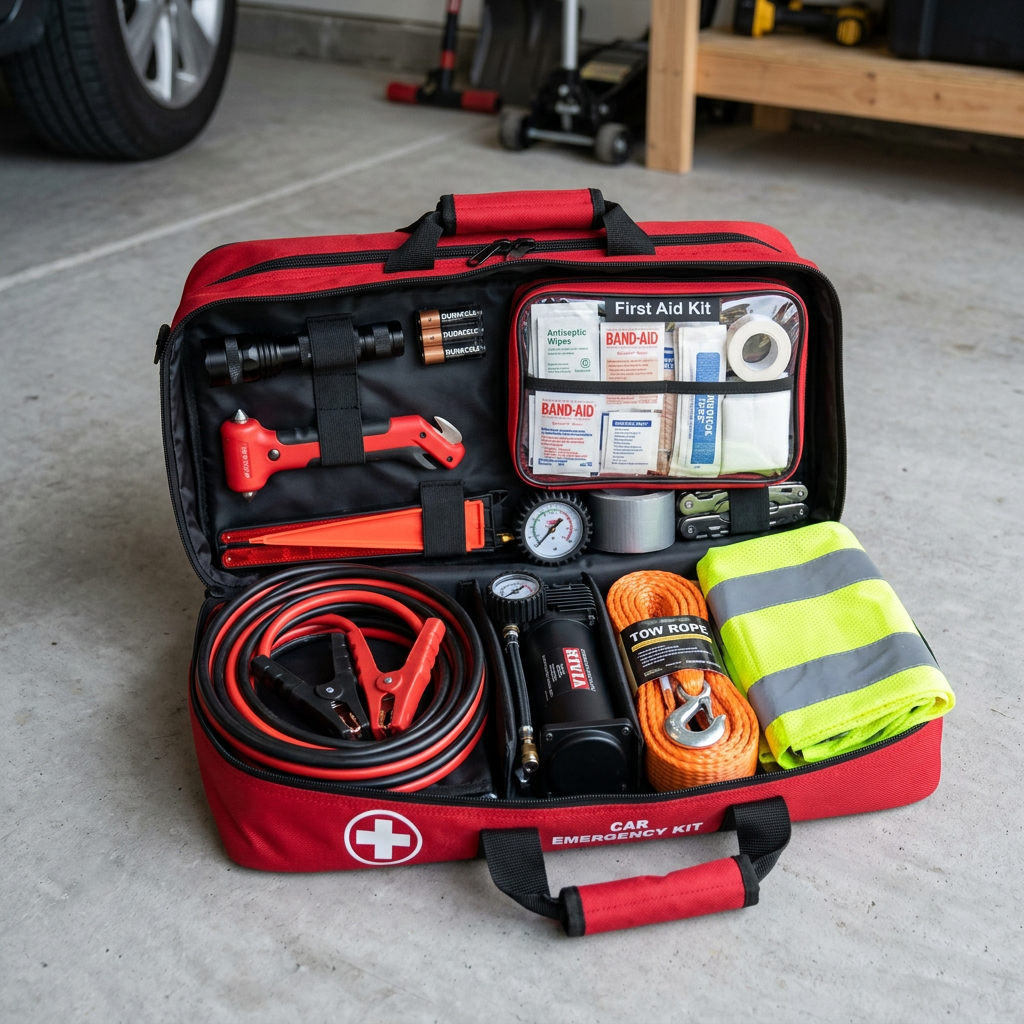
Imagine needing to tighten a loose bolt on your car’s battery terminal; a combination wrench or a socket from your set would be the perfect tool.
Purchasing the cheapest tools available.
Wrenches and Socket Sets
When building your toolkit, prioritize a range of socket sizes, typically from 8mm to 19mm for metric and 1/4 inch to 3/4 inch for SAE. A 3/8-inch drive ratchet is a good all-around choice for.
Safety First: Non-Negotiable Gear
No discussion of essential car maintenance tools is complete without a strong emphasis on safety. Protecting yourself should always be your top priority, as even minor accidents can lead to significant injuries.
Durable work gloves are a must. They protect your hands from cuts, abrasions, grease, and chemicals.
Wearing thick work gloves can prevent a nasty cut from a sharp metal edge or protect your hands from hot engine components.
Skipping safety gear for quick tasks.
Tools for Common Maintenance Tasks
Beyond the general hand tools, certain specific items are essential for common maintenance tasks that most car owners will perform. These tools address routine checks and minor fixes that keep your car running reliably and efficiently.
Tire maintenance is a prime example. A reliable tire pressure gauge is non-negotiable.

A tire pressure gauge is essential for maintaining optimal tire inflation, which affects fuel economy, tire wear, and safety.
Relying on guesswork for tire pressure or fluid levels.
Tire Pressure and Tread Depth
A digital tire pressure gauge offers clear readings and is generally more accurate than analog types. For tread depth, a simple gauge or even a quarter can serve as a quick check.
Caring for Your Tools
Acquiring essential tools is only half the battle; proper care and maintenance are crucial to ensure they remain effective and safe for years to come. Well-maintained tools perform better, last longer, and reduce the risk of accidents.
After each use, take a moment to clean your tools. Wipe away grease, dirt, and moisture.
Wiping down your wrenches after use and storing them in a dry place prevents rust and keeps them ready for the next job, unlike leaving them.
Dirty, rusty, or damaged tools are less effective, potentially dangerous, and can lead to costly replacements sooner than necessary.
Definition of essential car maintenance
- A basic toolkit should include a variety of wrenches, socket sets, and screwdrivers.
- Safety gear like gloves and eye protection is non-negotiable for any car maintenance.
- Tools for tire pressure checks and battery testing are vital for preventative care.
- Investing in quality tools saves money and frustration in the long run.
Focus on tools for common
1. Wrenches and Socket Sets
These are the backbone of most car maintenance. Adjustable wrenches offer versatility for various bolt sizes, while socket sets with a ratchet provide efficient tightening and loosening for nuts and bolts.

- Tightening and loosening nuts and bolts, performing oil changes, working on exhaust systems, and general assembly/disassembly.
- Using the wrong size wrench or socket can strip bolt heads.
- Start with a comprehensive socket set (1/4-inch and 3/8-inch drive) and a good adjustable wrench.
2. Screwdrivers and Pliers
A set of screwdrivers with various tip types (Phillips, flathead) and sizes is crucial for removing panels, accessing components, and securing electrical connections. Pliers, including needle-nose, slip-joint, and locking pliers, are invaluable for gripping, bending, cutting, and holding small parts.
- Removing interior trim, accessing engine components, working with electrical connectors, gripping small or awkwardly shaped parts, cutting wires.
- Using a screwdriver as a pry bar can damage the tip and the surface.
- Invest in a set of high-quality screwdrivers with comfortable grips.
3. Safety Gear
Safety should always be the top priority. Essential safety gear includes durable work gloves to protect your hands from cuts and grease, safety glasses or goggles to shield your eyes from debris and chemicals, and sturdy footwear to prevent foot injuries.
- Protecting yourself from hazards during any car maintenance task, from simple checks to more involved repairs.
- Never skip safety gear, even for quick tasks.
- Keep a pair of nitrile or leather work gloves and a pair of safety glasses readily accessible in.
4. Tire Maintenance Tools
Essential for ensuring optimal tire performance and safety. This includes a reliable tire pressure gauge to check and maintain correct inflation levels, and a tread depth gauge to assess tire wear.
- Regular tire pressure checks, monitoring tire wear, inflating tires to the correct pressure.
- Under-inflated or over-inflated tires can lead to poor fuel economy, uneven wear, and increased risk of blowouts.
- A digital tire pressure gauge is easy to read and accurate.
5. Fluid Check and Top-Off Tools
Maintaining proper fluid levels is key to car health. Essential items include a funnel for adding oil, coolant, or washer fluid without spills, and containers for safely storing or disposing of old fluids.
- Checking and topping up engine oil, coolant, brake fluid, power steering fluid, and windshield washer fluid.
- Using the wrong type of fluid can damage your car’s systems.
- A set of funnels with different spout sizes and a few clean, sealable containers are practical for fluid.
FAQs
What are the absolute must-have tools for a beginner car owner?
For a beginner, focus on a good adjustable wrench, a basic socket set with a ratchet, a set of screwdrivers (Phillips and flathead), work gloves, and safety glasses.
Do I need both metric and SAE tools?
Yes, most cars use a combination of both metric and SAE fasteners. While many modern cars primarily use metric, older vehicles or certain components might still use SAE.
What’s the difference between essential DIY tools and professional mechanic tools?
Essential DIY tools are versatile and cover common owner maintenance tasks. Professional tools are often more specialized, higher-grade, and designed for frequent, heavy-duty use in diagnostics and complex.
How much should I expect to spend on an essential toolkit?
You can build a solid essential toolkit for a few hundred dollars by starting with quality basics. Avoid the cheapest options, as they won’t last.
Conclusion
Building an essential toolkit for car maintenance is an investment in your vehicle’s longevity and your own preparedness. By focusing on versatile hand tools, crucial safety gear, and items for common tasks, you can confidently handle.
Remember that quality matters; investing in durable tools will save you frustration and potential hazards in the long run. Keep your tools clean, organized, and ready for action, and you’ll be well-equipped to keep your car.
Related posts
 Which Tool Kit Is Worth Buying? How to Choose the Right Set for Your Home
Wondering which tool kit is worth buying? Compare basic household sets, mechanic kits, and power tool combos to find the best tools for your budget and…
 Which Hand Tools Are Made in the USA? Reliable Brands and Buying Rules
Discover which hand tools are still made in the USA. Compare top domestic brands, tool categories, and learn how to verify origin labels before buying. Several…
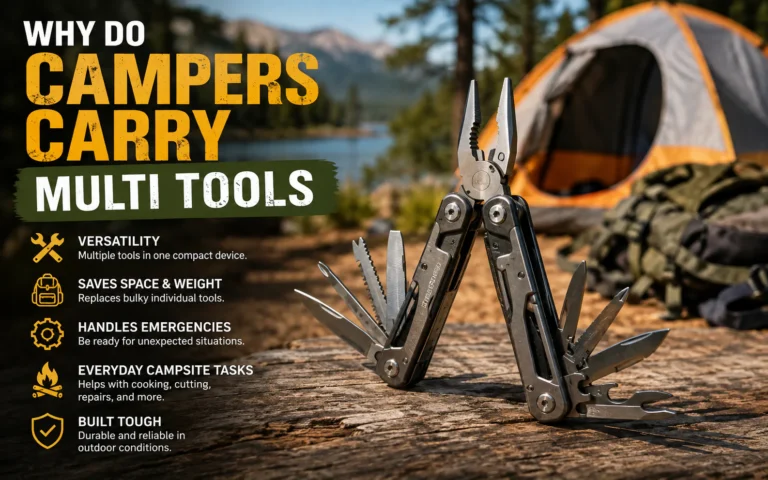 Why Do Campers Carry Multi Tools? Practical Uses in the Field
Why do Campers carry multi tools to handle gear repairs, campsite setup, food prep, and field fixes with minimal weight. Here is why one belongs in…