
How To Choose A Home Tool Kit For First-Time Homeowners
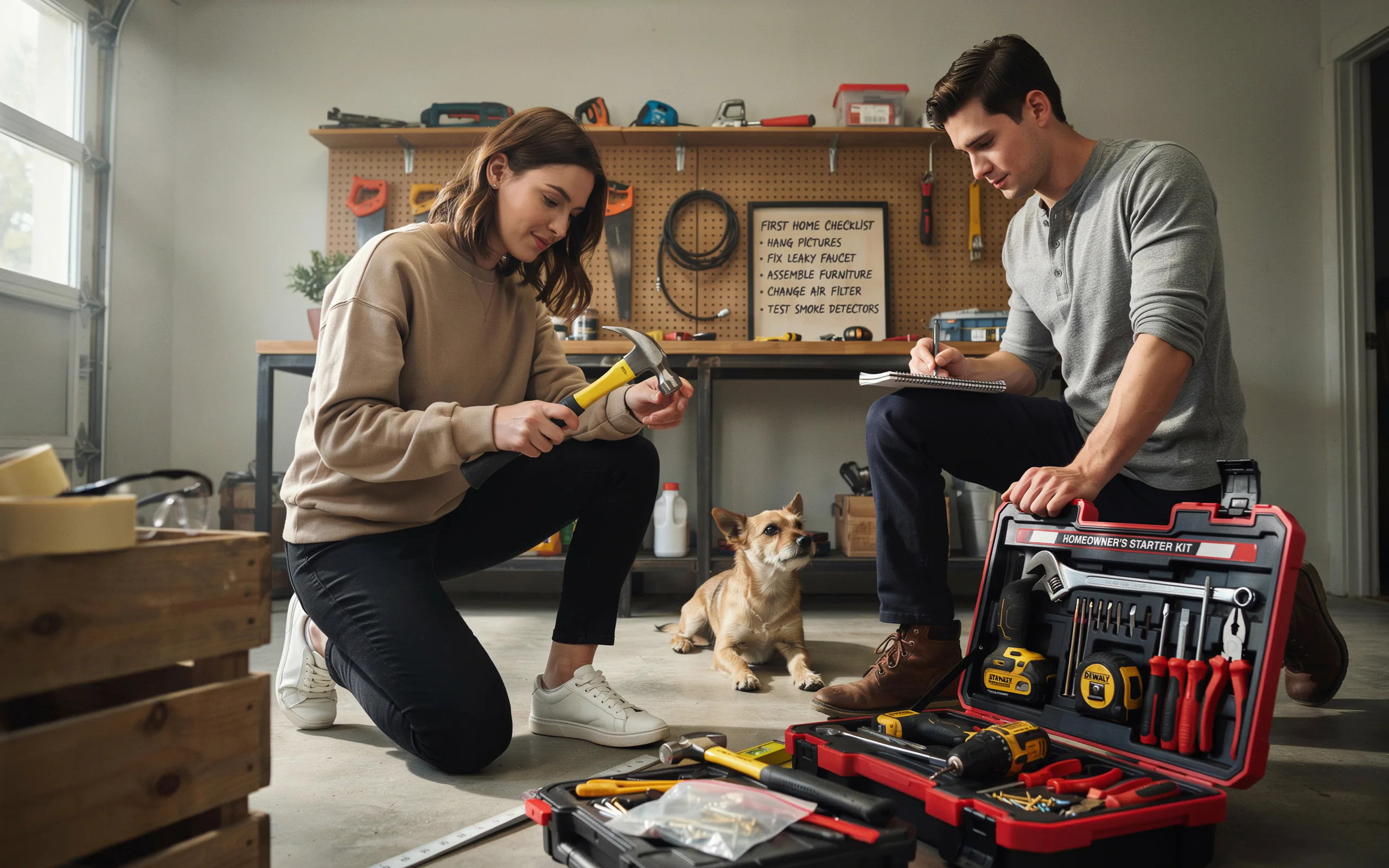
You can choose a home tool kit for first-time homeowners by focusing on basic tools, quality, and your budget. This guide gives a clear list, safety tips, and smart buying advice to start your home repairs.
Getting your first home is a big step. You feel proud. You also feel a bit lost when something breaks. A small leak. A loose shelf. A wobbly chair. You do not need to call a pro for every small fix. You just need the right tools.
This guide helps you choose a home tool kit for first-time homeowners. You will learn what tools matter. What to skip. How to save money. And how to stay safe.
Let us start with the simple truth.
“A small set of good tools can fix 90% of home problems. The rest can wait for a pro.” – Linda Graham, home repair coach
Why a Good Tool Kit Matters for New Homeowners
You just moved in. Boxes everywhere. Then the kitchen drawer handle falls off. Or a picture hook needs to go on the wall. Without tools, you feel stuck.
A basic tool kit saves you time and money. You do not pay a handyman $100 to tighten a screw. You do it yourself in two minutes.
Also, small repairs stop big damage. A dripping tap gets worse over time. A loose cabinet hinge can break the door. With tools, you fix things fast.
Owning tools also gives you confidence. You feel more in control of your home. You learn simple skills. Over time, you save hundreds of dollars.
So when you choose a home tool kit for first-time homeowners, think long term. This is not just a box of metal. It is your home care partner.
What to Look For Before You Buy
Not all tool kits are the same. Some have 200 pieces but many are useless. Others have 30 quality pieces that cover every basic need.
Here is what to check when you choose a home tool kit for first-time homeowners.
Quality Over Quantity
A cheap tool breaks fast. The screwdriver tip bends. The hammer head flies off. That is dangerous.
Look for tools with solid handles. Rubber grips are good. Metal parts should feel firm. Avoid the very cheapest kits from dollar stores.
The Right Tools, Not Too Many
A 150-piece kit sounds great. But do you need 20 tiny hex keys? Probably not. Focus on the basics. A good starter kit has 30 to 50 pieces. That is enough.
Storage Case
A loose tool in a drawer is hard to find. A good kit comes with a hard case. Each tool has its own spot. You grab what you need fast.
Warranty
Some brands give a lifetime warranty. If a tool breaks, they replace it. That is a good sign of quality.
The Essential Tools Every First-Time Owner Needs
Let us build your perfect starter set. These are the tools you will use most. Use this table as your shopping checklist.
Must-Have Tools for New Homeowners
| Tool | Why You Need It | How Often You Use It |
|---|---|---|
| Claw hammer | Pound nails, pull nails out | Weekly |
| Screwdriver set (flathead and Phillips) | Tighten screws on doors, switches, toys | Daily |
| Adjustable wrench | Tighten nuts on taps, pipes, furniture | Monthly |
| Pliers (needle-nose and slip-joint) | Grip small parts, bend wires, hold nuts | Monthly |
| Tape measure (16 or 25 feet) | Measure for furniture, curtains, shelves | Weekly |
| Utility knife | Cut boxes, rope, tape, drywall | Weekly |
| Level (small 9-inch or larger) | Hang pictures, shelves straight | Monthly |
| Flashlight or headlamp | See in dark corners, under sinks | As needed |
| Set of hex keys (Allen wrenches) | Assemble flat-pack furniture | Monthly |
| Stud finder | Find wall beams to hang heavy items | Rare but vital |
These ten items form the core of any good kit. Many pre-made kits include all of these.
When you choose a home tool kit for first-time homeowners, check that these items are inside.
“I tell every new owner to buy a hammer, a screwdriver, a wrench, and a tape measure first. The rest can come later.” – Tom Ellis, 30-year handyman
How to Choose a Home Tool Kit for First-Time Homeowners on a Budget
Money is often tight after buying a house. Closing costs. Moving truck. New furniture. So you want to spend wisely on tools.
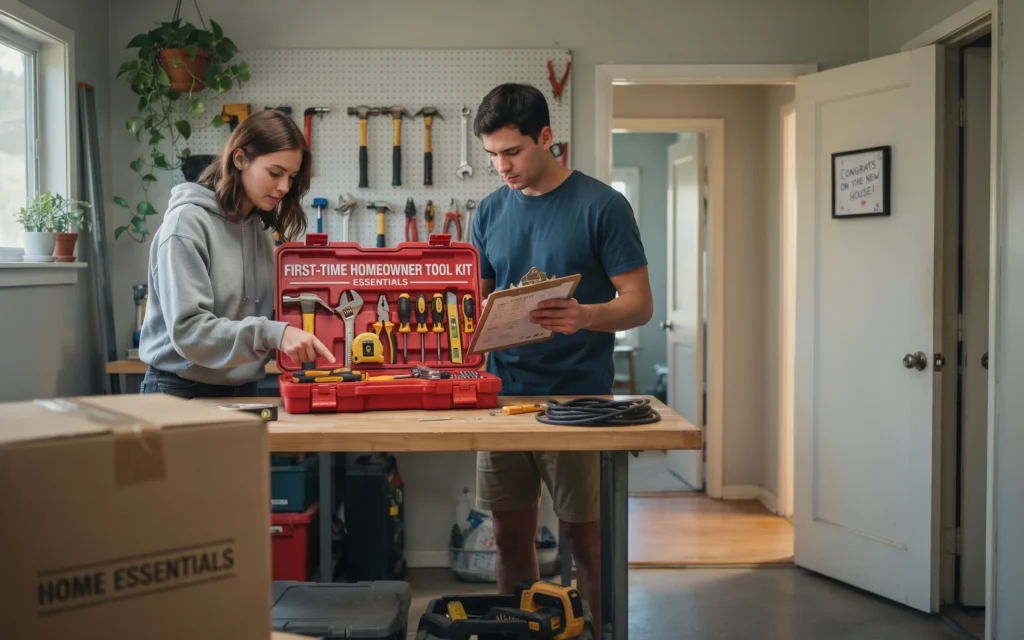
You can choose a home tool kit for first-time homeowners for under $50. Or you can spend $150 for a better set. Here is how to decide.
The Super Low Budget Option (Under $30)
Buy individual tools from a discount store. Get a hammer ($8), two screwdrivers ($5), an adjustable wrench ($10), a tape measure ($5), and a utility knife ($3). That is $31. Store them in a shoebox.
This works for very tight budgets. But the tools may not last long. Upgrade as you can.
The Smart Starter Kit ($50 to $80)
Many brands sell a 40 to 60-piece home tool kit in this range. Look for names like Stanley, Craftsman, or Hart. These kits include a case and a small selection of drill bits, pliers, and a level.
This is the best value for most first-time owners.
The Long-Term Set ($100 to $150)
These kits have 100+ pieces. They include a small handsaw, a putty knife, a rubber mallet, and better pliers. Some even have a basic multimeter for electrical checks.
If you plan to do many projects, spend more now. You will not need to buy new tools for years.
Buy Used or Borrow First
Ask family or friends for spare tools. Check garage sales or online marketplaces. Many people sell almost new tools for half price.
Also, some libraries or tool lending shops lend tools for free. Try that before you buy.
Pre-Made Kit vs. Building Your Own
You have two paths. Buy a ready-made kit. Or buy each tool separately.
Pre-Made Kits – Good and Bad
Good: Fast and easy. The case is organized. Usually cheaper per tool.
Bad: Some tools are low quality. You may get tools you never use.
Building Your Own – Good and Bad
Good: You pick exactly what you want. You can choose better brands for the tools you use most.
Bad: Takes more time. Costs more upfront. You need to buy a storage box separately.
For most first-time owners, a pre-made kit from a trusted brand is the best way to choose a home tool kit for first-time homeowners. Start there. Then add better tools over time.
Where to Buy Your First Tool Kit
You have many options. Each has pros and cons.
Best Places to Buy a Starter Tool Kit
| Store Type | Example | Price Range | Best For |
|---|---|---|---|
| Home improvement chains | Home Depot, Lowe’s | $40 – $150 | Wide selection, good brands |
| Online megastores | Amazon, Walmart.com | $30 – $120 | Reading reviews, home delivery |
| Warehouse clubs | Costco, Sam’s Club | $50 – $100 | Good value, bulk deals |
| Hardware stores | Ace, True Value | $45 – $130 | Helpful staff, local support |
| Discount stores | Harbor Freight | $20 – $70 | Very low budget, basic tools |
Read online reviews before you buy. Look for comments about durability. Avoid kits with many broken tool reviews.
“My first tool kit came from a flea market for $15. It lasted two years. Then I bought a real set from a hardware store. Worth every penny.” – Rachel V., homeowner and DIY blogger
Safety Tips for New Tool Owners
Tools can hurt you if you use them wrong. Respect them. Follow these simple rules.
Read the Instructions
Yes, really. That small paper in the kit matters. It shows you how to hold each tool safely.
Wear Safety Glasses
A tiny piece of metal or wood can fly into your eye. Spend $5 on safety glasses. Wear them when you hammer or cut.
Keep Tools Clean and Dry
Rust ruins tools. After use, wipe metal parts with a dry cloth. Store the kit inside your home, not in a damp garage.
Do Not Force a Tool
If a wrench slips, do not push harder. You might strip the nut or hurt your hand. Get the right size tool.
Put Tools Away After Use
A hammer left on the floor is a trip hazard. A knife in a drawer can cut someone. Always return each tool to its case.
How to Grow Your Tool Kit Over Time
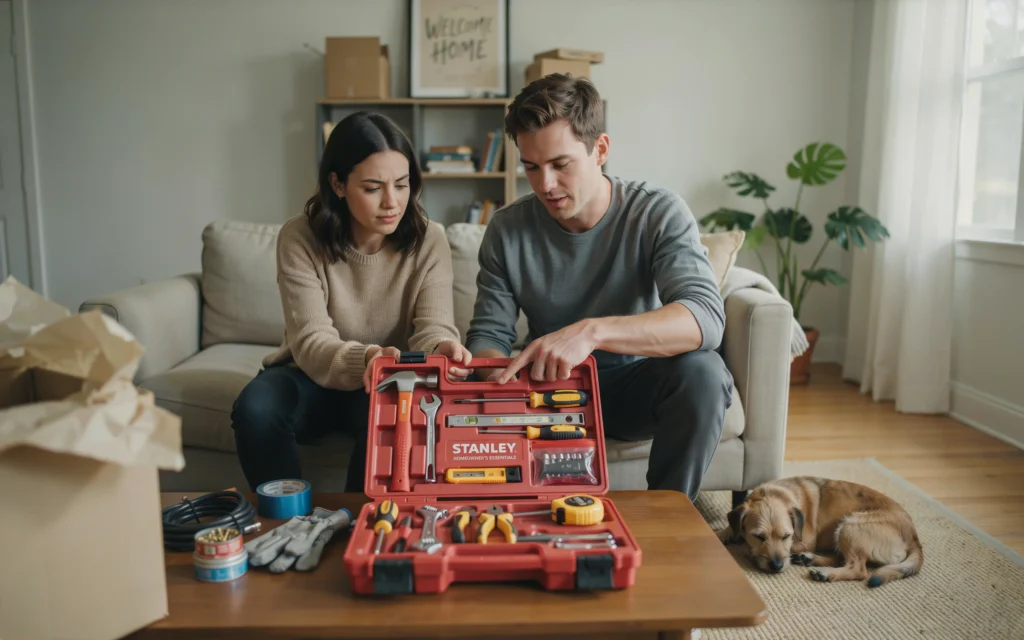
Your first kit is a start. As you do more projects, you will need more tools. Here is a simple order to add tools.
First six months: Add a rubber mallet, a putty knife, and a small handsaw.
Next six months: Get a cordless drill with drill bits. Also add a pipe wrench for plumbing.
Second year: Buy a socket set, a wire cutter, and a caulking gun.
You do not need everything at once. Buy as you need. That saves money and clutter.
When you choose a home tool kit for first-time homeowners, remember you will add to it. So leave some space in your storage.
Many new owners make the same errors. Do not be one of them.
Buying Too Many Cheap Tools
A $5 screwdriver set with 50 bits is junk. The bits break. The handle slips. Spend $15 on one good screwdriver instead.
Forgetting a Stud Finder
You try to hang a heavy mirror. You guess where the wall stud is. You miss. Now you have a hole to patch. A $15 stud finder stops this.
No Storage Plan
You buy a tool set but throw away the case. Then tools scatter. You cannot find the 10mm wrench when you need it. Keep the case.
Ignoring Safety Gear
No safety glasses. No work gloves. Then you get a splinter or a cut. That small injury could have been avoided.
“I learned the hard way. A hammer hit my thumb because I was rushing. Now I take my time and wear gloves.” – David K., homeowner
Frequently Asked Questions (FAQ)
Q1: What is the best brand for a first tool kit?
Stanley, Craftsman, and Husky are good for beginners. They balance price and quality. For a lower budget, Hart or Hyper Tough work fine.
Q2: How much should I spend when I choose a home tool kit for first-time homeowners?
Spend $50 to $80 for a solid starter kit. That gives you good tools without breaking your budget. If you can spend $100, you get better pliers and a nicer case.
Q3: Do I need a power drill in my first kit?
No. A drill is helpful but not urgent. Use screwdrivers for your first few months. Then buy a cordless drill as your second big tool purchase.
Q4: Can I use one tool for many jobs?
Yes. An adjustable wrench works on many nut sizes. A claw hammer drives and pulls nails. But for screws, use the right screwdriver. Do not use a knife as a screwdriver. That breaks the knife.
Q5: How do I know if a tool is good quality?
Pick it up. Does it feel heavy and solid? Do the moving parts feel smooth? Read online reviews. Avoid tools with painted handles that feel cheap plastic.
Conclusion
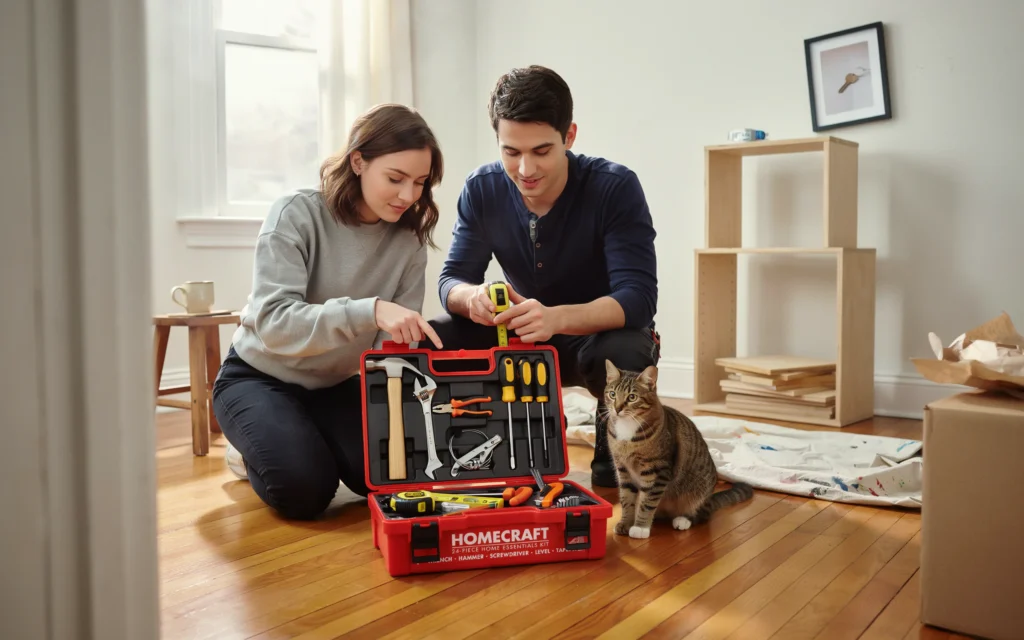
You now know how to choose a home tool kit for first-time homeowners with confidence. Start with the ten essential tools. Set a budget between $50 and $80. Pick a kit from a trusted brand with a hard case. Add safety glasses and a good habit of putting tools away.
Your first home will need small fixes. That is normal. With the right tools, those fixes become easy five minute jobs. You save money. You learn skills. You feel proud of your home.
So go ahead. Buy that hammer. Learn to hang a shelf. Tighten that loose tap. You can do this.
And remember: every handy person started with one small kit and a big wish to learn. Now it is your turn.
Related posts
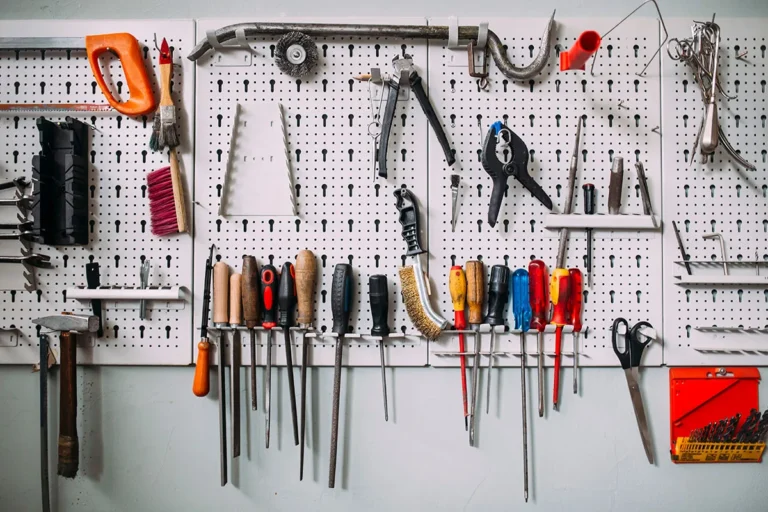 Top Home Tool Kits for Seniors: 2026 Practical Guide
Discover the top home tool kits for seniors in 2026. We compare compact, easy-to-use sets perfect for daily household repairs, furniture assembly, and DIY tasks. Finding…
 Top Home Tool Kits for Women: 2026 Buyer Guide
Discover the top home tool kits for women in 2026. Compare top-rated sets for DIY, furniture assembly, and household repairs to find your perfect match. Finding…
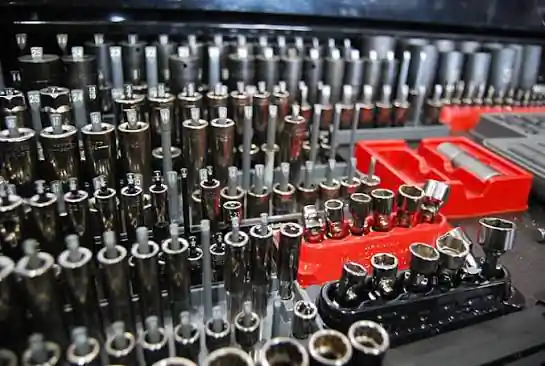 Top Home Tool Kits for Basic Home Repairs 2026
Find the top home tool kits for basic home repairs in 2026. Compare top-rated sets for DIY projects, furniture assembly, and daily household maintenance. Every home…