
How Do I Use A Multi Tool Kit Safely And Effectively
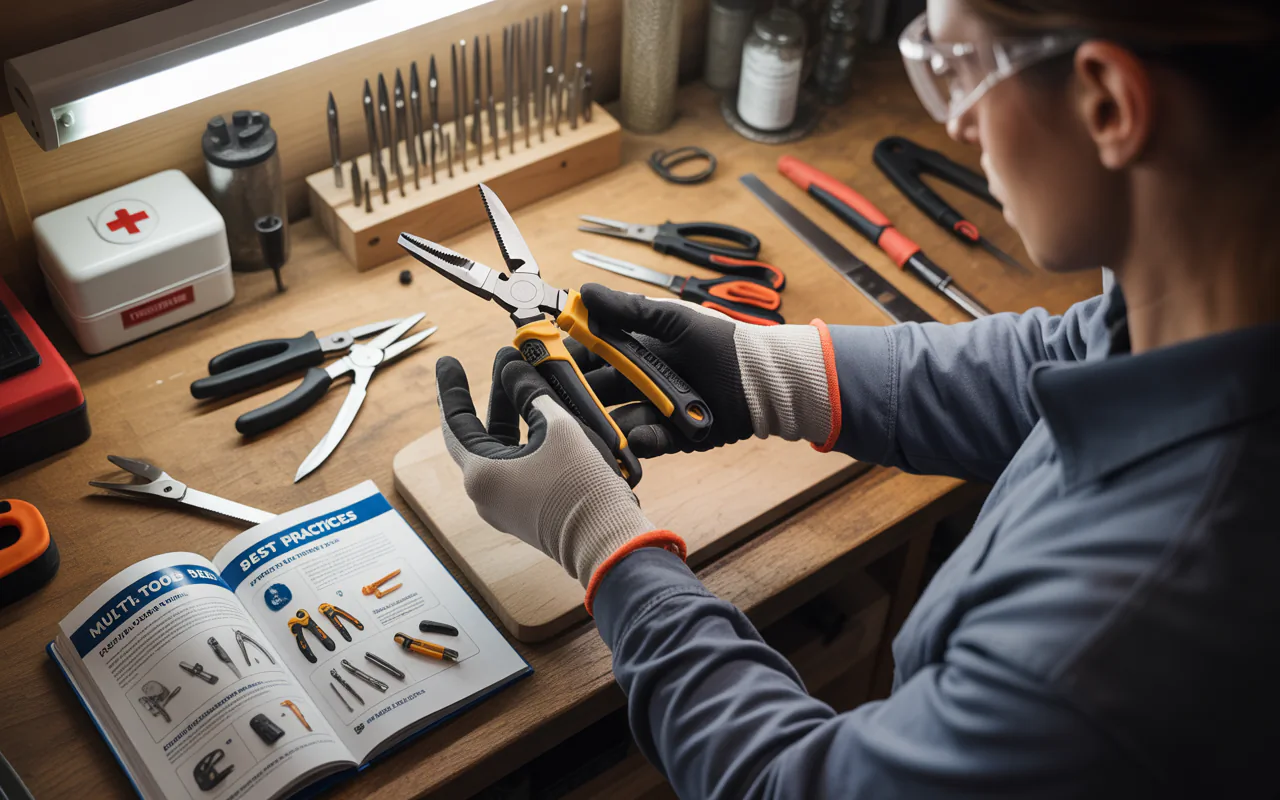
You can use a multi tool kit safely and effectively with these proven methods. From locking blades to storing tools, this article covers everything for safe DIY projects. Learn simple steps to avoid injury and get great results.
Have you ever held a multi tool kit and felt a little unsure where to start? You are not alone. Many people get one as a gift or buy it for emergencies. Then they wonder how to use it without hurting themselves or breaking the tool. The good news is that learning to use a multi tool kit safely and effectively is quite simple. You just need a few basic rules and some practice. This guide will walk you through every step. You will learn about safety gear, proper grip, tool care, and common mistakes to avoid. By the end, you will feel confident picking up your multi tool kit for any small job around the house, in the garage, or on a camping trip.
Let me be honest with you. I have used multi tools for years. I have made mistakes. I have cut myself a few times. And I have learned a lot from those small accidents. That is why I want to share what works. My goal is to help you use a multi tool kit safely and effectively from day one. No fancy words. No confusing instructions. Just clear, helpful tips that keep your fingers safe and your tools working well.
Before we go further, remember this quote from a safety expert:
A multi tool is only as safe as the person holding it. Respect the tool, and it will respect you.”
— Linda Garcia, Certified Hand Tool Safety Instructor
Now, let us get started.
What Is a Multi Tool Kit and Why You Need One
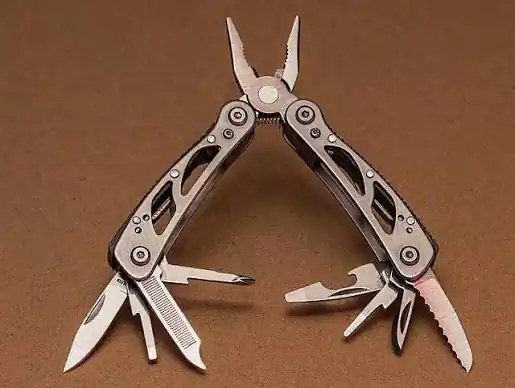
A multi tool kit is a small, foldable device that contains many tools in one body. Think of it like a Swiss Army knife but often with pliers as the main handle. Most kits include a knife blade, pliers, wire cutters, screwdrivers, a bottle opener, a file, and sometimes scissors or a saw. Some larger kits come with separate interchangeable bits. The beauty of a multi tool is that you can carry many functions in your pocket. You do not need to carry a whole toolbox.
You might need a multi tool for many everyday tasks. You can open packages, tighten a loose screw on a cabinet, cut a zip tie, strip a wire, open a bottle, or even file a rough edge on metal or wood. For people who love DIY, camping, fishing, biking, or simply being prepared, a multi tool is a great friend. But you need to know how to hold it, open it, lock it, and close it the right way. That is what we will cover next.
Essential Safety Rules Before You Use a Multi Tool Kit Safely and Effectively
Before you open any blade or pull out the pliers, you need to follow some basic safety rules. These rules are not hard. They just require a little attention. When you use a multi tool kit safely and effectively, you start with your own habits and awareness.
Wear the Right Protective Gear
You might think a small tool does not need safety gear. But even a small knife can cut deep. Even small pliers can pinch hard. So take a minute to put on the right protection. Here is a simple table to help you remember.
Safety Gear Checklist Before You Use a Multi Tool Kit Safely and Effectively
| Gear | Why It Helps |
|---|---|
| Safety glasses | Stops flying bits of metal, wood, or plastic from hitting your eyes. |
| Cut-resistant gloves | Protects your fingers from accidental slips when using the blade or wire cutters. |
| Closed-toe shoes | Prevents injury if you drop the tool on your foot or step on an open blade. |
| Good lighting | Lets you see exactly where the blade or screwdriver tip is going. |
Wearing gloves might feel odd at first. But after you avoid one small cut, you will be glad you wore them. Also keep your work area clean. A messy desk or bench makes it easy to slip.
Check Your Tool Before Each Use
A broken multi tool is a dangerous multi tool. Before you use a multi tool kit safely and effectively, look it over. Open each tool part way and check for cracks, rust, or loose hinges. Make sure the locking mechanism works. A lock keeps the blade or tool from folding on your fingers while you apply pressure. If the lock feels loose or does not click into place, do not use that part. Clean the tool or get it repaired.
Also check that the pliers close evenly. The wire cutter edges should meet without a big gap. If there is a gap, the cutter will crush instead of cut. That can make the tool slip and hurt you.
Here is another quote to keep in mind:
“A quick two minute inspection before each job saves you from a two hour trip to the emergency room.”
— Marcus Chen, Workshop Safety Consultant
Now that you know the safety basics, let us look at each common tool in your multi tool kit.
How to Use Common Tools in a Multi Tool Kit
Every multi tool has similar parts. But each part needs a different technique. Let me show you how to handle the most common ones.
Using the Knife Blade Safely
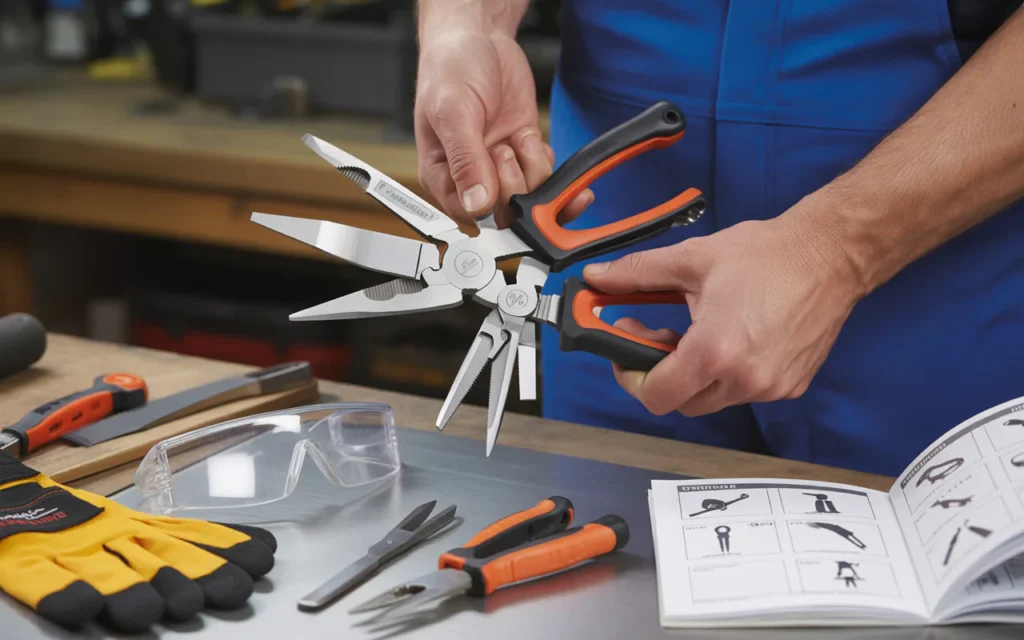
The knife blade is often the most used part of a multi tool. It is also the most dangerous if you are not careful. To use a multi tool kit safely and effectively when cutting, follow these steps:
- Open the blade until it clicks and locks in place. Do not use a blade that does not lock.
- Hold the tool handle firmly with your whole hand. Keep your fingers away from the blade’s path.
- Cut away from your body. Never pull the blade toward your stomach or chest.
- Use a cutting mat or a firm surface. Do not hold the item you are cutting in your other hand unless you wear a cut-proof glove.
- Apply steady pressure. Do not force the blade. Let the sharp edge do the work.
- When done, close the blade by releasing the lock and folding it back into the handle. Keep your fingers clear of the closing path.
A sharp blade is safer than a dull one. A dull blade requires more force. More force means more chance of slipping. So keep your multi tool blade sharp. You can use a small sharpening stone or a ceramic rod made for pocket knives.
Using Pliers and Wire Cutters
Pliers on a multi tool work like small gripping hands. You can use them to hold a nail, bend a wire, turn a small nut, or pull a fishhook out of a fish mouth. To use a multi tool kit safely and effectively with pliers, open the tool so the pliers face up. Grip the handles like you would hold a pair of scissors. Your fingers should wrap around the curved handles. Your thumb rests on the side.
When you squeeze, do not let your skin get caught between the handles. Some multi tools have spring loaded handles. Others do not. If yours does not have a spring, you must open the handles yourself after each squeeze. That is fine. Just be slow and steady.
For wire cutters, place the wire as deep into the cutter notch as possible. Squeeze firmly and quickly. Do not rock the tool side to side. That will damage the cutting edges. If the wire is very thick, do not force it. Use a dedicated wire cutter instead.
Using Screwdrivers and Other Attachments
Most multi tools have one or two screwdriver tips. They may be built into the handle or come as interchangeable bits. To use a multi tool kit safely and effectively for screws, first make sure the screwdriver tip matches the screw head. A Phillips tip goes into a cross shaped screw. A flat tip goes into a straight slot. Using the wrong tip will strip the screw and may cause the tool to slip.
Open the screwdriver and lock it. Place the tip into the screw head. Apply downward pressure while turning. Do not tilt the tool. Keep it straight. If the screw is tight, use your other hand to steady the tool handle. Do not use pliers on the screwdriver handle for extra torque. That can break the tool or hurt your hand.
For saws, files, or bottle openers, read your multi tool’s manual. Each tool has a specific lock and open mechanism. Practice opening and closing each part five times before you need to use it. That muscle memory will keep you safe.
Step-by-Step Guide to Use a Multi Tool Kit Safely and Effectively for Common Tasks
Now let us put all this knowledge together. Here are three common tasks and exactly how to do them the right way.
Task 1: Cutting a thick zip tie off a wire bundle
- Put on safety glasses and gloves.
- Open the knife blade and lock it.
- Hold the zip tie with your gloved hand. Keep the wire behind the zip tie.
- Cut away from your body. Slice the zip tie at an angle.
- Close the blade and store the tool.
Task 2: Tightening a loose screw on a door hinge
- Select the correct screwdriver bit. Open and lock it.
- Place the tip into the screw head.
- Press down firmly and turn clockwise.
- If the screw is very tight, use your other hand to hold the tool handle near the tip for better control.
- Close the screwdriver and wipe off any metal dust.
Task 3: Cutting a thin copper wire
- Open the pliers to access the wire cutter notch.
- Place the wire inside the cutter notch as far as it will go.
- Squeeze the handles quickly and firmly.
- Do not twist. Squeeze straight.
- Check the cut ends. They should be clean.
Common Tasks and the Right Multi Tool Attachment
| Task | Best Tool | Safety Tip |
|---|---|---|
| Open a box | Knife blade | Cut tape, not cardboard deep. Keep box flat. |
| Cut a small nail | Wire cutter (on pliers) | Wear glasses. Nail pieces can fly. |
| Tighten eyeglass screw | Small flathead screwdriver | Hold glasses firmly. Turn very slowly. |
| File rough metal edge | Metal file | File away from your body. Use two hands. |
| Open a bottle | Bottle opener | Keep thumb on top of cap. Do not pry against glass. |
Practice each task slowly at first. Speed comes with experience. Always remember this third quote:
“The safest way to use any hand tool is with a clear mind and a steady hand. Never rush.”
— Dr. Rachel Torres, Occupational Safety Researcher
Maintenance Tips to Keep Your Multi Tool Kit in Top Shape
A clean, well oiled tool is a safe tool. Dirt and rust make the locking parts stick. Sticking parts can cause the blade to close on your fingers. So spend five minutes every month to care for your multi tool. Here is how.
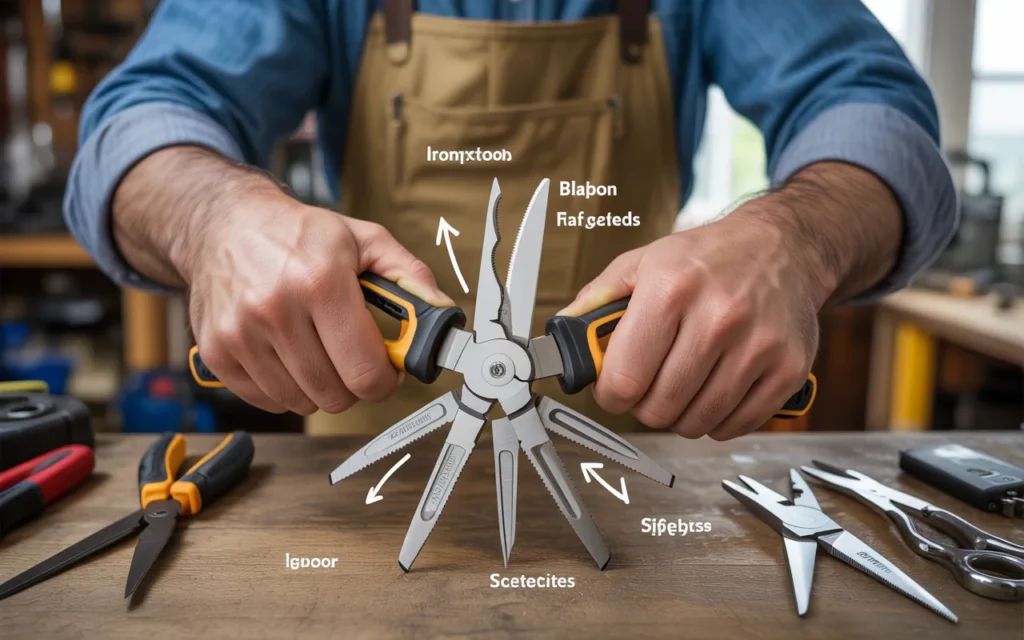
First, wash the tool with warm soapy water. Open all the tools. Use an old toothbrush to scrub the hinges and locks. Rinse well. Dry the tool completely with a cloth. Then put a drop of light machine oil (like sewing machine oil) on each hinge and lock. Open and close each part a few times to spread the oil. Wipe off extra oil with a clean rag.
Second, check the blade edge. If it feels dull, sharpen it. Use a fine sharpening stone. Hold the blade at a 20 degree angle. Push the blade across the stone from base to tip. Do five passes on each side. Then strop the blade on a piece of leather or denim.
Third, store your multi tool in a dry place. Do not leave it in a wet garage or a sweaty pocket for days. If you carry it every day, wipe it down each night with a dry cloth. This simple habit prevents rust and keeps the locking mechanism working well.
Fourth, do not use your multi tool for jobs it was not made for. Do not hammer with the pliers. Do not pry heavy lids with the knife blade. Do not use the saw to cut metal. Respect the tool’s limits. A good multi tool can last 20 years or more if you treat it right.
Common Mistakes to Avoid When You Use a Multi Tool Kit Safely and Effectively
Even careful people make mistakes. Let me share the most common errors I see. Avoid these, and you will stay much safer.
Mistake 1: Using the tool without locking the blade.
This is the number one cause of multi tool injuries. Always lock the blade or screwdriver before applying pressure. If your tool does not have a lock, buy one that does. Non locking blades are only safe for very light work.
Mistake 2: Cutting toward your body or other hand.
Your free hand should never be in the path of the blade. Keep it behind the cut or wear a cut-proof glove. Imagine the blade slipping. Where would it go? If the answer is “into my hand or leg,” then change your position.
Mistake 3: Using the wrong tool for the job.
The pliers are not a hammer. The knife is not a screwdriver. The file is not a pry bar. Using a tool the wrong way breaks the tool and often cuts you. Take the extra minute to get the right tool from your toolbox if the multi tool does not have it.
Mistake 4: Forcing a stuck screw or thick wire.
If the screw does not turn, stop. Apply penetrating oil or use a real screwdriver with a larger handle. If the wire is too thick for the cutter, use lineman pliers or a hacksaw. Forcing a multi tool will bend the handles or break the lock.
Mistake 5: Storing the tool dirty or wet.
I have seen many multi tools rust shut because the owner left them in a wet backpack or a damp drawer. Rust makes the tool hard to open. Hard to open means you use more force. More force leads to slips. Clean and dry your tool after each use.
Frequently Asked Questions (FAQ)
Q1: Can I use a multi tool kit safely and effectively for electrical work?
Only if the tool has insulated handles rated for electrical work. Most standard multi tools do not have that rating. For live wires, use proper insulated tools. For low voltage battery cables (like 12V car wires), you can use your multi tool if you disconnect the battery first.
Q2: How often should I sharpen the knife blade?
Sharpen it when you notice it does not slice paper easily. For regular use, every two to three months is fine. If you use it daily, sharpen once a month.
Q3: What is the best way to clean the inside of a multi tool?
Open all tools. Spray with a little isopropyl alcohol or soapy water. Use an old toothbrush. Rinse. Dry with compressed air or a hair dryer on cool. Then oil the hinges.
Q4: Can I bring a multi tool on an airplane?
No. Most airlines and security agencies do not allow any knife blade in carry on luggage. Put your multi tool in checked baggage. Check local rules before you travel.
Q5: My multi tool lock feels loose. Can I fix it?
Sometimes you can tighten a small screw on the lock mechanism. But often it is better to contact the manufacturer. Many brands like Leatherman, Gerber, or Victorinox have warranties. They may repair or replace it for free.
Q6: What should I do if I cut myself with a multi tool?
Clean the wound with soap and water. Apply pressure with a clean cloth. If bleeding does not stop after 10 minutes or the cut is deep, see a doctor. For small cuts, use an antibiotic ointment and a bandage.
Q7: Is a cheap multi tool safe to use?
Cheap tools often have poor locks, soft steel, and rough edges. They can be more dangerous than expensive ones. If you can, buy a mid range tool from a known brand. You do not need the most expensive model. But avoid very cheap ones from discount stores.
Q8: How do I know when to replace my multi tool?
Replace it when the lock no longer holds firmly, when the pliers do not grip well, when the blade has large chips, or when the handle bends. A worn multi tool is not safe.
Conclusion
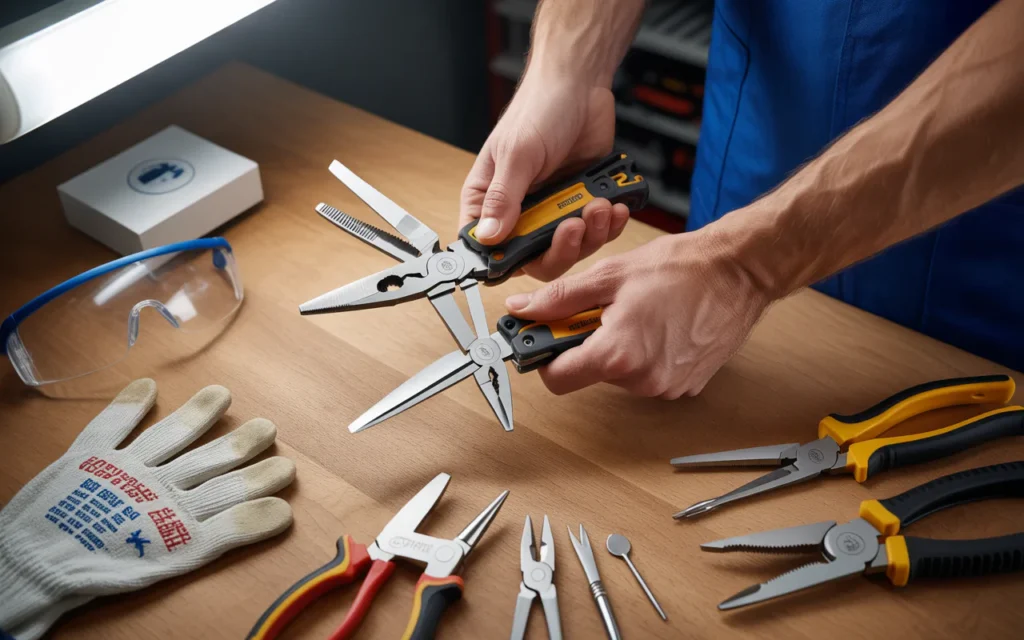
Learning to use a multi tool kit safely and effectively does not take years of practice. It takes a little attention, some basic gear, and respect for the tool. You now know how to check your tool before each use, how to wear the right safety gear, how to handle the blade, pliers, and screwdrivers, and how to maintain your tool so it lasts. You also know the common mistakes to avoid.
Remember the three quotes from our safety experts. Linda Garcia reminded us that respect for the tool keeps us safe. Marcus Chen taught us that a two minute inspection saves hours of pain. And Dr. Rachel Torres said that a clear mind and a steady hand are your best safety tools.
So go ahead. Pick up your multi tool. Open the blade slowly. Lock it. Make a few practice cuts on cardboard. Close it. Oil the hinges. Store it in a dry place. You are now ready to handle small repairs, camping tasks, and everyday projects with confidence. Stay safe, take your time, and enjoy the satisfaction of fixing things with your own hands.
If you found this guide helpful, share it with a friend who just got their first multi tool. A little knowledge shared is a small injury prevented.
Related posts
 Top Tool Bags for DIY Homeowners in 2026
Discover the top tool bags for DIY homeowners in 2026. Compare durable organizers, backpacks, and storage solutions to keep your home repair gear ready. Keeping your…
 Top Tool Bags for Apprentices and Trainees 2026
Discover the top tool bags for apprentices and trainees in 2026. Compare durable, portable, and organized storage solutions to help you start your trade right. Starting…
 Top Multi Tool Kits for Women: 2026 Buyer Guide
Find the best multi tool kits for women in 2026. Compare household sets, cordless screwdrivers, and compact multitools for easy home repairs and DIY projects. Finding…