
Can I Use A Regular Bag As A Tool Bag
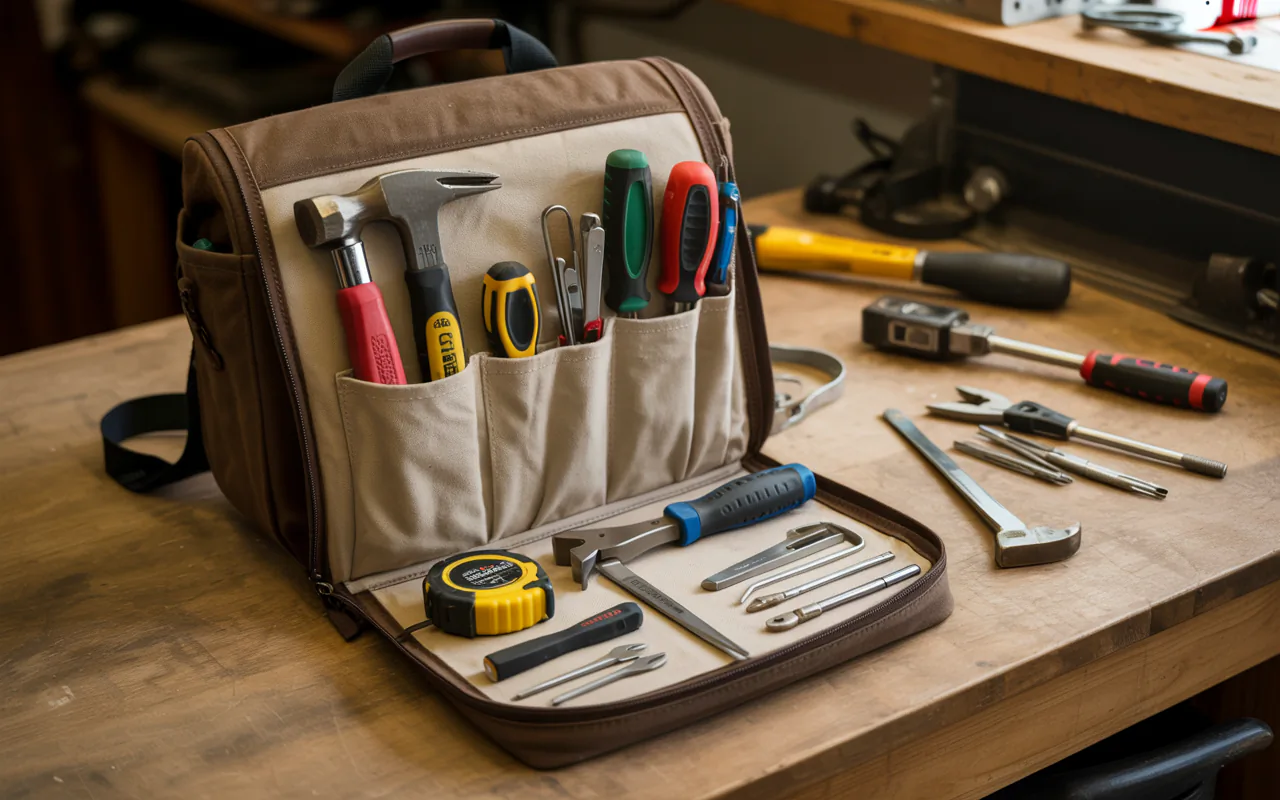
If you’ve ever wondered, “Can I use a regular bag as a tool bag?” the honest answer is yes, but with careful planning. This guide shows you how to turn a backpack, tote, or duffel into a safe and organized tool carrier, plus what to avoid to prevent injury and tool damage.
You are getting ready for a small repair job at home. You look at your old backpack or the reusable grocery tote hanging by the door. And you ask yourself: Can I use a regular bag as a tool bag?
That is a smart question. Many people face this same moment. You do not want to spend money on a special bag if you already have something that might work. The good news is that yes, you often can use a regular bag to carry your tools. But there are some very important things you need to know first.
I have used everything from an old school backpack to a canvas shopping bag for my tools over the years. Sometimes it worked great. Other times I learned a hard lesson when a screwdriver poked through the fabric or the strap broke under too much weight. So let me share what I have learned so you can make the right choice.
What Does a Regular Bag Mean Here?
When we talk about a regular bag, we mean any bag that was not made specifically for tools. Think about these common types:
- Backpacks for school or hiking
- Tote bags made of canvas, nylon, or polyester
- Duffel bags for sports or gym use
- Laptop bags and messenger bags
- Reusable grocery bags
None of these were built with heavy wrenches, sharp screwdrivers, or pointy pliers in mind. But that does not mean they cannot work. It just means you need to be smart about how you use them.
“The right container for your tools is about safety first, convenience second. A cheap bag that cuts your hand or drops a hammer on your foot is no bargain.” – Raymond Holt, handyman and workshop instructor
How to Decide: A Quick Comparison Table
Before we go deeper, here is a table that shows how different regular bags compare for tool carrying.
| Type of Regular Bag | Good For | Bad For |
|---|---|---|
| School backpack (thick fabric) | Light hand tools, screwdrivers, pliers, measuring tape | Heavy hammers, power tools, sharp objects without protection |
| Canvas tote bag | Small tool sets, paint supplies, glue guns | Long tools like levels or pipe wrenches, very heavy loads |
| Duffel bag (gym bag) | Bulkier items, small parts in pouches, work gloves | Organization (tools will sink to the bottom), sharp tools |
| Grocery bag (thin plastic/fabric) | Nothing heavy or sharp – only very light items like a single roll of tape | Almost all real tools – it will tear fast |
| Laptop messenger bag | Flat tools like rulers, small wrenches, screwdrivers with short handles | Heavy or long tools, bulky power tools |
The Main Risks of Using a Regular Bag as a Tool Bag
Ask yourself again: Can I use a regular bag as a tool bag without hurting myself or breaking my tools? The answer depends on these risks.
1. Sharp Tools Poke Through Fabric
Screwdrivers, chisels, awls, and even some pliers have sharp points or edges. Regular bag fabric is often thin. A cheap backpack might have a lining that tears after just a few weeks. When that happens, a sharp tool tip can stick out and cut your hand or leg as you carry the bag.
What you can do: Wrap each sharp tool in a cloth, put it in a hard pencil case, or cover the tip with a piece of rubber or cork.
2. Straps Break Under Heavy Weight
Tool bags are built with reinforced stitching and strong webbing. Regular bags are not. A school backpack might have straps sewn with light thread. Add ten pounds of tools, and those stitches can pop. A broken strap means your bag hits the ground. Tools can break. Worse, you could drop the bag on your foot or someone else’s.
“I once used an old gym bag for my wrenches. The strap snapped on a concrete floor. Two wrenches cracked, and I had to buy new ones. That mistake cost me more than a proper tool bag would have.” – Linda Chen, DIY enthusiast and blogger
3. No Internal Organization
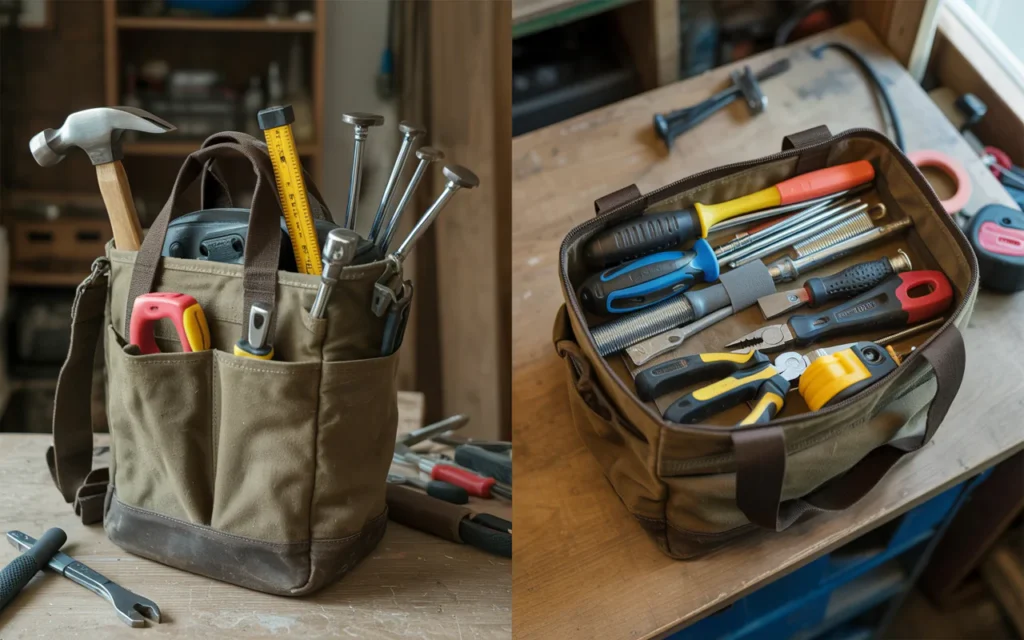
Tool bags often have many small pockets, loops, and dividers. A regular bag usually has one big open space. Your tools will mix together. Wrenches scratch other tools. Screws fall out of their boxes. You waste time digging for the right thing.
What you can do: Use small pouches, zipper bags, or even old jars to group your tools inside the regular bag.
4. Weight Imbalance Causes Strain
A tool bag is often designed so the weight sits evenly. A regular backpack might put all the weight low and away from your back. That pulls you backward and strains your shoulders and spine. A tote bag with one strap puts all the weight on one side of your body, which can lead to back pain over time.
When Can You Safely Use a Regular Bag as a Tool Bag?
Let me be clear. There are times when using a regular bag makes perfect sense. Here are the best situations.
Light Home Repairs
You just need to carry a hammer, a few screwdrivers, a wrench, and some nails from the garage to the living room. A canvas tote or a sturdy old backpack works fine for that short trip. You are not walking a mile or climbing ladders.
Students or Apprentices
Maybe you are in a trade school and you only carry a small set of hand tools to class each day. A strong backpack with padded straps can work well. Just make sure to protect the sharp edges and keep the total weight under eight or ten pounds.
Emergency Car Kits
A small duffel bag in your trunk for basic car tools like a tire iron, jumper cables, and a flashlight is often fine. The bag does not move much. And you only use it in emergencies.
Gardening Tools
Pruners, trowels, hand forks, and gloves are not very heavy or very sharp. A regular tote bag or an old backpack is perfect for carrying these around your yard.
A Safety Checklist Before You Use Any Regular Bag
Use this table to check if your bag is ready for tools.
| Check This | Pass | Fail |
|---|---|---|
| All straps and stitching look strong with no fraying | ☐ | ☐ |
| Fabric feels thick (no see-through spots) | ☐ | ☐ |
| Zippers or closures work smoothly | ☐ | ☐ |
| No existing holes or weak seams | ☐ | ☐ |
| Bag can close fully (tools will not fall out) | ☐ | ☐ |
| You have a way to separate sharp tools from the main fabric | ☐ | ☐ |
| Total tool weight is less than 8 pounds for a single-strap bag, less than 15 pounds for a backpack | ☐ | ☐ |
If you checked “Fail” on any row, do not use that bag for tools. Find another bag or buy a proper tool bag.
How to Make a Regular Bag Work Better for Tools
You want to know if you can use a regular bag as a tool bag. The answer is yes, especially if you make a few simple changes. Here are my best tips from years of trial and error.
Add Small Pouches Inside
Buy a few small zipper pouches or pencil cases. Put your screwdrivers in one, wrenches in another, and pliers in a third. These pouches keep tools from rubbing together and poking through the main bag. You can find pouches at any dollar store for very little money.
Use a Stiff Bottom Insert
Many regular bags have soft bottoms. When you put heavy tools inside, the bottom sags. That puts stress on the seams. Cut a piece of thin plywood, thick cardboard, or plastic cutting board to fit the bottom of the bag. Slide it inside. Now the weight spreads out evenly.
Wrap Sharp Tips
A simple piece of duct tape folded over a screwdriver tip works. So does a wine cork pushed onto the point. You can also buy vinyl tip protectors online for very little money. The goal is to stop sharp metal from touching the bag fabric.
Distribute Weight Evenly for Backpacks
Do not put all heavy tools at the bottom of a backpack. Place heavy items close to your back, in the middle. Lighter items go toward the front and top. This keeps the load stable and reduces strain on your shoulders.
“I have used the same canvas messenger bag for my electrical tools for three years. The secret is I put every screwdriver in a separate plastic tube. No punctures, no problems.” – David Park, residential electrician
Reinforce the Straps
If your bag has thin straps, you can sew a piece of nylon webbing over them. Use heavy thread and a leather needle. This is an easy fix that adds a lot of strength. Even better, you can buy strap pads that wrap around the existing strap to make carrying more comfortable.
What Tools Should Never Go in a Regular Bag?
Some tools are just too heavy, too sharp, or too dangerous for a regular bag. Never put these in a regular bag unless you have very strong protection.
- Circular saws and reciprocating saws – the blades will cut through fabric instantly
- Heavy hammers (over 2 pounds) – the weight and swing motion can tear seams
- Pipe wrenches or large crescent wrenches – very heavy and have sharp edges
- Boxes of loose nails or screws – they will poke through and spill everywhere
- Power tool batteries – they are heavy and can short circuit if metal touches the terminals
- Utility knives with exposed blades – one slip and you have a shredded bag and a possible cut
For these items, buy a real tool bag, a tool box, or a rolling tool chest. Your safety is worth the small cost.
Comparing Regular Bags to Real Tool Bags
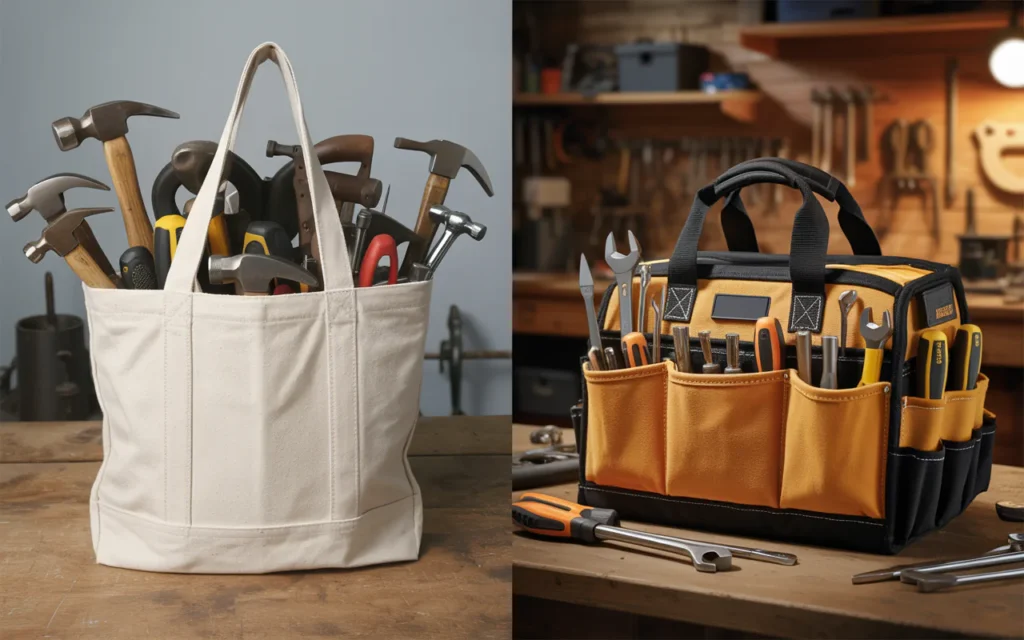
Sometimes people ask me, “Can I use a regular bag as a tool bag instead of just buying a real one?” Let me be honest. A real tool bag is better for most jobs. But that does not mean a regular bag is useless. Here is how they compare.
Real tool bags:
- Have reinforced bottoms that stand up on their own
- Include many pockets and loops made for specific tools
- Use heavy fabric that resists punctures and tears
- Have strong zippers and metal hardware
- Often have padded handles and shoulder straps
Regular bags:
- Cost less (often free if you already own them)
- Look less like a “tool bag” (good for theft prevention)
- Can be more comfortable for light loads
- Are easier to find in a pinch
If you only fix things around your home once a month, a well-prepared regular bag is fine. If you work with tools every day, get a real tool bag. Your back, hands, and tools will thank you.
Frequently Asked Questions
Can I use a regular bag as a tool bag for flying on an airplane?
No. Most airlines have strict rules about tools in carry-on bags. Even a regular bag with a screwdriver can be taken away at security. Check your airline’s rules. Usually, tools over seven inches must go in checked luggage, regardless of the bag type.
What is the best regular bag to use as a tool bag?
A sturdy backpack made of thick canvas or Cordura nylon works best. Look for one with padded shoulder straps and at least two main compartments. Avoid fashion backpacks with thin fabric or decorative stitching. Army surplus backpacks are often very strong and cheap.
Can I wash a regular bag after using it for tools?
Yes, but be careful. Shake out all metal dust and small debris first. Then use a vacuum with a brush attachment. Wash on a gentle cycle in a laundry bag to protect your machine. Sharp tools can damage the washer drum or leave grease stains.
How much weight can a regular bag hold safely?
A good rule: No more than 10 pounds for a single-strap bag like a tote or messenger bag. No more than 15 pounds for a two-strap backpack. More than that, and you risk broken straps, torn seams, or back injury. A real tool bag can often hold 30 pounds or more safely.
Can I use a regular bag as a tool bag for power tools?
Only for very small power tools like a drill driver or an oscillating tool. Remove the battery first. Wrap the tool in a cloth. Do not put sharp drill bits or blades loose in the bag. Large power tools like saws or grinders need hard cases or dedicated tool bags.
What should I do if my regular bag tears while carrying tools?
Stop immediately. Carefully take out the tools one by one. Check for injuries. If the tear is small, you can patch it with heavy fabric and strong thread. But honestly, once a regular bag starts to tear, it is time to replace it or retire it from tool use. A patch might hold for a few more light jobs, but do not trust it with sharp or heavy tools again.
Final Thoughts
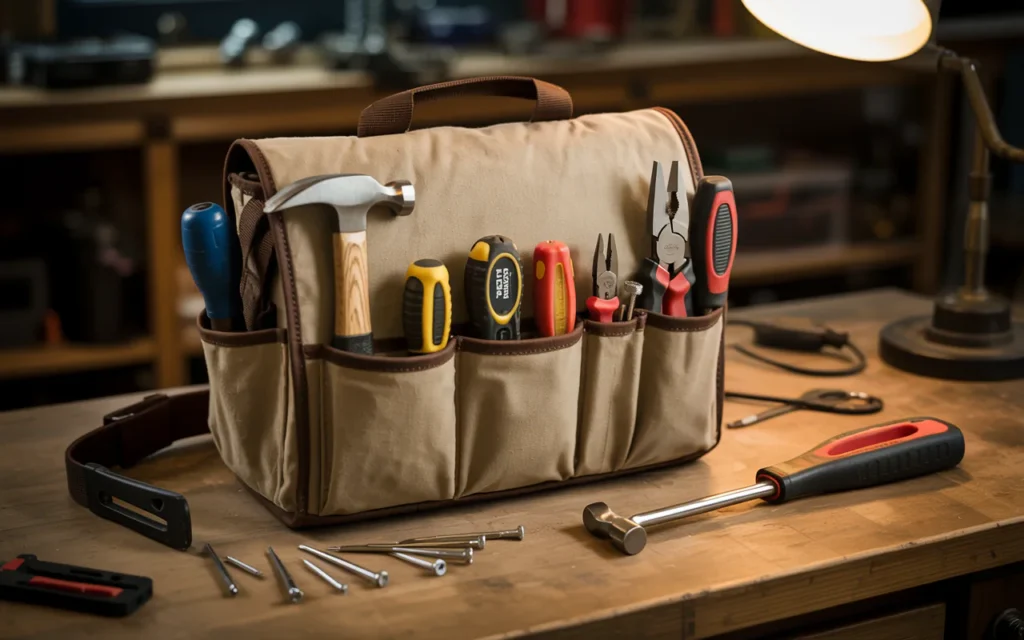
So, can you use a regular bag as a tool bag? Yes, you can. But do it the smart way. Choose a strong bag. Protect sharp edges. Keep the weight low. Use internal pouches for organization. And never push your luck with a bag that is already falling apart.
I have used regular bags for tools many times. Sometimes out of necessity. Sometimes because I was too lazy to walk to the garage for my real tool bag. And you know what? Most of the time, it worked fine. The few times it did not work, I learned something new.
The most important thing is to think about safety first. A broken tool can be replaced. A cut on your hand or a dropped tool on your toe takes time to heal. So listen to your gut. If a bag feels weak or wrong for the tools you want to carry, do not use it. Spend a few dollars on a cheap tool bag from a hardware store. Your body will be happier.
But for quick jobs, light tools, and short trips, that old backpack or canvas tote in your closet might be just the thing you need. Give it a try with my tips above. And the next time someone asks you, “Can I use a regular bag as a tool bag?” you will have a good answer ready for them. Yes, with care and common sense.
Related posts
 Top Tool Bags for Mobile Contractors: 2026 Buyer Guide
Discover the top tool bags for mobile contractors in 2026. Compare durable totes, backpacks, and multi-pocket organizers to find the best fit for your gear. For…
 Top Tool Bags for Plumbers: 2026 Selection Guide
Discover the top tool bags for plumbers in 2026. We compare durable, multi-pocket storage solutions to help you organize your gear effectively on the job. Plumbing…
 Best Tool Bag for HVAC Technicians in 2026
Find the right tool bag for HVAC technicians with our 2026 guide. Compare top-rated bags, backpacks, and pouches to keep your gear organized and protected. As…