
How Long Do Tool Bags Last
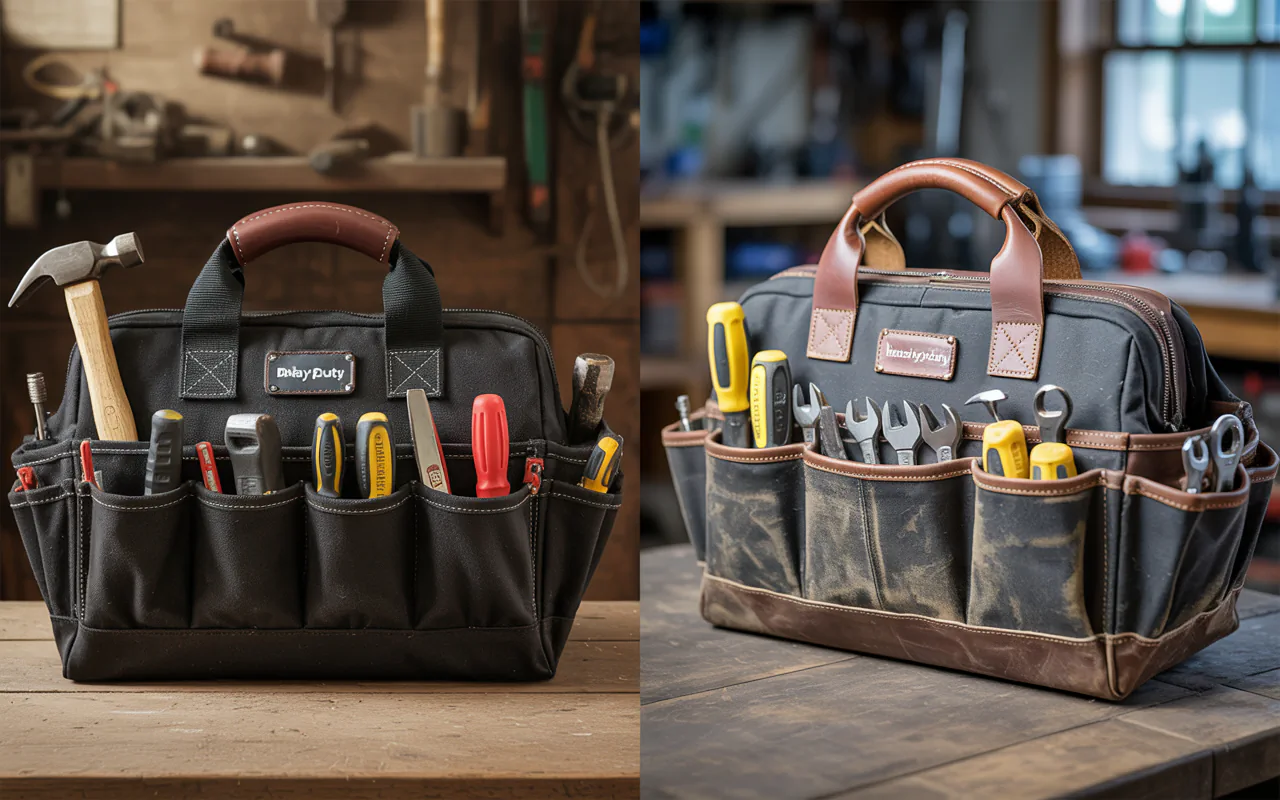
If you ask “how long do tool bags last,” the answer is 3 to 10 years on average. It depends on the material, how often you use it, and how well you take care of it. This guide explains everything you need to know.
If you own tools, you probably own a tool bag. You throw your hammer, screwdrivers, pliers, and tape measure inside. Then you carry it to job sites, up ladders, and across workshops. But after a while, the bag starts to show wear. The zipper gets stuck. The bottom drags on concrete. You start to wonder: how long do tool bags last?
The short answer is 3 to 10 years. A cheap fabric bag might give you 2 or 3 years of regular use. A high quality leather or heavy duty canvas bag can last 8 to 10 years or more. But the real number depends on many things. This article will help you understand what to expect from your tool bag. You will also learn how to pick a bag that lasts and how to take care of it.
I have used tool bags for over 15 years. I have tried cheap bags from big box stores and expensive bags from specialty brands. Some fell apart in months. Others are still with me after a decade. So let me share what I have learned.
“A good tool bag is like a good pair of boots. It should feel right from day one and age well with use.” – Tom Silva, general contractor and TV host
What Affects How Long Tool Bags Last?
Many factors change the lifespan of a tool bag. You cannot just look at the price tag and know if it will last. Here are the main things that matter.
Material Quality
The fabric or leather used in the bag is the biggest factor. Nylon and polyester are common. Low denier nylon (like 600D) is thin and tears easily. High denier nylon (1200D to 1800D) is much stronger. Canvas in the range of 18 to 24 ounces is very tough. Leather tool bags are the most durable but also the heaviest and most expensive.
Stitching and Hardware
Strong thread and tight stitching make a bag last longer. Double or triple stitching at stress points like handles and corners is a good sign. Cheap bags often use single stitching that comes apart after a few months. Zippers are another weak point. Metal zippers last longer than plastic ones. Look for well known zipper brands like YKK.
Frequency of Use
A tool bag used every day on a construction site will wear out faster than one used twice a month at home. Professional tradespeople might need a new bag every 2 to 4 years. A weekend DIYer can expect 5 to 10 years from the same bag.
Weight of Tools You Carry
Heavy tools put more stress on the bag. If you carry a bag full of wrenches, hammers, and a drill, the bottom will stretch and sag. Over time, the seams can fail. Lighter loads help the bag last longer.
Exposure to Weather
Water, mud, dust, and sunlight all shorten the life of a tool bag. Rain can soak into fabric and cause mold. Sunlight breaks down nylon and polyester over time. If you work outdoors a lot, your bag will age faster.
How You Treat the Bag
Do you drop the bag from the truck bed? Do you drag it across rough concrete? Do you overload it until the zipper strains? Rough handling cuts years off the life of any tool bag. Gentle use and proper storage help.
Average Lifespan by Material Type
Different materials give different results. Here is a simple table to show what you can expect.
| Material Type | Average Lifespan (Regular Use) | Best For |
|---|---|---|
| Standard Nylon (600D or less) | 1 to 3 years | Light home use, occasional projects |
| Heavy Duty Nylon (1200D to 1800D) | 4 to 7 years | Daily professional use, moderate weight |
| Thick Canvas (18 oz to 24 oz) | 5 to 8 years | Electricians, carpenters, mixed conditions |
| Genuine Leather | 8 to 15+ years | Heavy duty trades, long term investment |
So when you ask how long do tool bags last, the material is the first answer. Leather lasts the longest, but it costs more and weighs more. Heavy nylon gives a good balance for most people.
“I tell my apprentices to spend money on their tool bag. A cheap bag will fail when you need it most.” – Jenna K. Smith, master electrician and workshop instructor
Signs Your Tool Bag Needs Replacement
Even a good bag does not last forever. You need to know when to let it go. Using a broken tool bag can damage your tools or make you drop something dangerous. Watch for these signs.
Zipper Problems
A zipper that skips teeth or will not close fully is a major problem. Small tools can fall out. Dust and dirt get inside. If you cannot fix the zipper with a little lubricant or by realigning the teeth, it is time for a new bag.
Torn Seams
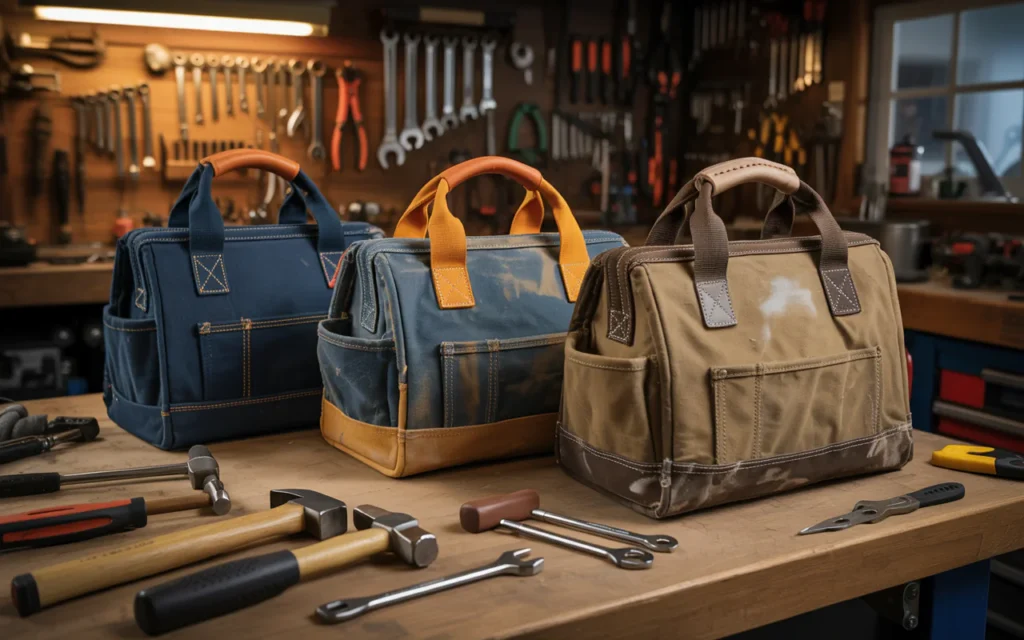
Look at the bottom corners and the handle attachment points. If you see threads pulling apart or a small hole forming, the bag is failing. A tiny tear can become a big rip very fast, especially under the weight of tools.
Worn Out Bottom
Many tool bags have a plastic or rubber bottom. When that layer cracks or wears through, the fabric underneath gets exposed. That fabric will soon tear on rough surfaces. If you can see the inside of the bag from the outside bottom, replace it.
Broken Handles or Straps
Handles take a lot of stress. Stitching around handles often fails first. A shoulder strap that keeps coming off its clips is also a danger sign. A broken handle can send your tools crashing to the ground. Do not try to fix a handle with duct tape for more than a few days.
Mold or Bad Smell
If your bag got wet and never dried properly, mold can grow inside. Mold weakens fabric and is bad for your health. A musty smell that will not go away means the bag is done.
Sagging Beyond Use
Some bags lose their shape so much that they become hard to use. The tools all fall to the center. You cannot find anything. When the structure is gone, the bag is no longer helpful.
How to Make Your Tool Bag Last Longer
You cannot stop time, but you can slow down wear. Good habits add years to your tool bag. Here is a second table with simple actions you can take.
| Action | Benefit | How Often |
|---|---|---|
| Clean dirt and dust off the bag | Prevents abrasion and fabric breakdown | After each heavy use |
| Keep the bag dry and store indoors | Stops mold and UV damage | Always |
| Do not overload past the bag’s limit | Reduces stress on seams and zippers | Every time you pack |
| Lubricate zippers with wax or silicone | Keeps zipper moving smoothly | Every 3 months |
| Inspect seams and handles monthly | Catches small problems early | Monthly for daily users |
Choose the Right Size
A bag that is too small gets overstuffed. A bag that is too big encourages you to carry extra weight you do not need. Pick a size that fits your daily tools with a little room to spare. This balance helps you avoid overloading.
Rotate Between Multiple Bags
If you have many tools, consider two or three smaller bags instead of one giant bag. For example, keep a bag for electrical tools, another for plumbing tools, and a third for painting supplies. This spreads the wear across multiple bags. Each bag lasts longer because it is not carrying everything at once.
Use Tool Organizers Inside
Small pouches, tool rolls, and divider inserts reduce how much tools rub against the bag’s fabric. Less friction means less wear. Also, organizers keep sharp tools from poking holes through the bag from the inside.
Repair Small Damage Right Away
A loose thread can be burned or cut. A small hole can be patched with heavy fabric and strong glue. A sticky zipper can be fixed with a bar of soap or zipper wax. Do not wait until the damage gets big. A five minute repair can save you from buying a new bag.
“The best tool bag is the one you maintain. I have seen 20 year old leather bags that work like new because the owner took care of them.” – David Johnson, professional carpenter and tool collector
Best Practices for Daily Use
How you use a tool bag each day changes how long do tool bags last more than you think. Small habits matter. Let me share what works.
Set the Bag Down Gently
It is tempting to throw the bag from the back of your truck or drop it off your shoulder. But each hard drop stresses the bottom corners. Over time, that repeated impact causes the fabric to thin and tear. Try to bend down and place the bag on the ground. Your back will also thank you.
Keep Sharp Tools Protected
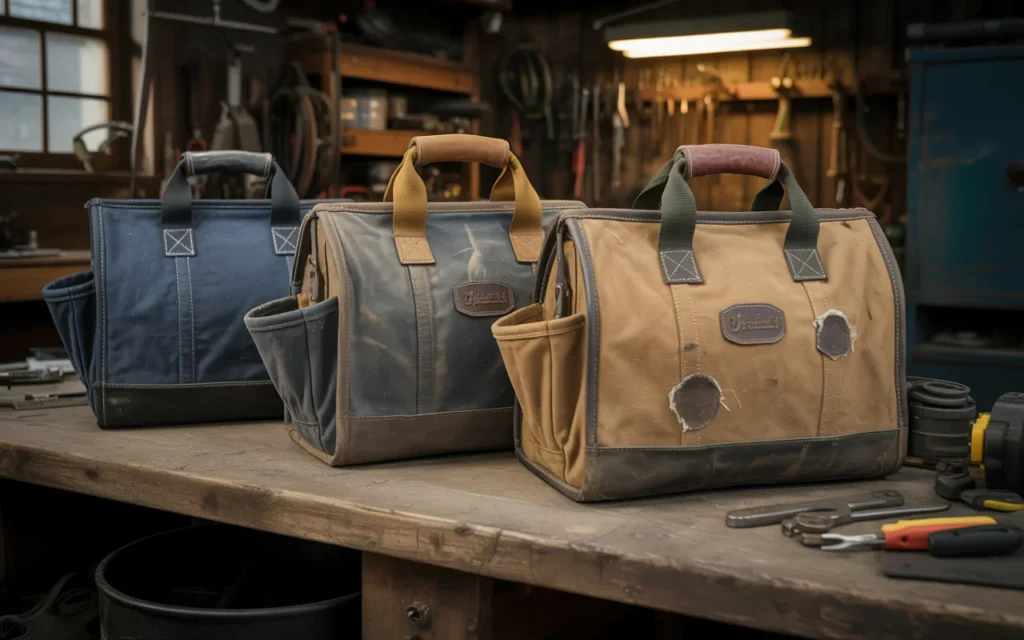
Screwdrivers, chisels, and utility knives can cut through the inside of a bag. Put a cap on sharp blades. Use a separate small pouch for cutting tools. Or wrap the sharp ends in a rag. This prevents punctures that grow into holes.
Do Not Drag the Bag
Dragging a tool bag across concrete, asphalt, or gravel is like sanding the bottom on purpose. The material grinds away fast. If you need to move a heavy bag over a long distance, use a cart or a wheeled tool bag instead.
Empty the Bag Weekly
Once a week, dump out all the tools. Shake out the dust and debris. Look for any small screws or nails that fell to the bottom. These loose items can poke through the fabric from inside. Also, a weekly check helps you notice wear early.
Keep It Away From Extreme Heat
Do not leave a tool bag in a hot car all summer. High heat weakens nylon and makes leather dry and crack. Same with leaving it near a heater or in direct sunlight for many hours. Store your bag in a cool, dry place when not in use.
How Long Do Different Brands Last?
I do not want to name names unfairly, but I can give you general guidance. Big home improvement stores sell house brand tool bags for 20to40. These usually last 1 to 3 years for a DIY user. Professional grade brands like Klein, Veto Pro Pac, and Occidental Leather cost 100to300 or more. These often last 5 to 15 years with good care.
Do not assume a high price always means high durability. Some expensive bags focus on comfort or organization more than raw toughness. Read reviews from people who use the bag daily. Look for complaints about zippers or seams. That tells you more than the price tag.
Also, consider the warranty. Some brands offer a one year warranty. Others offer five years or even a lifetime warranty. A long warranty does not guarantee the bag will last that long, but it shows the company trusts its product.
Tool Bags vs. Tool Boxes vs. Tool Belts
Sometimes a tool bag is not the right choice. And that affects how long do tool bags last for your specific situation. Let me compare the options.
A plastic or metal tool box lasts much longer than any bag. It can survive 20 or 30 years. But it is heavy, hard to carry up stairs, and does not conform to your body. A tool belt keeps your most used tools on your hips. That reduces how much you put in your bag. By using a belt for daily carry and a bag for backup tools, your bag lasts longer because it is not used as often.
For many workers, the best setup is a tool belt for the eight tools you use every hour, plus a tool bag for the rest. This combination gives you speed and protects your bag from overuse.
How to Pick a New Tool Bag for Long Life
When you need to buy a replacement, use these tips to find one that will last.
Look at the Bottom First
Turn the bag over. Is the bottom made of the same fabric as the sides? That is a red flag. Better bags have a different bottom material. Look for hard plastic, rubber, or a double layer of thick leather or canvas.
Check the Zipper Size
A larger zipper with bigger teeth is stronger. Look for a zipper size number. Size 10 is good for medium bags. Size 8 is too small. YKK zippers are a trusted brand. If you see no brand name on the zipper, be careful.
Feel the Handle Attachment
Grab the handle and pull hard. Does it feel firmly attached? Are there metal rivets or just stitching? Rivets add strength. Also, look for a padded handle. It is more comfortable and reduces stress on the fabric attachment points.
Read the Weight Capacity
Some bags list a maximum weight. Respect that number. If the bag says 30 pounds maximum and you carry 50 pounds, the bag will fail early. If no number is listed, assume 20 to 25 pounds for a medium sized bag.
Choose Lighter Color for Hot Climates
A black bag absorbs heat. On a sunny job site, the inside of a black bag can get very hot. Heat damages some materials over time. A tan, brown, or gray bag stays cooler. This is a small detail, but it matters if you work outdoors.
Frequently Asked Questions
Do expensive tool bags really last longer?
Yes, generally. A 150 tool bag usually uses better materials and stronger stitching than a 25 bag. But price alone does not guarantee durability. Some mid priced bags at 50to80 offer very good value. Read user reviews before buying.
Can I wash my tool bag?
It depends on the material. Nylon and canvas bags can be hand washed with mild soap and water. Do not put them in a washing machine unless the label says it is safe. Leather bags should never be fully submerged. Wipe leather with a damp cloth and use leather conditioner every few months.
How long do tool bags last if used every day?
For daily professional use, expect 2 to 4 years from a good quality nylon bag. A heavy duty leather bag might last 5 to 8 years with daily abuse. A cheap bag used daily may only last 6 to 12 months.
Does a tool bag warranty cover normal wear?
Most warranties do not cover normal wear and tear. They cover manufacturing defects like broken zippers or ripped seams after light use. Always read the warranty terms before you buy.
Is a tool bag or a tool backpack more durable?
Tool backpacks often have more zippers and moving parts. More parts mean more possible failure points. A simple open top tote bag with no zippers is the most durable design. But backpacks are easier to carry. Choose based on your needs.
How long do tool bags last when stored unused?
A tool bag in a closet, never used, can last decades. Sunlight, moisture, and heat cause most of the damage. If you store a bag in a cool, dry, dark place, the materials will not break down much. But cheap rubber or plastic parts can still dry rot after 5 to 10 years.
What is the best material for a long lasting tool bag?
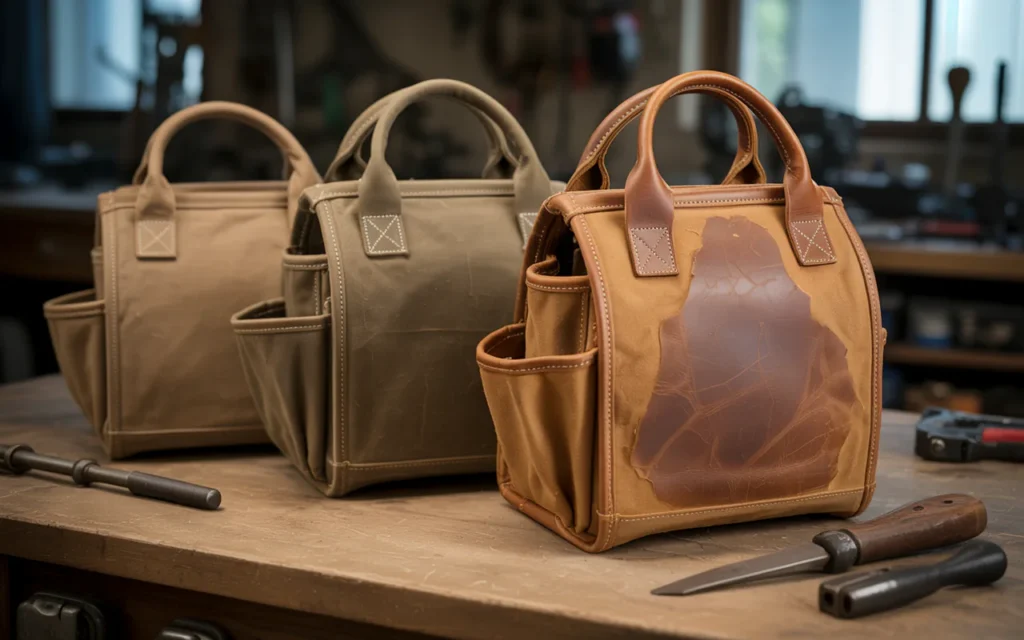
Leather lasts the longest. Full grain leather, not bonded leather. After leather, heavy waxed canvas is very durable. For nylon, look for 1800D or higher with a water resistant coating.
Can a broken zipper be replaced?
Yes, a tailor or luggage repair shop can replace a zipper. The cost is often 20to40. That may be worth it for a $100+ bag. For a cheap bag, it is usually better to buy a new one.
Conclusion
So how long do tool bags last? On average, 3 to 10 years. A cheap nylon bag for home use gives you 1 to 3 years. A quality canvas or heavy nylon bag for daily work gives 4 to 7 years. A top tier leather bag can give 8 to 15 years or more.
The real answer depends on you. The material you choose matters. But how you treat the bag matters just as much. Keep it clean. Do not overload it. Store it indoors. Fix small damage early. And know when to replace a bag before it fails and drops your tools.
I have seen apprentice electricians burn through a bag every year because they drag it across concrete. I have also seen retired carpenters still using the same leather bag from 1995. The difference was not luck. It was care.
Take a few minutes this week to look at your tool bag. Check the zipper and the bottom. Clean off any dirt. Make a small repair if needed. That little bit of effort will add years to your bag. And when it finally does wear out, you will know exactly what to look for in the next one.
Your tools work hard for you. Your tool bag works hard for your tools. Give it the respect it deserves.
Related posts
 Top Tool Bags for Mobile Contractors: 2026 Buyer Guide
Discover the top tool bags for mobile contractors in 2026. Compare durable totes, backpacks, and multi-pocket organizers to find the best fit for your gear. For…
 Top Tool Bags for Plumbers: 2026 Selection Guide
Discover the top tool bags for plumbers in 2026. We compare durable, multi-pocket storage solutions to help you organize your gear effectively on the job. Plumbing…
 Best Tool Bag for HVAC Technicians in 2026
Find the right tool bag for HVAC technicians with our 2026 guide. Compare top-rated bags, backpacks, and pouches to keep your gear organized and protected. As…