
EDC vs. Survival Multi-Tools: Key Differences and Selection Guide
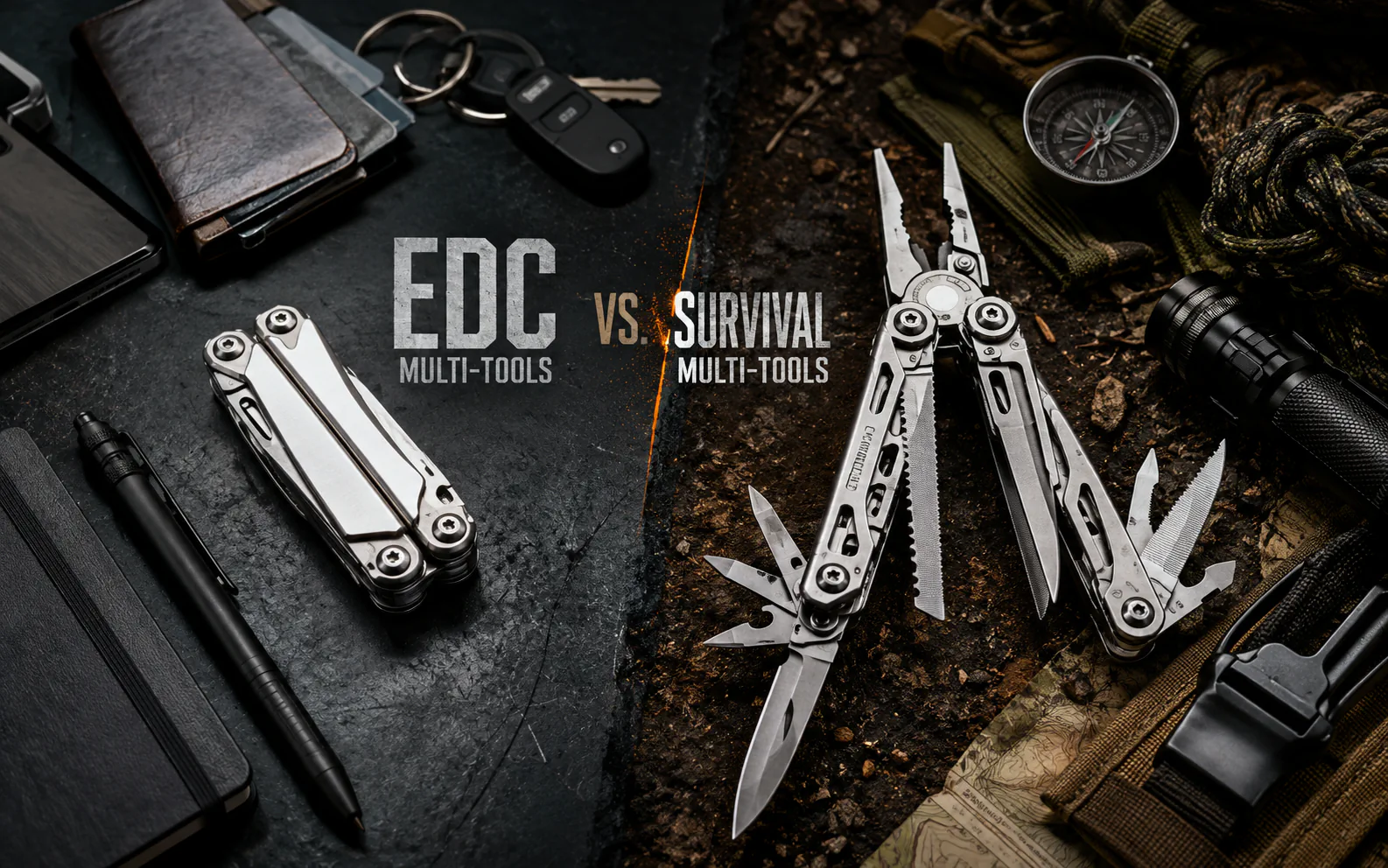
The primary difference between an EDC (Everyday Carry) multi-tool and a survival multi-tool lies in the balance between portability and specialized capability. An EDC tool is designed to be carried comfortably in a pocket or on a belt for common, minor tasks like opening packages, tightening loose screws, or cutting loose threads.
In contrast, a survival multi-tool is built for resilience and versatility in unpredictable environments. These tools often feature thicker blades, more robust locking mechanisms, and specialized implements like wood saws or fire-starting strikers, sacrificing weight and slimness for the ability to handle demanding, high-stress tasks.
Definition of EDC vs Survival
- EDC tools prioritize low weight and slim profiles for comfort.
- Survival tools prioritize heavy-duty materials and specialized components like saws or awls.
- Your environment dictates your tool choice more than brand reputation.
- Carrying a tool that is too heavy for daily use often leads to leaving it behind.
| Topic | When it helps | What to keep in mind |
|---|---|---|
| EDC Multi-Tools | Office workers, students, and urban commuters who need a tool for minor daily inconveniences. | Avoid using these for heavy-duty prying or cutting thick materials, as the hinges and blades are not built for high torque. |
| Survival Multi-Tools | Hikers, campers, and those preparing for emergency situations where gear failure is not an option. | The extra weight and bulk can make them uncomfortable for daily pocket carry, often requiring a belt sheath. |
Focus on weight tool selection
EDC Multi-Tools. Designed for Daily Convenience
These tools focus on being lightweight and unobtrusive. They usually include basic implements like a small blade, scissors, bottle opener, and a small screwdriver set.
- Office workers, students, and urban commuters who need a tool for minor daily inconveniences.
- Avoid using these for heavy-duty prying or cutting thick materials, as the hinges and blades are not built for high torque.
- If you find yourself leaving your tool at home because it feels too heavy, you need a lighter EDC model.
- Weight – Light (under 6 oz)
- Primary Focus – Convenience
Survival Multi-Tools. Built for Resilience and Versatility
These tools are engineered to withstand harsh conditions. They feature heavy-duty pliers, locking blades, and specialized tools like wood saws or awls for gear repair.
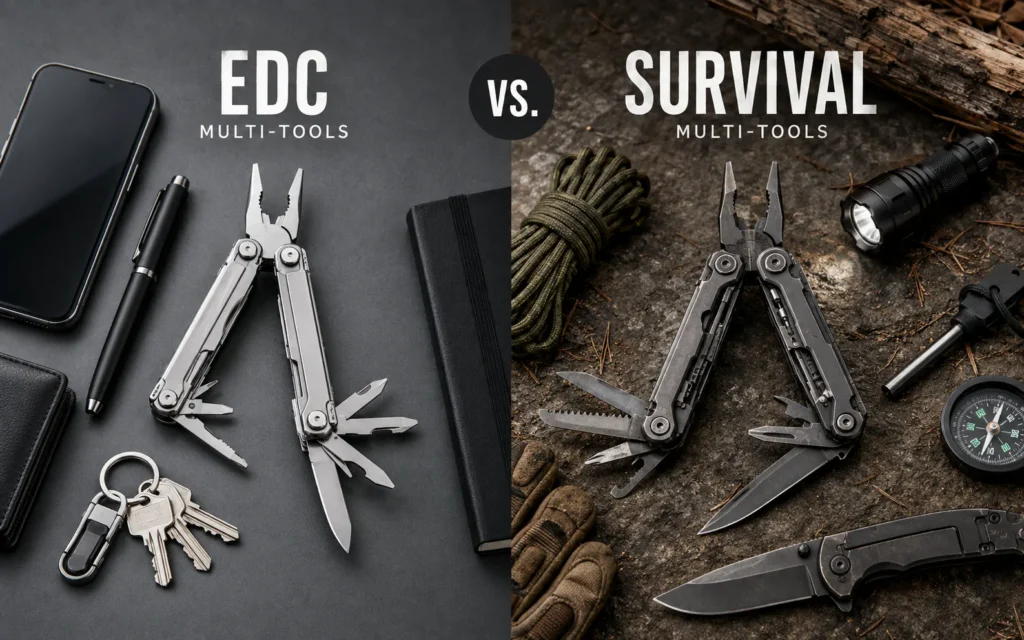
- Hikers, campers, and those preparing for emergency situations where gear failure is not an option.
- The extra weight and bulk can make them uncomfortable for daily pocket carry, often requiring a belt sheath.
- Look for tools with replaceable wire cutters, as these are the first part to wear out during heavy use.
- Weight – Heavy (8 oz+)
- Primary Focus – Durability
Key Differences in Design and Utility
The design philosophy for EDC tools centers on ‘carryability.’ If a tool is too bulky, it stays in a drawer. Manufacturers achieve this by using thinner steel and compact folding mechanisms. You will often find these tools prioritize scissors and bottle openers over heavy-duty pliers.
Survival tools, however, prioritize the ‘what if’ scenario. They are built to handle tasks that might arise when you are far from a hardware store. This includes thicker, more durable blades that can handle wood processing or prying, and pliers that can grip rusted bolts or hot metal.If you are hiking, a wood saw is a survival asset; if you are in an office, a wood saw is just extra weight.Assuming that a larger, more expensive tool is always better for daily use.FeatureEDC Multi-ToolSurvival Multi-ToolWeightLowHighBlade ThicknessThin/MediumThick/RobustPrimary ToolsScissors, OpenerSaw, Awl, Heavy PliersCarry MethodPocket/ClipBelt Sheath/Pack
How to Choose the Right Tool for Your Needs
Choosing between these tools comes down to your environment. If your daily life involves office work, commuting, or light DIY, an EDC tool is the superior choice. It provides the utility you need without the burden of extra weight.
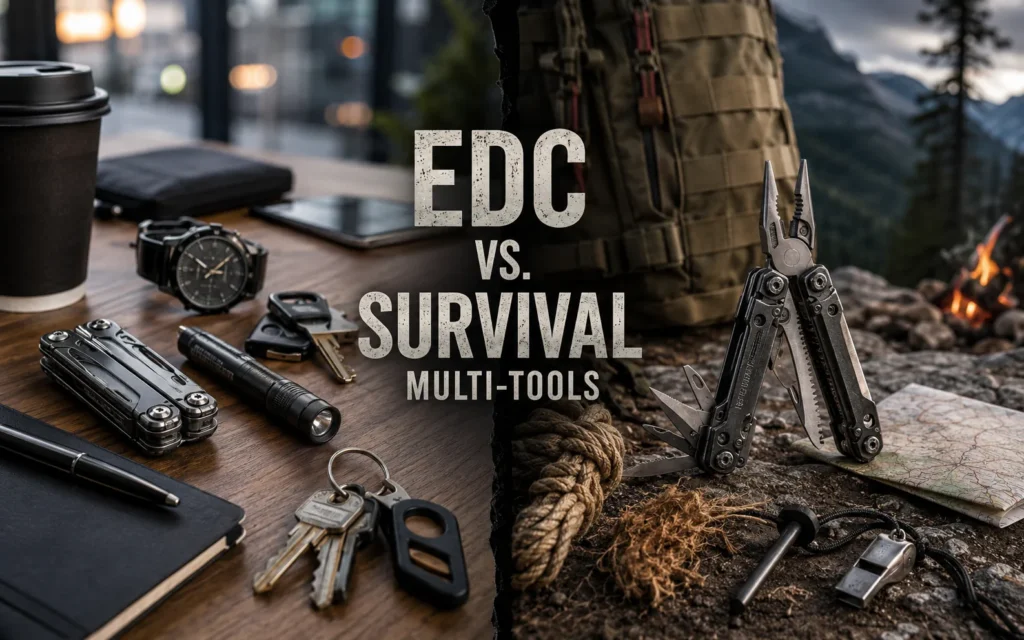
If your lifestyle involves frequent outdoor activity, off-grid living, or emergency preparedness, a survival tool is a necessary investment. The added weight is a trade-off for the peace of mind that your tool won’t fail when you need it most.Ask yourself: ‘What is the most difficult task I have performed with a tool in the last month?’ If it was opening a box, you don’t need a survival tool.Buying a tool based on ‘cool factor’ rather than actual utility.Assess your daily environment: Are you in an urban or wilderness setting?Consider your carry preference: Do you prefer a pocket clip or a belt sheath?Evaluate the tasks: Do you need to cut wood or just open packages?Check the weight: Can you comfortably carry this tool for 12 hours a day?
FAQs
What does EDC stand for in the context of multi-tools?
EDC stands for ‘Everyday Carry.‘ It refers to items you carry on your person daily to handle common tasks.
Can I use an EDC tool for survival situations?
You can, but it may not be ideal. EDC tools are not designed for heavy-duty tasks and may break or fail under the stress of wilderness survival.
Is a Leatherman considered an EDC or survival tool?
Leatherman makes both. Some models are slim and lightweight for EDC, while others are large and robust for survival.
What is the most important feature in a survival multi-tool?
Durability and the inclusion of specialized tools like a wood saw or awl are generally considered the most important features.
Conclusion
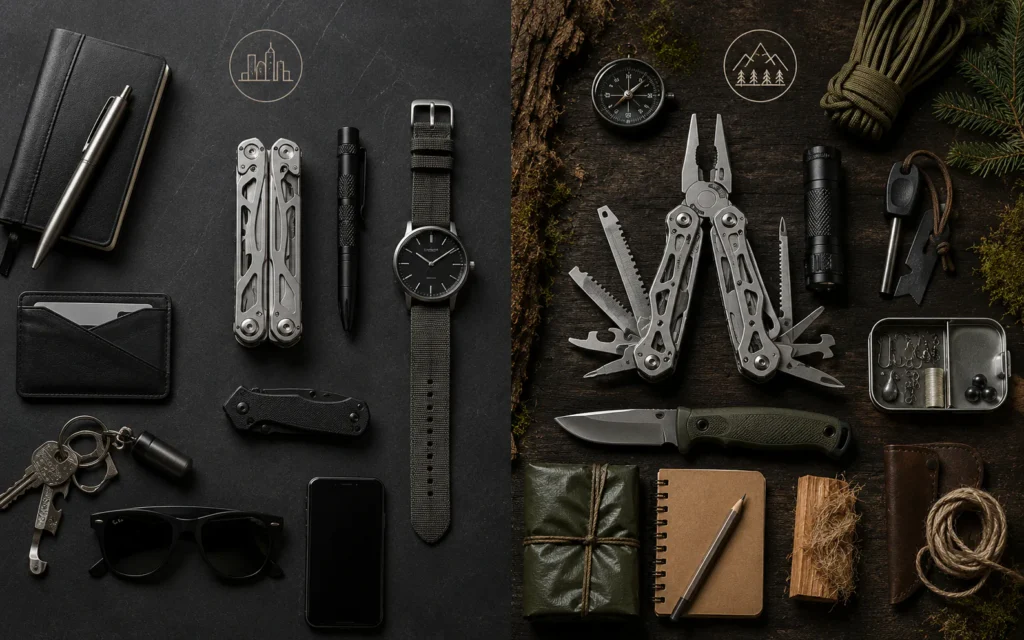
The choice between an EDC and a survival multi-tool is ultimately about matching your gear to your environment. An EDC tool excels in convenience, ensuring you are never without a basic solution for minor problems. A survival tool excels in reliability, providing the strength needed for more demanding, unpredictable tasks.
Before you buy, be honest about how you will carry the tool. If it is too heavy, it will end up in a drawer. Choose the tool that you will actually carry, as the best tool is the one you have with you when you need it.
Related posts
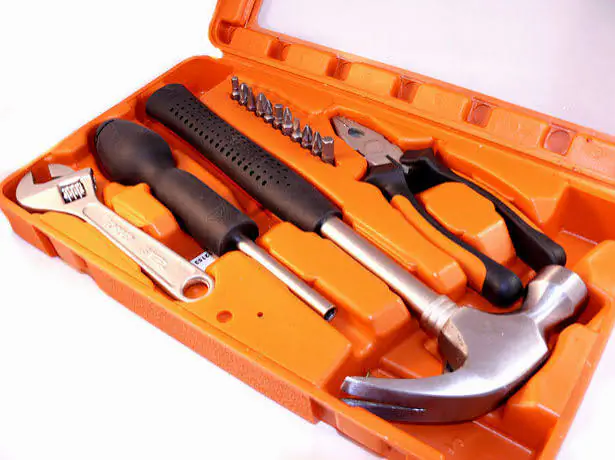 Which Tool Kit Is Worth Buying? How to Choose the Right Set for Your Home
Wondering which tool kit is worth buying? Compare basic household sets, mechanic kits, and power tool combos to find the best tools for your budget and…
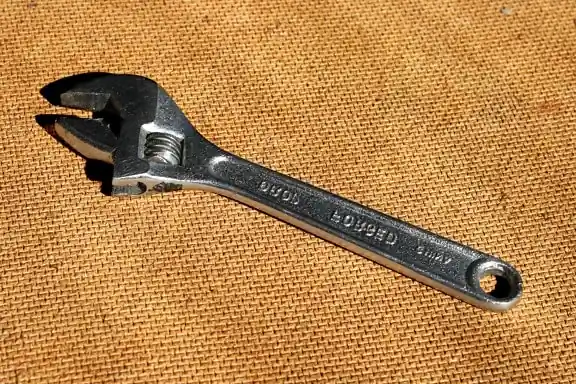 Which Hand Tools Are Made in the USA? Reliable Brands and Buying Rules
Discover which hand tools are still made in the USA. Compare top domestic brands, tool categories, and learn how to verify origin labels before buying. Several…
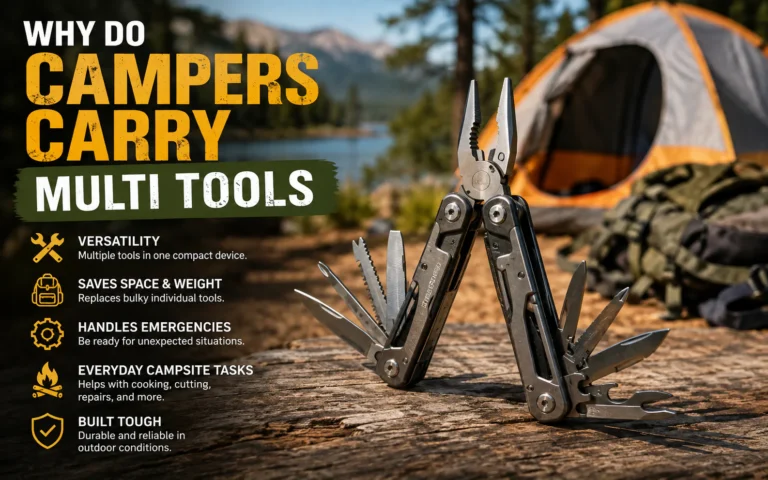 Why Do Campers Carry Multi Tools? Practical Uses in the Field
Why do Campers carry multi tools to handle gear repairs, campsite setup, food prep, and field fixes with minimal weight. Here is why one belongs in…