
What Accessories Improve a Multi Tool? Essential Upgrades for Your Oscillating Tool
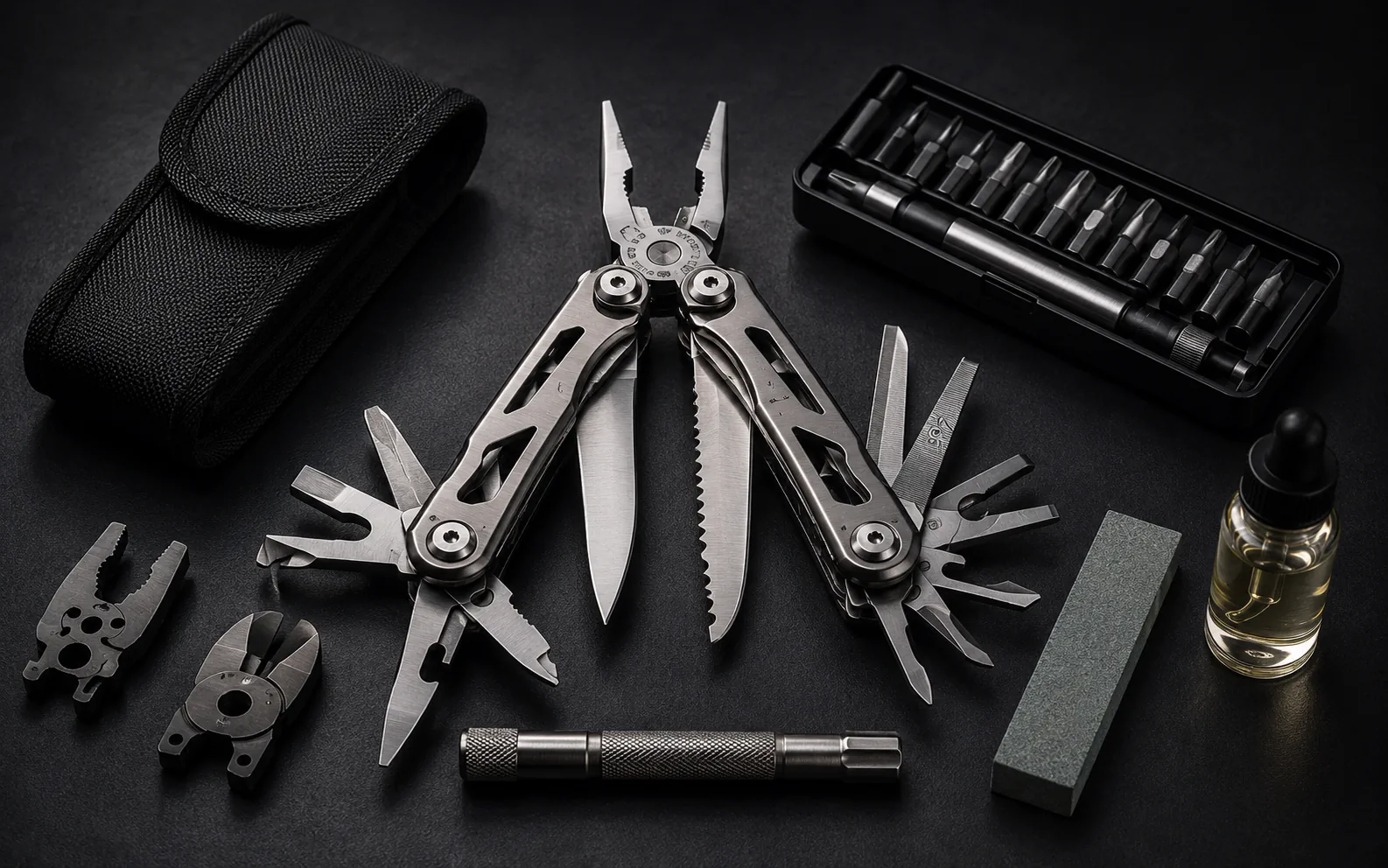
An oscillating multi-tool is one of the most versatile items in any toolbox, but its usefulness is entirely defined by the attachments you mount to it. While most tools come packaged with a basic wood-cutting blade, adding specialized accessories can transform the machine into a detail sander, a grout remover, a flush-cutter, or a scraper.
To improve your multi-tool, you should focus on upgrading to high-quality blade materials like bi-metal and carbide, adding dedicated surface preparation attachments, and utilizing precision aids like depth stops. Matching the accessory to your specific task not only produces cleaner results but also protects the tool’s motor from unnecessary strain.
Before purchasing new attachments, it is essential to understand your tool’s mounting system and the materials you plan to cut. Investing in the right mix of accessories ensures you can tackle plumbing, tiling, woodworking, and drywall projects with a single power tool.
Safety checks
- The right blade material prevents premature wear; use carbide for metal and masonry.
- Always check your tool’s mounting interface (Starlock vs. OIS) before buying accessories.
- Sanding pads and scrapers turn a simple cutter into a detailed refinishing tool.
- Using a light touch and oscillating motion extends the life of any accessory.
| Topic | When it helps | What to keep in mind |
|---|---|---|
| 1 | Demolition work, cutting embedded nails, and slicing through copper or PVC pipes. | They are more expensive upfront and can chip if dropped on hard concrete surfaces. |
| 2 | Trimming door casings during flooring installation and cutting non-hardened nails. | They will still wear down quickly if forced to cut hardened screws or stainless steel. |
| 3 | Removing old caulk, peeling up vinyl flooring, lifting carpet adhesive, and scraping dried paint. | Rigid scrapers can gouge wood or drywall if held at too steep of an angle. |
| 4 | Refinishing furniture, sanding window sashes, and prepping tight corners for paint. | Excessive pressure or high speeds can melt the plastic hook-and-loop backing. |
| 5 | Removing damaged tile grout, clearing away old mortar, and making small cuts in plaster. | They generate a significant amount of fine dust during use. |
| 6 | Drywall cutouts near electrical wiring and indoor sanding projects. | They add bulk to the tool, which can limit access to extremely tight spaces. |
Focus on oscillating multi-tool accessories
1. Carbide-Tipped Plunge Blades
Carbide-tipped blades are designed to cut through hardened metals, screws, nails, and even masonry. Unlike standard steel blades that dull instantly when hitting a nail, carbide teeth maintain their sharpness through hundreds of cuts in tough materials.
- Demolition work, cutting embedded nails, and slicing through copper or PVC pipes.
- They are more expensive upfront and can chip if dropped on hard concrete surfaces.
- Buy these if you frequently work on remodeling projects where hidden fasteners are common.
- Material – Carbide.
- Primary Use – Hard metal and masonry cutting.
- Durability – Exceptional.
2. Bi-Metal Flush Cut Blades
Bi-metal blades combine a flexible steel backing with high-speed steel teeth. This combination allows the blade to bend slightly without breaking, making them perfect for flush cuts against floors or walls.
- Trimming door casings during flooring installation and cutting non-hardened nails.
- They will still wear down quickly if forced to cut hardened screws or stainless steel.
- Keep several of these on hand as your primary, everyday cutting blades.
- Material – Bi-Metal.
- Primary Use – Wood with nails, soft metals.
- Durability – High.
3. Rigid and Flexible Scraper Blades
Scraper attachments turn your multi-tool’s high-speed vibration into a powerful scraping action. Rigid scrapers are thick and unyielding, while flexible scrapers offer some give to slide under delicate surfaces.
- Removing old caulk, peeling up vinyl flooring, lifting carpet adhesive, and scraping dried paint.
- Rigid scrapers can gouge wood or drywall if held at too steep of an angle.
- Use a flexible scraper for soft adhesives on drywall, and a rigid scraper for stubborn mortar on concrete.
- Material – Stainless Steel.
- Primary Use – Adhesive and paint removal.
- Durability – Very High.
4. Triangular Sanding Pads and Sheets
A triangular sanding pad uses hook-and-loop backing to hold custom-shaped sandpaper. The triangular shape allows the tool to reach deep into tight corners and edges where traditional orbital sanders cannot fit.
- Refinishing furniture, sanding window sashes, and prepping tight corners for paint.
- Excessive pressure or high speeds can melt the plastic hook-and-loop backing.
- Always use a lower speed setting when sanding to prevent heat buildup.
- Material – Plastic/Foam backing.
- Primary Use – Detail sanding.
- Durability – Medium.
5. Carbide Grit Grout Removal Blades
Instead of teeth, these blades feature a coarse coating of carbide grit along their edge. They grind away tough materials rather than cutting them, which prevents the blade from snagging or jumping.
- Removing damaged tile grout, clearing away old mortar, and making small cuts in plaster.
- They generate a significant amount of fine dust during use.
- Select a drop-shape or crescent-shape blade to easily clear corners without damaging adjacent tiles.
- Material – Carbide Grit.
- Primary Use – Grout and mortar removal.
- Durability – High.
6. Depth Stops and Dust Extractors
These mechanical attachments clamp onto the body of the multi-tool. A depth stop limits how far the blade can penetrate, while a dust extraction adapter connects to a vacuum to pull away debris at the point of the cut.
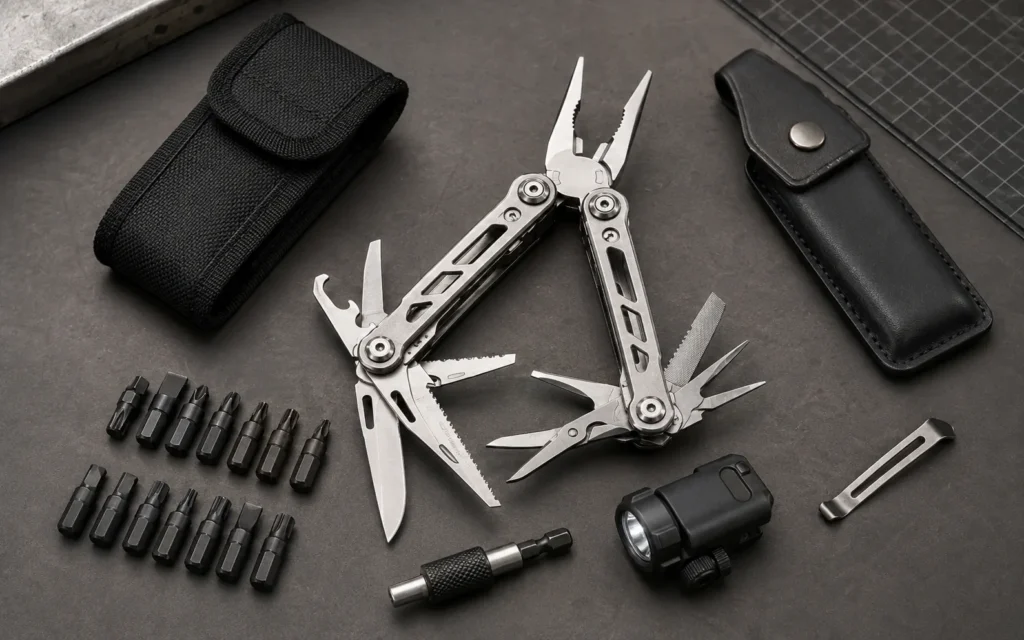
- Drywall cutouts near electrical wiring and indoor sanding projects.
- They add bulk to the tool, which can limit access to extremely tight spaces.
- Use a depth stop whenever you are cutting drywall to avoid slicing hidden wires or plumbing.
- Material – Plastic and Metal.
- Primary Use – Precision and cleanliness.
- Durability – Medium.
Understanding Blade Materials: HCS vs. Bi-Metal vs. Carbide
The most common mistake when using an oscillating multi-tool is selecting the wrong blade material for the job. High Carbon Steel (HCS) blades are inexpensive and highly effective for clean wood, drywall, and soft plastics.
Bi-metal blades offer a middle ground, featuring high-speed steel teeth bonded to a flexible alloy backing. They can handle occasional nails embedded in wood, copper pipes, and aluminum.
Imagine trying to cut through a copper pipe with a standard High Carbon Steel (HCS) blade.
Do not use cheap HCS blades for anything other than clean wood, drywall, or soft plastics.
- High Carbon Steel (HCS): Best for clean wood, drywall, and PVC. Low cost but dulls instantly on metal.
- Bi-Metal (Bi-M): Best for wood with nails, non-ferrous metals, and plastics. Good balance of flexibility and durability.
- Carbide: Best for hardened screws, stainless steel, plaster, and fiber cement. High cost but exceptional lifespan.
| Blade Material | Best Applications | Durability Level | Relative Cost |
|---|---|---|---|
| High Carbon Steel (HCS). | Clean wood, drywall, soft plastics. | Low (dulls on metal). | Budget-friendly. |
| Bi-Metal (Bi-M). | Wood with nails, copper, aluminum. | Medium to High. | Moderate. |
| Carbide Tipped. | Hardened screws, bolts, plaster, tile backer. | Exceptional. | Premium. |
Navigating Mounting Systems: Starlock vs. Universal OIS
Not all multi-tool accessories mount the same way. The older, traditional system is the Universal OIS (Oscillating Interface System), which features a pin-based pattern.
The newer standard is the Starlock system, developed by Bosch and Fein. Starlock accessories snap onto the tool without requiring a hex key or blade change tool.
A DIYer buys a pack of universal blades only to find they slip off their Starlock-compatible tool during use, or a Starlock blade won’t mount onto their older universal tool without an adapter.
Assuming all multi-tool blades fit all multi-tools without checking the mounting pattern first.
- Starlock: Standard interface, fits Starlock tools and most OIS tools.
- Starlock Plus: Fits Starlock Plus and Starlock Max tools; will not fit standard Starlock tools.
- Starlock Max: Heavy-duty interface, fits Starlock Max tools only.
- Universal OIS: Open-back or pin-pattern blades that fit most non-Starlock tools.
How to Extend the Life of Your Multi-Tool Accessories
Even the highest quality carbide blade can be ruined in seconds if used incorrectly. Oscillating tools rely on high-speed friction to cut, which generates intense heat.
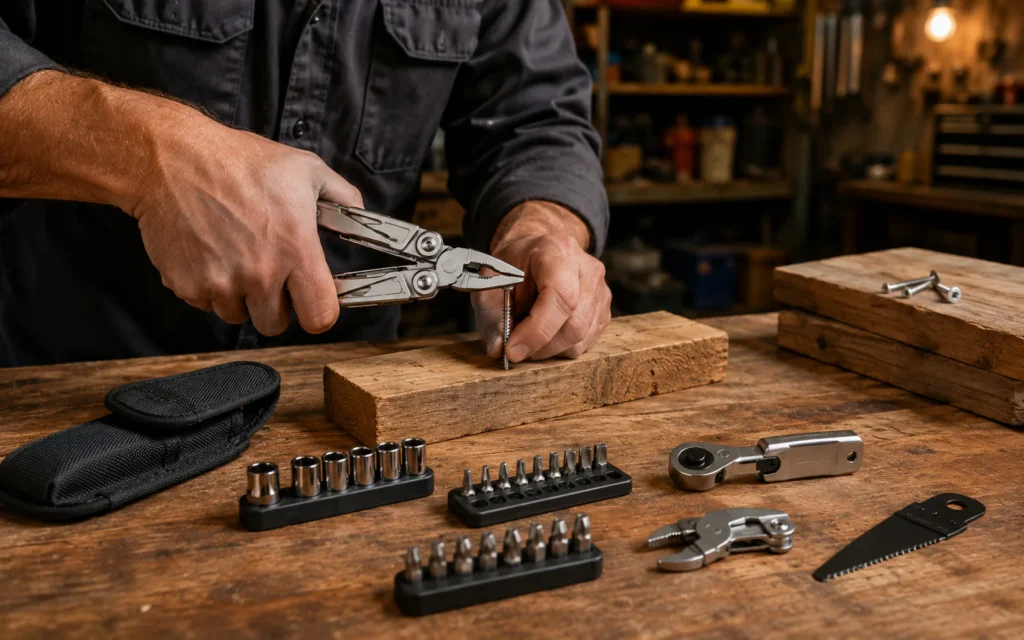
To prevent this, always use a gentle rocking motion while cutting. This allows the teeth to clear waste material out of the kerf, reducing friction.
Instead of pushing down hard on the tool while cutting a piece of trim, gently rock the tool back and forth.
Running the tool at maximum speed while applying heavy downward pressure, which overheats the blade and ruins the temper of the steel.
- Rock the tool: Use a slight side-to-side or sawing motion to clear debris.
- Adjust the speed: Lower the speed for plastics and sanding to prevent melting.
- Let the tool work: Avoid pushing down hard; let the high-frequency oscillations do the cutting.
- Keep it clean: Wipe adhesive residue off scraper blades immediately to maintain efficiency.
FAQs
What attachments maximize an oscillating multi-tool’s usefulness?
A combination of a bi-metal plunge blade, a carbide-tipped blade for metal, a rigid scraper, and a triangular sanding pad will maximize your tool’s usefulness across almost any home improvement project.
Can you use any brand of blade on any multi-tool?
While many blades use a universal OIS pattern that fits most standard tools, newer tools using the Starlock system require specific Starlock-compatible blades. Always check your tool’s spindle design before buying.
Why do my multi-tool blades dull so quickly?
Blades usually dull quickly due to excessive heat. This happens when you apply too much downward pressure, run the tool at maximum speed in hard materials, or fail to rock the blade to clear out sawdust.
Are carbide multi-tool blades worth the extra cost?
If you are cutting metal, plaster, or cement board, carbide blades are highly cost-effective because they last up to thirty times longer than standard high carbon steel blades.
How do I know if my multi-tool is Starlock compatible?
Starlock tools feature a unique bottle-cap-shaped mounting spindle rather than a flat pin-pattern flange. If your tool allows you to snap blades on without using a wrench, it is a Starlock system.
Conclusion
Improving your multi-tool is not about buying the most expensive attachments, but rather about matching the right accessory to the task at hand. By upgrading from basic steel blades to bi-metal and carbide options, you can tackle tougher materials without constantly replacing worn-out parts.
Remember to pay close attention to your tool’s mounting system to ensure compatibility, and practice proper cutting techniques to keep your accessories running cool. With the right set of blades, scrapers, and sanding pads, your oscillating multi-tool will easily become the most capable helper in your workshop.
Related posts
 Which Tool Kit Is Worth Buying? How to Choose the Right Set for Your Home
Wondering which tool kit is worth buying? Compare basic household sets, mechanic kits, and power tool combos to find the best tools for your budget and…
 Which Hand Tools Are Made in the USA? Reliable Brands and Buying Rules
Discover which hand tools are still made in the USA. Compare top domestic brands, tool categories, and learn how to verify origin labels before buying. Several…
 Why Do Campers Carry Multi Tools? Practical Uses in the Field
Why do Campers carry multi tools to handle gear repairs, campsite setup, food prep, and field fixes with minimal weight. Here is why one belongs in…