
Which Tool Bag Is Best For Contractors
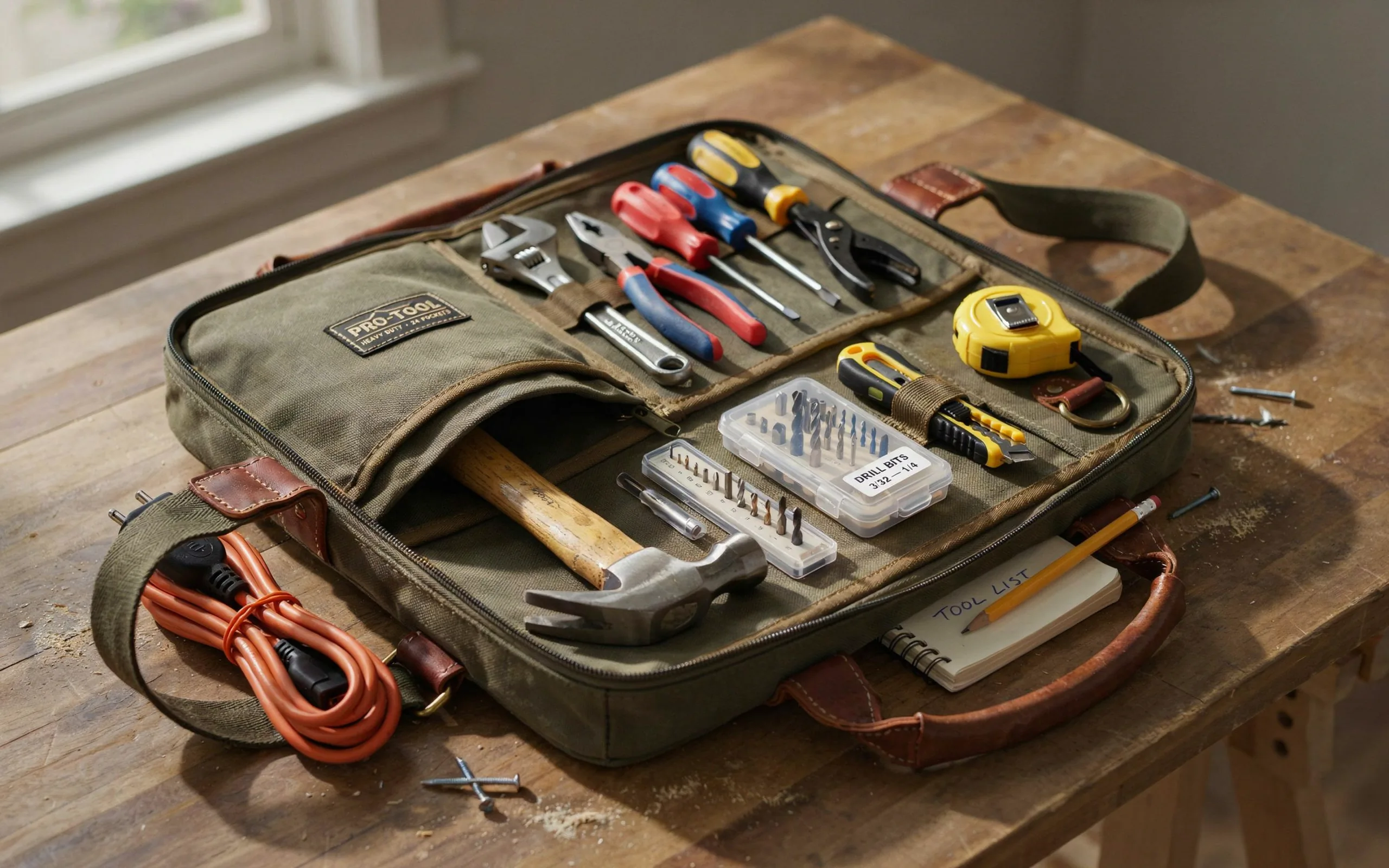
Finding the right tool bag is best for contractors depends on your trade, daily load, and work environment. This guide reviews top picks, key features, and real-world advice to help you choose.
Every contractor knows the feeling of a bag that just doesn’t work. The zipper breaks on a Tuesday. The strap snaps when you are halfway up a ladder. The pockets are too small, or there are not enough of them. Your tools are your livelihood, and how you carry them matters just as much as the tools themselves.
I have spent years on job sites, from residential remodels to commercial builds. I have seen guys carry everything in a five-gallon bucket. I have seen others roll up with backpacks that cost more than my first truck. Through all that, one question keeps coming up: which tool bag is best for contractors? The answer is never simple. It depends on what you do, where you work, and how much you carry.
This guide breaks down everything you need to know. We will look at different types of bags, the best brands, key features to watch for, and specific recommendations for electricians, plumbers, carpenters, and general contractors. By the end, you will know exactly what to look for and which bag fits your work style.
Why Your Choice of Tool Bag Matters More Than You Think
A tool bag is not just a container. It is your mobile workshop. Every time you reach for a screwdriver or a wrench, you are either saving time or wasting it. A well-organized bag puts the right tool in your hand within seconds. A messy bag costs you minutes, sometimes hours, over the course of a week.
Think about the physical toll too. Carrying a heavy bag the wrong way can wreck your back, shoulders, and knees. I have seen seasoned pros switch to backpacks or rolling bags after years of carrying heavy totes, and they say it feels like a new career.
As Donny Metcalf, a contributor to Electrical Construction & Maintenance magazine, puts it: “Electricians are only as useful as the tools we wield. Without them, we are not nearly as effective as we could be”. The same goes for any trade. Your bag is the bridge between you and your tools. It needs to be strong, smart, and comfortable.
Types of Tool Bags for Contractors
Before you pick a bag, you need to know what style works for you. Each type has its strengths and weaknesses. Let us break them down.
Open-Top Totes
Open-top totes are the classic choice. They look like oversized shopping bags with lots of pockets. You can see everything at a glance. You grab what you need and go. Electricians and service techs love these because they offer quick access.
The downside? They are not great for stairs or ladders. Everything is open to the elements. If it rains, your tools get wet. If you tip it over, everything spills out. Still, for many contractors, the speed of access makes up for these issues.
Tool Backpacks
Backpacks have become incredibly popular in the last few years. They distribute weight evenly across both shoulders. Your hands stay free for climbing ladders or carrying other gear. They are perfect for jobs where you move around a lot.
The Klein Tools Tradesman Pro Backpack is a great example. It has 39 pockets and a molded bottom that keeps it upright. One user reported carrying around 23 to 25 pounds of gear, including meters, drivers, pliers, and an 18-volt drill. That is a full day’s worth of tools, all on your back.
Rolling Tool Bags
If you carry heavy tools or work in large facilities, a rolling bag might be your best friend. These bags have wheels and a telescoping handle, just like luggage. You roll them across parking lots, through warehouses, and down hallways.
The Veto Pro Pac Tech Pac Wheeler scores 4.8 stars on Amazon with over 2,500 reviews. It has 48 pockets, 33 liters of volume, and a 60-pound load rating. One HVAC tech said the wheels held up against bumps, curbs, and stairs. That is the kind of durability you need on a real job site.
Belt Bags and Pouches
Sometimes you do not need a full bag. You just need a few tools within arm’s reach. Belt bags and pouches clip onto your tool belt. They hold your tape measure, utility knife, pencils, and a few hand tools.
These are great for framing, drywall, and other jobs where you move constantly. They keep your most-used tools right at your waist. You do not have to walk back to your main bag every five minutes.
Key Features to Look For
No matter which style you choose, certain features make a bag worth buying. Here is what to look for.
Material and Build Quality
Your bag takes a beating. It gets dropped, kicked, rained on, and stuffed into tight spaces. Cheap materials fall apart fast. Look for ballistic nylon, heavy canvas, or leather. These materials resist tears and abrasions.
Klein Tools uses 1680D ballistic weave on many of their bags. That is tough stuff. It stands up to daily abuse and keeps your tools safe. Reinforced stitching and riveted handles also matter. These are the places where cheap bags fail first.
Number and Type of Pockets
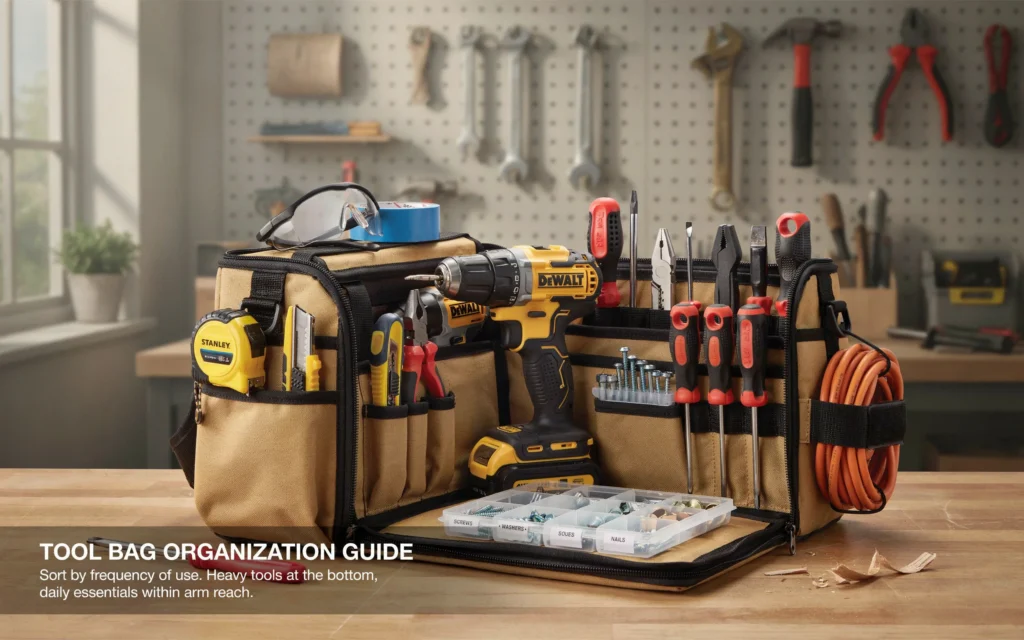
Pockets are everything. You need a place for every tool. When every tool has its spot, you can find things quickly. You also avoid the dreaded “bottomless pit” effect where you dig for five minutes to find a 10-millimeter wrench.
Some bags have 50 pockets or more. That sounds great, but more pockets are not always better. You need the right pockets. Look for vertical pockets for screwdrivers and pliers. Look for padded compartments for meters and electronics. Look for exterior pockets for items you need fast.
Base and Bottom Protection
The bottom of your bag takes the most abuse. It gets set down on concrete, gravel, mud, and wet surfaces. A reinforced or molded bottom protects your tools and keeps the bag upright.
The Klein Tradesman Pro has a fully molded bottom. The WORKPRO 16-inch bag has a waterproof molded base. These features keep your tools dry and prevent damage when you set the bag down on rough surfaces.
Carrying Comfort
You carry your bag all day. Comfort matters. Look for padded handles and shoulder straps. If you choose a backpack, make sure the straps are thick and adjustable. A good backpack distributes weight so you do not feel every pound in your lower back.
The Milwaukee Ultimate Jobsite Backpack has 48 pockets and is made from tough ballistic nylon. It is designed to carry a full complement of tools without killing your shoulders.
Water Resistance
Job sites are not always dry. You work outdoors, in basements, and in mechanical rooms with leaks. Water-resistant materials protect your tools from rust and damage. Look for bags with water-resistant bases and splash-proof fabric.
Some bags, like the Veto Pro Pac, have a waterproof polypropylene base. That means you can set them down in puddles without worrying about your tools getting wet.
Which Tool Bag Is Best for Contractors by Trade
Different trades have different needs. Here is a breakdown by profession.
Best Tool Bag for Electricians
Electricians carry lots of small tools. Screwdrivers, pliers, wire strippers, meters, and drivers. They need organization and quick access. They also climb ladders and work in tight spaces.
The Klein Tools Tradesman Pro Backpack is a top pick for electricians. It has 39 pockets, a molded bottom, and padded straps. It keeps everything organized and easy to reach. The hard front pocket protects safety glasses and other fragile items.
For electricians who prefer an open tote, the CLC Custom LeatherCraft 1539 is worth a look. It has 50 pockets and a large center compartment for power tools.
Best Tool Bag for Plumbers
Plumbers deal with wet, dirty environments. They carry heavy tools like pipe wrenches and sealants. Their bags need to be water-resistant, easy to clean, and tough.
The Veto Pro Pac Tech Pac Wheeler is a solid choice for plumbers. It is built like a tank, with waterproof materials and durable wheels. It has plenty of pockets for organizing fittings and small parts.
For plumbers who prefer a backpack, the Milwaukee JOBSITE Backpack integrates with the PACKOUT modular system. That means you can stack it with other storage boxes for a complete mobile workshop.
Best Tool Bag for Carpenters
Carpenters carry a mix of hand tools and power tools. They need space for saws, levels, squares, and fasteners. They also move around a lot, often on unfinished surfaces.
The Occidental Leather Tool Bag is built for production carpenters. It can withstand 15-plus years of regular use. It comes in right and left-handed versions for maximum convenience.
For carpenters who need substantial capacity, the FatLip Tool Bag Set XX-Large offers 10-inch deep bags with a full leather boot. It has plenty of pockets for fasteners, nails, and essential tools.
Best Tool Bag for General Contractors
General contractors wear many hats. They need a bag that works for electrical, plumbing, carpentry, and everything in between. Versatility is key.
The DEWALT 18-inch Rolling Tool Bag is a great all-rounder. It offers superior design for organization. You can roll it across the site, and it holds a wide range of tools.
The Klein Tools Tradesman Pro Tool Master Backpack is another versatile option. It has 48 pockets and a molded base. It works for almost any trade and keeps everything organized.
Top Brands to Trust
Not all tool bags are created equal. Some brands have earned a reputation for quality and durability. Here are the ones that stand out.
Klein Tools
Klein Tools is a name you can trust. They have been making tools for electricians for over a century. Their tool bags are known for durability, organization, and smart design. The Tradesman Pro series is especially popular.
Veto Pro Pac
Veto Pro Pac makes premium tool bags for serious professionals. They are expensive, but they last. The Tech Pac Wheeler has a 4.8-star rating on Amazon. Their bags are built with waterproof materials, metal zippers, and reinforced stitching.
DEWALT
DEWALT is a giant in the tool world. Their tool bags are rugged and well-designed. The DGL573 Lighted Tool Bag has a built-in LED light for working in dark conditions. The rolling tool bags are also highly rated.
Milwaukee
Milwaukee makes tools and storage systems for professionals. Their JOBSITE Backpack integrates with the PACKOUT modular system. This is a huge advantage if you already use PACKOUT boxes.
CLC Custom LeatherCraft
CLC makes practical, affordable tool bags. The 1539 model has 50 pockets and is widely recommended by tradespeople. It balances size and organization at a reasonable price.
Top Tool Bags for Contractors
| Bag Model | Type | Pockets | Material | Best For | Price Range |
|---|---|---|---|---|---|
| Klein Tradesman Pro Backpack | Backpack | 39 | 1680D Ballistic Weave | Electricians, Mechanics | $90-$120 |
| Veto Pro Pac Tech Pac Wheeler | Rolling | 48 | Waterproof Polypropylene | Heavy Loads, HVAC, Plumbing | $340-$490 |
| CLC Custom LeatherCraft 1539 | Tote | 50 | Ballistic Polyester | All-Around Use | $60-$90 |
| DEWALT DGL573 Lighted Bag | Tote | 41 | Durable Fabric | Low-Light Conditions | $50-$80 |
| Milwaukee JOBSITE Backpack | Backpack | Varies | Ballistic Nylon | PACKOUT Users | $100-$150 |
| Occidental Leather Tool Bag | Belt/Tote | Varies | Leather | Carpenters | $150-$250 |
How to Choose the Right Tool Bag for Your Needs
Picking the right bag comes down to a few simple questions. Answer these honestly, and you will find your answer.
What Do You Carry Every Day?
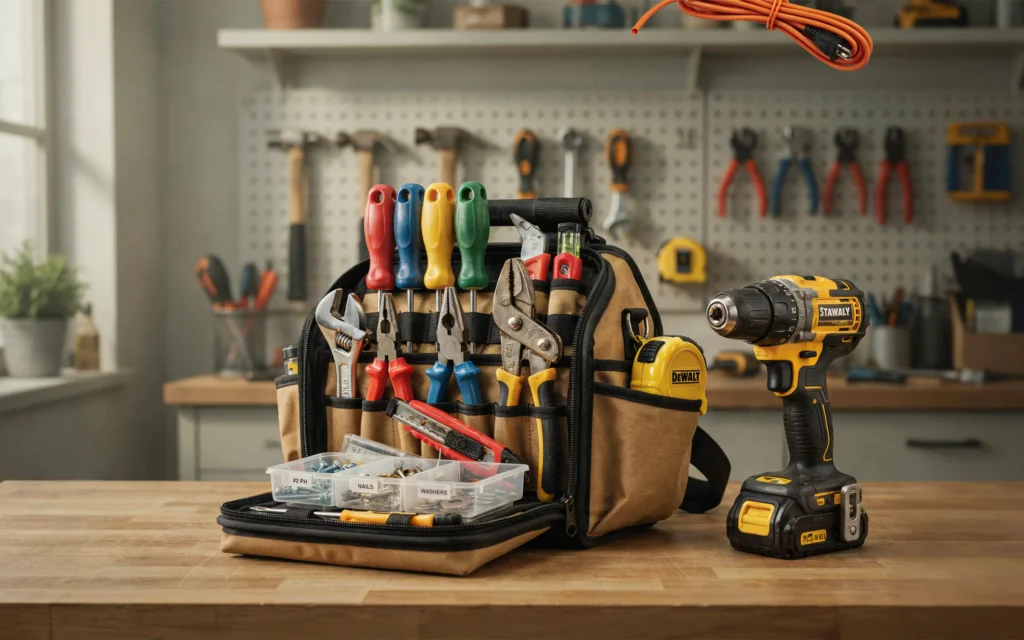
Make a list of your daily tools. Separate them into “must-haves” and “nice-to-haves.” Your bag needs to hold the must-haves comfortably. If you are constantly leaving tools behind because your bag is too small, you need a bigger bag.
Where Do You Work?
Do you work indoors or outdoors? Do you climb ladders? Do you work in tight spaces? Do you move between multiple floors? If you climb stairs all day, a backpack is better than a rolling bag. If you work in a single large space, a rolling bag might save your back.
How Do You Prefer to Carry?
Some people hate backpacks. They feel clumsy or hot. Others hate totes because they throw off their balance. Think about how you like to carry things. If you have never used a tool backpack, try one before you buy. Borrow a friend’s for a day and see how it feels.
What Is Your Budget?
Tool bags range from $30 to over $500. You do not need to spend a fortune to get a good bag. But you also should not buy the cheapest option. A $40 bag that lasts two years is actually more expensive than a $100 bag that lasts ten years.
As Sarah Poirier, a contributor to Under the Hard Hat, notes: “When you’re carrying tools from one site to another, the right bag makes a big difference. A good tool bag keeps your gear organized, protects it from damage, and saves time on the job”.
Frequently Asked Questions
What is the most durable tool bag for contractors?
The Veto Pro Pac Tech Pac Wheeler is one of the most durable options on the market. It has a waterproof polypropylene base, metal YKK locking zippers, and reinforced stitching. The Occidental Leather Tool Bag is also extremely durable and can last 15-plus years.
Are tool backpacks better than totes?
It depends on your work. Backpacks are better for climbing ladders, carrying heavy loads, and keeping your hands free. Totes are better for quick access and working in one area. Many contractors own both and use them for different jobs.
How many pockets do I need in a tool bag?
You need enough pockets for your daily tools. A bag with 30 to 50 pockets is usually sufficient for most trades. More important than the number is the layout. Look for vertical pockets, padded compartments, and exterior pockets for frequently used items.
Can I use a regular backpack for tools?
You can, but it is not a good idea. Regular backpacks lack the reinforced bottoms, heavy-duty zippers, and tool-specific pockets that protect your gear. They also wear out quickly under the weight of tools. Invest in a bag made for the job.
What is the best budget tool bag for contractors?
The WORKPRO 16-inch Wide Mouth Tool Bag is a great budget option. It has 29 compartments, a waterproof molded base, and a metal frame. It offers excellent value for the price. The DEWALT 12-inch Soft Mini Tool Bag is another affordable choice for lighter loads.
How do I clean my tool bag?
Most tool bags can be wiped down with a damp cloth and mild soap. For heavy dirt, use a soft brush. Avoid machine washing unless the manufacturer says it is safe. Let the bag air dry completely before putting tools back inside.
Should I get a rolling tool bag or a backpack?
Choose a rolling bag if you carry more than 40 pounds of tools regularly and work on flat surfaces. Choose a backpack if you climb stairs, work in tight spaces, or need your hands free. Some rolling bags, like the VEVOR model, can switch between rolling and backpack modes.
What features should I look for in a tool bag for electrical work?
Look for multiple vertical pockets for screwdrivers and pliers, a padded compartment for meters, and a hard pocket for safety glasses. Water resistance and a reinforced bottom are also important. The Klein Tradesman Pro Backpack checks all these boxes.
How much weight can a tool bag hold?
It varies by model. The Veto Pro Pac Tech Pac Wheeler is rated for 60 pounds. The VEVOR Rolling Tool Bag can hold up to 110 pounds. Always check the manufacturer’s weight rating and do not exceed it.
How long do tool bags typically last?
A good tool bag should last 5 to 10 years with daily use. Premium bags like the Occidental Leather can last 15 years or more. Cheaper bags may last 1 to 2 years before the zippers or stitching fail.
Conclusion
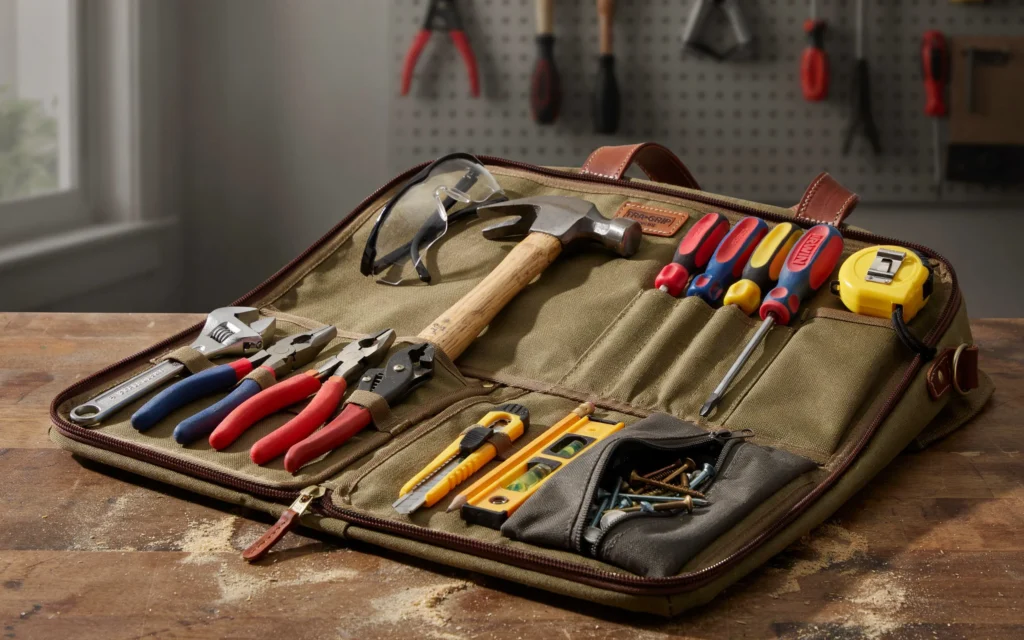
So, which tool bag is best for contractors? The honest answer is the one that fits your specific needs. There is no single “best” bag for everyone. The Klein Tradesman Pro Backpack is excellent for electricians who need organization and portability. The Veto Pro Pac Tech Pac Wheeler is unbeatable for heavy loads and durability. The CLC Custom LeatherCraft 1539 is a fantastic all-around choice for tradespeople who need lots of pockets.
The key is to think about your daily routine. What tools do you carry? Where do you work? How do you prefer to carry your gear? Answer those questions, and you will find your bag.
Do not rush the decision. A good tool bag is an investment in your productivity and your health. Take your time, read reviews, and if possible, try a few bags in person. Your back, your shoulders, and your tools will thank you.
Remember what one Amazon reviewer said about the CLC 1539: “If you’re looking for a tool bag to keep a lot of tools in, and have it hold up (I see little wear or stress points yet), then this would be my recommendation. It may be a little pricey, but it will surely outlast the smaller bags”.
That is the truth of it. Spend a little more now, and you will save money and frustration in the long run. Your tools deserve a good home. Give them one.
Related posts
 Which Tool Kit Is Worth Buying? How to Choose the Right Set for Your Home
Wondering which tool kit is worth buying? Compare basic household sets, mechanic kits, and power tool combos to find the best tools for your budget and…
 Which Hand Tools Are Made in the USA? Reliable Brands and Buying Rules
Discover which hand tools are still made in the USA. Compare top domestic brands, tool categories, and learn how to verify origin labels before buying. Several…
 Why Do Campers Carry Multi Tools? Practical Uses in the Field
Why do Campers carry multi tools to handle gear repairs, campsite setup, food prep, and field fixes with minimal weight. Here is why one belongs in…