
Do I Need A Multi Tool Kit For Backpacking Trips
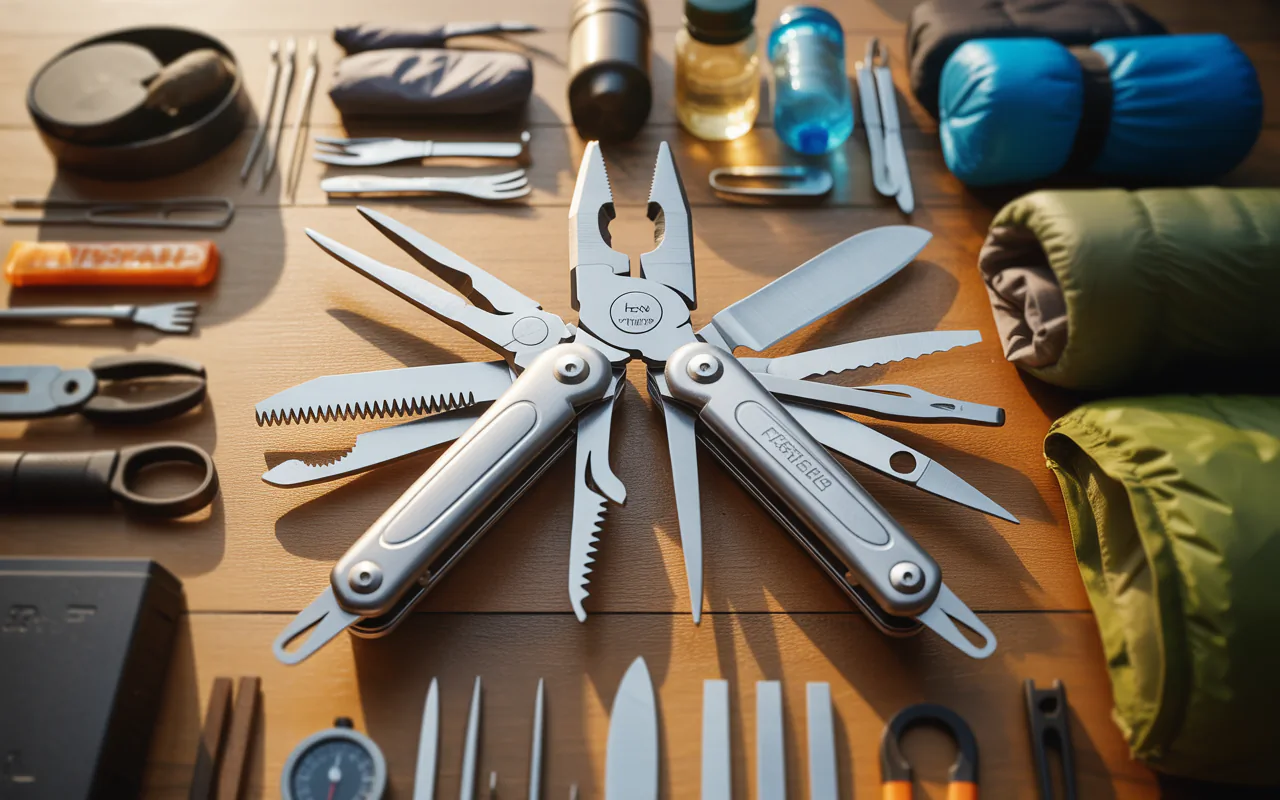
Wondering “Do I need a multi tool kit for backpacking trips”? The direct answer is yes for most overnight or longer hikes, but no for simple day walks. A small multitool helps with repairs, food, and first aid. Read this guide to decide what fits your pack.
You pack your sleeping bag. You fill your water bottle. You check your food bag one last time. Then you stop. Your hand hovers over that small leather or nylon case holding a multi tool kit. Should it go in or stay home? This question pops up for almost every hiker before a trip. I have asked it myself many times. And the truth is, the answer changes based on where you go, how long you stay, and what you plan to do.
Let me help you think through this choice. I will share what I have learned from years of carrying gear up and down trails. We will look at the good side and the heavy side of bringing a multi tool kit. By the end, you will know exactly what works for your next adventure.
“The more you know, the less you need.” – Yvon Chouinard, founder of Patagonia
What Is a Multi Tool Kit Exactly?
A multi tool kit is a small handheld device that packs many tools into one body. Think of it as a pocket workshop. Most include pliers, wire cutters, knives, screwdrivers, bottle openers, and files. Some add saws, scissors, or even tiny rulers. The word “kit” often means the tool comes with extra bits or a carry pouch.
But here is a common mix up. A multi tool kit is not the same as a full survival kit. A survival kit has bandages, fire starters, and water tablets. A multi tool kit is just the metal tool. It helps you fix, cut, open, or grip things. You cannot eat it or drink it. But it can save your trip when something breaks.
Common Features of Multi Tool Kits
Most multi tools share a standard set of parts. You will see:
- Pliers (needle nose or regular)
- Knife blade (plain edge or serrated)
- Screwdrivers (flat and Phillips)
- Bottle and can openers
- Wire cutters
- File or saw
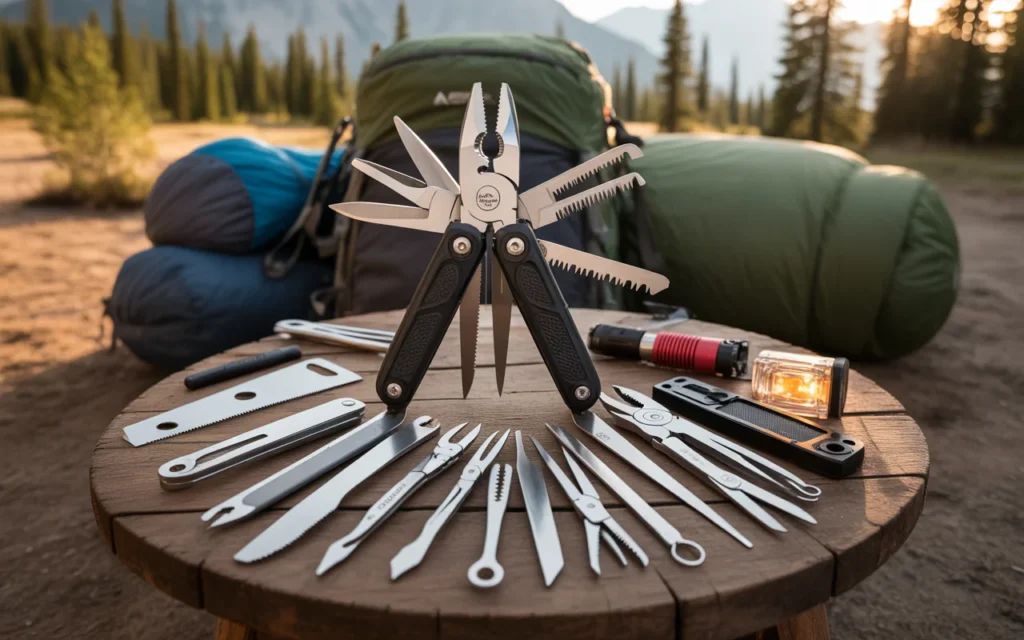
Some bigger models add spring-loaded pliers, scissors, or a small saw for wood. A few even have a tiny LED light. But more parts mean more weight. And on a backpacking trip, every ounce counts.
Different Types for Different Hikers
Not all multi tools are made the same way. You will find three main types.
Keychain multi tools are the smallest. They weigh under two ounces. They fit on your key ring. These have scissors, a small knife, and a nail file. They work for very light tasks like opening a food package or cutting a loose thread.
Standard pocket multi tools are the most common. They weigh four to eight ounces. Brands like Leatherman and Gerber make these. You get pliers, knives, screwdrivers, and more. This size works well for most backpackers.
Heavy duty multi tool kits weigh over nine ounces. They have larger pliers, stronger cutters, and many extra bits. Some come with a separate bit driver set. These are better for car camping or work sites, not long trails.
The Short Answer to “Do I need a multi tool kit for backpacking trips?”
Let me give you a clear answer right now. For most overnight backpacking trips, yes, you should bring a small multi tool kit. For day hikes under six miles, you can leave it home. For long treks over five days, a lightweight version is very helpful.
Why? Because things happen on the trail. Your stove nozzle gets clogged. A strap on your pack tears. You need to cut moleskin for a blister. You find a loose screw on your trekking poles. These small problems become big problems without a tool. A multi tool kit fixes them in seconds.
That said, you do not need a huge kit. A four ounce tool with pliers, a knife, and a screwdriver covers 90 percent of trail fixes. Anything bigger is extra weight you do not want.
“Lighten your load, but don’t leave your common sense behind.” – Chris Townsend, backpacking author
Factors That Decide If You Need One
Let me walk you through the main things to think about. Each factor changes the answer to “Do I need a multi tool kit for backpacking trips?”
Trip Length: Overnight vs Week-Long
A one night trip means less chance of gear failure. You might skip the multi tool kit and just carry a small knife. But a five day trip means more meals, more gear use, and more risk. On longer hikes, I always bring my multi tool kit. I have used it to fix a tent pole, tighten a loose water filter cap, and cut fishing line for a makeshift clothesline.
Your Cooking Style
Do you cook freeze dried meals that just need hot water? You probably only need a knife to open the pouches. But if you cook real food like cheese, sausage, or vegetables, a multi tool kit helps. The scissors cut open stubborn packages. The can opener works for canned beans or tuna. The bottle opener is nice after a long day on the trail.
Gear Repair Needs
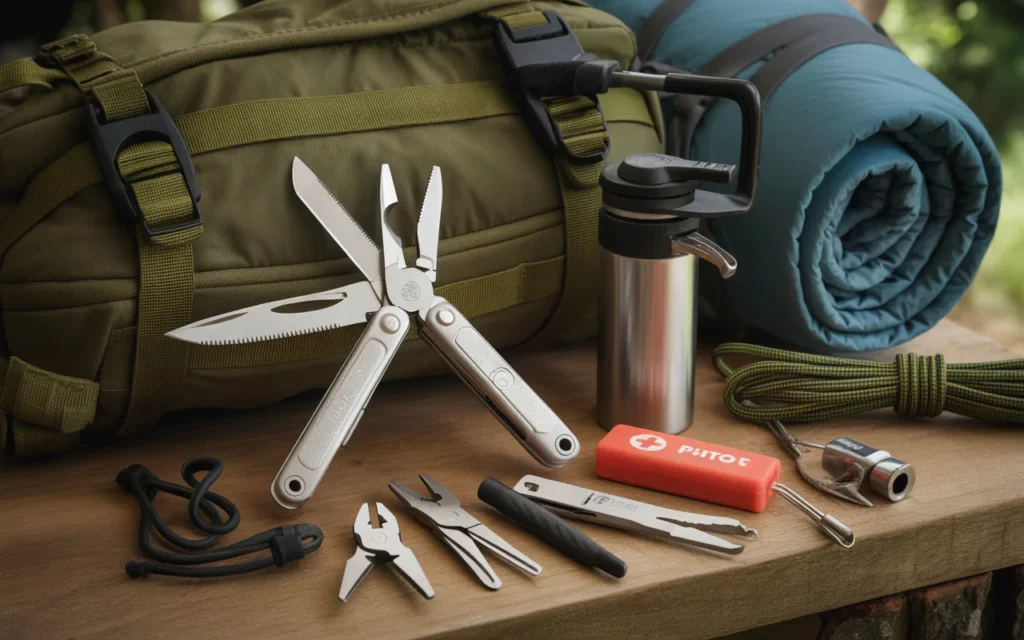
Think about what gear you carry. Tents have zippers that stick and poles that bend. Backpacks have straps that loosen and buckles that snap. Sleeping pads get small holes. Trekking poles have screw sections that wiggle loose. A multi tool kit with pliers and screwdrivers fixes all of these. Without it, you use your teeth or your pocket knife. Neither works well.
Emergency Situations
Emergencies are rare, but they happen. A multi tool kit can cut a rope to make a splint. It can pull a splinter or tick out with the pliers. It can cut a bandage to size. In a real emergency, even the smallest tool is better than no tool. I once used the saw on my multi tool to cut small branches for a signal fire. That trip taught me to never leave it behind.
Table 1: Multi Tool Kit Uses vs Weight Cost
| Activity or Problem | Without a Multi Tool Kit | With a Small Multi Tool Kit (4 oz) |
|---|---|---|
| Open a food pouch | Use your teeth (works, but risky) | Knife or scissors cut cleanly |
| Tighten a loose screw on trekking poles | Ignore it or struggle with a coin | Use the flat screwdriver bit |
| Cut a piece of cord for a clothesline | Bite or burn through (damages cord) | Knife blade makes a clean cut |
| Pull a deep splinter from your finger | Dig with a needle or ignore it | Pliers grip and pull easily |
| Open a can of beans | No good way without a tool | Can opener works in 30 seconds |
When You Can Skip the Multi Tool Kit
Now let me be honest. You do not always need a multi tool kit. There are clear times when leaving it home is the smart choice.
Day Hikes and Short Trails
If you walk for two to four hours on a marked trail, you do not need a multi tool kit. A small knife or even just a pair of scissors in your first aid kit is enough. You are never far from your car or a road. If something breaks, you turn back. Save the weight and carry extra water instead.
Ultralight Backpacking
Ultralight hikers count every gram. They cut toothbrush handles and remove tags from clothes. For these hikers, a four ounce multi tool kit is too heavy. Many ultralight backpackers carry just a single razor blade or a tiny pair of pliers. Some carry nothing at all. If your base weight is under eight pounds, you probably answered “Do I need a multi tool kit for backpacking trips?” with a firm no.
Group Trips With Shared Tools
When you hike with three or four friends, you do not each need a multi tool kit. One person carries the shared tool. Everyone else carries just a small knife. Talk before you leave. Decide who brings what. This way you save weight across the group but still have the tool when needed.
“A good knife is like a good friend; you don’t realize how much you need it until it’s gone.” – Andrew Skurka, long distance backpacker
The Best Lightweight Multi Tool Options
If you decide yes to “Do I need a multi tool kit for backpacking trips?”, your next question is which one to buy. Here is what I look for.
Features to Look For
First, aim for a weight between three and five ounces. Nothing above six ounces for backpacking. Second, make sure it has pliers. That is the tool you cannot replace with a simple knife. Third, get one knife blade that locks in place. This stops it from closing on your fingers. Fourth, look for at least one screwdriver. Flat head is more useful than Phillips on trail gear. Fifth, skip models with many extra bits or a bulky case. You will leave the case at home anyway.
My personal choice for years has been a simple four ounce tool with pliers, a plain edge knife, a flat screwdriver, and scissors. That is all I have ever needed.
Weight Comparison Table
Table 2: Top Multi Tools for Backpackers (weight and key tools)
| Model (Example) | Weight (ounces) | Key Tools | Best For |
|---|---|---|---|
| Keychain mini tool | 1.8 | Scissors, small knife, nail file | Day hikes, ultralight kits |
| Small standard multi tool | 3.8 | Pliers, knife, screwdrivers, bottle opener | Most overnight trips |
| Lightweight full size | 5.2 | Pliers, knife, saw, scissors, can opener | Week long treks |
| Heavy duty kit | 9.5+ | Large pliers, bit driver, wire cutters | Car camping, not backpacking |
Alternatives to a Full Multi Tool Kit
Maybe you are still unsure. You like the idea of having tools, but you hate the weight. Here are three lighter options that still answer “Do I need a multi tool kit for backpacking trips?” with a partial yes.
Just a Knife
A simple folding knife with a three inch blade weighs under two ounces. It cuts rope, opens food, and slices cheese. It cannot tighten screws or pull splinters. But for many short trips, a knife is enough. Bring a small pair of tweezers in your first aid kit to replace the pliers.
A Small Pair of Pliers
You can buy tiny pliers that weigh one ounce. They fit on a key ring. They grip, pull, and twist. Pair them with a separate small knife or razor blade. This two item setup weighs less than three ounces total. It gives you most of what a multi tool kit offers.
A Multi Tool Without the “Kit”
Some companies sell very basic multi tools with just pliers, a knife, and a screwdriver. No scissors. No saw. No file. These weigh around two to three ounces. Look for models with “skeletonized” frames that remove extra metal. They cost less and pack smaller. You lose the fancy extras, but you keep the core functions.
How to Pack Your Multi Tool to Save Space
Once you decide to bring a multi tool kit, pack it smart. Do not carry it in the bulky nylon pouch it came with. Those pouches add weight and take up space. Instead, put the tool in your hip belt pocket or your cook pot. Some people clip it to the outside of their pack with a small carabiner. I prefer to slide it into a side pocket where I can reach it without opening my main bag.
Keep your multi tool kit away from your water bladder or food. If you forget it is there, it can poke a hole. Also, know the rules. Some parks do not allow knives over a certain length. Check before you go. On an airplane, always pack your multi tool kit in checked luggage, never in a carry on.
Real Stories From the Trail
I remember a trip in the Sierra Nevada. My friend’s backpack strap buckle snapped two miles from camp. Without a multi tool kit, he would have held his pack with one hand for the rest of the day. But I carried a small tool. We used the pliers to bend a paperclip into a temporary buckle. It held for three more days.
Another time, my camp stove jet got clogged with old fuel. The flame turned yellow and weak. I pulled out the multi tool kit, used the smallest screwdriver to clean the jet, and had a hot meal five minutes later. That one fix saved my dinner.
Then there was the trip I forgot my multi tool kit. I felt naked without it. A tent zipper got stuck. I tried to fix it with a stick. No luck. A food bag knot tightened too much. I spent ten minutes picking at it with a twig. I learned my lesson. Now I check for my multi tool kit the same way I check for my sleeping pad.
Frequently Asked Questions (FAQs)
1. Do I need a multi tool kit for backpacking trips if I already carry a pocket knife?
Yes, if your pocket knife does not have pliers. Pliers are the most useful trail tool. They grip hot pots, pull splinters, and bend wire. A knife alone cannot do those jobs. But if your knife has pliers built in, then you already have a small multi tool kit.
2. What is the lightest multi tool kit I can bring?
The lightest useful option weighs about 1.5 to 2 ounces. Look for keychain models with pliers, a knife, and a screwdriver. The Gerber Dime and Leatherman Squirt PS4 are good examples. They fit on your key ring and disappear in your pocket.
3. Can I bring a multi tool kit on a plane to my backpacking destination?
No. You cannot put any multi tool kit with a blade in your carry on bag. TSA rules say no knives, even tiny ones. Always pack your multi tool kit in your checked luggage. If you only bring a carry on, buy a cheap multi tool at your destination or mail it ahead.
4. Do I need a multi tool kit for backpacking trips with kids?
Yes, even more so. Kids break things more often. They also get small splinters, need help opening snacks, and somehow always have a loose screw on their glasses or gear. A small multi tool kit saves you from many small frustrations.
5. What tools do I actually use most on a multi tool kit?
From my own trips, the pliers come first. Then the knife blade. Then the flat screwdriver. The scissors are nice but not necessary. The saw, file, and can opener almost never get used. So when you shop, focus on tools you will really touch.
6. How do I clean my multi tool kit after a backpacking trip?
Use warm soapy water and an old toothbrush. Open all the tools and scrub out dirt and dust. Dry it completely. Then put one drop of oil on each hinge. Close and open the tools a few times to spread the oil. Store it dry. Do this after every trip that got your tool wet or dirty.
Conclusion
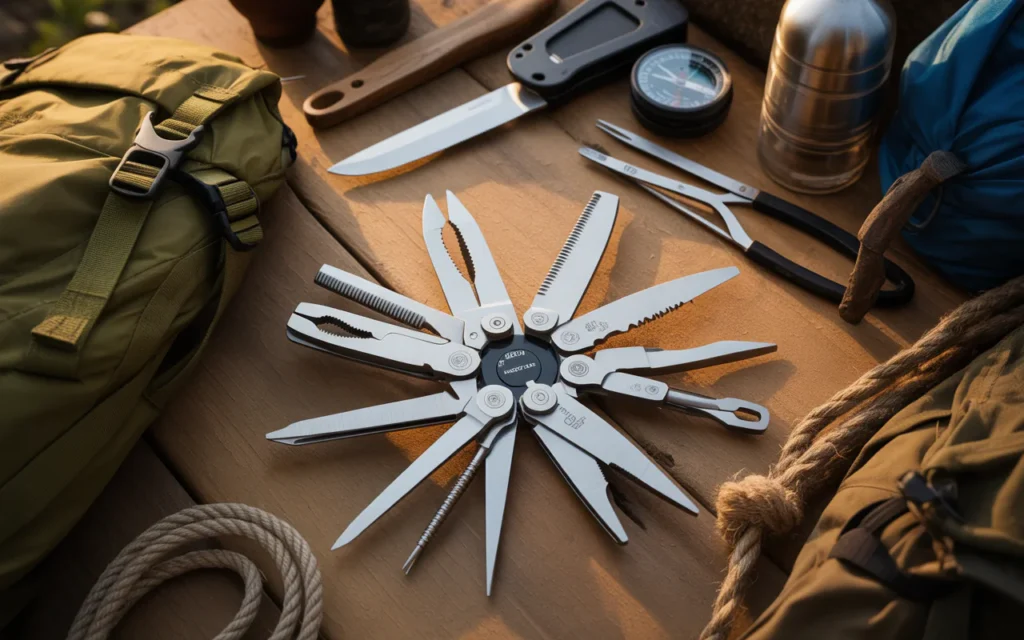
So let me answer the big question one more time. Do I need a multi tool kit for backpacking trips? For most overnight and longer hikes, yes, a small lightweight version is worth its weight. For short day hikes or ultralight trips, you can leave it home. The key is matching the tool to your trip.
A four ounce multi tool kit with pliers, a knife, and a screwdriver will fix 9 out of 10 problems you meet on the trail. It will open your food, repair your gear, and help in small emergencies. That small weight in your pack brings big peace of mind.
Look at your next trip. Think about the length, the terrain, and your gear. Ask yourself what could break. Then make your choice. And if you do bring a multi tool kit, get one that feels good in your hand. Practice using the tools before you leave. That way, when something goes wrong, you are ready. Happy trails, and pack smart.
Related posts
 Top Cordless Oscillating Multi Tool Kits for Every Project
Compare the top cordless oscillating multi tool kits to find the perfect fit for your projects. Discover powerful options and essential accessories. Cordless oscillating multi-tools are…
 Top Keychain Multi Tool Kits: Find Your Perfect Everyday Carry Companion
Compare top keychain multi tool kits for everyday carry. Discover compact tools with pliers, knives, and bottle openers for your daily needs. A keychain multi-tool is…
 Top Multi Tool Kits for Bushcraft Adventures
Discover the top multi tool kits for bushcraft. Compare essential features, durability, and versatility to find your ideal outdoor companion. Embarking on bushcraft adventures requires reliable…