
What Size Tool Bag Do I Need For My Tools
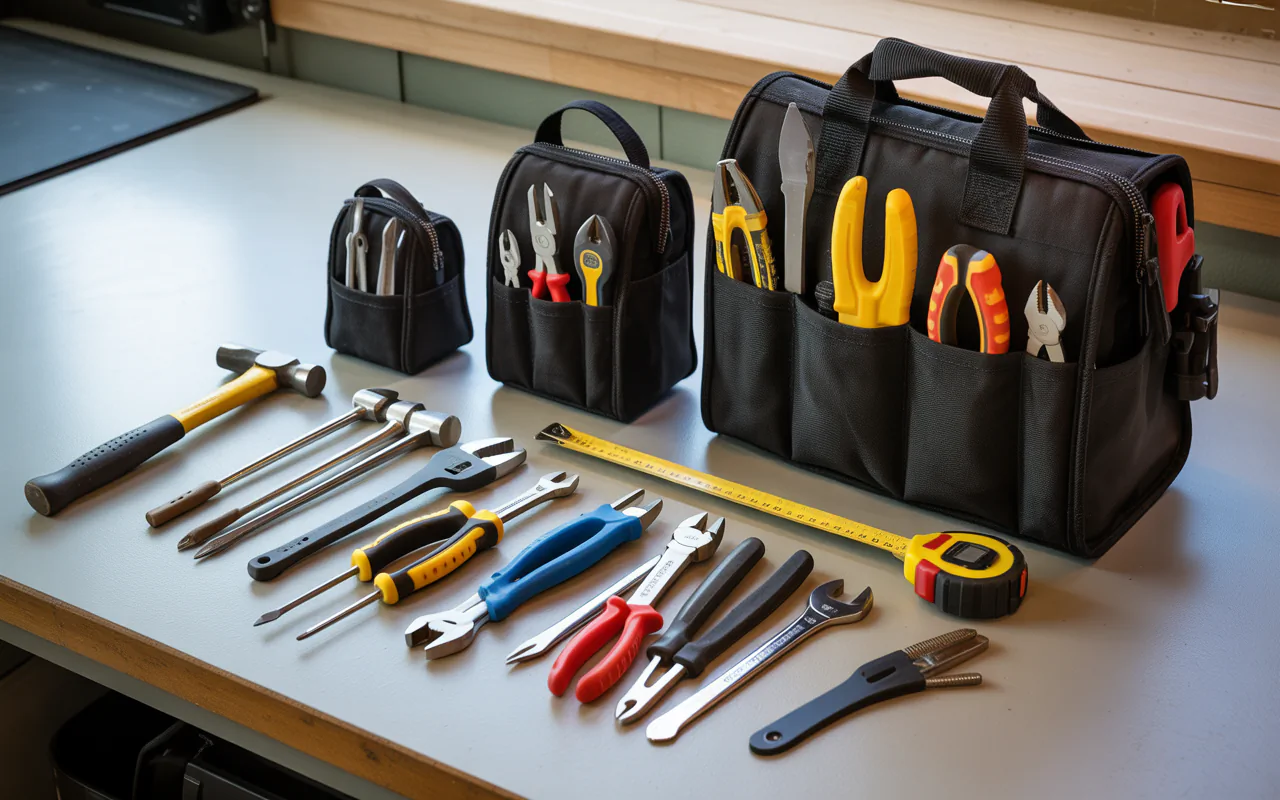
If you ask ‘What size tool bag do I need for my tools’, start with a 12-inch bag for basic hand tools. A 16-inch bag fits a drill and driver set. An 18 to 22-inch bag works for full kits. Measure your largest tool first to get the right fit.
You open your closet or garage shelf. Tools are everywhere. Screwdrivers in one box. Pliers in a drawer. A drill on the floor. You want one bag to hold them all. But you stop and think: What size tool bag do I need for my tools? This is a common question for people who fix things at home or work on job sites. The answer is not hard. But it does need a little planning.
I have been fixing and building things for many years. I have used small pouches, big rolling bags, and everything in between. I made mistakes. I bought a bag that was too small. Then I bought one that was too big. My back hurt. I lost small parts. Over time, I learned a simple way to find the right size. In this guide, I will share that method with you. No fancy words. No hard math. Just clear steps to answer the question: What size tool bag do I need for my tools?
Let us start with the first and most important step.
First, Look At What Tools You Own
You cannot pick a bag size without knowing your tools. Every tool has a shape and size. You need a bag that fits them all. The best way is to gather all your tools in one place. Put them on a table or on the floor. Then group them by type.
Small Hand Tools Only
Do you only own things like these?
- Screwdrivers (a few sizes)
- Pliers (one or two pairs)
- A small hammer
- A tape measure
- A utility knife
- A set of hex keys
If this looks like your collection, you do not need a big bag. What size tool bag do I need for my tools in this case? A 12-inch tool bag works great. This size bag is light. It has one main pocket and a few small side pockets. You can carry it with one finger. It fits on a shelf or in a car trunk easily.
Mix Of Hand Tools And Small Power Tools
Maybe you have a drill. Or a small impact driver. You also have a set of bits, a level, a wrench set, and a few clamps. This is the most common tool set for a home owner or a handy person. You need more space than a 12-inch bag. But you do not need a huge box.
So what size tool bag do I need for my tools here? A 16-inch or 18-inch bag is a good choice. These bags have a wide opening. They let you stand your drill up straight. They also have pockets on the sides for screwdrivers and pliers. Some have a hard bottom to keep water out. I used this size for three years on small home jobs. It worked well.
Full Workshop In A Bag
Some people have many tools. You might have a circular saw. Or a reciprocating saw. You may have a big hammer drill. You might carry a full socket set, two levels, a large wrench set, and many screwdrivers. You want one bag to hold almost everything you own. This is a heavy load.
For this group, what size tool bag do I need for my tools? Look at 20-inch, 22-inch, or even larger bags. Some tool bags go up to 24 inches. These big bags have stiff sides. They hold heavy tools without falling over. Many have shoulder straps because the bag will be heavy. Some have wheels. Yes, tool bags with wheels exist. They look like small suitcases.
Here is a simple table to help you match your tool count to a bag size.
Table 1: Tool Count And Bag Size Guide
| Number of Tools (approx.) | Tool Types | Recommended Bag Size |
|---|---|---|
| 5 to 15 | Small hand tools only | 12 inches |
| 15 to 30 | Hand tools + 1 drill | 14 to 16 inches |
| 30 to 50 | Hand tools + 2 or 3 power tools | 16 to 18 inches |
| 50 to 80 | Many hand tools + 4+ power tools | 18 to 20 inches |
| 80+ | Full workshop tools | 20 to 24 inches or rolling bag |
This table works for most people. But tools come in different shapes. A big wrench takes more space than a small screwdriver. So let us talk about measuring your biggest tool.
“A good tool bag is like a good friend. It holds what you need without complaint.” – Tom Silva, home improvement expert
How To Measure Your Biggest Tool
You now have a rough size from the table. But you must check your largest tool. This step saves you from buying a bag that is too short or too narrow.
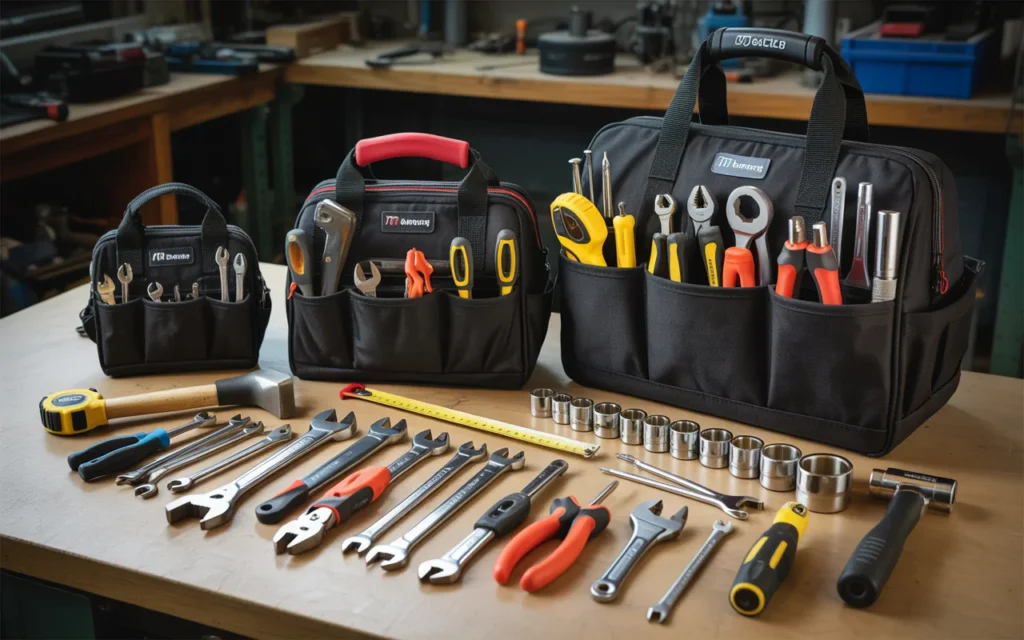
Take your longest tool. That could be a level, a saw, or a long screwdriver. Measure its length from end to end. For a drill, measure from the back of the handle to the tip of the longest bit. For pliers, measure the total length when closed.
Now add 2 inches to that number. Why? You need space to reach your hand in and pull the tool out. If your tool is a tight fit, you will fight the bag every time.
Here is a real example. My longest level is 24 inches. So I need a bag that is at least 26 inches tall. But most tool bags are not that tall. So I put my level in an outer pocket. Or I buy a bag made for long tools. Some tool bags have a tall outer sleeve. If you have a tool longer than 22 inches, check if the bag has a long pocket.
For width, look at your widest tool. A large wrench, a hand saw blade, or a tool box inside a bag. Measure the width. Then add 1 inch. Most standard tool bags are 7 to 10 inches wide at the base. That works for most tools. But if you have a big circular saw, you need a bag with a wide base. Some bags are 12 inches wide at the bottom.
Now you know the numbers. So when you ask “What size tool bag do I need for my tools”, you can say: “At least X inches tall, Y inches wide, and Z inches deep.”
Different Bag Shapes And What They Hold
Size is not just about inches. Shape matters too. Tool bags come in four main shapes. Each one works for different tool sets.
Open Top Tote Bags
These look like big shopping bags. They have no zipper on top. You just drop tools in. They are fast to use. You can see everything inside. But dust and dirt get in. Small parts can fall out. Open top bags are good for quick jobs. What size tool bag do I need for my tools if I use an open top? A 16-inch to 18-inch open tote works for hand tools and a few power tools. But for heavy dust areas, pick a zippered bag.
Zipper Top Tool Bags
These have a zipper that closes the main compartment. They keep dust and water out better. They also keep tools from falling out if the bag tips over. Most zipper bags have a hard plastic base. That base keeps the bag standing up. I prefer zipper bags for most jobs. They protect my tools. For the question “What size tool bag do I need for my tools”, zipper bags come in all sizes from 12 to 24 inches.
Backpack Tool Bags
These look like a student’s backpack. But they are made of thick fabric. They have many pockets inside and out. You wear them on your back. This is great if you walk up stairs or ladders a lot. Your hands are free to carry other things. Backpack bags are usually 16 to 20 inches tall. But they hold less than a tote of the same size because of the backpack shape. So if you ask “What size tool bag do I need for my tools” and you want a backpack, go one size larger than the table says.
Rolling Tool Bags
These have wheels and a handle like a suitcase. They are for very heavy loads. If your bag will weigh more than 30 pounds, your back will thank you for wheels. Rolling bags start at 18 inches but go up to 24 inches or more. They are wide and deep. You can fit a small tool chest inside them. The only downside is stairs. Stairs are hard with a rolling bag. But for flat ground or a truck, they are great.
“Don’t buy a bag that’s too big. You will fill it with junk.” – Bob Vila, home improvement host
Common Bag Sizes Explained
Let me give you a clear picture of each common bag size. This will help you say yes or no when you see a bag in a store.
12-inch bag
Height: 12 inches. Width: 6 to 7 inches. Depth: 5 to 6 inches.
Holds: 10 to 15 small hand tools. No power tools.
Weight when full: 2 to 5 pounds.
Best for: A basic home repair kit.
14-inch bag
Height: 14 inches. Width: 7 inches. Depth: 6 inches.
Holds: 15 to 25 hand tools, maybe a very small screwdriver power tool.
Weight: 5 to 8 pounds.
Best for: Apartment dwellers, small car trunks.
16-inch bag
Height: 16 inches. Width: 8 inches. Depth: 7 inches.
Holds: 25 to 40 tools, one drill or impact driver, bits, hand tools.
Weight: 8 to 15 pounds.
Best for: Most home owners, weekend projects.
18-inch bag
Height: 18 inches. Width: 9 inches. Depth: 8 inches.
Holds: 40 to 60 tools, two power tools, a small level, a socket set.
Weight: 15 to 25 pounds.
Best for: Serious DIY, light professional use.
20-inch bag
Height: 20 inches. Width: 10 inches. Depth: 9 inches.
Holds: 60 to 80 tools, three or four power tools, a bigger level.
Weight: 25 to 35 pounds.
Best for: Tradespeople, contractors.
22-inch bag and up
Height: 22+ inches. Width: 12+ inches. Depth: 10+ inches.
Holds: 80+ tools, many power tools, a small saw.
Weight: 35 to 50+ pounds. Get a rolling bag at this weight.
Best for: Full tool set, job site every day.
So when you ask “What size tool bag do I need for my tools”, use this list as your guide. Match your tools to the size.
Now let me show you a second table. This one matches specific tools to bag sizes.
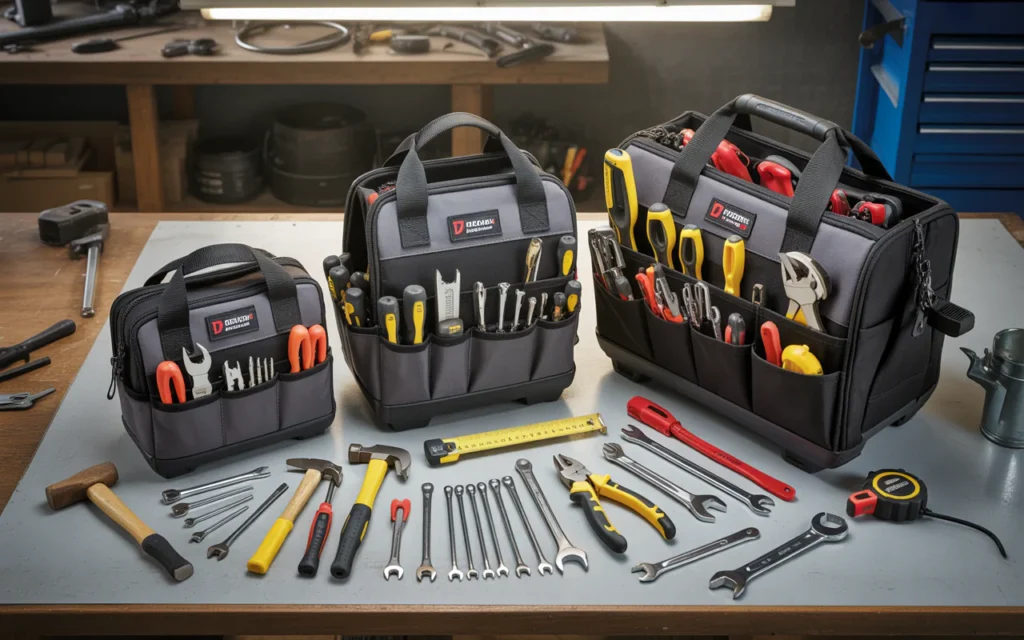
Table 2: Specific Tools And Minimum Bag Size
| Tool Name | Length (approx.) | Minimum Bag Height Needed | Recommended Bag Size |
|---|---|---|---|
| Screwdriver set (6 pieces) | 8 to 12 inches | 14 inches | 14-inch |
| Hammer | 12 to 14 inches | 16 inches | 14 to 16-inch |
| Tape measure (25 ft) | 3 inches (rolled) | Any | Any |
| Drill (12V) | 7 to 8 inches | 12 inches | 12 to 14-inch |
| Drill (18V or 20V) | 8 to 10 inches | 14 inches | 14 to 16-inch |
| Impact driver | 6 to 7 inches | 12 inches | 12 to 14-inch |
| Circular saw (7-1/4 inch) | 10 to 12 inches (body) | 16 inches | 16 to 18-inch |
| Level (24 inches) | 24 inches | 26 inches (or outer pocket) | 18+ with tall pocket |
| Large wrench (15 inch) | 15 inches | 17 inches | 16 to 18-inch |
| Pliers set (3 pieces) | 8 to 10 inches | 12 inches | 12 to 14-inch |
This table shows you that one big tool changes everything. A 24-inch level needs a bag with a tall outer sleeve. Or you keep it separate.
What About Heavy Tool Loads?
Size is not just about space. It is also about weight. A bag that holds many tools can get very heavy. I have seen people buy a 20-inch bag and fill it with 50 pounds of tools. Then the strap breaks. Or the zipper splits. Or their shoulder hurts for a week.
Here is a simple rule. If your bag will weigh more than 20 pounds, get a bag with two handles. Better yet, get a shoulder strap. The strap should have a thick pad. For 30 pounds or more, get a backpack style or a rolling bag. Your body will thank you.
Let me ask you again: What size tool bag do I need for my tools? Add this question to your list: “How heavy will it be?” If you are not sure, weigh your tools on a bathroom scale. Hold them and step on the scale. Then step off without them. The difference is the weight.
I did this once. My tools were 32 pounds. I had them in a 16-inch bag with a single strap. Bad idea. The strap broke in three months. I switched to an 18-inch backpack bag. Much better.
“Measure twice, buy once.” – Norm Abram, master carpenter
My Top Tips For Picking The Right Tool Bag
I learned these tips from years of fixing and building. They will help you find the perfect size.
Tip 1: Buy one size larger than you think you need.
If you guess a 14-inch bag, get a 16-inch. Why? You will buy more tools. Everyone does. A little extra space is good. It lets you add things later.
Tip 2: Look at the bag’s bottom.
A hard plastic bottom is worth the extra money. It keeps the bag standing. It also keeps water from soaking up from wet floors. Soft bottoms flop over. Tools spill out.
Tip 3: Check the pocket layout.
A bag with many small pockets outside is great. You can put screwdrivers, pliers, and markers in them. Then the main space holds bigger tools. When you ask yourself “What size tool bag do I need for my tools”, also ask “How many pockets does it have?” More pockets mean you can use a slightly smaller bag because you use the outside space.
Tip 4: Try the zipper before you buy.
A bad zipper will ruin your day. Open and close the bag five times. Does it catch? Does it feel rough? Walk away if it does. Good zippers are smooth.
Tip 5: Think about where you store the bag.
Measure your car trunk or your shelf. A 22-inch bag might not fit. My car trunk fits only an 18-inch bag. So even if I need a 20-inch bag, I cannot use it. I have to split my tools into two bags. That is okay.
Tip 6: Read reviews from people who do your kind of work.
If you are an electrician, read electrician reviews. If you are a plumber, read plumber reviews. They will tell you the real size and durability. They will answer “What size tool bag do I need for my tools” better than any ad.
Frequently Asked Questions
Q: Can I put power tools in a 12-inch bag?
A: Only very small power tools like a 4V screwdriver. A standard 18V drill is too tall and wide. You need at least a 14-inch bag for a small drill. For a full size drill, use a 16-inch bag.
Q: What size tool bag do I need for my tools if I have a circular saw?
A: A circular saw needs a bag at least 18 inches tall and 10 inches wide. The saw body is bulky. Look for a bag with a wide, stiff base. Some 16-inch bags work if the saw sits diagonally. But an 18-inch bag is safer.
Q: Do tool bag sizes include the pockets?
A: No. The size number (like 16 inches) is the height of the main body. It does not count the outer pockets. The pockets add extra space. So a 16-inch bag with big pockets holds more than the same size bag with small pockets.
Q: What is the most common tool bag size for home owners?
A: 16 inches. This size holds a drill, a set of bits, a hammer, a few screwdrivers, pliers, a level, and a tape measure. Most home repair jobs need these tools. So when people ask me “What size tool bag do I need for my tools”, I say 16 inches for a typical home owner.
Q: Should I get a bag that is taller than my longest tool?
A: Yes. If your longest tool is 14 inches, get a bag that is 16 inches tall. That extra 2 inches lets you reach in and grab the tool easily. If the tool fits exactly, you will have to shake the bag or dump everything out.
Q: Can I use one bag for all my tools?
A: For most people, yes. But if you have more than 100 tools or very large tools like saws and long levels, you may need two bags. One big bag for power tools. One smaller bag for hand tools. That is fine. Many professionals use two or three bags.
Q: How do I know if a tool bag is too big?
A: A bag is too big if you cannot carry it when it is full. Or if it does not fit in your car. Or if you walk slower because the bag hits your legs. Also, if you have empty space inside and tools slide around, the bag is too big. tools sliding can get damaged. Aim for a snug but not tight fit.
Conclusion
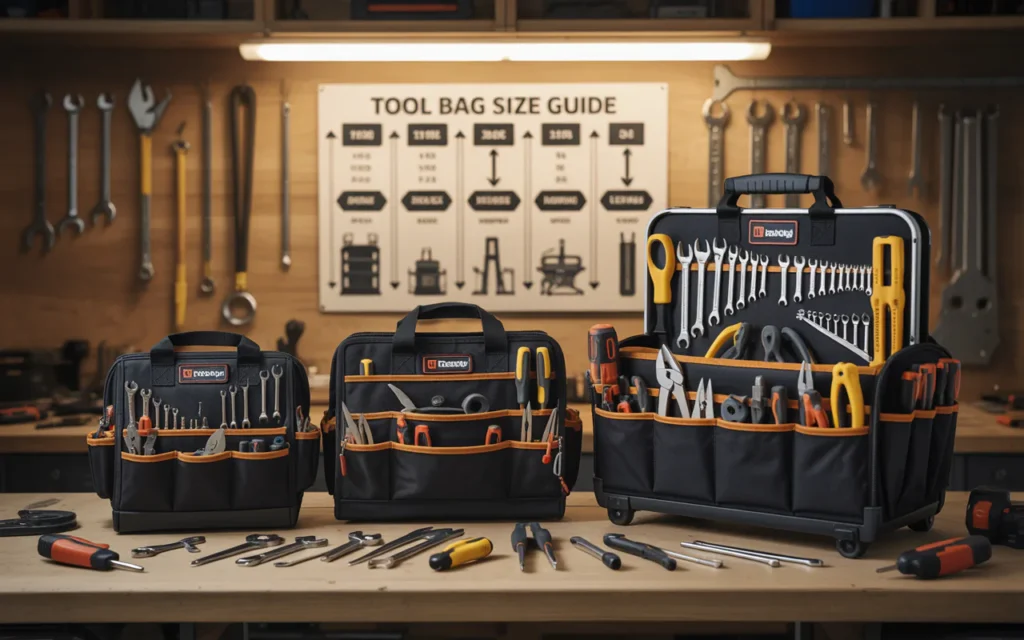
You now have a clear answer to the question: What size tool bag do I need for my tools? Start by looking at your tools. Count them. Measure the longest one. Use the tables in this guide to match your tool count and types to a size. Then think about weight and shape. Add 2 inches to your longest tool for comfort. And remember to buy one size larger than you think you need. You will buy more tools later.
To sum it up with simple numbers:
- 5 to 15 hand tools only → 12-inch bag
- 15 to 30 tools plus one drill → 14 to 16-inch bag
- 30 to 60 tools plus two or three power tools → 16 to 18-inch bag
- 60 to 80 tools plus four or more power tools → 18 to 20-inch bag
- 80+ tools with large saws or long levels → 20 to 24-inch rolling bag
Pick a bag with a hard bottom and smooth zippers. Choose a backpack or rolling bag if your tools weigh more than 25 pounds. Test the bag at a store if you can. Put a few tools inside. Lift it. Walk with it. See how it feels.
Your tools work hard for you. A good bag of the right size helps you work better. You save time because you find tools fast. You save energy because you carry a balanced load. And you keep your tools safe from bumps and dust.
So next time you stand in front of a shelf full of tool bags, you will know exactly what to do. You will measure your longest tool. You will count your tools. You will think about how heavy the load will be. And you will pick the perfect size. No guessing. No regrets.
Now go gather your tools. Find that tape measure. And get the right bag for your work. You have all the information you need. Happy fixing
Related posts
 Top Tool Bags for Mobile Contractors: 2026 Buyer Guide
Discover the top tool bags for mobile contractors in 2026. Compare durable totes, backpacks, and multi-pocket organizers to find the best fit for your gear. For…
 Top Tool Bags for Plumbers: 2026 Selection Guide
Discover the top tool bags for plumbers in 2026. We compare durable, multi-pocket storage solutions to help you organize your gear effectively on the job. Plumbing…
 Best Tool Bag for HVAC Technicians in 2026
Find the right tool bag for HVAC technicians with our 2026 guide. Compare top-rated bags, backpacks, and pouches to keep your gear organized and protected. As…