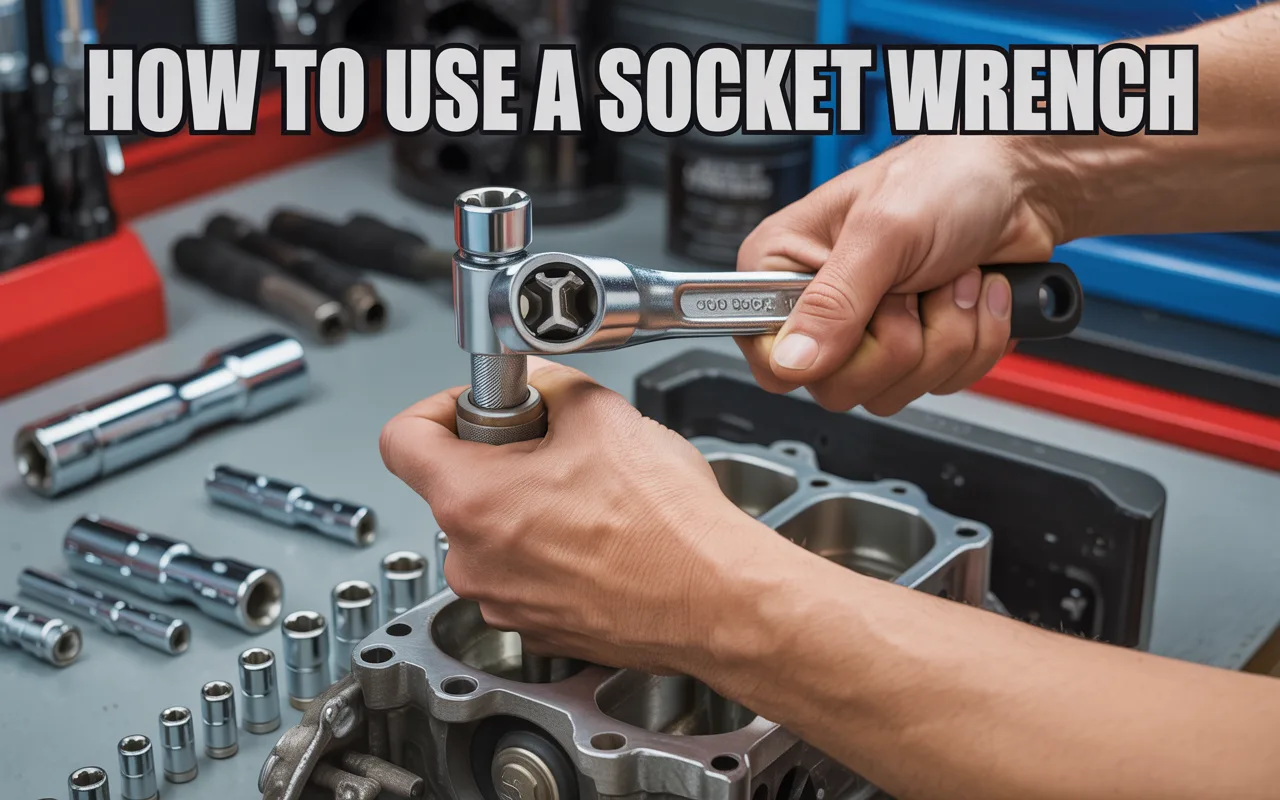
If you want to use a socket wrench correctly for home repairs or car maintenance, this guide shows you exactly how to choose the right size, attach extensions, and turn fasteners safely without stripping bolts.
I still remember the first time I picked up a socket wrench. I was trying to fix a wobbly chair, and I ended up with a handful of mismatched sockets and a lot of frustration. If you have ever stood in front of a toolbox feeling confused about where to start, you are not alone. Learning how to use a socket wrench is one of those skills that changes everything. Suddenly, you stop being afraid of loose bolts, and you start feeling like you can actually fix things around the house or even work on your own car.
A socket wrench is simply a tool that helps you turn nuts and bolts with less effort. Instead of using a plain wrench where you have to lift it off after every small turn, this tool lets you keep going without resetting your hand position. That is why it is so popular with mechanics, DIYers, and anyone who wants to save money on repairs. In this guide, I will walk you through everything you need to know to confidently use a socket wrench for your next project.
What Exactly Is a Socket Wrench?
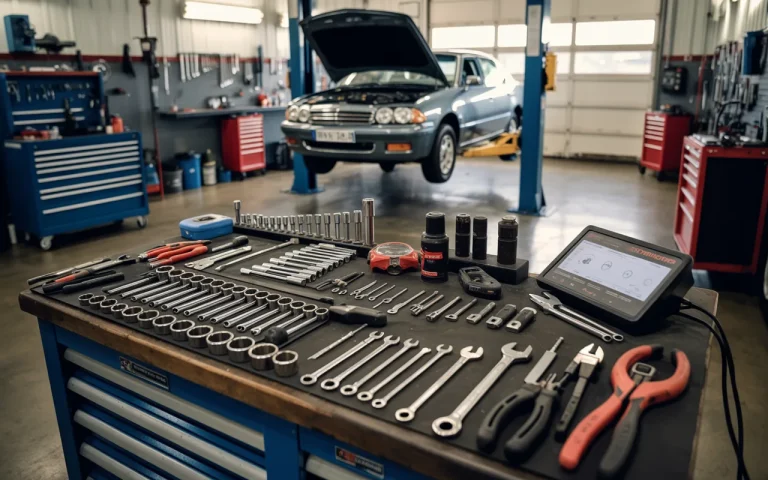
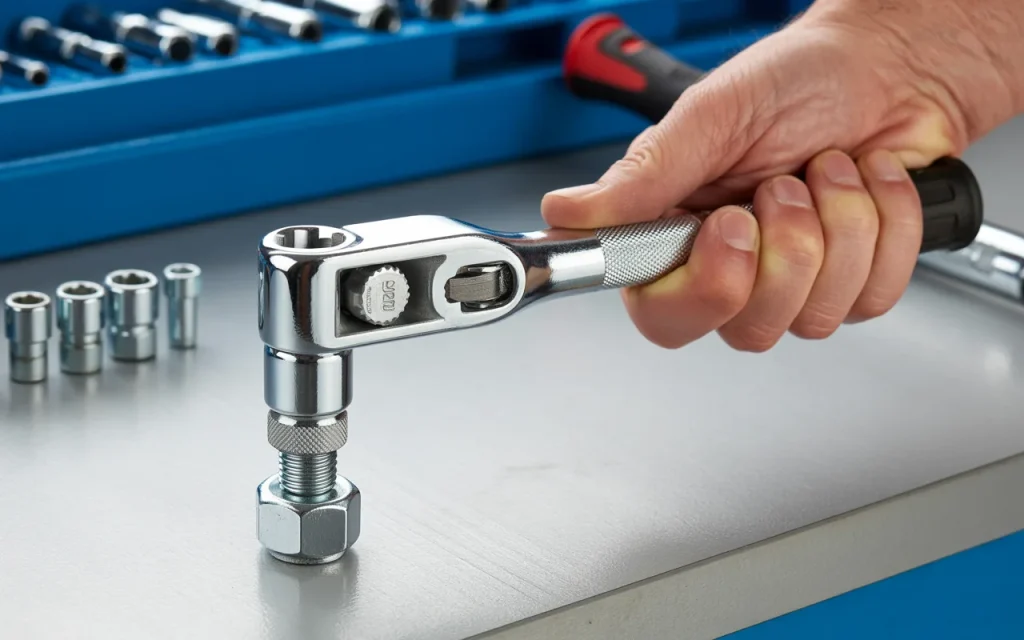
Before we get into the steps, let us talk about the tool itself. A socket wrench set usually comes with a handle (called a ratchet) and several sockets of different sizes. The ratchet has a small lever on the back that lets you switch directions. When you push the lever one way, the wrench tightens the bolt. When you push it the other way, it loosens it. The sockets are the metal pieces that fit over the bolt heads.
Here is a quick look at the main parts:
| Part | What It Does |
|---|---|
| Ratchet Handle | The main grip. It contains the mechanism that lets you turn without lifting the tool. |
| Drive Size | The square peg on the ratchet. Common sizes are 1/4-inch, 3/8-inch, and 1/2-inch. |
| Socket | The cup-shaped piece that grips the bolt or nut. |
| Extension Bar | A metal rod that adds length so you can reach tight spots. |
| Adapter | A piece that lets you use different drive sizes together. |
When you learn to use a socket wrench, you are really learning how these parts work together. The right combination makes any job easier, whether you are assembling furniture or changing a flat tire.
Why Knowing How to Use a Socket Wrench Matters
Think about all the things around you that have bolts and nuts. Your bicycle, your lawn mower, your kitchen cabinets, and even your car rely on these fasteners. If you only have an adjustable wrench, you might get by, but you will likely waste time and risk rounding off the bolt heads. A socket wrench gives you a secure grip and more control.
“Using the right tool for the job is half the battle. A socket wrench is not just a convenience; it is the difference between a job that takes five minutes and one that takes an hour.”
– Tom Silva, General Contractor and TV Host
When you know how to properly use a socket wrench, you also protect your fasteners. Stripped bolts are a nightmare to remove. With a snug-fitting socket, you apply force exactly where it needs to go without slipping.
Step-by-Step: How to Use a Socket Wrench
I will break this down into simple steps. Follow these, and you will be ready to handle most basic repair tasks.
1. Choose the Right Drive Size
Socket wrenches come in three common drive sizes. The drive size refers to the square nub on the ratchet that the socket attaches to.
- 1/4-inch drive: Best for small, delicate work like electronics or small engine parts.
- 3/8-inch drive: The most common size. It works well for general home repairs, furniture assembly, and many automotive tasks.
- 1/2-inch drive: Used for heavy-duty jobs like suspension work, large bolts, or lug nuts on car wheels.
If you are just starting out, a 3/8-inch drive set is usually the best choice. It gives you enough power for most jobs without being too bulky.
2. Pick the Correct Socket Size
This step is where many beginners get stuck. You need a socket that fits the bolt or nut exactly. If it is too loose, it will slip and round off the corners. If it is too tight, it will not fit onto the fastener.
Most socket sets include both standard (SAE) sizes measured in inches and metric sizes measured in millimeters. In the United States, you will often need both. Cars made after the 1980s mostly use metric, while older equipment and some household items may use standard sizes.
To find the right size, try a few sockets over the bolt until one fits snugly with no wiggle room. You can also use a caliper or simply compare the bolt to the size markings on the sockets.
“A loose socket is an accident waiting to happen. Take the extra few seconds to match the size perfectly. Your knuckles will thank you.”
– Chaya Milchtein, Automotive Educator and Author
3. Attach the Socket to the Ratchet
Once you have your socket, push it onto the square drive of the ratchet. You will hear a small click when it locks in place. To remove it, simply pull it off. Some ratchets have a quick-release button, which makes this even easier.
4. Set the Direction
Look at the back of the ratchet head. You will see a small lever or switch. This controls which way the ratchet turns the fastener.
- Turn the lever clockwise (or to the right): This makes the wrench tighten the bolt when you turn it to the right.
- Turn the lever counterclockwise (or to the left): This makes the wrench loosen the bolt when you turn it to the left.
Before you start, turn the wrench by hand a few times to make sure the direction is set correctly. It saves you from accidentally tightening a bolt you meant to loosen.
5. Place the Socket on the Fastener
Set the socket squarely onto the bolt head or nut. Make sure it is fully seated. You should feel it settle into place. If the socket is at an angle, you risk slipping and damaging the bolt.
6. Turn the Wrench
Now you are ready to turn. Hold the handle firmly and turn in the direction you set. As you turn, you will hear a clicking sound. That is the ratchet mechanism resetting for the next turn. You do not need to lift the wrench off the bolt between turns. Just keep moving the handle back and forth while the socket stays on the fastener.
7. Use Extensions for Tight Spaces
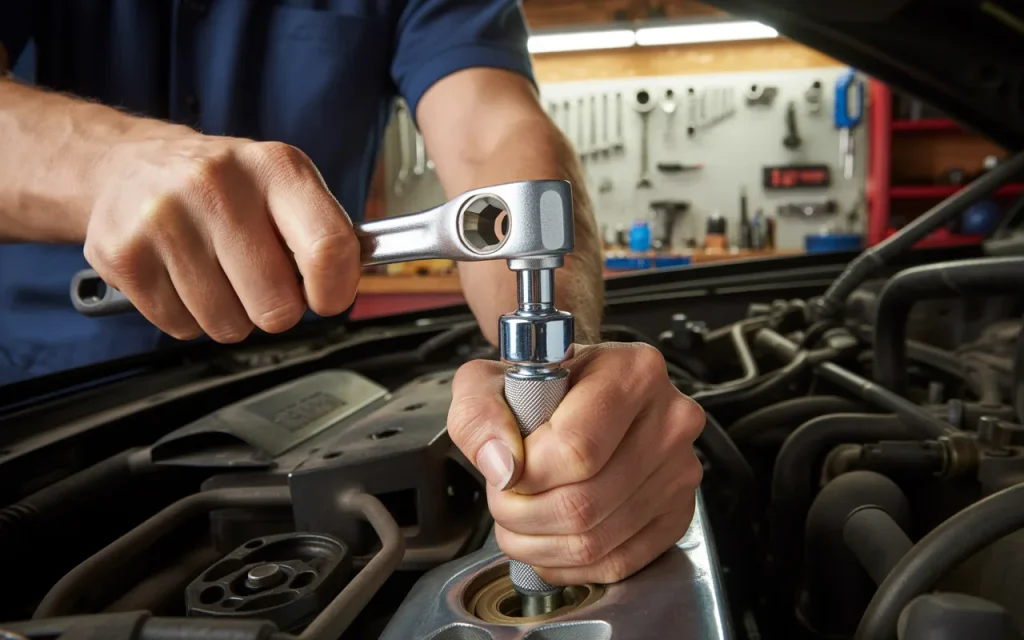
Sometimes the bolt is buried deep in an engine bay or behind a panel. That is when you use an extension bar. You attach the extension to the ratchet first, then attach the socket to the extension. This gives you extra reach while keeping the turning force at a comfortable distance.
8. Apply Steady Pressure
When you turn, use smooth, steady pressure. Jerky movements can cause the socket to slip. If a bolt feels stuck, do not force it with all your strength. Instead, try a longer ratchet handle for more leverage, or spray a penetrating oil like WD-40 on the threads and wait a few minutes.Common Mistakes and How to Avoid Them
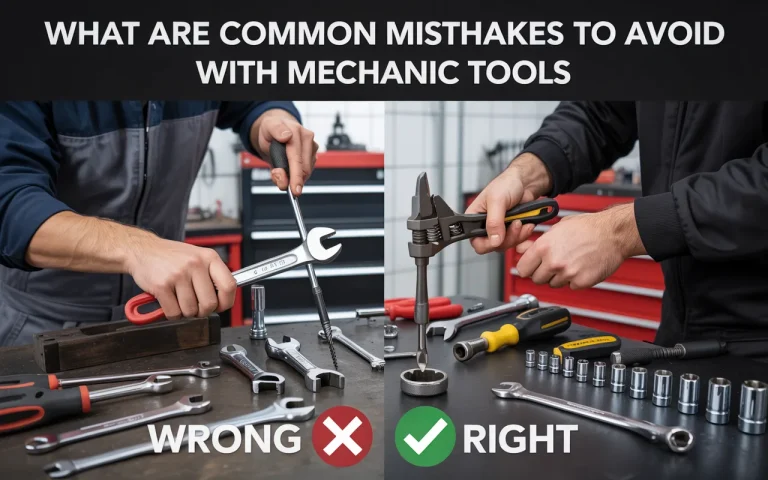
Even when you know how to use a socket wrench, it is easy to fall into bad habits. Here are some common mistakes and how to fix them.
Using the Wrong Socket Type
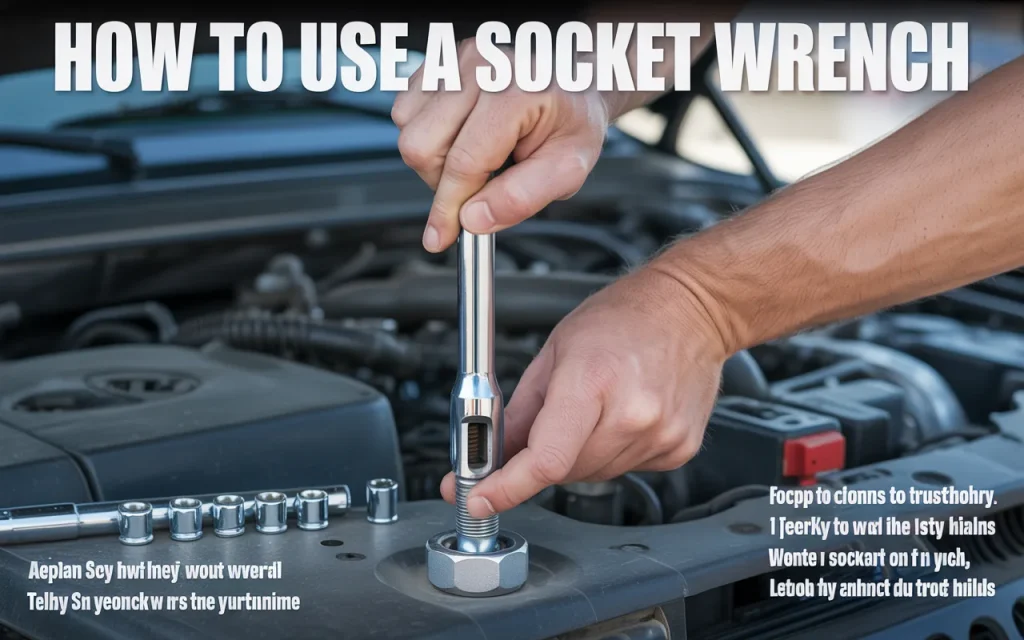
There are two main types of sockets: six-point and twelve-point. A six-point socket has six corners inside, matching the shape of a hex bolt. A twelve-point socket has twelve corners, which gives you more positions to engage the bolt.
| Socket Type | Best Use |
|---|---|
| Six-point | Best for stubborn or rusted bolts. It grips the flats of the bolt, reducing the chance of rounding. |
| Twelve-point | Good for quick work on clean, easy-to-reach bolts. Offers more angles to fit the ratchet. |
For most jobs, start with a six-point socket. It is safer for the bolt and gives you better grip.
Forcing a Socket That Does Not Fit
If you have to hammer a socket onto a bolt, it is the wrong size. This can damage both the socket and the fastener. Always use the correct size, even if it means pausing to find it.
Ignoring the Direction Lever
It sounds simple, but many people forget to check the direction switch. I have done it myself. You start cranking away, only to realize you have been tightening a bolt that you wanted to remove. Always give that lever a quick glance before you start turning.
Special Techniques for Better Results
Once you are comfortable with the basics, you can try a few techniques that make the work even easier.
Using a Breaker Bar
Sometimes a bolt is so tight that a standard ratchet will not budge it. Using a long breaker bar gives you more leverage. A breaker bar does not have a ratcheting mechanism, so it is stronger. You can loosen the bolt with the breaker bar, then switch to your ratchet to spin it out quickly.
Working with Universal Joints
A universal joint adapter lets you use a socket wrench at an angle. This is helpful when the bolt is blocked by other parts. The joint goes between the ratchet and the socket, allowing you to tilt the handle away from the obstruction.
Torque Matters
When you tighten bolts, especially on cars or machinery, there is usually a specific torque spec. Tightening too much can snap a bolt or damage parts. Tightening too little can let things come loose. A torque wrench is a special type of ratchet that clicks when you reach the correct tightness. If you work on cars, this is a must-have tool.
“Torque is not a suggestion. It is a specification. Treat it with respect, and your work will be safe and reliable.”
– Scotty Kilmer, Mechanic and YouTuber
Maintenance Tips for Your Socket Wrench
Your tools work hard for you. A little care keeps them working smoothly for years.
- Keep them clean: Wipe off dirt, grease, and grime after each use.
- Store them properly: A socket organizer or a metal case keeps sizes in order and prevents rust.
- Lubricate the ratchet: If the ratchet mechanism feels gritty, add a drop of light machine oil to the head.
- Check for wear: If a socket has rounded edges or cracks, replace it. A damaged socket can slip and cause injury.
Frequently Asked Questions
Can I use a socket wrench to loosen any bolt?
Yes, as long as you have the correct size socket and the bolt is accessible. For very tight bolts, use a breaker bar first to avoid damaging the ratchet mechanism.
What is the difference between a ratchet and a socket wrench?
They are often used interchangeably. Technically, the ratchet is the handle, and the socket wrench is the combination of the ratchet handle plus the socket.
How do I know if I need a metric or standard socket?
Check the fastener. If it came from a car made in the last 40 years, it is likely metric. Older equipment and American-made household items often use standard. When in doubt, try a metric socket first, then try a standard one if it does not fit.
Why does my socket wrench click when I turn it?
That clicking sound is the ratchet mechanism resetting. It allows you to turn the handle back without moving the fastener. It is completely normal and means the tool is working as intended.
Can I use a power tool with my sockets?
Yes, you can use impact-rated sockets with an impact driver or air wrench. However, do not use standard chrome sockets with power tools. They can crack or shatter. Impact sockets are made from tougher materials and are usually black.
Putting It All Together: A Simple Project
Let us walk through a simple project so you can see how to use a socket wrench from start to finish. Imagine you are assembling a new grill for your backyard.
- Check the instructions: Look at the bolt sizes listed. Gather the sockets you need.
- Pick your ratchet: A 3/8-inch drive is perfect for this job.
- Select the correct socket: Use a six-point socket for the main structural bolts to prevent slipping.
- Attach and set direction: Push the socket onto the ratchet. Set the lever to tighten.
- Assemble: Place the socket over each bolt, turn until snug, then give one extra quarter turn. Do not overtighten, as you might strip the threads on the grill parts.
- Check your work: Go back and make sure all fasteners are secure.
That is it. In less than an hour, you have used your socket wrench to complete a project that would have been slower and more frustrating with a traditional wrench.
Conclusion
Learning how to use a socket wrench opens up a whole new world of DIY possibilities. Whether you are fixing a loose cabinet hinge, changing a tire, or building a deck, this tool gives you speed, control, and confidence. The key is to take it slow at first. Pick the right drive size, match the socket to the bolt, set your direction, and use smooth, steady turns. Keep your tools clean, store them properly, and they will serve you for years.
The next time something breaks around your home, you do not have to call a handyman or wait for help. You already know exactly what to do. Grab your socket wrench, follow these steps, and get the job done right. There is a real sense of pride that comes from fixing things yourself. And now, you have the skill to do it.
| Quick Reference: Steps to Use a Socket Wrench |
|---|
| 1. Choose the correct drive size (1/4, 3/8, or 1/2 inch) |
| 2. Pick a socket that fits snugly on the fastener |
| 3. Attach socket to ratchet |
| 4. Set direction lever to tighten or loosen |
| 5. Place socket flat on the bolt |
| 6. Turn the handle with steady pressure |
| 7. Use extensions or universal joints for tight spaces |
| 8. Clean and store your tools after use |
Now go ahead and give it a try. Start with a small project, and you will see how quickly this skill becomes second nature. Your future self will thank you every time you breeze through a repair that used to feel impossible.