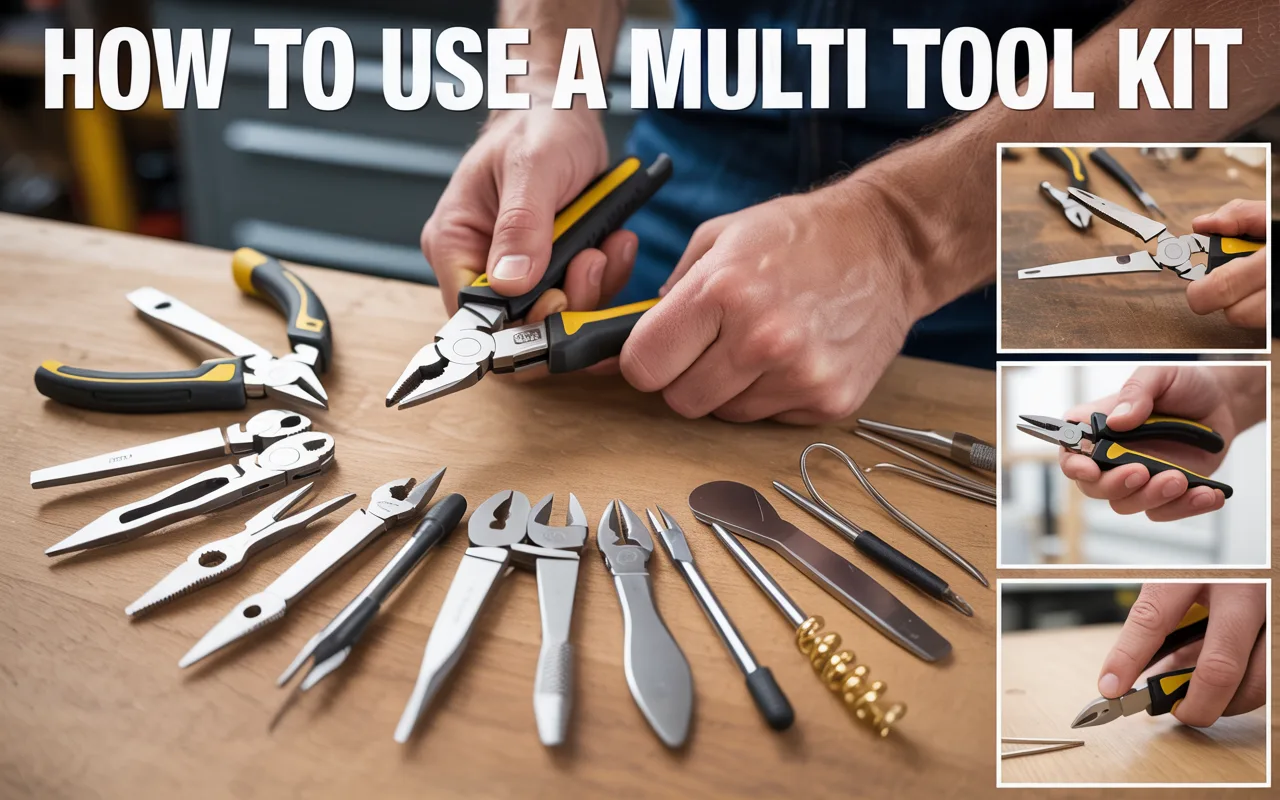
Learn exactly how to use a multi tool kit safely and effectively. This guide covers basic operations, common tools, maintenance tips, and practical applications for everyday tasks.
You just got a multi tool kit. Maybe it was a gift. Maybe you bought it for a camping trip. Or perhaps you finally decided to have one handy around the house. Now you are looking at it, and you are thinking: where do I even start?
I have been there. When I got my first multi tool, I spent ten minutes just trying to figure out how to open the pliers. It happens to everyone. The good news is that learning how to use a multi tool kit is not hard. Once you understand the basics, you will wonder how you ever lived without one.
A multi tool kit is like having a small toolbox in your pocket. It can help you fix things, open things, cut things, and tighten things. You can use it at home, at work, or outdoors. This guide will show you everything you need to know to get started.
What Is a Multi Tool Kit and Why You Need One
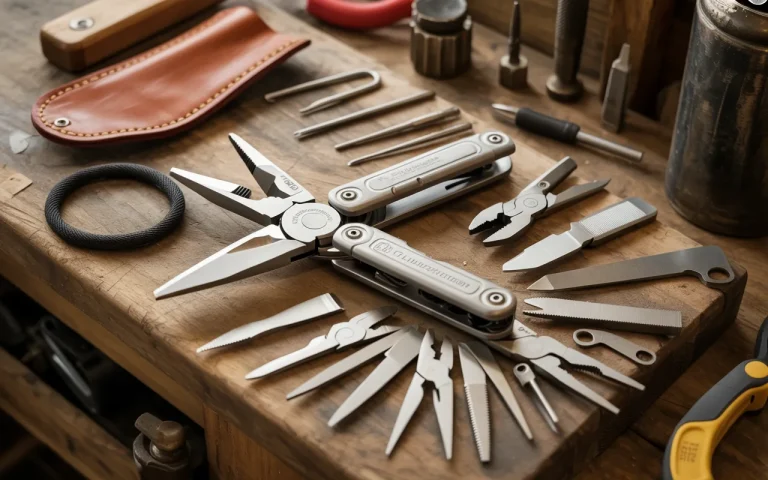
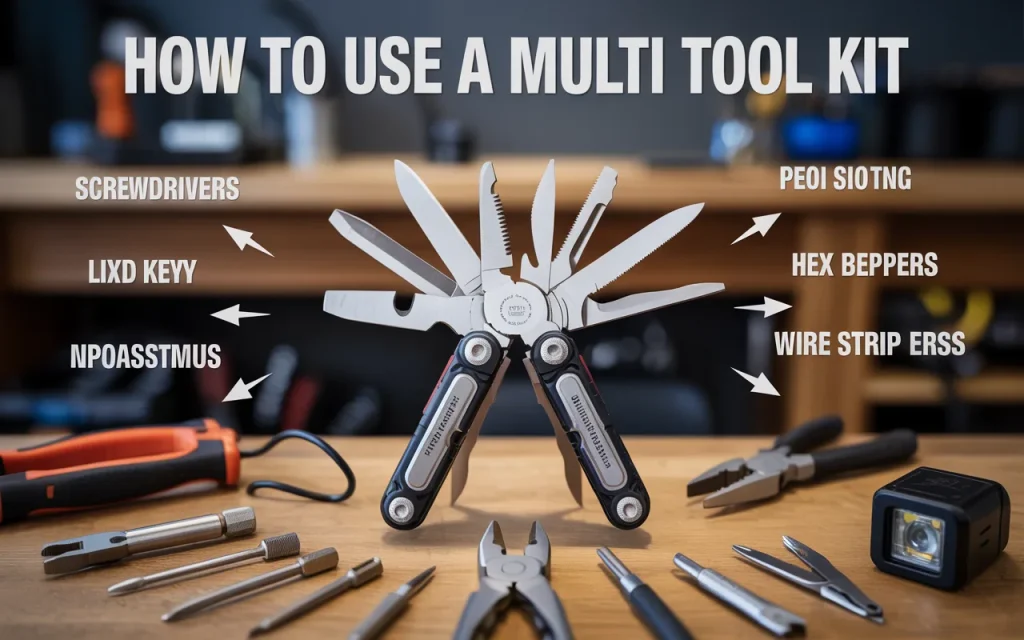
A multi tool kit combines several tools into one portable package. Most kits include pliers, knives, screwdrivers, scissors, and other useful items. They fold up small enough to carry anywhere.
The main parts of a typical multi tool kit are:
| Tool Component | Primary Use |
|---|---|
| Pliers | Gripping, bending, holding small objects |
| Knife blade | Cutting rope, opening packages, whittling |
| Screwdrivers | Tightening or loosening screws |
| Scissors | Cutting paper, thread, or small materials |
| Bottle opener | Opening beverage bottles |
| Can opener | Opening canned food |
| File | Smoothing rough edges |
When you learn how to use a multi tool kit, you gain independence. You can handle small repairs yourself. You do not need to wait for help. You do not need to find a specific tool. It is all right there in your hand.
Getting Started: Safety First
Before you start using any tool, you need to think about safety. Multi tools are sharp and strong. They can hurt you if you are not careful.
Always open your multi tool away from your body. Check that your fingers are not in the way. When you close it, watch where your skin is. The folding mechanism can pinch you.
Sarah Jenkins, a camping safety instructor, says: “The most common injuries with multi tools come from rushing. Take those extra two seconds to open the tool properly and position your hands safely. It makes all the difference.”
Keep your multi tool clean and dry. Dirt can make the locking mechanisms stick. Moisture can cause rust. A clean tool is a safe tool.
Understanding Your Multi Tool Components
Every multi tool kit is a little different. But most share common features. Let us look at what you will find and how to use each part.
Pliers: The Workhorse
Pliers are often the main tool. They are strong and useful. You can use them to hold things firmly. You can grip small objects that your fingers cannot hold. You can bend wire or thin metal.
To use the pliers, open the tool fully. The pliers will be at the end. Squeeze the handles to close the jaws. The harder you squeeze, the tighter the grip.
Many pliers have wire cutters near the pivot point. These can cut through thin wire, fishing line, or small nails. Place the wire deep into the cutter area, not at the tip.
Knife Blades: Sharp and Useful
The knife blade is probably the tool you will use most. It cuts rope, opens packages, and slices food when camping.
Most multi tools have a locking blade. This means the blade locks open so it cannot fold shut while you use it. To unlock it, you press a small lever. Always check that the blade is locked before you cut.
Keep the blade sharp. A dull blade is more dangerous than a sharp one. You push harder with a dull blade, and it can slip.
Screwdrivers: Flat and Phillips
Screwdrivers come in two main types. Flat head screws have one straight slot. Phillips screws have a plus sign shape. Your multi tool likely has both.
Match the screwdriver to the screw. If it does not fit well, do not force it. You can damage the screw or the tool.
To use a screwdriver, place the tip firmly into the screw head. Turn clockwise to tighten. Turn counterclockwise to loosen. Keep the tool straight so it does not slip out.
Scissors: For Precise Cuts
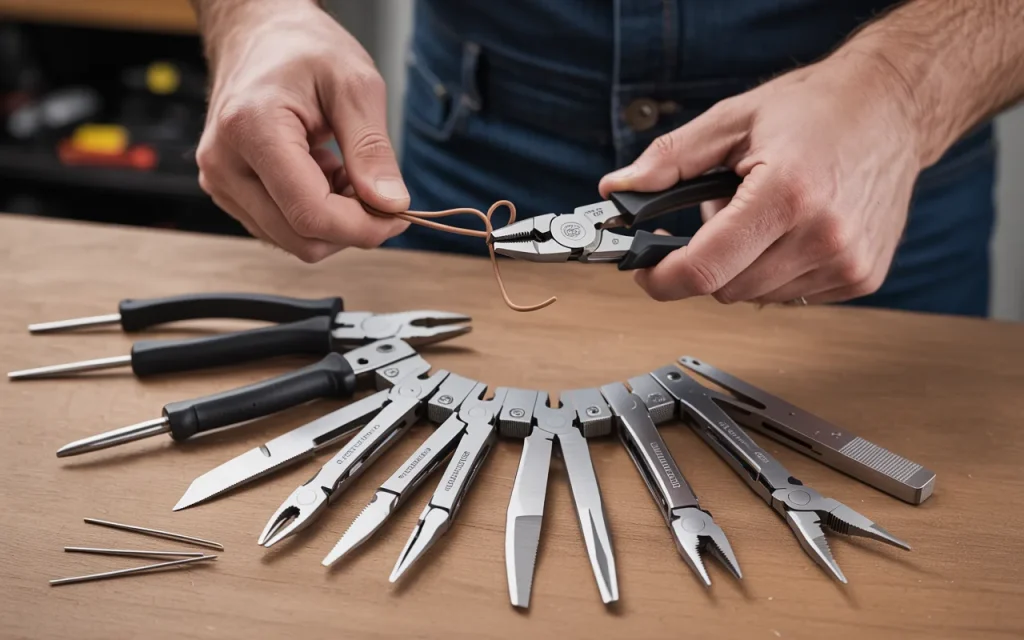
Scissors on a multi tool are smaller than regular scissors. They work well for cutting paper, thread, or thin materials.
Open the scissors fully. Place the material between the blades. Squeeze the handles. The spring will open them again for the next cut.
Michael Torres, a professional handyman, shares this advice: “People often try to cut things that are too thick with multi tool scissors. Know their limits. If you have to force it, use the knife instead.”
How to Use a Multi Tool Kit for Common Tasks
Now that you know the parts, let us look at real situations. Here is how to use your multi tool for everyday jobs.
Opening Packages and Boxes
This is the most common task. You get a delivery. You need to open the box. Grab your multi tool.
Open the knife blade. Check that it is locked. Cut the tape along the seams. Be careful not to cut too deep. You do not want to damage what is inside.
For plastic clamshell packages, use the tip of the blade to start a cut. Then slide the blade along the edge. Go slow. Those packages are tough and can make the blade slip.
Tightening Loose Screws
Things get loose over time. Cabinet handles. Door hinges. Eyeglasses. Your multi tool can fix this.
Open the correct screwdriver. Fit it into the screw head. Turn clockwise until it feels snug. Do not overtighten. You can strip the screw or crack the material.
Cutting Rope or Cord
Whether you are camping or just tying up plants in the garden, you will need to cut rope.
Open the knife blade. Place the rope on a flat surface if possible. Cut with a sawing motion. Do not push straight down. Let the blade do the work.
For thicker rope, you might need several passes. Cut a little, then cut again. Be patient.
Opening Bottles and Cans
At a picnic or campsite, your multi tool becomes very useful.
For bottles, use the bottle opener. Hook it under the bottle cap. Pull up gently. The cap should pop off.
For cans, use the can opener. Follow the instructions for your specific model. Most work by piercing the can and then cutting around the edge. Go slowly to get a clean opening.
Advanced Uses for Your Multi Tool Kit
Once you are comfortable with basic tasks, you can try more things. A multi tool kit can help in many situations.
Emergency Repairs
Things break when you least expect it. A strap on your backpack snaps. A tent pole breaks. A button falls off.
Use the pliers to hold small parts. Use the file to smooth rough edges. Use the screwdrivers to remove broken pieces. Your multi tool lets you fix things on the spot.
Outdoor and Camping Tasks
When you are away from home, your multi tool is essential. You can prepare food, fix gear, and handle small emergencies.
Use the awl (a pointed tool for making holes) if your multi tool has one. It can poke holes in leather or canvas. It can start a hole for sewing repairs.
Use the saw blade on some models to cut small branches. This can help clear a path or get firewood.
Fine Work and Adjustments
Sometimes you need to do delicate work. Adjusting glasses. Fixing a child’s toy. Working on electronics.
The small screwdrivers on a multi tool are perfect for this. They give you control. You can reach into tight spaces. Just be gentle. Electronics parts are fragile.
Maintaining Your Multi Tool Kit
A good multi tool can last for years. But it needs care. Here is how to keep it working well.
Cleaning After Use
Dirt and debris get into the joints. This makes the tool hard to open and close.
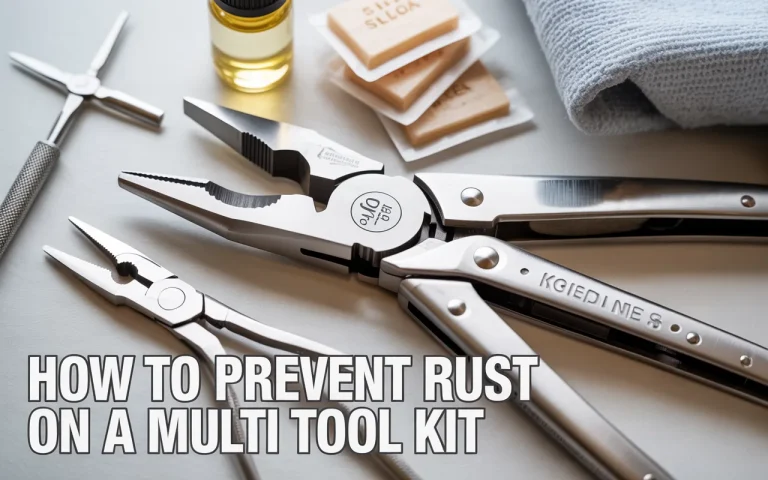
Wipe your tool after each use. Use a dry cloth. If it is very dirty, rinse it with water. Dry it completely right away. Moisture causes rust.
For sticky mechanisms, use compressed air to blow out dust. You can also use a toothbrush to scrub gently.
Lubricating Moving Parts
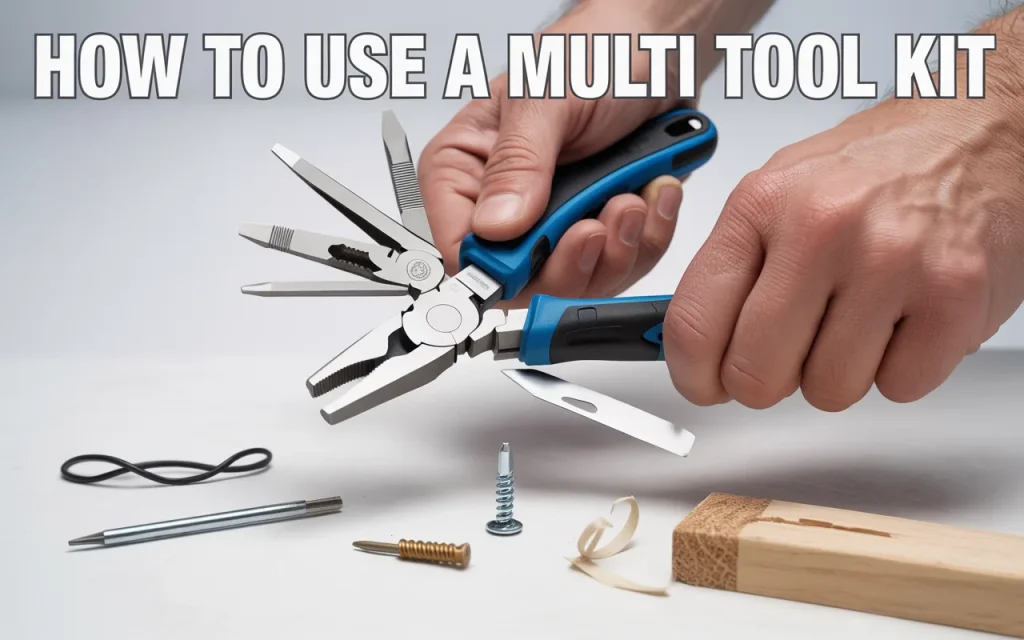
Moving parts need oil. This keeps them smooth and prevents rust.
Use a light machine oil. Put a small drop on each pivot point. Open and close the tool several times. Wipe away extra oil.
Do this every few months. Do it more often if you use the tool in wet or dusty conditions.
Sharpening the Blade
A sharp blade is safe and effective. A dull blade is dangerous.
Use a sharpening stone or a specialized tool sharpener. Follow the original angle of the blade. Push the blade across the stone in one direction. Do not scrub back and forth.
Test sharpness on a piece of paper. A sharp blade will cut cleanly.
Storage Tips
Store your multi tool in a dry place. A pocket or a bag is fine. Just keep it away from moisture.
Some multi tools come with a sheath. Use it. It protects the tool and protects you from the blade.
Do not leave your tool in extreme heat or cold. Very high heat can damage the locks and springs.
Common Mistakes to Avoid
Everyone makes mistakes when they start. Here are common ones to watch out for.
Using the Wrong Tool for the Job
Each tool has a purpose. Do not use the knife as a screwdriver. Do not use the pliers to hammer things. This damages the tool and can hurt you.
If you are not sure which tool to use, stop and think. Look at each option. Pick the one that fits best.
Applying Too Much Force
Multi tools are strong, but they are not unlimited. If something is stuck, forcing it can break the tool.
Try a different approach. Use penetrating oil on rusted parts. Tap gently with a small hammer if needed. But do not force the multi tool beyond its limits.
Neglecting Safety
It is easy to get comfortable with a tool. But comfort can lead to carelessness.
Always pay attention to where your fingers are. Always check that blades are locked. Always cut away from your body. These habits keep you safe.
Linda Garcia, an emergency room nurse, offers this reminder: “I see hand injuries from folding tools every summer. Most could be prevented with basic attention. Respect the tool, and it will serve you well.”
Choosing the Right Multi Tool Kit for Your Needs
If you do not have a multi tool yet, or if you want another one, here is what to consider.
Consider Your Main Activities
What will you use it for? Camping? Home repairs? Work? Different activities need different tools.
For camping, look for a tool with a saw and can opener. For general home use, make sure you have good screwdrivers and pliers. For work, consider what you fix most often.
Quality Matters
A cheap multi tool might break when you need it most. Look for trusted brands. Read reviews. A good tool costs more, but it lasts longer.
Check the steel quality. Better steel holds an edge longer. It resists rust better. It does not bend under pressure.
Size and Weight
Bigger tools have more features. But they are heavier. They might not fit well in your pocket.
Think about where you will carry it. If it goes in your pocket every day, smaller is better. If it stays in your bag or car, size matters less.
Practical Exercises to Build Skill
The best way to learn is to practice. Here are simple exercises to build your confidence.
Exercise 1: Open and Close Everything
Sit down with your multi tool. Open every tool one by one. Close each one. Learn how the locks work. Feel how they click into place.
Do this until it feels natural. You should be able to open the pliers without looking.
Exercise 2: Cut Some Rope
Get a piece of old rope. Practice cutting it with the knife. Try different angles. See how much pressure you need.
Then try the scissors on thinner cord. Notice the difference.
Exercise 3: Tighten and Loosen
Find some screws around your house. Use your multi tool to check if they are tight. If they are loose, tighten them. If they are tight, loosen them a little and then tighten again.
This builds muscle memory. You learn how the screwdriver feels when it fits right.
Exercise 4: Open a Few Bottles
Buy some bottled drinks. Open them with your multi tool. It takes practice to get the motion right. Practice when you do not need the drink right away.
Frequently Asked Questions
Is it legal to carry a multi tool?
Laws vary by location. In many places, multi tools are legal for everyday carry. But some areas restrict blade length. Check your local laws before carrying one in public.
How do I clean a rusty multi tool?
Use a rust remover or white vinegar. Soak the rusty parts. Scrub with a brush. Rinse and dry completely. Then oil all moving parts.
Can I take a multi tool on an airplane?
No. Multi tools are not allowed in carry-on luggage. You must pack them in checked baggage. Rules are strict about blades on planes.
How often should I sharpen the blade?
Sharpen when it feels dull. For regular use, maybe once or twice a year. If you use it heavily, sharpen more often.
What if a tool gets stuck?
Apply penetrating oil. Let it sit. Gently work the tool back and forth. If it stays stuck, check for debris. Do not force it.
Can I use my multi tool for cooking?
Yes, for camping. Many people use them to prepare food outdoors. Just clean the tool well before and after food use.
How do I know which screwdriver to use?
Look at the screw head. If it has one line, use flat head. If it has a plus sign, use Phillips. The right size should fit snugly without wobbling.
My scissors are not cutting well. What should I do?
They might be dull or dirty. Clean them first. Check for debris in the joint. If they are still dull, they may need sharpening by a professional.
Conclusion
Learning how to use a multi tool kit opens up a world of self-reliance. You can handle small problems yourself. You can help others. You are prepared for unexpected situations.
Start with the basics. Practice opening and closing each tool. Try simple tasks around the house. Take your multi tool on your next outing. The more you use it, the more natural it becomes.
Remember the safety rules. Keep your tool clean and oiled. Respect the sharp edges. With proper care, your multi tool will serve you for many years.
Every person who carries a multi tool has a story about the time it saved the day. Maybe you will fix a broken toy for a child. Maybe you will open a difficult package. Maybe you will help a stranger with a loose screw. These small moments add up.
Your multi tool is more than just a gadget. It is a way to be helpful, capable, and ready. Now you know how to use it. Go ahead and try it out. You might be surprised at how often you reach for it.