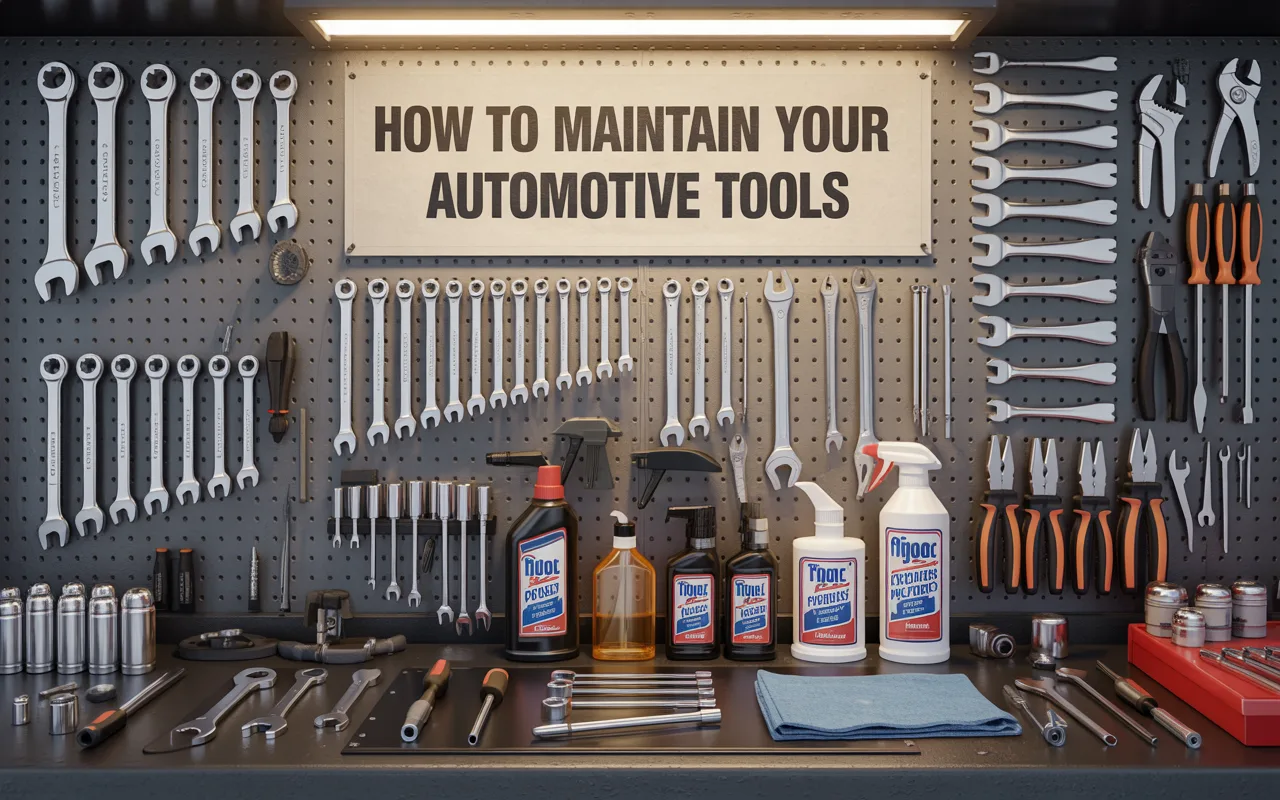
Learn the right way to maintain your automotive tools with this simple guide. We cover cleaning, storage, rust prevention, and battery care to keep your gear working great for years.
If you work on cars, you know that tools are like friends. They help you get the job done. But just like friends, they need some care too. When you maintain your automotive tools the right way, they last longer and work better. You also stay safer. A clean wrench grips better. A sharp screwdriver does not slip. A well-kept tool box makes your work easier and faster.
I have been fixing cars for over fifteen years. In the beginning, I did not take good care of my tools. I left them outside. I threw them in a box. They got rusty and broken. I had to buy new ones all the time. That cost me a lot of money. Now I know better. I want to help you learn from my mistakes.
This guide will show you exactly how to maintain your automotive tools step by step. We will talk about cleaning, storage, rust, and more. By the end, you will have tools that work like new for a long time.
Clean Your Tools After Every Use
Dirt and grease are the enemies of good tools. When you use a wrench or socket, it gets covered in oil, grease, and grime. If you leave that stuff on there, it can cause problems. Dirt can scratch the metal. Grease can trap water. That water can start rust.
“Clean tools are happy tools. A few minutes of wiping after each job can add years to your equipment’s life.” – Mark Henderson, Master Mechanic
Here is how to clean them right:
Step 1: Wipe them down right after you finish. Use a clean rag or shop towel. Get all the grease off.
Step 2: For sticky tools, use a little degreaser. Spray it on and wipe it off.
Step 3: If tools are very dirty, wash them with soap and water. Dry them right away.
Step 4: For air tools like impact wrenches, be careful with water. Just wipe the outside.
Make this a habit. When you are done working, spend five minutes cleaning up. Your future self will thank you.
Store Tools in a Dry Place
Where you keep your tools matters a lot. Water causes rust. Rust ruins tools. So you need a dry spot.
A tool box or chest is best. It keeps dust and water away. It also keeps things organized. You can find what you need fast.
If you work in a garage that gets damp, think about a dehumidifier. Some people put silica gel packs in their tool boxes. These little packs soak up moisture from the air.
Never leave tools on the floor. The floor is often wet or dirty. Tools on the floor can get stepped on or lost. They can also get rusty from moisture.
Hang larger tools on pegboards. Keep them off the ground. This also helps you see what you have.
Keep Rust Away from Your Tools
Rust is the number one problem for metal tools. Once rust starts, it spreads. It makes tools weak and ugly. It can ruin sockets and wrenches.
Here is a table showing simple ways to stop rust:
| Method | What It Does | How Often |
|---|---|---|
| Light oil coating | Blocks air and water from metal | After each cleaning |
| Silica gel packs | Soaks moisture in tool box | Replace every few months |
| Rust inhibitor spray | Creates protective layer | Once a month or after wet use |
| Keep tools dry | Prevents rust from starting | Every time you put them away |
If you see rust starting, do not ignore it. Use fine steel wool or a wire brush to rub it off. Then put on a little oil. That stops it from coming back.
“Rust never sleeps. Check your tools often and deal with any spots right away. It takes five minutes now versus buying new tools later.” – Diane Foster, Auto Shop Owner
Oil Moving Parts on Tools
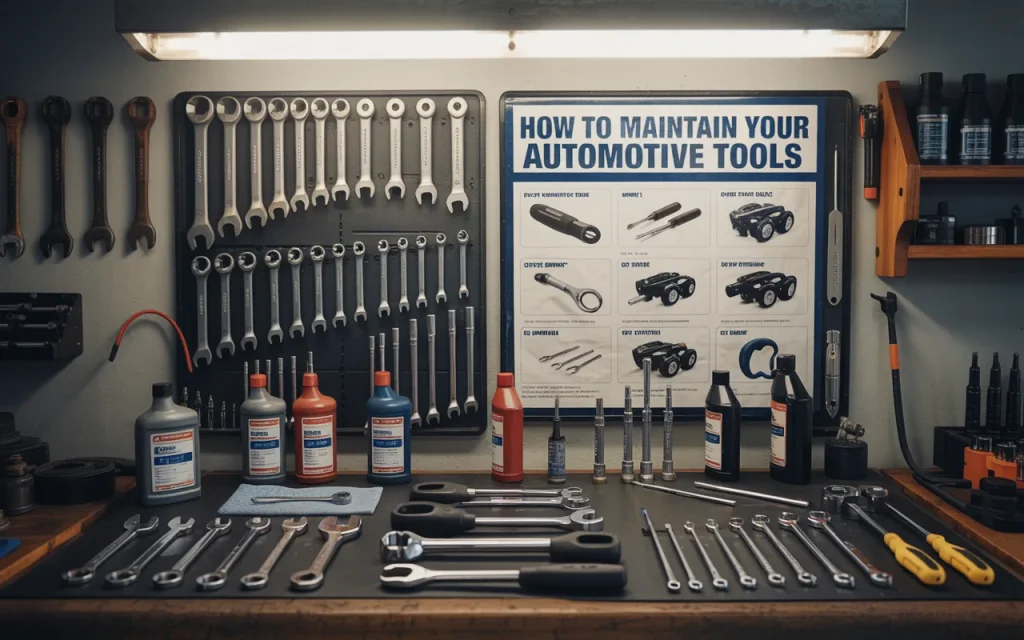
Some tools have parts that move. Pliers have a joint. Ratchets have gears inside. Scissors have a pivot. These parts need oil to work smooth.
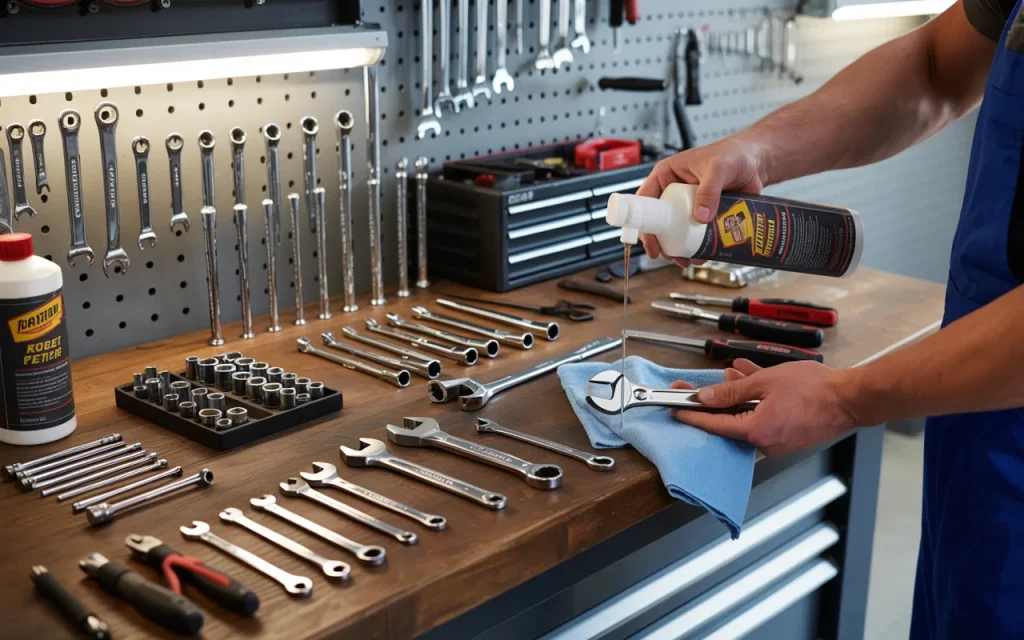
Use a light machine oil. Put one small drop on the moving part. Then move it back and forth. This spreads the oil inside.
For ratchets, open them up sometimes. Clean out the old grease. Put in new grease. This keeps them clicking smooth and strong.
Do this every few months. If you use tools every day, do it more often.
Check Cords and Air Hoses
Power tools need special care. The cords and hoses are the most common parts to break.
For electric tools:
- Look at the cord before each use. Check for cuts or bare wires.
- Do not pull on the cord to unplug it. Pull the plug itself.
- Wrap cords loosely when storing. Do not wrap tight around the tool.
- Keep cords away from heat and sharp edges.
For air tools:
- Check air hoses for cracks.
- Make sure fittings are tight.
- Drain water from the air compressor tank.
- Put a few drops of air tool oil in the tool before use.
Taking care of these parts keeps you safe. It also makes tools last longer.
Keep Cutting Tools Sharp
Screwdrivers, chisels, and knives need to be sharp. Dull tools are dangerous. They slip more. You have to push harder. That can lead to accidents.
Here is how to care for cutting tools:
Screwdrivers: The tip can get rounded. Use a file to fix the shape. Grind it flat again.
Chisels and punches: Keep the ends smooth. If they get mushroomed on top, grind them down. Those rough edges can fly off and hurt you.
Scissors and cutters: Sharpen them with a stone or file. Follow the same angle as the factory edge.
Sharp tools work better and feel safer in your hand.
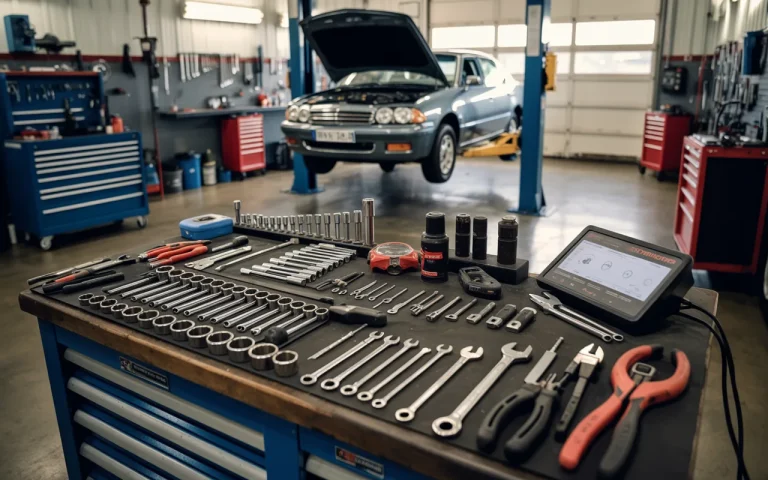
Organize Your Tool Box
A messy tool box is hard to work with. You waste time looking for things. Tools can bang into each other and get damaged.
Take time to organize. Put sockets on rails or clips. Keep wrenches in order by size. Put screwdrivers in a stand or roll.
You can use foam to make cutouts for each tool. This is called shadow boxing. It shows you right away if a tool is missing.
Here is a simple table for organizing:
| Tool Type | Best Storage Method |
|---|---|
| Sockets | Clip rails or socket trays |
| Wrenches | Hang on hooks or lay in drawers with dividers |
| Screwdrivers | Stand in a holder or roll in a pouch |
| Pliers | Lay flat in drawers with separators |
| Power tools | Keep in cases or on shelves |
When everything has a home, you spend less time searching. You also notice faster if something is lost or broken.
Take Care of Battery Tools
Cordless tools are great. But the batteries need special care. Batteries cost a lot to replace. Treat them right and they last years.
Do not let batteries sit dead for a long time. Charge them up after use. But do not leave them on the charger forever. Take them off when full.
Store batteries in a cool place. Not too hot and not too cold. Hot garages in summer are bad for batteries. Bring them inside if you can.
If you do not use a tool for months, charge the battery halfway. Take it off the tool. Check it every few months and charge if low.
“Batteries are the heart of modern tools. Give them the same care you give your phone battery. They will serve you well for years.” – Carlos Mendez, Automotive Instructor
Fix Small Problems Fast
When you notice something wrong, fix it right away. A loose handle. A wobbly socket. A cracked grip. These small problems get bigger over time.
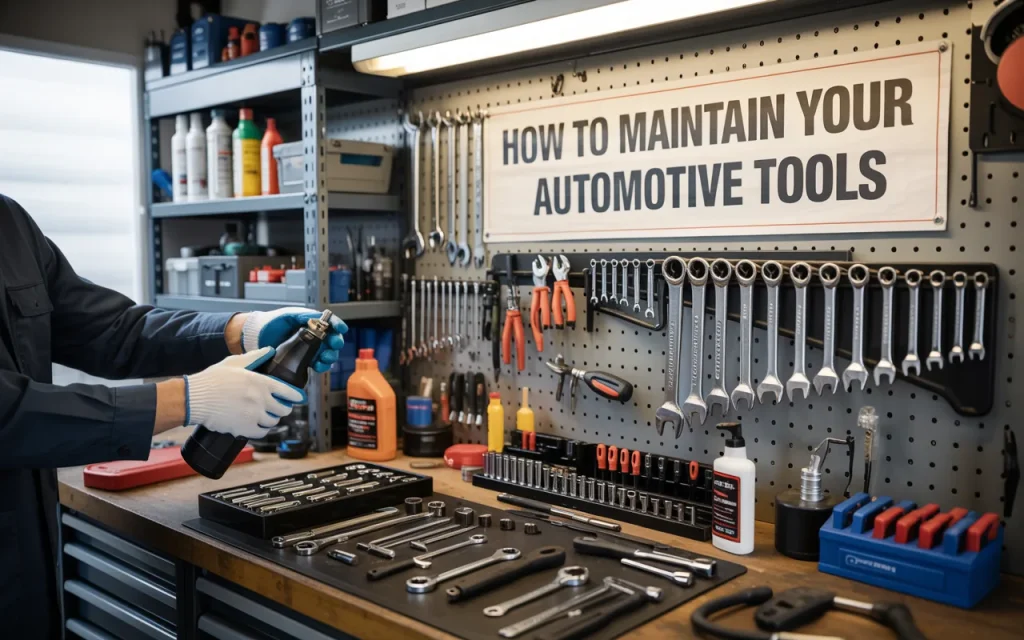
Tighten loose screws on pliers or cutters. Replace cracked handles. If a tool is bent, try to bend it back. If it breaks, decide if it can be welded.
Some tools have warranties. Check the brand. You might get a free replacement.
Fixing things fast saves money. It also keeps your tools ready for the next job.
Use Tools the Right Way
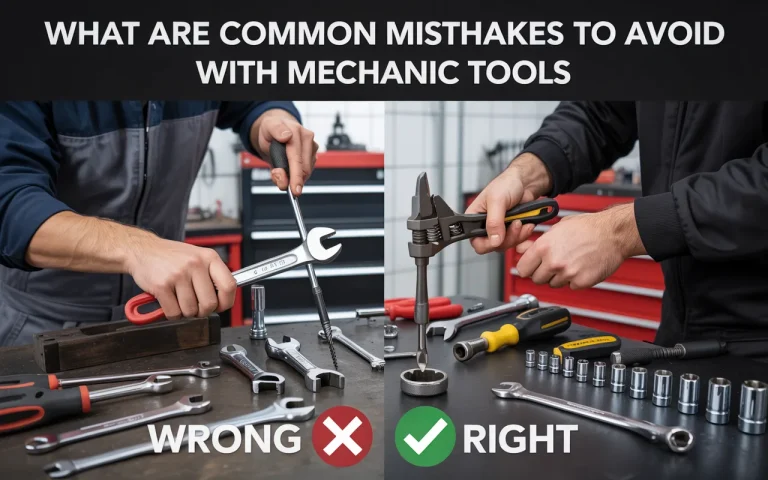
This might seem simple. But using a tool wrong breaks it faster. A wrench is not a hammer. A screwdriver is not a pry bar.
Match the tool to the job. Use the right size socket. Do not put a pipe on a wrench for more leverage unless it is made for that. That can snap the tool.
When you use tools correctly, they stay straight and true. They do not get bent or broken.
Read the instructions for power tools. They tell you how to use them safe. They also tell you how to care for them.
Clean Your Work Area
Your tools live in your garage or shop. Keep that place clean. Sweep the floors. Wipe down benches. Put tools away when done.
A clean shop is a safe shop. You do not trip over things. You do not lose tools in piles of stuff. You can see problems like oil leaks or water on the floor.
Make a habit of cleaning up at the end of each day. It takes ten minutes. It makes the next day start better.
Check Tools for Wear
Look at your tools now and then. Check for wear and damage. This is like a doctor checkup for your tools.
Look at:
- Ratchets: Do they skip or slip?
- Wrenches: Are the jaws stretched?
- Sockets: Are the edges rounded?
- Pliers: Do they grip tight?
- Screwdrivers: Is the tip worn?
If tools are worn out, replace them. Worn tools can damage bolts. They can slip and hurt you.
Protect Tools from Weather
If you work outside sometimes, weather can hurt tools. Rain and sun are both bad.
Do not leave tools in the sun all day. Heat can warp plastic handles. UV rays make rubber grips hard and crack.
If you get caught in rain, dry tools right away. Do not put them away wet. Spread them out to dry first.
For tools that go in the truck, have a separate set. Keep your good ones safe in the shop. Use older ones for roadside work.
Teach Others to Care for Tools
If you share tools, teach others how to treat them. Show them where things go. Tell them to clean up after use.
Put up a simple sign if needed. “Clean tools before putting away” or “Ask before borrowing.” This helps everyone remember.
When people know the rules, they follow them. Your tools stay nicer longer.
Make a Tool Care Schedule
It helps to have a plan. You do not need to do everything every day. But regular care keeps things nice.
Here is a simple schedule:
After each job: Wipe tools clean. Put them away.
Every week: Look over tools as you use them. Check for damage.
Every month: Oil moving parts. Check batteries. Look for rust.
Every season: Clean out the whole tool box. Organize everything. Throw away broken stuff.
Having a schedule makes it easy. You do not forget.
Buy Quality Tools That Last
Good tools are worth the money. Cheap tools break faster. They do not hold up to work.
Quality tools often have better steel. They fit bolts better. They feel good in your hand.
You do not need to buy the most expensive. But buy the best you can afford. They will last longer with proper care.
Some good brands have lifetime warranties. Keep your receipts or register online. If a tool breaks, you can get a new one free.
Frequently Asked Questions
How often should I clean my tools?
Clean them after every use. A quick wipe down takes one minute. Deep clean them once a month or when very dirty.
What is the best way to stop rust?
Keep tools dry. Put a light coat of oil on metal parts. Store them in a dry toolbox with silica gel packs.
Can I use WD-40 to protect tools?
WD-40 is good for cleaning and displacing water. But it does not last long as a rust protector. Use a light machine oil for longer protection.
Should I oil my ratchet?
Yes. Open it up sometimes. Clean out old grease. Put in new grease. This keeps it working smooth.
How do I store power tools?
Keep them in their cases if possible. Wrap cords loosely. Store in a dry place. Take batteries out if not using for a while.
What do I do with rusty tools?
Rub rust off with steel wool or a wire brush. Then put oil on the metal. If rust is very bad, use a rust remover product.
How long do quality tools last?
With good care, quality tools can last a lifetime. Many mechanics use tools that are 30 or 40 years old and still work great.
Is it worth fixing broken tools?
Sometimes yes. If the tool is good quality, fix it. Check for warranties first. For cheap tools, it might cost more to fix than replace.
Conclusion
Taking care of your tools is not hard. It just takes a little time and attention. Clean them after use. Keep them dry. Oil moving parts. Store them right. Check for problems early.
When you maintain your automotive tools the right way, they last longer and work better. You save money on replacements. You work faster because tools are ready. You stay safer because tools work right.
Start today. Take five minutes to wipe down your most used tools. Look them over. See if anything needs oil or sharpening. Make it a habit.
Your tools do the work. Take care of them and they will take care of you. Happy wrenching.