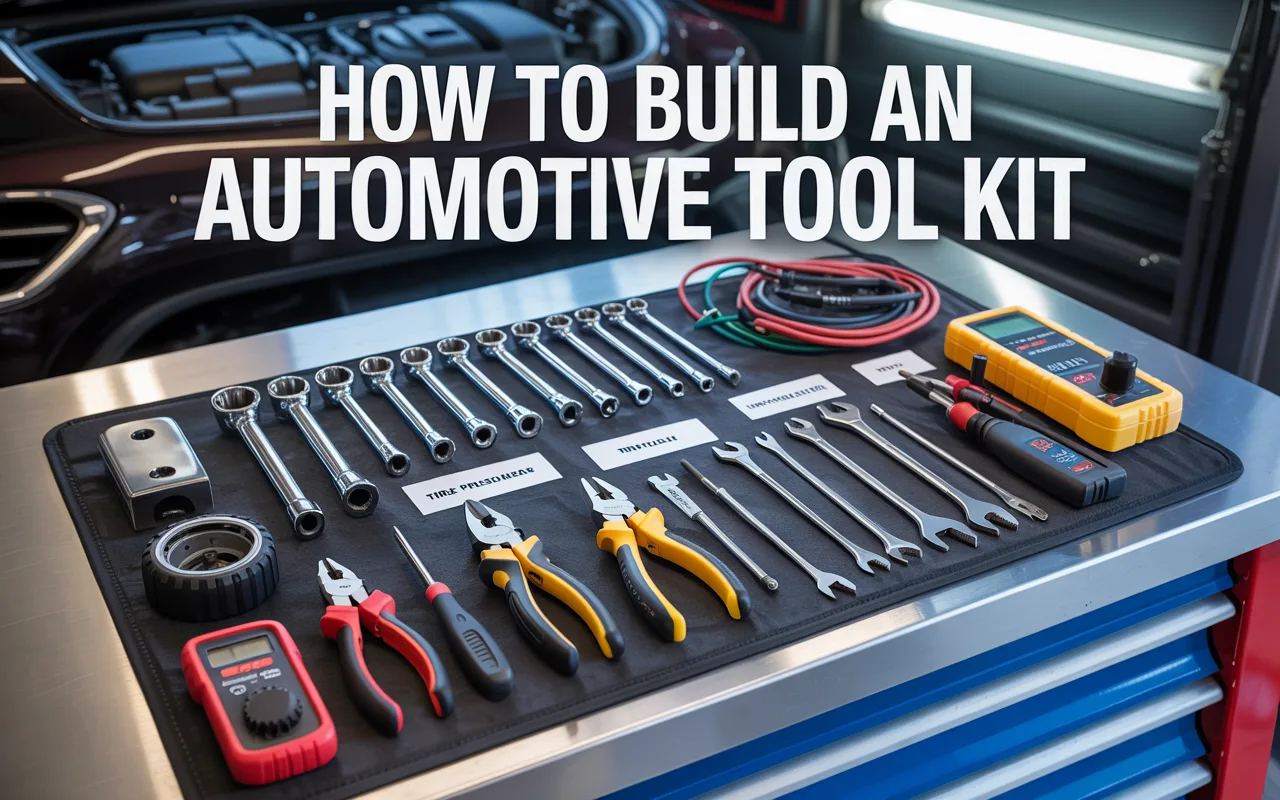
Learn how to build an automotive tool kit for everyday car care, roadside fixes, and basic repairs using practical tools that save time, stress, and money.
Building your own automotive tool kit is one of the smartest things a car owner can do. Whether you drive daily, travel long distances, or simply want more control over basic maintenance, having the right tools nearby makes a real difference. Knowing how to build an automotive tool kit gives you confidence during unexpected breakdowns, helps you handle small repairs at home, and reduces reliance on last minute help for simple issues.
A good tool kit is not about owning every tool available. It is about choosing tools that match real world needs, common vehicle tasks, and your level of experience. Many drivers overbuy tools they never use or underprepare and end up stuck during minor problems. This guide focuses on balance, practicality, and long term value so you can build an automotive tool kit that actually works for you.
Before tools are chosen, it helps to understand what role the kit will play in your life. Some people need basic roadside coverage, others want to handle maintenance at home, and some enjoy light mechanical work on weekends. This article covers all of those angles in a clear, friendly way, without confusion or hype.
“The best tool you can have is the one you know how to use.”
Carroll Shelby
Why a well planned automotive tool kit matters
A car is a machine with many moving parts, and small issues can show up without warning. A loose battery terminal, low tire pressure, or worn wiper blade can quickly turn into an inconvenience or safety risk. When these situations happen, having tools ready saves time and stress.
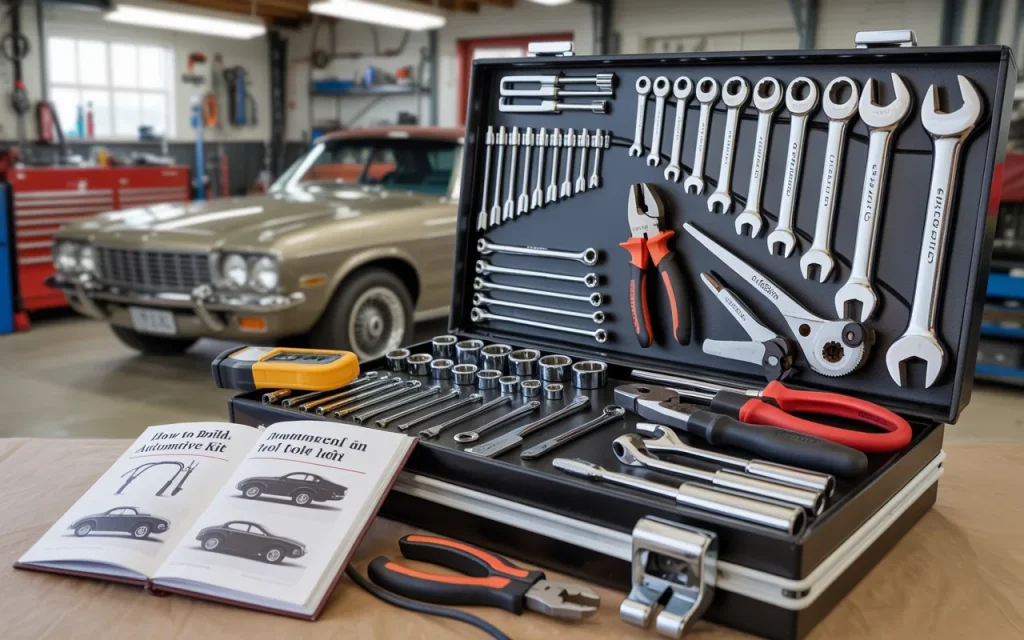
Learning to build an automotive tool kit is also about independence. You no longer have to wait for help just to tighten a bolt or check fluid levels. Over time, this skill builds awareness of how your vehicle behaves and what it needs. That awareness often leads to better maintenance habits and fewer expensive surprises.
Another important reason is cost control. Many basic tasks such as replacing air filters, battery terminals, spark plugs, or fuses do not require advanced skills or expensive equipment. With the right tools, these jobs can be done at home, saving labor costs while improving your confidence.
A well planned kit also improves safety. Simple tools can help you secure loose parts, change a flat tire correctly, or avoid driving with a minor fault that could worsen. Instead of guessing or ignoring warning signs, you can act calmly and responsibly.
Core hand tools every driver should own
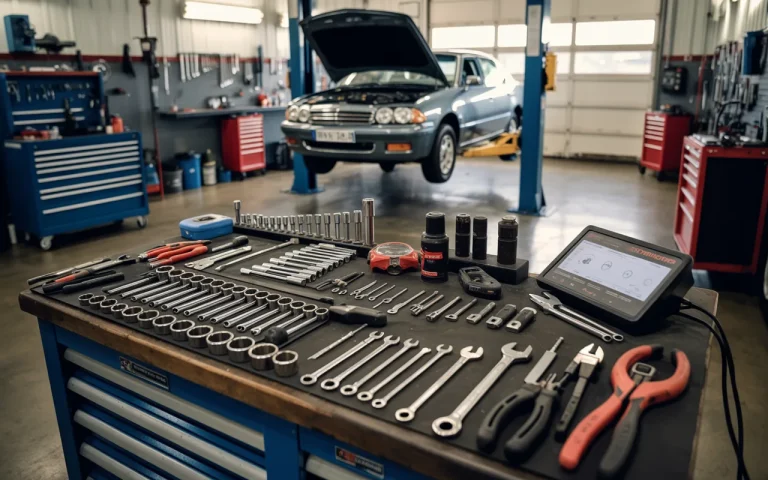
The foundation of any automotive tool kit is a solid set of hand tools. These are the tools you will use most often for inspections, adjustments, and simple repairs. Quality matters more than quantity here. A few well made tools will outlast a box of cheap ones.
| Tool | Purpose | Why it matters |
|---|---|---|
| Socket set | Tightening and loosening bolts | Fits most fasteners on modern vehicles |
| Combination wrenches | Reaching tight spaces | Useful where sockets cannot fit |
| Screwdrivers | Panels and clamps | Essential for interior and exterior tasks |
| Pliers | Gripping and bending | Helpful for hoses and clips |
| Adjustable wrench | Odd sized fasteners | Adds flexibility without extra tools |
When you build an automotive tool kit, focus on metric sizes first. Most modern vehicles use metric fasteners, even in regions where imperial tools are common. A socket set with both shallow and deep sockets gives more coverage and reduces frustration.
Choose tools with comfortable grips and clear size markings. During roadside work or low light conditions, usability matters more than appearance. Avoid overly large sets with rarely used pieces. A clean, simple selection encourages regular use and proper storage.
This core group of tools allows you to handle battery work, tighten engine covers, adjust clamps, replace bulbs, and perform many inspections safely.
Specialty tools for deeper vehicle work
Once the basics are covered, specialty tools add capability for more specific tasks. These tools are not used every day, but they become invaluable when needed. Selecting them carefully prevents wasted money and clutter.
| Tool | Use case | Skill level |
|---|---|---|
| Torque wrench | Proper bolt tightening | Beginner friendly |
| Tire pressure gauge | Tire safety checks | Very easy |
| OBD2 scanner | Reading fault codes | Beginner to intermediate |
| Jack and stands | Wheel and brake work | Intermediate |
| Breaker bar | Stuck fasteners | Intermediate |
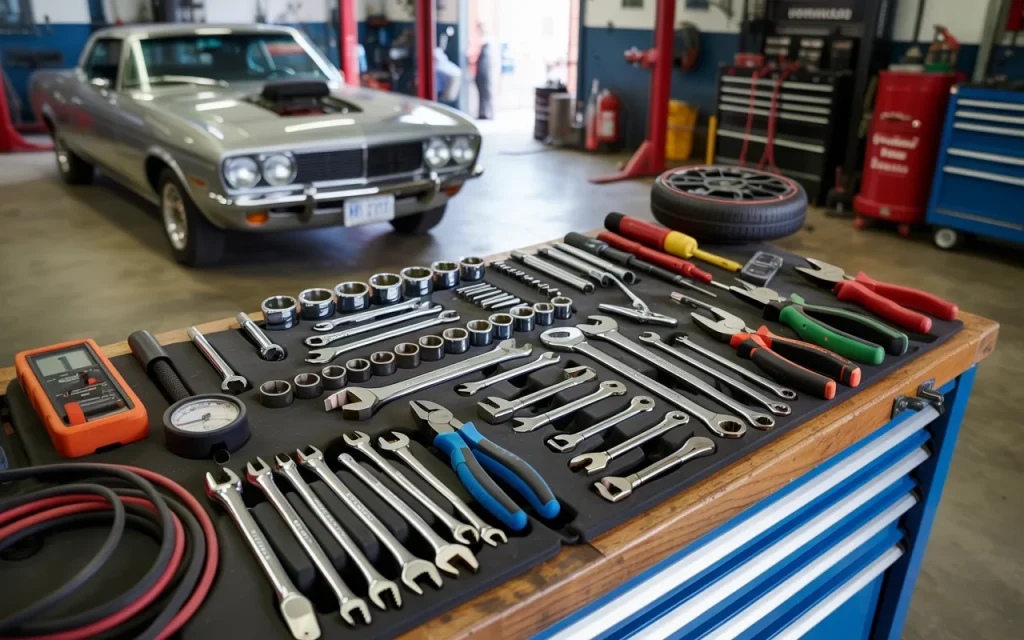
A torque wrench deserves special mention. Many vehicle components require precise tightening. Over tightening can damage parts, while under tightening can be dangerous. A basic torque wrench helps you follow manufacturer specifications without guesswork.
An OBD2 scanner is another smart addition. Modern cars store diagnostic codes that explain many warning lights. A simple scanner does not fix problems by itself, but it gives clear direction. It turns confusion into informed decisions.
“Fixing cars is about patience and preparation, not speed.”
Scotty Kilmer
When adding specialty tools, think about how often you will use them. If a task appears once a year, borrowing or renting might make more sense. Build an automotive tool kit that grows naturally with your skills instead of jumping ahead too fast.
Safety, storage, and organization essentials
Tools alone are not enough. Safety gear and proper storage are just as important as wrenches and sockets. Working on a vehicle without protection increases the risk of injury, even during simple tasks.
Safety glasses protect your eyes from dirt, rust, and fluids. Mechanic gloves improve grip and reduce cuts and burns. A small fire extinguisher rated for automotive use adds peace of mind, especially when working around fuel or electrical systems.
Storage keeps tools accessible and in good condition. A sturdy tool bag works well for trunk kits, while a small toolbox suits home garages. Foam inserts or dividers prevent tools from rattling and getting lost.
When you build an automotive tool kit, organization saves time and reduces mistakes. Knowing where each tool belongs helps you stay focused and avoid leaving tools behind in the engine bay.
Good lighting also improves safety. A rechargeable work light or headlamp frees your hands and helps you spot issues clearly. Poor visibility often leads to rushed work and missed details.
Budgeting and upgrading your tool kit over time
A common mistake is trying to buy everything at once. This approach often leads to overspending and unused tools. A better strategy is gradual growth based on real needs.
Start with essentials, then add tools after each task you complete. This method ensures every purchase has a purpose. Over time, your collection reflects actual experience instead of assumptions.
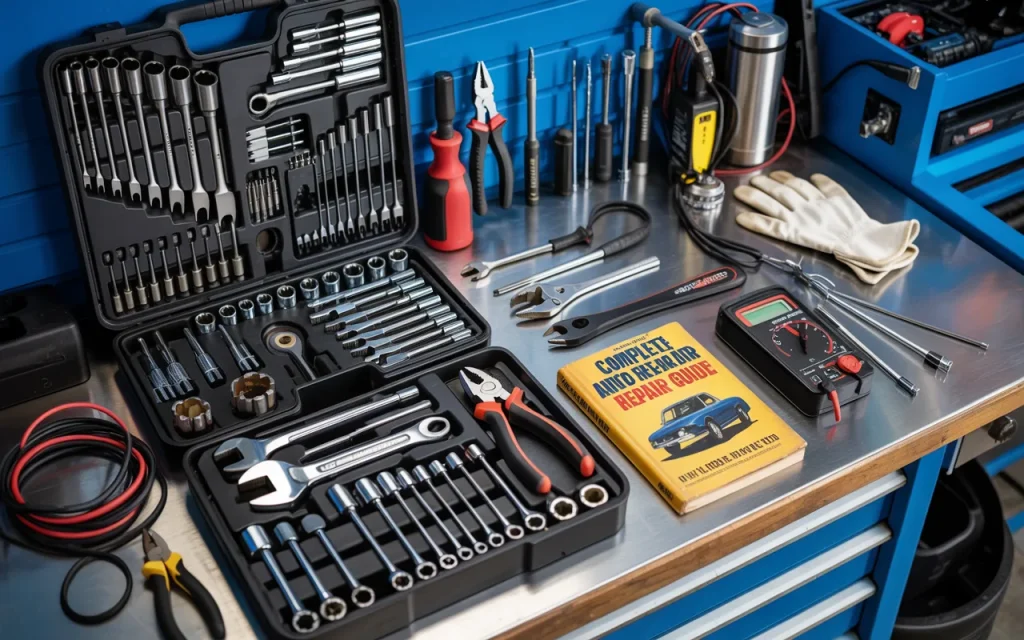
Set aside a small yearly budget for tools. Even modest amounts add up when spent wisely. Watch for durable materials, solid warranties, and positive user feedback from long term owners.
Learning to build an automotive tool kit is an ongoing process. As vehicles change and skills improve, tools evolve too. Some older tools may be replaced with better versions, while others remain trusted favorites for decades.
Avoid flashy sets that promise everything. Focus on reliability, comfort, and function. Tools should feel like helpful partners, not decorative items.
Frequently Asked Questions
How many tools does a beginner really need?
A beginner can start with fewer than twenty tools and handle most basic tasks. A socket set, wrenches, screwdrivers, pliers, and safety gear cover the majority of needs. From there, tools can be added as experience grows.
Should tools stay in the car or at home?
It depends on use. A small roadside kit belongs in the trunk for emergencies. Larger and heavier tools are better stored at home. Splitting tools this way keeps the car lighter and tools easier to manage.
Are expensive tools always better?
Price does not always equal quality. Mid range tools often perform very well for home use. Look for strong materials, good grip, and consistent sizing rather than brand names alone.
How often should tools be checked?
Inspect tools a few times a year. Look for rust, cracks, or loose handles. Clean and lightly oil metal surfaces if needed. Well maintained tools last longer and work more safely.
Is it possible to build an automotive tool kit without mechanical experience?
Yes. Starting small allows skills to grow naturally. Many tools are used for inspection and maintenance rather than complex repairs. Experience develops through use, not before it.
Conclusion
Knowing how to build an automotive tool kit is about preparation, confidence, and long term value. A thoughtful selection of tools helps you handle everyday issues, stay safe on the road, and understand your vehicle better. You do not need to rush or overbuy. Start with the basics, learn through use, and let experience guide future additions.
“Quality means doing it right even when no one is watching.”
Henry Ford
When you build an automotive tool kit with care and patience, it becomes more than a collection of tools. It becomes a reliable companion that supports safer driving, smarter maintenance, and greater peace of mind for years to come.