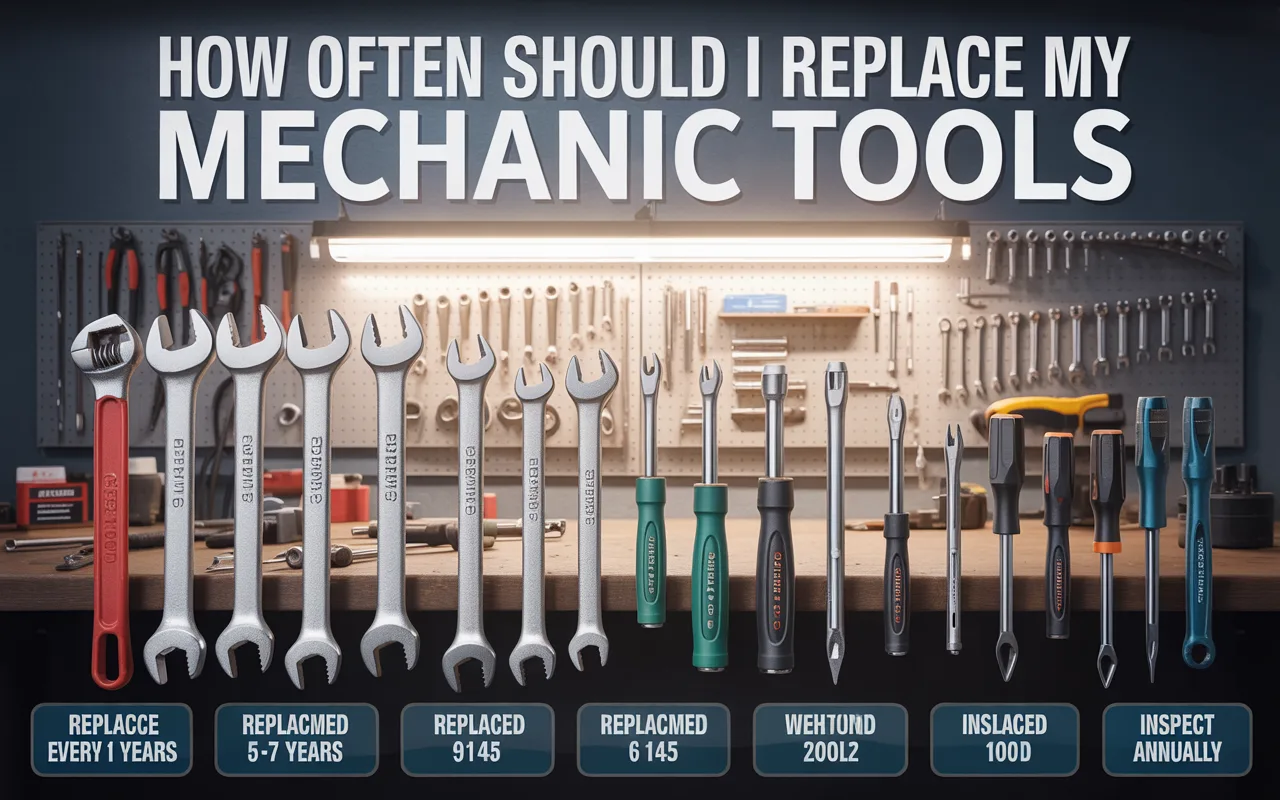
Wondering how often should I replace my mechanic tools? The answer depends on use, quality, and wear. Learn clear signs and timelines to keep your gear safe and reliable.
Every mechanic knows the feeling. You reach for your favorite ratchet, the one that has turned thousands of bolts, and something feels off. Maybe it skips a tooth. Maybe the grip is loose. You pause and ask yourself a simple but important question: how often should I replace my mechanic tools?
This is not just about having shiny new equipment. It is about safety, accuracy, and the quality of your work. A worn-out tool can slip, damage a fastener, or worse, cause an injury. Whether you work in a professional garage or you are a home hobbyist, knowing when to say goodbye to an old tool is a skill that saves time, money, and frustration.
I have spent years turning wrenches, collecting tools, and learning the hard way when to keep something and when to let it go. In this guide, I will share practical advice on how to know when your tools have reached their limit. We will look at different types of tools, what affects their lifespan, and clear signs that replacement time has come. Let us get into it.
A Mechanic’s Honest Take
There is no single answer to how often should I replace my mechanic tools because every tool lives a different life. A socket used daily in a busy shop will wear out faster than the same socket used once a month in a home garage. Quality also matters a lot. A cheap tool might fail in a year, while a high-quality brand can last decades with proper care.
The best way to think about tool replacement is not by time alone. It is by condition, performance, and safety. Some tools will show clear signs of wear. Others may fail suddenly. Your goal is to catch the warning signs early so you can replace a tool before it causes a problem.
Let us break it down by tool type and usage.
Factors That Determine Tool Lifespan
Before we get into specific timelines, it helps to understand what wears tools down. Several factors play a role in how long your equipment stays in good shape.
Frequency of Use
The more you use a tool, the faster it wears. This seems obvious, but it matters a lot. A professional mechanic using a ratchet hundreds of times a week will wear out the internal gear mechanism much faster than a weekend user. If you work in a shop full-time, you may need to replace high-use tools every few years. If you are a DIY user, your tools might last a lifetime.
Quality of the Tool
You get what you pay for. A cheap wrench from a discount store may round off a bolt head after a few uses. A well-made wrench from a trusted brand will hold its shape and grip for years. Higher-quality tools use better steel, tighter tolerances, and stronger finishes. They cost more upfront but often save money in the long run because you replace them less often.
Type of Work
Working on rusted, seized, or heavy-duty equipment puts more stress on tools. If you mostly work on clean, well-maintained cars, your tools will last longer. If you deal with rusted bolts, stuck parts, and heavy machinery every day, your tools will wear faster. The environment matters too. Tools exposed to moisture, dirt, and chemicals break down sooner.
Care and Maintenance
Tools that are cleaned, dried, and stored properly last much longer. Leaving them in a toolbox covered in grease and moisture invites rust and corrosion. Taking a few minutes to wipe down tools after use and store them in a dry place makes a big difference in how long they stay reliable.
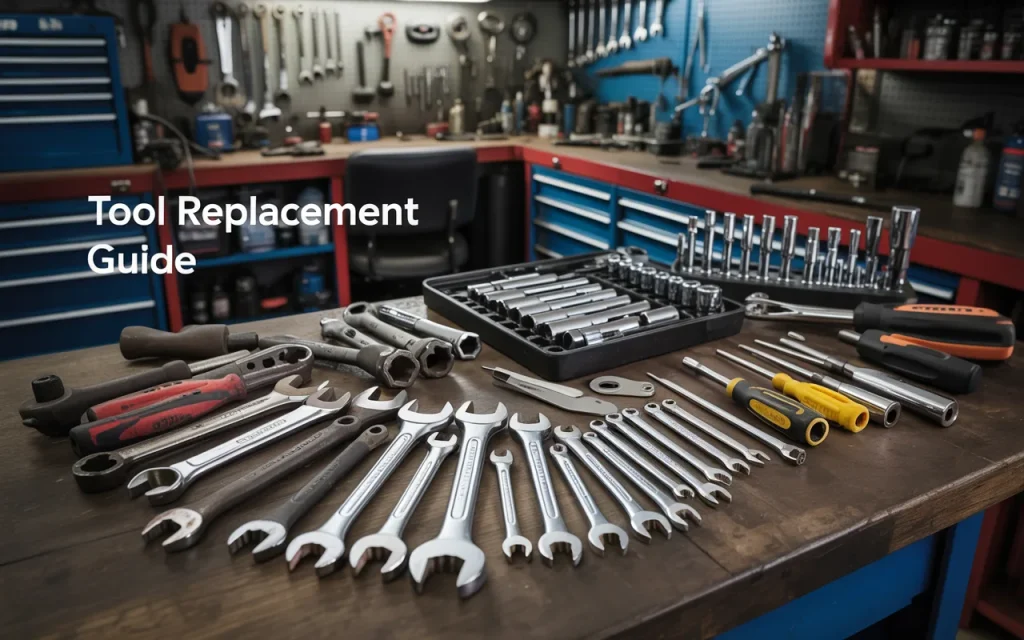
Signs That Tell You It Is Time to Replace a Tool
Instead of watching the calendar, watch your tools. They will tell you when they are done. Here are clear signs that a tool needs to go.
| Sign of Wear | What to Look For |
|---|---|
| Rounded edges | Wrenches and sockets slip on fasteners instead of gripping firmly |
| Cracks or bends | Any visible crack or bent shape, especially in ratchets, breaker bars, or extensions |
| Rust or corrosion | Deep rust that affects moving parts or weakens the structure |
| Slipping mechanism | Ratchet that skips, reverses on its own, or does not hold tension |
| Loose handles | Worn grips, spinning handles, or handles that feel unsafe under pressure |
| Inaccurate readings | Torque wrenches that do not click correctly or gauges that give inconsistent numbers |
If you see any of these signs, it is time to replace the tool. Do not wait. A failed tool can damage your work or cause an injury.
How Often to Replace Common Mechanic Tools
Different tools have different lifespans. Let us look at the most common mechanic tools and what you can expect.
Ratchets and Sockets
Ratchets take a lot of abuse. The internal gear mechanism wears down over time. If you use a ratchet daily, you may notice slipping within two to three years. Some high-quality ratchets last longer, but they still need replacement when the mechanism fails.
Sockets wear at the drive end and the fastener end. The drive square can round off, causing the ratchet to slip. The open end of a socket can spread or round, leading to damaged fasteners. Replace sockets when they no longer grip securely.
“A good ratchet feels like an extension of your hand. When it starts to slip or bind, it is not just annoying. It is dangerous. Replace it before it fails on a tough job.”
– Mike Phillips, Professional Mechanic and Shop Owner
Wrenches (Combination, Box-End, Open-End)
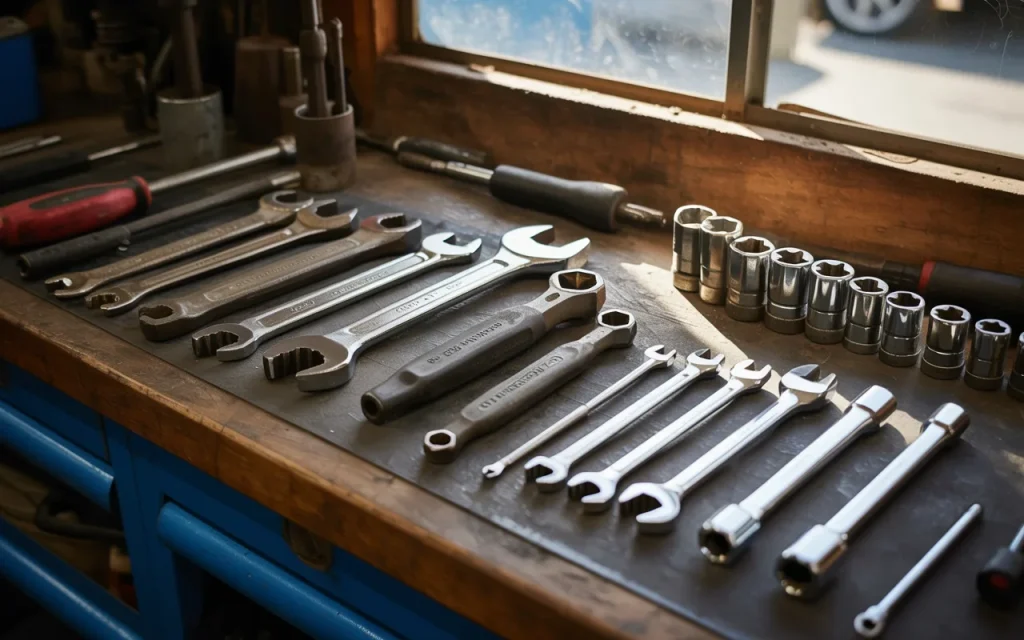
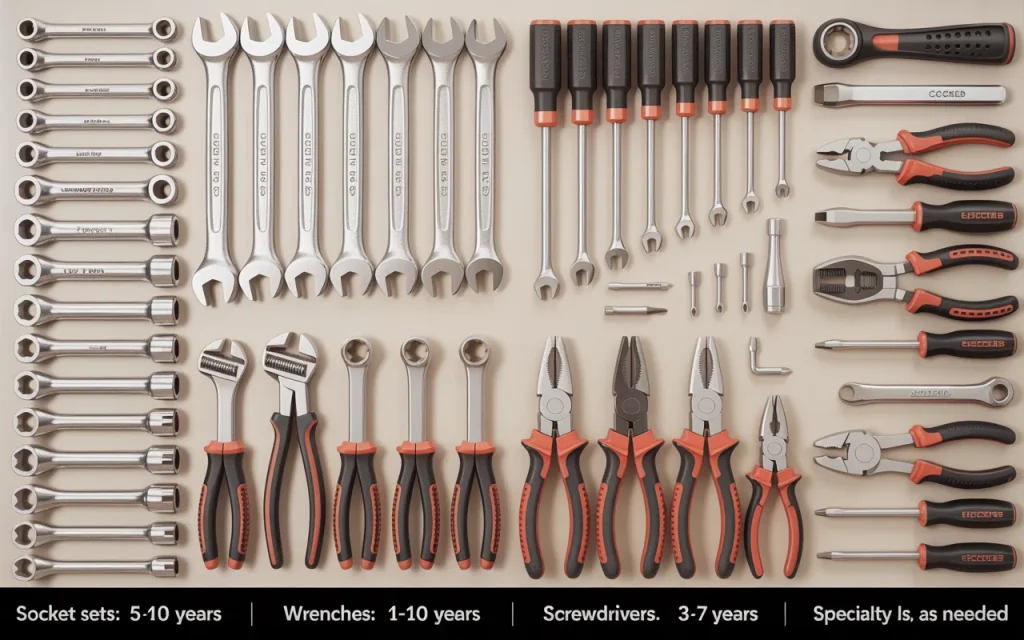
Wrenches last a long time if they are good quality. The open end can spread open with heavy use, especially on stuck bolts. The box end can round off internally. If you notice a wrench slipping off fasteners, it is time for a new one. High-use wrenches in a professional shop may need replacement every five to seven years. Home users may never need to replace them.
Torque Wrenches
Torque wrenches are precision tools. They need to stay accurate to do their job. Most manufacturers recommend calibration every year or every 5,000 cycles. If the wrench does not click consistently, or if you have dropped it, replace it or have it professionally serviced. Using an inaccurate torque wrench can lead to over-tightened or under-tightened fasteners, which is a serious safety risk.
Screwdrivers and Pliers
Screwdrivers wear out when the tips become rounded or twisted. A worn screwdriver can strip screw heads, making removal much harder. Pliers lose their grip when the teeth wear down or when the joint becomes loose. Replace these tools when they no longer grip or turn fasteners properly. For daily use, expect to replace screwdrivers every few years.
Power Tools
Power tools like impact wrenches, drills, and grinders have a lifespan based on motor wear, battery life, and overall condition. Cordless tool batteries typically last two to four years depending on charge cycles. The tools themselves can last much longer, but when the motor starts to fail or the tool loses power, it is time to replace. Safety is key here. A failing power tool can be unpredictable.
Professional vs. Home Use: Different Timelines
Your usage level makes a big difference in how often should I replace my mechanic tools. Let us compare.
| Usage Type | Typical Replacement Timeline |
|---|---|
| Professional (daily use) | High-use tools every 2–5 years; precision tools yearly calibration |
| Enthusiast (weekly use) | High-use tools every 5–10 years; occasional replacement as needed |
| Home DIY (monthly or less) | Tools often last a lifetime; replace only when damaged or worn out |
A professional mechanic relies on their tools for their livelihood. They cannot afford a failure in the middle of a job. For them, replacing tools proactively makes sense. A home user can often wait until a tool clearly fails before replacing it.
The Cost of Waiting Too Long
I have seen mechanics hold onto tools past their prime. It rarely ends well. A slipping ratchet can cause your hand to slam into a sharp edge when it gives way. A worn socket can round off a bolt that then takes hours to remove. A bad torque wrench can lead to a failed engine repair.
The cost of a new tool is almost always less than the cost of the damage a failed tool can cause. Waiting too long to replace a tool can cost you time, money, and even your safety.
“I used to think I could get one more year out of my old ratchets. Then one slipped while I was leaning into an engine bay. I hit my hand so hard I could not work for two days. Now I replace them the moment I feel any slip.”
– Linda Tran, ASE Certified Master Technician
How to Make Your Tools Last Longer
While all tools eventually wear out, you can extend their life with good habits. Here are simple ways to keep your tools in good shape longer.
- Clean tools after use. Wipe off grease, dirt, and moisture. A clean tool is less likely to rust and easier to inspect for damage.
- Store tools properly. Use a toolbox or tool chest. Keep them organized so they do not bang into each other. Avoid leaving tools in damp areas or outside.
- Use the right tool for the job. Do not use a wrench as a hammer or a screwdriver as a pry bar. Using tools beyond their design speeds up wear and increases the risk of breakage.
- Lubricate moving parts. Ratchets, pliers, and other moving tools benefit from a drop of oil on their moving parts now and then. It keeps them smooth and reduces wear.
- Inspect tools regularly. Take a few minutes every month to look over your tools. Check for cracks, rounding, rust, or loose parts. Catching problems early lets you replace a tool before it fails.
When to Repair vs. Replace
Sometimes a tool can be repaired instead of replaced. Many high-quality tool brands offer lifetime warranties. If a ratchet fails, you can often get a replacement for free. Some tools, like torque wrenches, can be recalibrated. Others, like screwdrivers with worn tips, are usually cheaper to replace than to repair.
Here is a simple guide:
- Repair if: The tool is high-quality, under warranty, or the repair cost is less than half the cost of a new tool.
- Replace if: The tool is low-quality, the repair cost is high, or the tool has a safety risk like a crack or bent structure.
If you are unsure, ask a trusted tool supplier or experienced mechanic. They can often tell you whether a tool is worth saving.
Building a Replacement Plan
You do not have to replace all your tools at once. That would be expensive and unnecessary. Instead, build a simple replacement plan.
- Identify high-use tools. These are the tools you reach for every day. Ratchets, sockets, wrenches, and torque wrenches fall into this group.
- Inspect them monthly. Look for signs of wear. Keep a small list of tools that may need replacement soon.
- Set a budget. Put aside a small amount each month for tool replacement. When a tool needs to go, you have the money ready.
- Replace in batches. When you replace one socket, consider replacing the whole set if they are all the same age and show similar wear.
This approach keeps your toolbox reliable without breaking your budget all at once.
“I set aside fifty dollars a month for tool replacement. It does not feel like a big expense, but when I need a new torque wrench or a set of sockets, the money is there. It takes the stress out of replacing tools.”
– David Chen, Independent Garage Owner
Frequently Asked Questions
Q: How often should I replace my mechanic tools if I use them every day?
If you use your tools daily in a professional setting, expect to replace high-use tools like ratchets and sockets every two to five years. Torque wrenches should be calibrated yearly. Power tools may last longer but watch for motor wear and battery decline.
Q: Can I use a tool until it breaks completely?
It is not a good idea. A tool that fails during use can cause injury, damage your work, and cost more in lost time than a replacement tool would cost. Replace tools at the first sign of significant wear.
Q: Do expensive tools last longer?
Generally, yes. Higher-quality tools use better materials, tighter tolerances, and stronger designs. They often come with better warranties too. While they cost more upfront, they usually need replacement less often.
Q: How often should I replace my mechanic tools that I only use for hobbies?
For home or hobby use, most tools will last many years or even a lifetime. Replace them only when they show clear signs of wear, such as rounded edges, rust that affects function, or broken parts.
Q: What about tool warranties?
Many reputable tool brands offer lifetime warranties on hand tools. If a tool fails due to a manufacturing defect or normal wear, you can often get a free replacement. Check the warranty terms for your tools before buying a new one.
Q: How do I know if my torque wrench is still accurate?
If your torque wrench has been dropped, used heavily, or has not been calibrated in over a year, it may be inaccurate. You can have it tested by a calibration service. If it fails the test, replace it or have it professionally repaired.
Conclusion
So, how often should I replace my mechanic tools? The real answer is that it depends on how you use them, how well you care for them, and what quality they are. There is no universal timeline that fits every tool and every mechanic. But there are clear signs that tell you when a tool has reached the end of its useful life.
Pay attention to your tools. Watch for slipping, rounding, rust, cracks, and loss of accuracy. Replace them when they show these signs. Do not wait for a failure that could hurt you or damage your work.
A good set of tools is an investment in your safety and the quality of your work. Keeping that set in good condition means knowing when to let go of the old and bring in the new. Whether you are a professional working in a busy shop or a weekend mechanic working on your own vehicles, your tools deserve your attention and care.
Take a few minutes this week to open your toolbox and inspect your most-used tools. Look for the signs we talked about. Make a list of what needs replacing. Then, take the next step to keep your toolbox safe, reliable, and ready for any job that comes your way. Your hands, your projects, and your peace of mind will thank you.