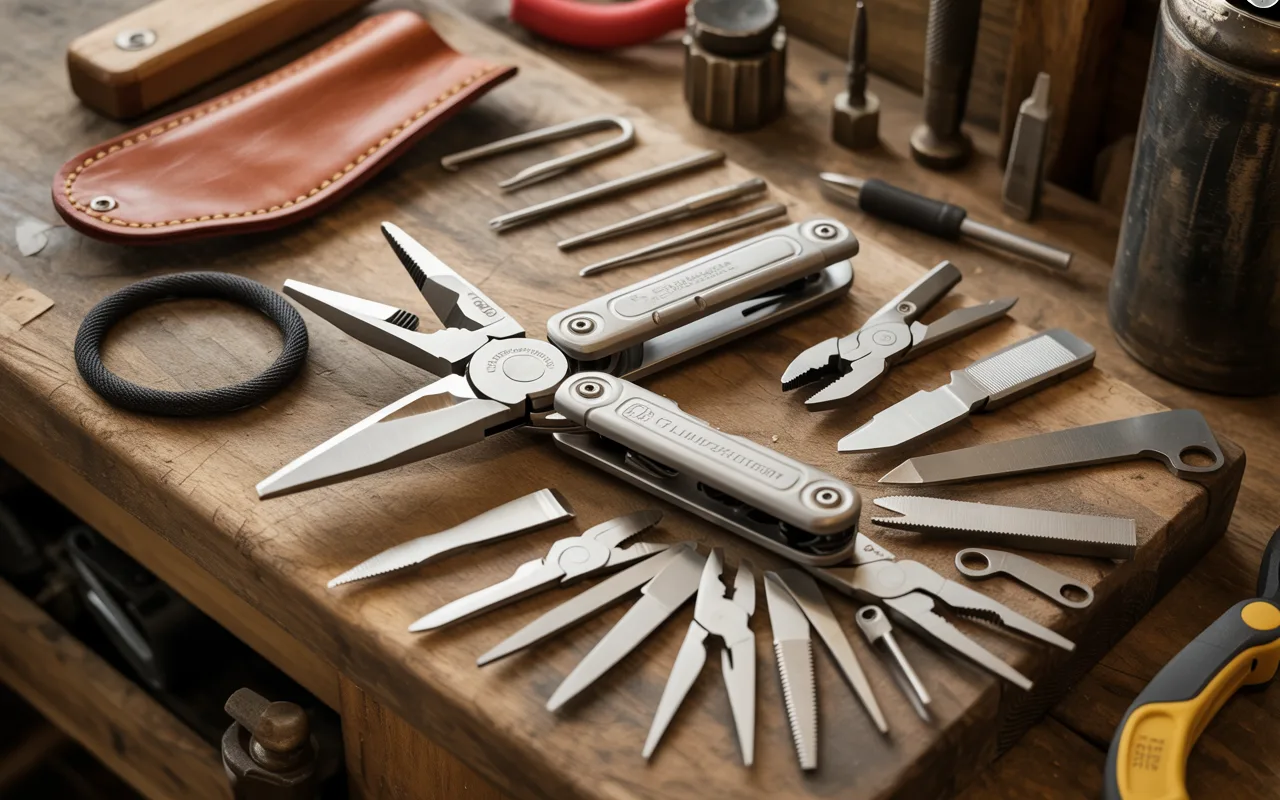
Wondering exactly how long do multi tool kits last? We break down the lifespan based on brand, usage, and maintenance. Get the honest answers you need before buying.
If you have ever stood in a hardware aisle staring at a wall of multi tool kits, you have likely asked yourself one question: how long do multi tool kits last? It is a fair question. You are not just buying a screwdriver or a pair of pliers. You are buying a whole set of tools packed into one convenient package. You want to know if it is a purchase that will serve you for decades or if it is something you will need to replace in a few years.
The truth is, there is no single answer. Some multi tool kits last a lifetime. Others might struggle to make it through a few weekend projects. The difference comes down to materials, how you treat them, and the kind of work you do. Let us walk through everything that affects the lifespan of these handy tools. By the end, you will know exactly what to expect and how to get the most out of your kit.
What Determines the Lifespan of a Multi Tool Kit?
Before we talk numbers, we need to look at the factors that decide how long do multi tool kits last. It is not just about the brand name on the side. Several key elements work together to determine if your tool will be a family heirloom or a temporary helper.
Material Quality and Construction
The steel used in the tools makes a massive difference. High-carbon stainless steel is the gold standard. It resists rust, holds an edge, and does not snap under pressure. Cheaper kits often use lower-grade steel that can bend, rust, or break. The construction of the hinges and locking mechanisms also matters. A well-built multi tool uses solid pins and springs that can handle thousands of openings and closings.
Frequency and Type of Use
A multi tool kit used once a month for simple household tasks will last much longer than one used daily on a construction site. Heavy use puts stress on the pivot points, cutting edges, and locking mechanisms. The type of work matters too. Cutting thick wire, prying heavy materials, or using the pliers as a hammer will shorten the life of any tool.
Maintenance Habits
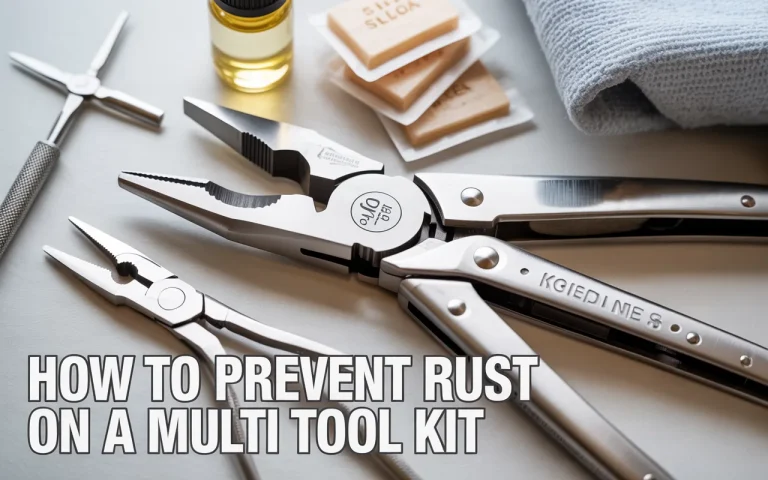
Tools do not last long without care. A little oil on the joints, keeping the tool clean, and storing it properly can add years to its life. Rust is the biggest enemy. Moisture gets into the hinges and causes corrosion that makes the tool stiff or impossible to open.
Brand Reputation and Warranty
Some brands stand behind their products with lifetime warranties. These companies build their reputation on durability. They use better materials and stricter quality control. A tool from a trusted brand usually lasts longer than a no-name alternative, even if the initial price is higher.
Here is a quick look at how these factors affect lifespan:
| Factor | Short Lifespan (1-3 years) | Medium Lifespan (5-10 years) | Long Lifespan (15+ years) |
|---|---|---|---|
| Material | Low-grade steel, plastic handles | Mid-grade steel, metal handles | High-carbon stainless steel |
| Usage | Daily professional use | Weekly DIY projects | Occasional household tasks |
| Maintenance | No cleaning or oiling | Basic cleaning and oiling | Regular care and proper storage |
| Brand | Unknown or generic | Mid-range known brands | Premium brands with warranties |
“A good tool is an investment in your own capability. Buy the best you can afford, and it will pay you back every time you use it.” — Tom Silva, General Contractor and TV Host
How Long Different Types of Multi Tool Kits Typically Last
Not all multi tool kits are the same. The form factor changes how long they last. Let us break it down by the most common types.
Pocket Multi Tools (Folding Plier Tools)
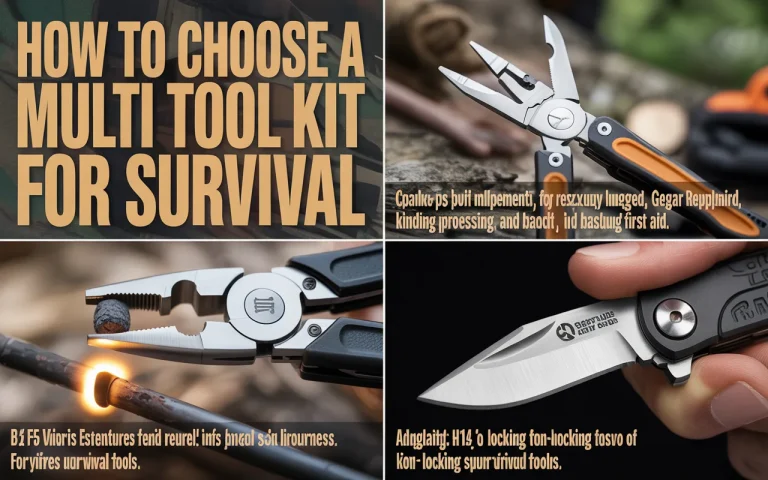
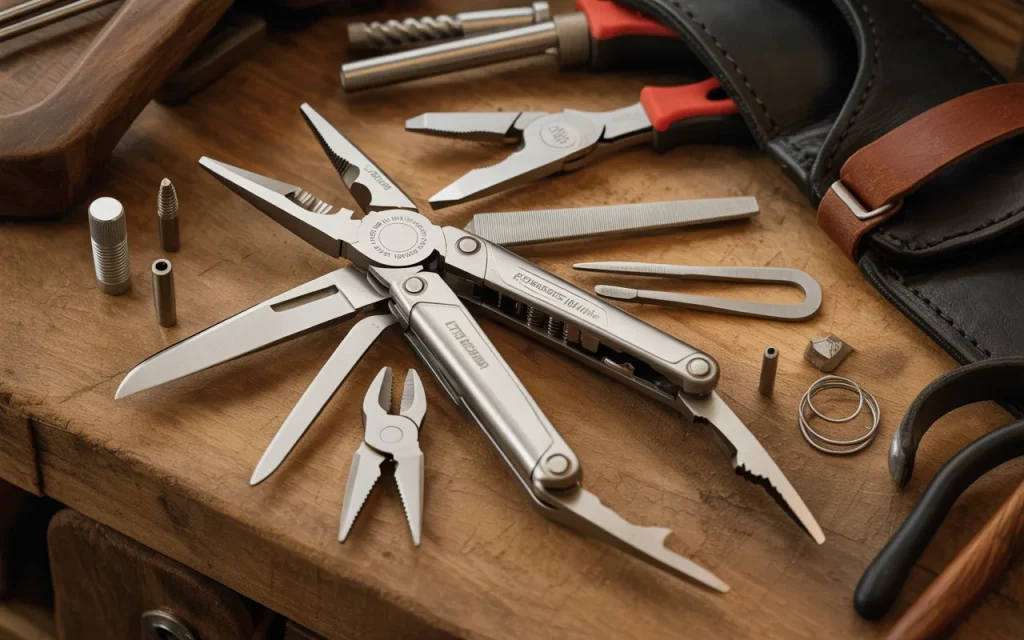
These are the classic Leatherman-style tools. They fold into a compact shape and contain pliers, knives, screwdrivers, and other implements. A high-quality pocket multi tool can easily last 20 years or more with proper care. The main wear points are the plier pivot, the knife blade edge, and the locking springs. Many people carry the same pocket multi tool for decades. The lower-end versions of these tools often fail at the plier hinge or have screwdrivers that twist under pressure.
Fixed-Blade Multi Tools
These tools have a fixed knife blade with other tools built into the handle. They tend to be simpler with fewer moving parts. Because they have fewer pivot points, they often last longer than folding designs. The blade will need sharpening over time, but the overall structure stays solid. A good fixed-blade multi tool can last a lifetime if you maintain the blade and keep the handle clean.
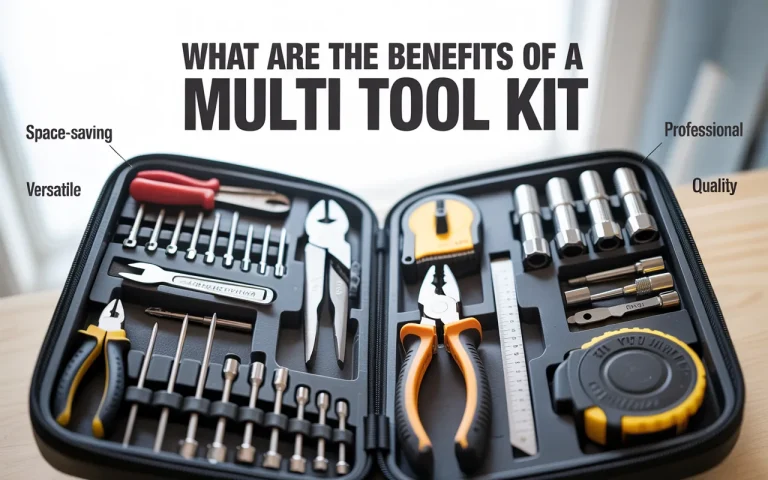
Socket and Bit Multi Tool Kits
These are sets that combine a driver handle with interchangeable bits and often include a small wrench or pliers. The lifespan here depends heavily on the bit quality. The bits wear out fastest. The driver handle and ratchet mechanism usually last for many years. The best kits allow you to replace bits easily, which extends the overall life of the system.
Here is a typical lifespan based on quality tier:
| Quality TierPocket Multi ToolFixed-Blade Multi ToolSocket/Bit Kit | |||
|---|---|---|---|
| Budget | 1-3 years | 2-4 years | 1-2 years |
| Mid-Range | 5-10 years | 8-12 years | 5-8 years |
| Premium | 20+ years | 25+ years | 15+ years |
Signs Your Multi Tool Kit Is Reaching the End of Its Life
Even the best tools do not last forever. You need to know when to replace a tool before it fails on you during an important job. Here are the clear signs that your multi tool kit is reaching its limit.
Excessive Rust and Corrosion
Surface rust is one thing. You can clean that off with oil and a little scrubbing. But when rust gets deep into the pivot points and locking mechanisms, the tool becomes unsafe. If you cannot open the tools smoothly or if the rust has caused pitting in the metal, it is time to let it go.
Wobbly or Loose Joints
All multi tools develop a little wiggle over time. That is normal. But when the pliers no longer line up correctly or the handles feel dangerously loose, the tool is worn out. Loose joints mean the tool cannot deliver force properly, and it increases the risk of the tool slipping or breaking during use.
Broken or Worn Locking Mechanisms
The locks that keep tools open are a critical safety feature. If a lock no longer engages fully or if it slips when you apply pressure, stop using that tool immediately. A failing lock can cause the tool to close on your fingers. This is one of the most dangerous types of failure.
Stripped Screwdriver Bits
When the screwdriver tips start to round off, they become useless. They will strip screws instead of driving them. Some multi tools have replaceable bits. If yours does not and the bits are worn, the tool has lost one of its most important functions.
Chipped or Broken Knife Blade
A knife blade that has large chips or cracks cannot be safely sharpened. It becomes a safety hazard. A broken blade tip also reduces the tool’s usefulness. If the blade is damaged beyond what sharpening can fix, consider replacing the entire kit.
How to Make Your Multi Tool Kit Last Longer
You have control over how long do multi tool kits last through your care habits. Good maintenance does not take much time, and it makes a huge difference.
Clean After Each Use
Wipe the tool down with a cloth after using it. Pay special attention to the hinges and areas where dirt collects. If you used the tool in wet conditions or around food, give it a more thorough cleaning. A little bit of mild soap and water works well for heavy dirt, but dry the tool completely afterward.
Lubricate Moving Parts
Put a drop of light machine oil on all the pivot points every few months. Work the tool open and closed a few times to spread the oil. This keeps the action smooth and prevents rust from forming inside the joints. Avoid heavy oils or grease, as they attract dirt and grit.
Store Properly
Keep your multi tool in a dry place. A tool pouch or a drawer with a silica gel packet helps control moisture. Do not leave it in a damp garage, a wet toolbox, or anywhere that gets humidity. Leather sheaths can sometimes hold moisture, so check periodically if you use one.
Sharpen Blades Carefully
Keep the knife blade sharp using a proper sharpening stone or a guided sharpening system. A sharp blade cuts better and puts less stress on the tool. Dull blades make you use more force, which can damage the pivot and locking mechanism over time.
Use the Right Tool for the Job
This is the most important rule. A multi tool is meant for convenience, not for heavy-duty work. If you need to cut thick wire, use wire cutters. If you need to drive many screws, use a real screwdriver. Using the multi tool beyond its intended limits is the fastest way to break it.
“The secret to making tools last is to treat them with respect. Clean them, oil them, and never use them as a hammer. They will thank you with years of reliable service.” — Norm Abram, Master Carpenter
When a Higher Price Means a Longer Life
There is a clear link between price and lifespan when it comes to multi tool kits. Cheap tools are made with cheaper materials and less precise manufacturing. They work fine for light, occasional use. But if you use them regularly, they will fail.
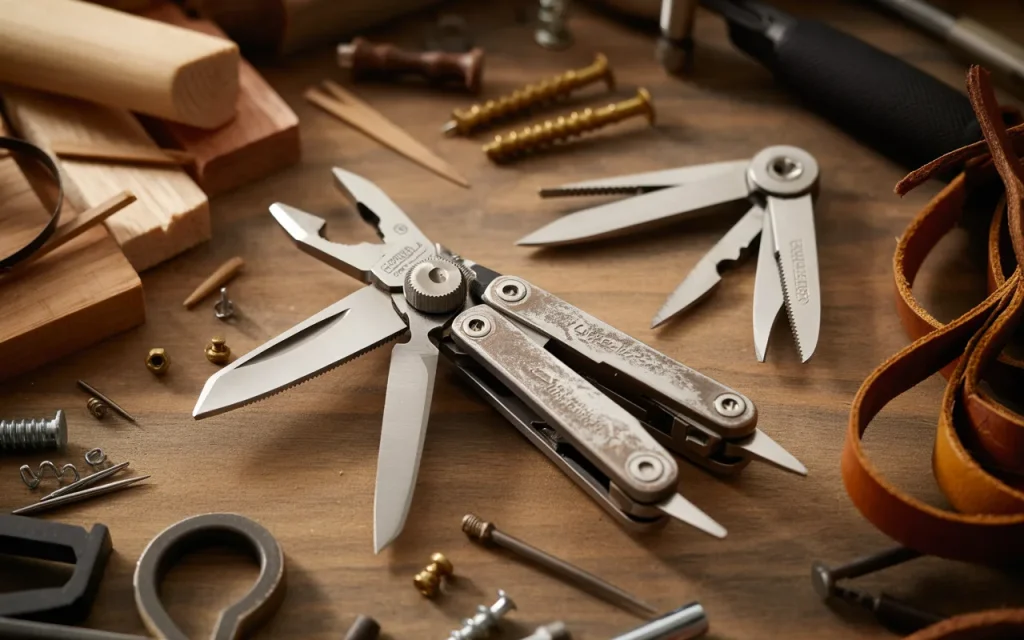
Premium multi tools cost more upfront, but they often last several times longer. The steel is better. The tolerances are tighter. The warranty is stronger. Many premium brands offer 25-year or lifetime warranties. That tells you something about how long the manufacturer expects the tool to last.
If you use your multi tool once a month for small tasks, a mid-range tool is probably fine. If you rely on it for work or frequent DIY projects, investing in a premium tool makes financial sense over time. You will replace a cheap tool three or four times in the same period a premium tool keeps working.
Common Myths About Multi Tool Longevity
There is a lot of misinformation out there about tool lifespans. Let us clear up a few common myths.
Myth: All Multi Tools Are Built the Same
This is not true. The difference between a budget multi tool and a premium one is visible in the materials, the fit, and the finish. Premium tools use better steel, stronger springs, and more precise machining. You can feel the difference when you hold them.
Myth: A Rusty Tool Is Trash
Rust does not automatically mean the tool is dead. Surface rust can be removed with oil and fine steel wool. If the rust is only on the surface and the tool still functions smoothly, you can save it. Deep rust that affects moving parts is another story.
Myth: You Should Never Oil Your Multi Tool
Some people think oil attracts dirt, so they avoid it. But oil is essential for protecting the metal and keeping the pivots smooth. The trick is to use a light oil and wipe away any excess. This leaves a protective film without creating a sticky surface that collects debris.
Myth: Expensive Tools Last Forever
Even the best tools wear out eventually. Blades need sharpening, bits wear down, and springs can break. A premium tool will last much longer, but it still requires care and occasional maintenance. No tool is immune to the effects of time and use.
Repairability and Replacement Parts
One factor that greatly affects how long do multi tool kits last is whether you can repair them. Some brands make it easy to get replacement parts. Others expect you to buy a whole new tool when something breaks.
Brands With Good Parts Support
Several premium brands sell replacement parts directly or through authorized dealers. You can get new screwdriver bits, pocket clips, and even replacement blades for some models. This extends the life of the tool significantly. If a blade breaks after ten years, you do not need to replace the whole thing.
Warranty Services
Some manufacturers offer repair services through their warranty departments. You send the tool in, and they fix it or replace it. This is common with higher-end brands. The best warranties cover defects and normal wear for a set number of years. Read the warranty terms before buying so you know what to expect.
DIY Repairs
Some simple repairs you can do yourself. Replacing a broken pocket clip or swapping out a bit is easy. More complex repairs, like fixing a broken spring or replacing a rivet, are harder. Most people do not have the tools or skills to repair the internal mechanisms of a multi tool.
“I have carried the same multi tool for 15 years. I have replaced the bit set twice and sharpened the blade more times than I can count. It still works like the day I bought it.” — Mike Rowe, Television Host and Advocate for Skilled Trades
Environmental Factors That Affect Lifespan
Where you use and store your multi tool matters. Different environments put different kinds of stress on the tool.
Humidity and Moisture
High humidity is hard on multi tools. Moisture causes rust, especially in the hidden areas between tools. If you live in a humid climate or work near water, you need to be more diligent about cleaning and oiling. Saltwater environments are even worse. Salt accelerates corrosion dramatically.
Dust and Debris
Working in dusty conditions fills the joints with grit. Sand, dirt, and sawdust act like sandpaper inside the tool. They wear down the metal surfaces and make the tool stiff. If you work in dusty environments, clean your tool more often and consider using a dry lubricant that does not attract more dust.
Temperature Extremes
Very cold temperatures can make the tool stiff and harder to open. The lubricants can thicken, and metal contracts. Extreme heat is usually less of a problem, but leaving the tool in a hot car for long periods can affect any plastic components and degrade rubber grips.
Frequently Asked Questions
How long do multi tool kits last with daily use?
With daily professional use, a premium multi tool kit typically lasts 5 to 10 years before showing significant wear. Budget tools used daily may only last 1 to 2 years. The constant opening, closing, and heavy use puts stress on all the moving parts.
Can I sharpen the blades on my multi tool kit?
Yes, most multi tool blades can be sharpened. Use a fine sharpening stone or a guided sharpening system. Go slowly and maintain the original blade angle. Avoid using powered grinders, as they can overheat the blade and ruin the temper of the steel.
Is it worth buying an expensive multi tool kit?
It depends on how often you use it. For frequent use, an expensive kit is worth the money because it lasts much longer and performs better. For occasional use, a mid-range kit is usually sufficient. The key is matching the tool to your actual needs.
How do I know if my multi tool kit is still safe to use?
Check for loose joints, worn locks, and any cracks in the metal. If all the tools lock securely and there is no excessive play in the pliers, the tool is likely safe. If any lock fails or if the handles move in ways they should not, stop using the tool.
What brand of multi tool kit lasts the longest?
Several premium brands are known for longevity. Leatherman, Victorinox, and Gerber (their higher-end lines) all have strong reputations for durability. These brands use high-quality materials and stand behind their products with solid warranties.
Can I replace broken parts on my multi tool kit?
Some brands offer replacement parts. Others do not. If repairability is important to you, look for brands that sell individual parts like bits, pocket clips, and even blade replacements. A tool that can be repaired will always outlast one that cannot.
Conclusion
So, how long do multi tool kits last? The honest answer is anywhere from one year to a lifetime. It all comes down to three things: what you buy, how you use it, and how you care for it.
If you choose a well-made tool from a trusted brand, use it within its limits, and give it basic maintenance, you can expect many years of reliable service. A premium multi tool can easily become a tool you pass down to someone else. A budget tool works fine for light use, but it will not stand up to heavy demands.
Think about your own needs before you buy. Do you need a tool for occasional household fixes? A mid-range kit will serve you well. Do you rely on your multi tool for work or frequent projects? Spending more upfront for better materials and a strong warranty is the smarter financial move.
Take care of your tools, and they will take care of you. Clean them, oil them, and store them properly. Use them for the jobs they were made for. When you do those things, you will be one of the people who can honestly say their multi tool kit has lasted for decades. And that is a satisfying feeling every time you pull it out to get a job done.