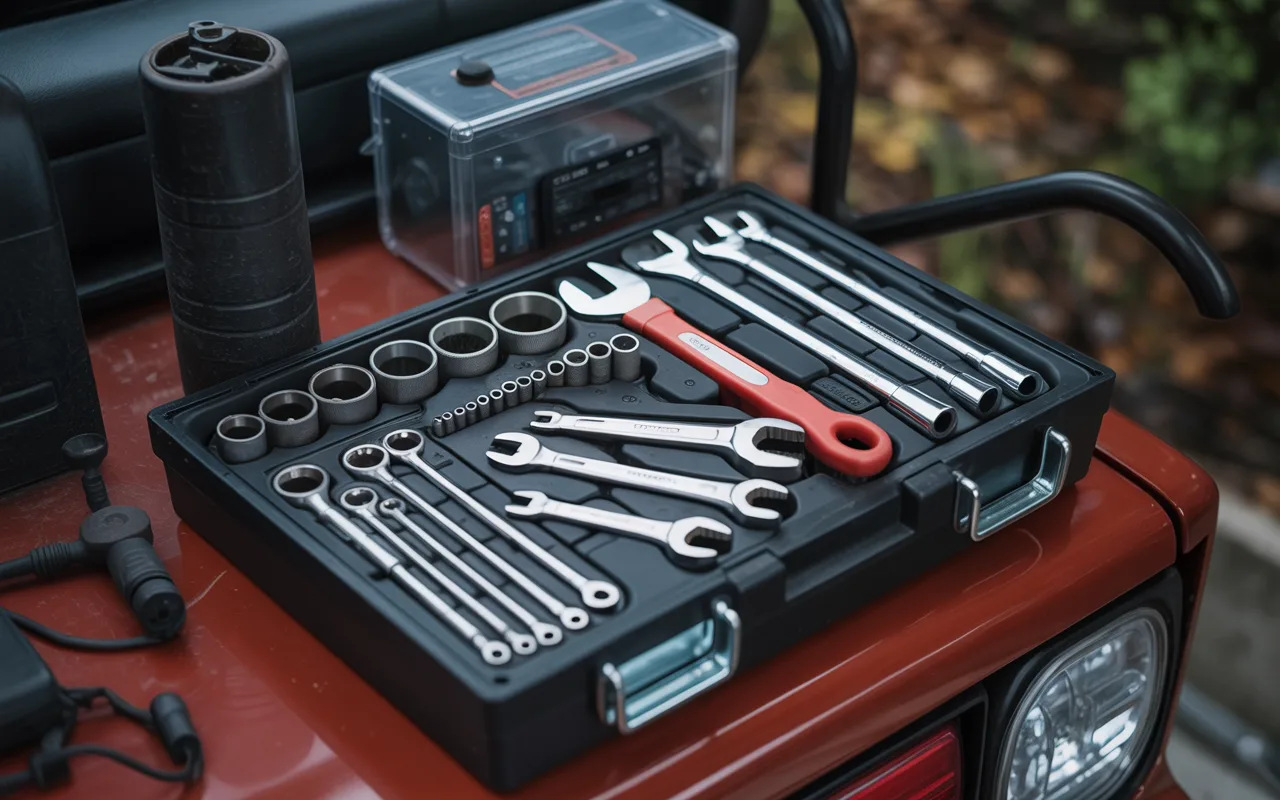
A home tool kit for car repairs can help with many simple fixes like battery swaps, oil changes, and loose bolts. Learn what repairs you can safely do at home and which jobs need a mechanic.
Many car owners wonder if they really need a garage full of tools to fix their vehicle. The good news is that you can handle many basic tasks with a simple home tool kit.
If you drive every day, small issues will appear sooner or later. A loose battery terminal, a worn wiper blade, or a dead battery can stop your day quickly. Having a home tool kit for car repairs allows you to deal with these problems without waiting for a mechanic.
Still, there is an important question behind this topic. Can a basic tool kit really handle car repairs safely? Or do you need professional equipment?
The truth sits somewhere in the middle. A simple set of tools can help you complete many common maintenance jobs. At the same time, some repairs require experience and specialized equipment.
This guide explains exactly what you can do with a home tool kit, which tools matter most, and when it is smarter to visit a mechanic.
Why Many Drivers Want a Home Tool Kit
Car ownership often comes with surprise repairs. Even a reliable vehicle needs routine maintenance.
Drivers choose to work on their cars at home for several reasons.
First, it saves money. Labor costs often make up a large part of repair bills. Handling small tasks yourself can reduce expenses.
Second, it saves time. Waiting at a repair shop can take hours or even days.
Third, it gives drivers more control over maintenance.
Automotive writer Chris Fix once said:
“Basic car maintenance is something every driver can learn with simple tools and a bit of patience.”
Chris Fix
Many drivers discover that a basic home tool kit for car repairs is enough for a surprising number of tasks.
What Is a Home Tool Kit for Car Repairs?
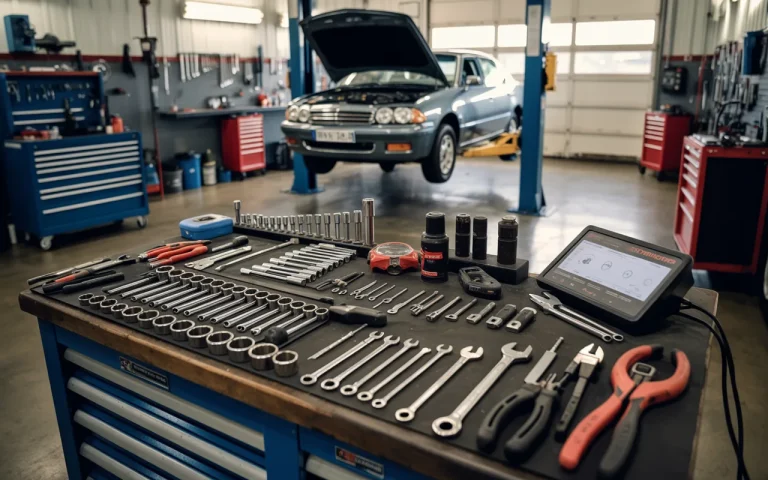
A home tool kit for car repairs usually includes common hand tools used for maintenance and light repairs. These tools are simple, affordable, and easy to store.
You do not need expensive equipment to begin.
A typical kit might include:
- Socket wrench set
- Screwdrivers
- Pliers
- Adjustable wrench
- Tire pressure gauge
- Jack and jack stands
- Torque wrench
These tools allow you to remove bolts, tighten parts, and inspect different components in your car.
Many beginner kits are sold in compact boxes that fit easily in a garage or storage shelf.
Essential Tools Every Car Owner Should Have
Before starting any repair, it helps to understand which tools are actually useful. Some tools appear in every mechanic’s workspace for a reason.
Below is a helpful breakdown.
| Tool | Purpose |
|---|---|
| Socket Set | Removes bolts and nuts from engine parts |
| Screwdrivers | Used for clamps, panels, and covers |
| Pliers | Helpful for clips, hoses, and wires |
| Jack | Lifts the car safely |
| Jack Stands | Holds the car while working underneath |
| Torque Wrench | Tightens bolts to the correct level |
| Tire Pressure Gauge | Checks tire inflation |
With these tools, a home tool kit for car repairs becomes practical for several common maintenance jobs.
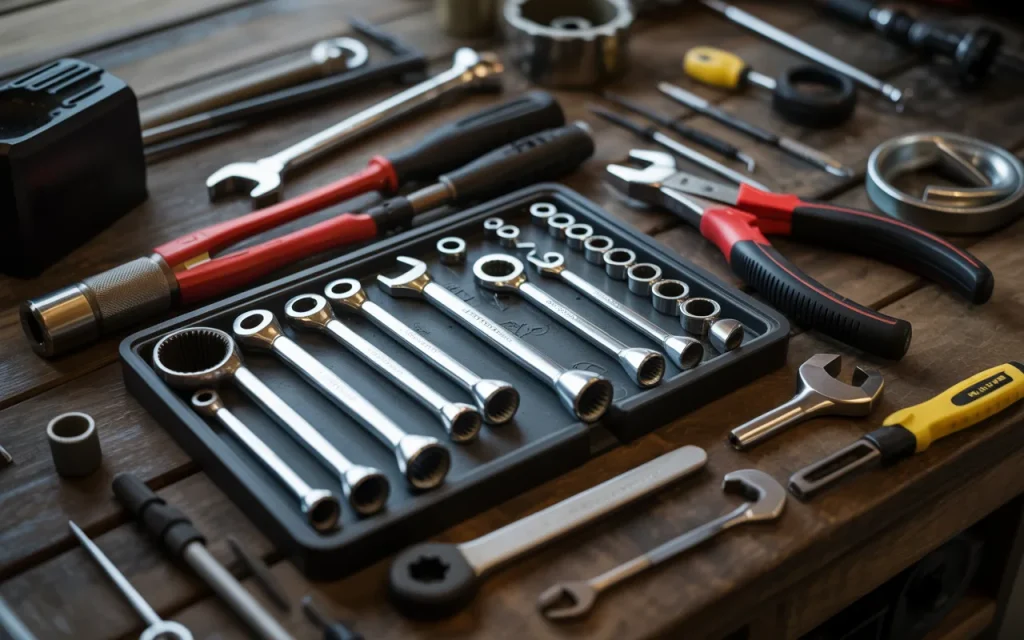
Auto repair educator EricTheCarGuy once shared this advice:
“Most beginner mechanics use the same ten tools again and again.”
EricTheCarGuy
This shows that you do not need a huge tool collection to start working on your car.
Car Repairs You Can Do with a Home Tool Kit
A basic home tool kit can handle many maintenance tasks. These jobs require patience, basic instructions, and the right safety steps.
Below are common repairs many drivers successfully complete at home.
Changing Engine Oil
Oil changes are one of the easiest maintenance jobs.
With a socket wrench, oil pan, and new filter, you can replace engine oil in under an hour.
Steps include:
- Lift the car safely
- Remove the oil drain bolt
- Replace the oil filter
- Add fresh oil
Many drivers use a home tool kit for car repairs specifically for this task because oil changes happen often.
Replacing a Car Battery
Car batteries usually last three to five years.
A basic wrench is enough to loosen battery terminals and install a new battery.
Steps include:
- Disconnect the negative cable
- Disconnect the positive cable
- Remove the battery bracket
- Install the new battery
This repair requires very few tools and can save a service fee.
Replacing Windshield Wipers
Worn wiper blades reduce visibility during rain.
Most cars allow drivers to change them without tools, although pliers can help if clips are tight.
This is one of the easiest fixes you can do at home.
Replacing Air Filters
Cars usually have two filters:
- Engine air filter
- Cabin air filter
Both improve performance and air quality.
Most filter boxes open with simple clips or screws, making them perfect jobs for a home tool kit for car repairs.
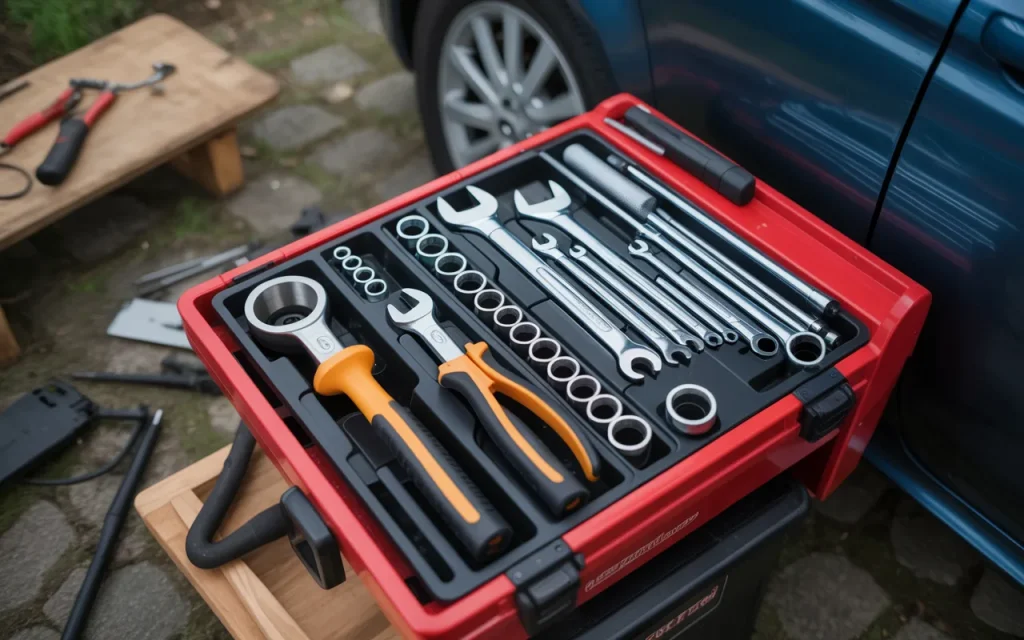
Tightening Loose Battery Terminals
Loose battery terminals cause starting issues.
Using a small wrench or socket, you can tighten the connection in minutes.
This simple fix often solves electrical problems quickly.
Changing Spark Plugs
Spark plugs affect engine performance and fuel economy.
With a spark plug socket and ratchet, many drivers replace them at home.
This task takes more care than the others, but it is still manageable with a home tool kit for car repairs.
Repairs That Need Professional Equipment
Even though many repairs are simple, some require specialized tools or experience.
These jobs usually belong in a professional repair shop.
| Repair Type | Why Professional Tools Are Needed |
|---|---|
| Transmission repairs | Requires special tools and experience |
| Engine rebuilds | Complex parts and measurements |
| Brake line replacement | Safety critical hydraulic system |
| Wheel alignment | Requires precision machines |
| Air conditioning repair | Needs refrigerant equipment |
Automotive journalist Tom Torbjornsen once wrote:
“Knowing when to stop is a key skill in DIY car repair.”
Tom Torbjornsen
A home tool kit for car repairs works well for maintenance and small fixes, but it cannot replace a full service shop.
Safety Tips for DIY Car Repairs
Working on a car can be safe if you follow the right steps.
Safety should always come first.
Important tips include:
- Always use jack stands when lifting a vehicle
- Work on a flat surface
- Disconnect the battery for electrical repairs
- Wear gloves and eye protection
- Keep tools organized
Accidents often happen when people rush or skip safety steps.
Taking your time helps prevent mistakes.
Benefits of Using a Home Tool Kit
Many drivers feel more confident once they begin simple repairs.
There are several clear benefits.
Cost Savings
Repair shops charge labor fees that add up quickly.
Completing small repairs at home reduces those costs.
Better Understanding of Your Vehicle
Working on your car helps you learn how different parts function.
This knowledge helps you notice problems earlier.
Convenience
Some repairs take less time than driving to a mechanic.
With a home tool kit for car repairs, you can fix small problems right away.
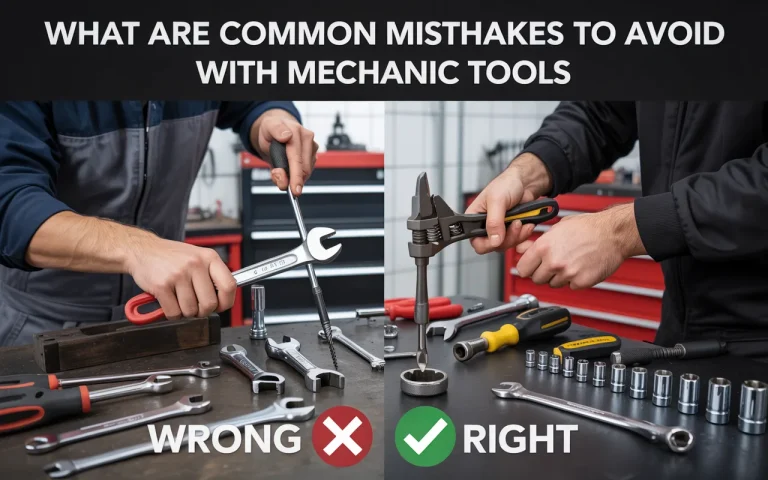
Common Mistakes Beginners Make
Many first time DIY mechanics make simple errors. Knowing these mistakes helps you avoid them.
Using the Wrong Tools
Using an incorrect socket size can strip bolts or cause damage.
Always choose the right tool for the job.
Over Tightening Bolts
Too much pressure can damage threads.
A torque wrench helps prevent this problem.
Skipping Instructions
Car repair guides exist for a reason. Always check your vehicle manual before starting.
Building Your First Home Tool Kit
You do not need to buy everything at once.
Many drivers start small and expand their tools over time.
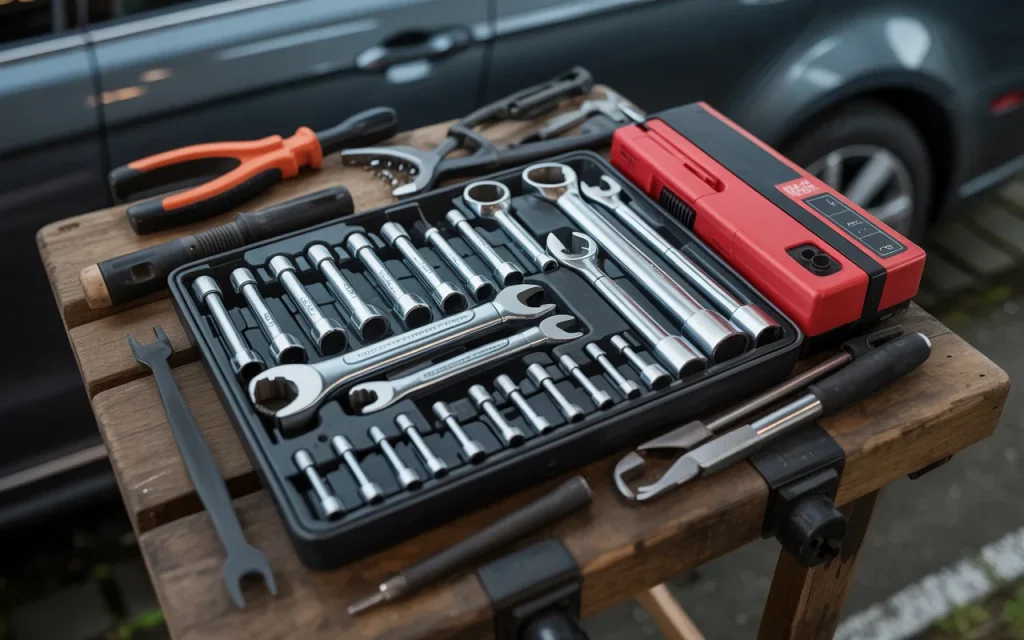
A good beginner kit should include:
- 40 piece socket set
- Screwdriver set
- Adjustable wrench
- Needle nose pliers
- Jack and stands
- Oil filter wrench
Over time, you can add more tools based on the repairs you perform.
A home tool kit for car repairs grows naturally as you gain experience.
How Much Does a Basic Tool Kit Cost?
Tool kits come in many price ranges.
Budget kits can start around $50, while larger sets may cost $200 or more.
Quality matters more than quantity.
Buying durable tools often saves money in the long run.
Signs You Should Visit a Mechanic
DIY repairs work well for simple tasks. Still, there are clear signs that professional help is needed.
Watch for these situations:
- Strange engine knocking sounds
- Smoke from the engine
- Brake pedal feels soft
- Transmission slipping
- Persistent warning lights
These issues often require diagnostic equipment or advanced knowledge.
Even experienced hobby mechanics visit repair shops for complex problems.
Frequently Asked Questions
Can beginners use a home tool kit for car repairs?
Yes. Many simple maintenance tasks require basic tools and clear instructions. Oil changes, air filter replacement, and battery swaps are good starting points.
What tools are most important in a beginner kit?
The most useful tools include a socket set, screwdrivers, pliers, adjustable wrench, jack, and torque wrench.
Are home car repairs safe?
They are safe if you follow proper safety steps. Always support the car with jack stands and work on stable ground.
How often should I upgrade my tool kit?
Upgrade your tools when you begin performing more advanced repairs. Many drivers expand their kit slowly over time.
Can a home tool kit fix engine problems?
Small maintenance jobs are possible, but serious engine problems usually require professional equipment and experience.
Final Thoughts
A home tool kit for car repairs can be extremely helpful for everyday maintenance and simple fixes. Many common tasks such as oil changes, battery replacement, air filter swaps, and spark plug installation require only basic tools.
Learning these skills can save money and give you a better understanding of your vehicle.
Still, it is important to recognize the limits of DIY repairs. Complex jobs like transmission work, brake system repairs, or engine rebuilds require professional equipment and trained technicians.
The smartest approach is balance. Use your home tool kit for car repairs to handle routine maintenance and small problems. For complicated issues, trust experienced mechanics.
If you are new to car maintenance, start with one simple repair. Build your confidence slowly. Over time, your tool kit and your knowledge will grow together.
With patience and the right tools, many drivers discover that caring for their car at home is easier than they expected.