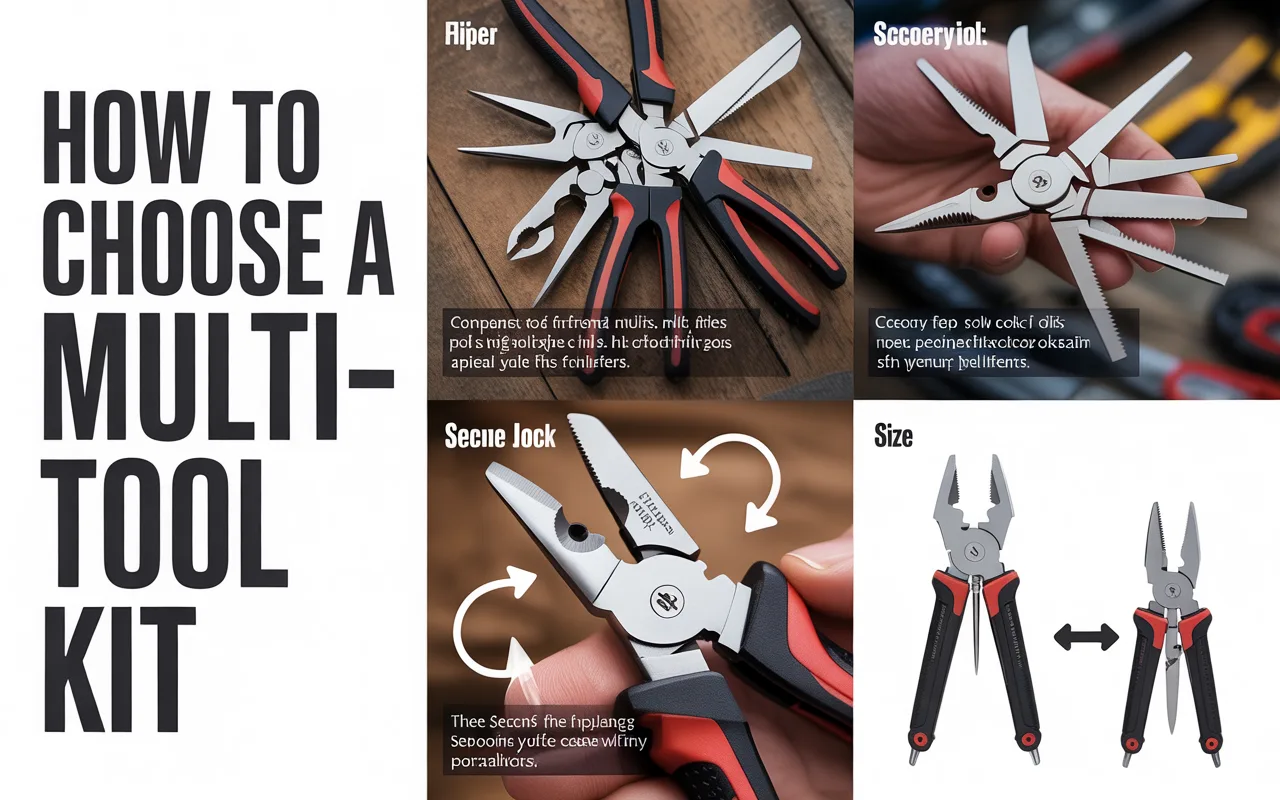
Learn exactly how to choose a multi tool kit that fits your needs and budget. We cover tool quality, must-have features, and brand reliability to help you decide.
You know that moment when you need a screwdriver, but all you have is a butter knife? Or when a loose screw drives you crazy, and you are miles away from your toolbox? That is exactly why a good multi tool kit matters. These handy gadgets put a whole bunch of tools right in your pocket or glove compartment.
But here is the thing. Walking into a store or browsing online can feel a bit overwhelming. There are so many options. Some cost as little as ten bucks, while others go well over a hundred. So how do you pick the right one without wasting your money? This guide will walk you through everything you need to know. We will keep it simple and practical, just like talking to a friend who knows tools.
I have used multi tools for years, from fixing squeaky doors to helping friends assemble furniture. I have made mistakes buying cheap ones that fell apart. I have also owned quality tools that lasted a decade. Let me share what I learned so you can get it right the first time.
What Is a Multi Tool Kit Exactly?
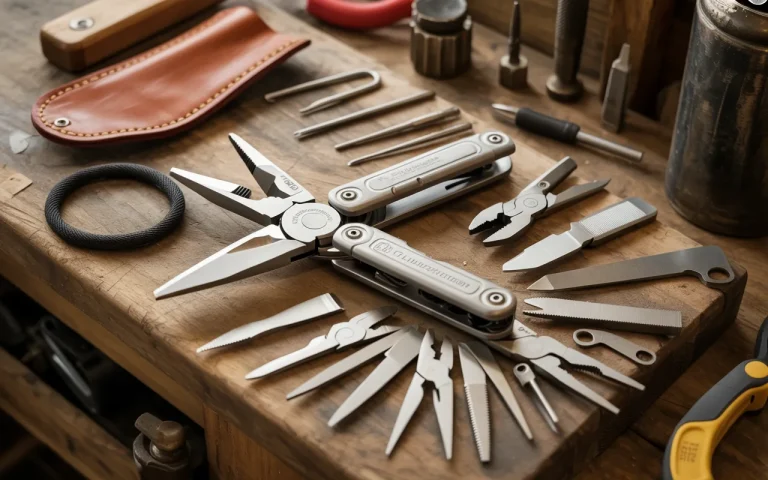
A multi tool kit is basically a handheld device that folds multiple tools into one compact package. Think of it as a toolbox that fits in your palm. Most designs feature a pair of pliers as the main component, with other tools folding out from the handles. You get things like knives, screwdrivers, scissors, saws, and bottle openers all in one place.
Some people confuse multi tools with Swiss Army knives. While they are similar, multi tools usually focus more on pliers and mechanical tasks. Swiss Army knives often emphasize blades and everyday carry items. Both are great, but understanding the difference helps you choose a multi tool kit that matches your actual needs .
The beauty of these tools is convenience. You do not need to carry a heavy toolbox to handle small repairs. Whether you are at home, in the car, or out camping, having one multi tool means you are ready for most little emergencies .
Why You Should Think Before You Buy
I will be honest with you. I once bought a really cheap multi tool because I wanted to save money. It looked okay in the package. But the first time I tried cutting a wire, the pliers bent, and the blade would not lock properly. It actually felt dangerous to use. That tool went straight into the trash.
This is why taking a few minutes to think about your purchase matters so much. A good multi tool is an investment. It can last you many years if you pick wisely. On the other hand, a poor choice means frustration, wasted money, and possibly even injury if a tool fails while you are using it.
The goal here is not to buy the most expensive option. It is to find the right balance of quality, features, and price for your specific situation. Let us break down exactly what to look for.
Key Factors to Help You Choose a Multi Tool Kit
Think About Your Daily Tasks
Before you even look at prices or brands, ask yourself one simple question. What will I actually use this for? Your answer makes all the difference.
If you mostly need something for around the house, like opening packages, tightening cabinet screws, or cutting loose threads, a basic model works fine. But if you are an electrician, plumber, or avid camper, your needs change completely. You might need wire strippers, heavy-duty pliers, or even a saw blade .
Make a quick mental list of the five things you fix most often. That list becomes your guide. For example, if you always adjust your bicycle before rides, look for a multi tool with hex keys and a chain tool . If you are a new homeowner, focus on models with good screwdrivers and pliers.
Look at Tool Quality and Materials
Not all steel is the same. Trust me on this. High-quality multi tools use stainless steel or other strong alloys that resist rust and hold an edge. Cheaper tools often use softer metals that bend, dull fast, or corrode when exposed to moisture .
Pay attention to how the tools lock into place. When you open a knife or screwdriver, it should lock securely. You do not want it folding back on your fingers while you apply pressure. That is both annoying and unsafe. Reputable brands design their tools with safety locks that keep everything firmly in position during use .
Another thing to check is the pliers. They are usually the heart of the tool. Open and close them a few times if you can. They should move smoothly without grinding or sticking. Good pliers have sharp cutters that can handle wire without leaving ragged edges .
Consider Size and Weight
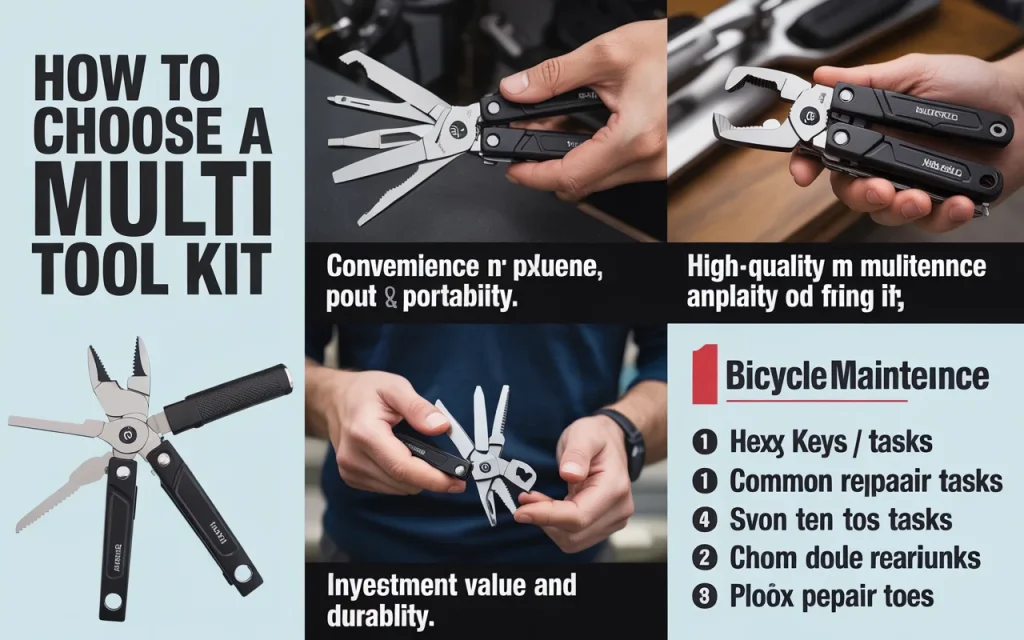
Multi tools come in different sizes for good reason. A larger tool gives you more leverage and usually includes more features. But it also weighs more and takes up space in your pocket. A smaller tool is easier to carry but might lack the strength for tough jobs .
Think about where you will keep this tool. Will it live in your pocket every day? Then weight matters a lot. Will it stay in your car glove box or desk drawer? Then a slightly bigger model is fine. Some people even buy two, one for the car and a smaller one for daily carry .
The best approach is to find a balance. You want something you will actually carry with you. If it is too heavy or bulky, you will leave it at home, and then it does you no good at all.
Number of Tools vs. Usefulness
Here is a common trap. People see a multi tool with thirty functions and think more is better. But manufacturers often count things creatively. They might list pliers as three separate tools, needle nose pliers, regular pliers, and wire cutters, just to boost the number .
What really matters is whether the tools you need are there and work well. A tool with ten high-quality functions beats a tool with twenty cheap, useless ones every time. Ask yourself if you honestly need a fish scaler or a special hook. Most people do not.
Focus on the essentials. A good blade, reliable pliers, scissors that actually cut, and screwdrivers that fit common screws. If those work great, everything else is just a bonus .
Warranty and Repairability
This point matters more than people realize. Good brands stand behind their products. Leatherman, for example, offers a 25-year warranty on many tools. Gerber has solid customer service too. These companies expect their tools to last and will fix them if something breaks .
But there is another factor. Can you replace worn parts? The wire cutters on multi tools take a beating. If you cut things you should not (and we all do sometimes), the cutters get dull or chipped. Some tools let you replace just the cutters for a few dollars. Others require sending the whole tool in for service. Replaceable cutters save time and hassle .
I learned this lesson after using my tool as a makeshift hammer. Yes, I admit it. The cutters suffered, but I swapped them out in minutes. If you plan to actually use your tool, look for models with replaceable components.
Budget and Value
You do not need to spend a fortune, but be careful with prices that seem too good to be true. A five-dollar multi tool from a discount store will likely fail when you need it most. It might even be dangerous if the blade folds unexpectedly .
That said, plenty of solid options exist in the twenty to fifty dollar range. Brands like Gerber and Leatherman offer entry-level models that maintain good quality without breaking the bank. As you spend more, you typically get better steel, more features, and sometimes lighter materials .
Think of it this way. A quality multi tool that costs forty dollars and lasts ten years is actually cheaper in the long run than buying a new ten-dollar tool every year. Pay once, cry once, as the saying goes.
Different Types of Multi Tool Kits for Different People
For Everyday Home Use
Around the house, you face all sorts of small tasks. Opening packages, tightening loose screws on furniture, snipping loose threads, maybe opening a drink bottle. A medium-sized multi tool with a good blade, scissors, and Phillips and flathead screwdrivers covers most of these jobs .
Look for something comfortable to hold. If the handles feel too thin or slippery, you will struggle when applying pressure. Rubberized inserts or textured metal help with grip. Also, consider whether you want outside-accessible tools. That means you can open things like the knife or scissors without unfolding the whole tool. It is a nice convenience .
For Car and Roadside Emergencies
Your car deserves its own multi tool. Roadside situations are different from home tasks. You might need to cut a stuck seatbelt, break a window in an emergency, or tighten something under the hood. Some multi tools include special features like glass breakers and belt cutters just for this purpose .
Also, think about corrosion. Cars get hot, cold, and humid. A stainless steel tool resists rust better than cheaper metals. Keep it in the glove box or center console where you can grab it quickly. You hope to never need it, but if you do, you will be very glad it is there .
For Outdoor Adventures and Camping
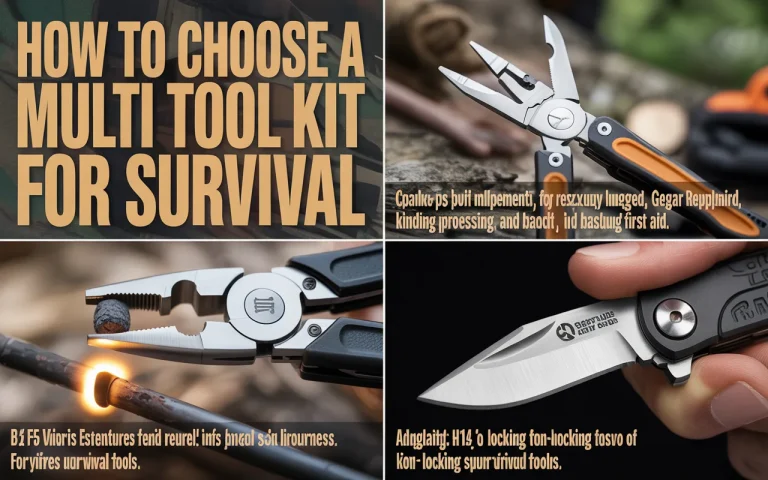
Camping and hiking put your multi tool through different tests. You might need to cut rope, prepare food, repair gear, or even process small branches for a fire. A saw blade becomes very useful here. Some outdoor-focused tools also include fire starters or whistle attachments .
Weight matters more when you carry everything on your back. Look for tools that balance features with portability. Bright colors help too. Dropping a multi tool in the leaves is frustrating, but a brightly colored handle is much easier to spot .
For Cycling Enthusiasts
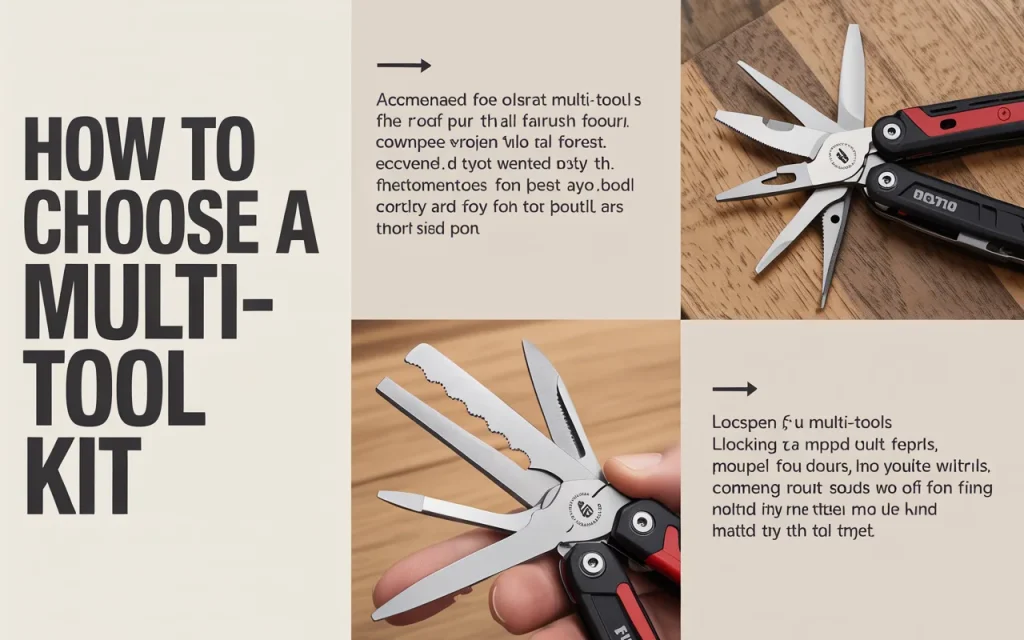
If you ride bikes regularly, you know things loosen up or break at the worst times. Cyclists need specific tools. Hex keys in various sizes, Torx bits for brake rotors, and maybe a chain tool for roadside repairs. Many bike-specific multi tools pack these functions into a small package that fits in a jersey pocket or saddle bag .
Check your bike before buying. See what size bolts your components use. There is no point carrying a tool with hex keys you never need while missing the one size your bike actually requires.
For First Aid and Rescue Situations
Some multi tools focus specifically on rescue work. They might include scissors instead of pliers, because scissors cut clothing and bandages faster. Features like oxygen tank wrenches or specialized belt cutters show up in these models. If you work in healthcare or emergency services, or just want extra preparedness, these tools deserve a look .
Quick Comparison: Popular Multi Tool Categories
| Tool Type | Best For | Key Features to Look For | Typical Weight |
|---|---|---|---|
| Everyday Carry | Daily small tasks, office, home | Compact size, good blade, scissors | 3-6 ounces |
| Heavy-Duty | Construction, mechanics, tough jobs | Full-size pliers, replaceable cutters, strong locks | 7-12 ounces |
| Outdoor/Camping | Hiking, fishing, survival situations | Saw blade, fire starter, bright color | 5-9 ounces |
| Cycling | Bike repairs on the go | Hex keys, Torx bits, chain tool | 2-5 ounces |
| Emergency/Rescue | Car, first aid kit, preparedness | Belt cutter, glass breaker, oxygen wrench | 4-8 ounces |
Brands That Consistently Deliver Good Quality
Over the years, a few brands keep showing up in recommendations from people who actually use tools daily. These companies have earned their reputation through consistent quality and good customer service .
Leatherman is probably the most recognized name. They make everything from keychain-sized tools to full-size workhorses. Their warranty is excellent, and replacement parts are usually available. Many of their models feature replaceable wire cutters, which is a huge plus .
Gerber offers innovative designs, including tools with spring-loaded pliers that open with one hand. They serve military and civilian markets alike. Their prices range from affordable to premium, so there is something for most budgets .
Victorinox makes the famous Swiss Army knives. Their multi tools follow the same philosophy, precision and quality. If you prefer a tool without bulky pliers, Victorinox offers sleek options with amazing fit and finish .
SOG uses a unique gear system in their pliers that multiplies force. This means you can grip tighter with less hand strength. They also offer some very compact models for people who want maximum portability .
“A quality multi tool is like a good friend. It shows up when you need it, handles whatever comes up, and stays reliable for years.” – Mark Torres, Carpenter and DIY Expert
Practical Tips for Testing and Using Your Multi Tool
Once you get your new tool, spend some time getting to know it. Open and close each function. Feel how they lock and release. Practice using the pliers on different objects. This familiarity helps when you actually need to fix something under pressure .
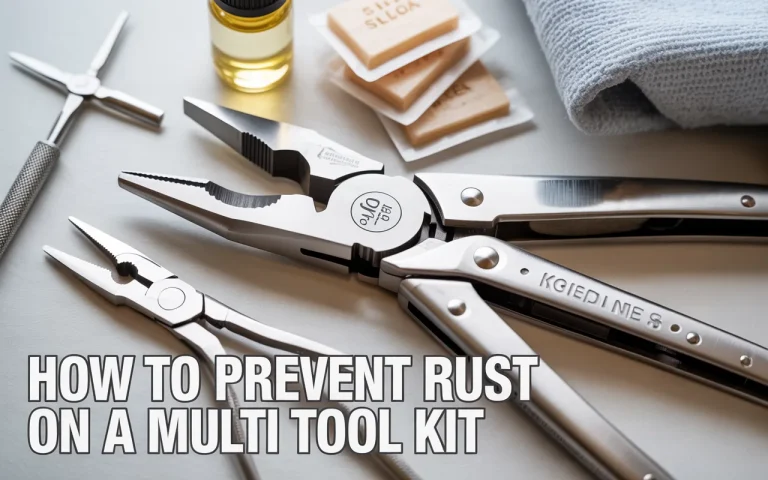
Keep your tool clean. Dirt and dust collect in the hinges over time, making operation stiff. A quick wipe with a cloth and an occasional drop of oil on the pivot points keeps everything moving smoothly. If you use it around salt water or wet conditions, rinse it with fresh water and dry it thoroughly .
Do not use tools for things they are not designed for. I know it is tempting to use pliers as a hammer or a screwdriver as a pry bar. But that is how things break. Use the right tool for the job, and your multi tool will last much longer.
Common Mistakes People Make When Buying
One big mistake is ignoring how the tool feels in your hand. A tool might look great online, but when you hold it, the edges dig into your palm or the reach feels awkward. If possible, visit a store and handle a few models before deciding .
Another error is buying based solely on price. The cheapest option often disappoints, but the most expensive is not always right for you either. Focus on value, which means getting the features you need at a fair price with good quality.
People also forget to check if tools are accessible without opening the pliers. Some models require you to unfold everything to get to the knife or screwdriver. Others let you access those tools from the outside. Think about which style suits how you work.
“I tell my students all the time, buy the best tool you can afford, take care of it, and it will take care of you. A multi tool is no different.” – Sarah Jenkins, Vocational Teacher
Maintenance and Care for Long Life
Taking care of your multi tool does not require much time. A few minutes every month keeps it in top shape. After heavy use, open all the tools and wipe away debris. Pay attention to the hinges where gunk builds up.
Apply a tiny drop of light machine oil to the pivot points. Work the tools back and forth to spread the oil. This prevents rust and keeps action smooth. Wipe away excess so it does not attract dirt .
If the blade gets dull, sharpen it with a proper sharpening stone or send it to a professional. Dull blades are actually more dangerous than sharp ones because they require more force and can slip.
Store your multi tool in a dry place. If you keep it in a toolbox or drawer, that is fine. If you carry it daily, your body heat and pocket lint can cause moisture buildup, so occasional cleaning becomes even more important.
Frequently Asked Questions
Is a more expensive multi tool always better?
Not always. Price often reflects materials, brand reputation, and included features. But a mid-range tool from a trusted brand can serve you perfectly well. The key is matching the tool to your actual needs rather than assuming expensive equals right for you .
How many tools do I really need?
Most people do fine with 10 to 15 quality functions. Focus on having the tools you use regularly, like pliers, knife, screwdrivers, and scissors. Extra features are nice but not essential. A tool with fewer but better-executed functions often works better than one packed with gimmicks .
Can I carry a multi tool on an airplane?
Generally, no. Most multi tools have knives and blades that violate airline security rules. Always pack them in checked luggage. Some very small tools without blades might be allowed, but check current regulations before flying .
What is the difference between locking and non-locking tools?
Locking tools secure the blade or tool in place during use. They will not fold closed accidentally. Non-locking tools rely on friction or a detent to stay open. Locking tools are generally safer, especially when you apply force .
How do I know if a multi tool will last?
Look at the materials, check the warranty, and read reviews from long-term owners. Brands that stand behind their products with solid warranties usually build better tools. Also, examine the construction. Tight tolerances and smooth action indicate good manufacturing .
Should I get a multi tool with a sheath or pocket clip?
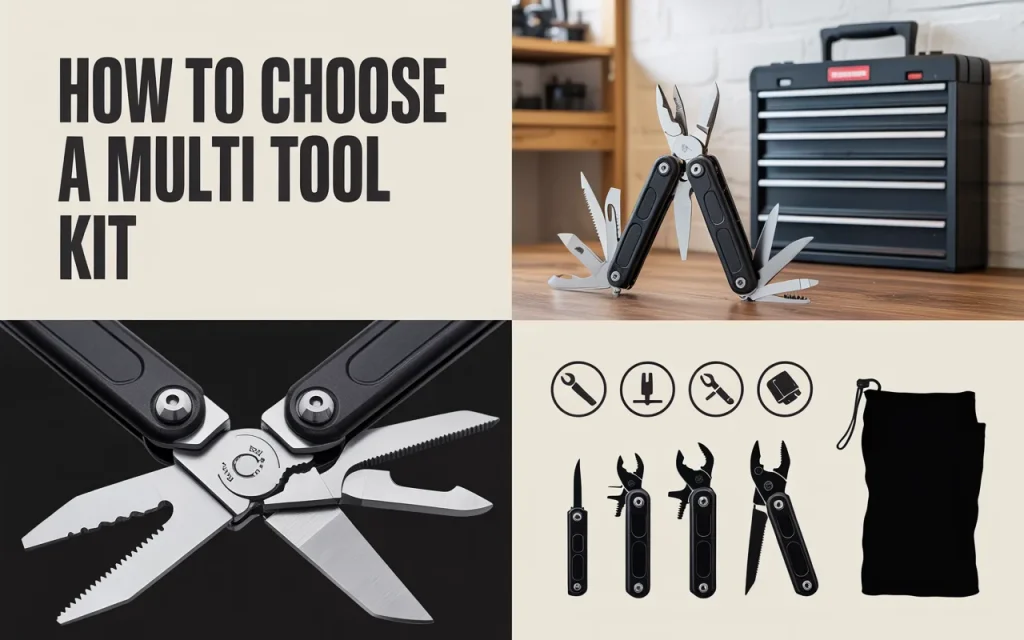
This is personal preference. Sheaths protect the tool and carry more securely on a belt. Pocket clips let you slip the tool into a pocket like a knife. Some tools come with both options. Think about how you dress and where you will carry it most .
Can I use a multi tool for heavy-duty work?
Multi tools handle light to medium tasks well. For heavy work like turning large bolts or cutting thick metal, full-sized tools work better. A multi tool is for convenience and portability, not replacing your garage toolbox .
Conclusion
Learning how to choose a multi tool kit really comes down to understanding your own life and what you actually fix day to day. There is no single perfect tool for everyone. But there is a perfect tool for you.
Start by listing the tasks you face regularly. Consider where you will carry the tool. Set a realistic budget that prioritizes quality over gimmicks. Look for trusted brands that offer good warranties and replaceable parts. Handle a few options if you can, and pay attention to how they feel in your hand.
Remember that a good multi tool is a long-term companion. It will be there when you need to tighten a screw, open a package, cut a rope, or make a quick repair. The right choice saves you frustration and gives you confidence that you can handle small problems as they come up.
Take your time, do a little research, and choose something that feels right for you. Your future self will thank you every time that tool comes out of your pocket to save the day.