
How To Choose The Right Multi Tool Kit For Survival Needs
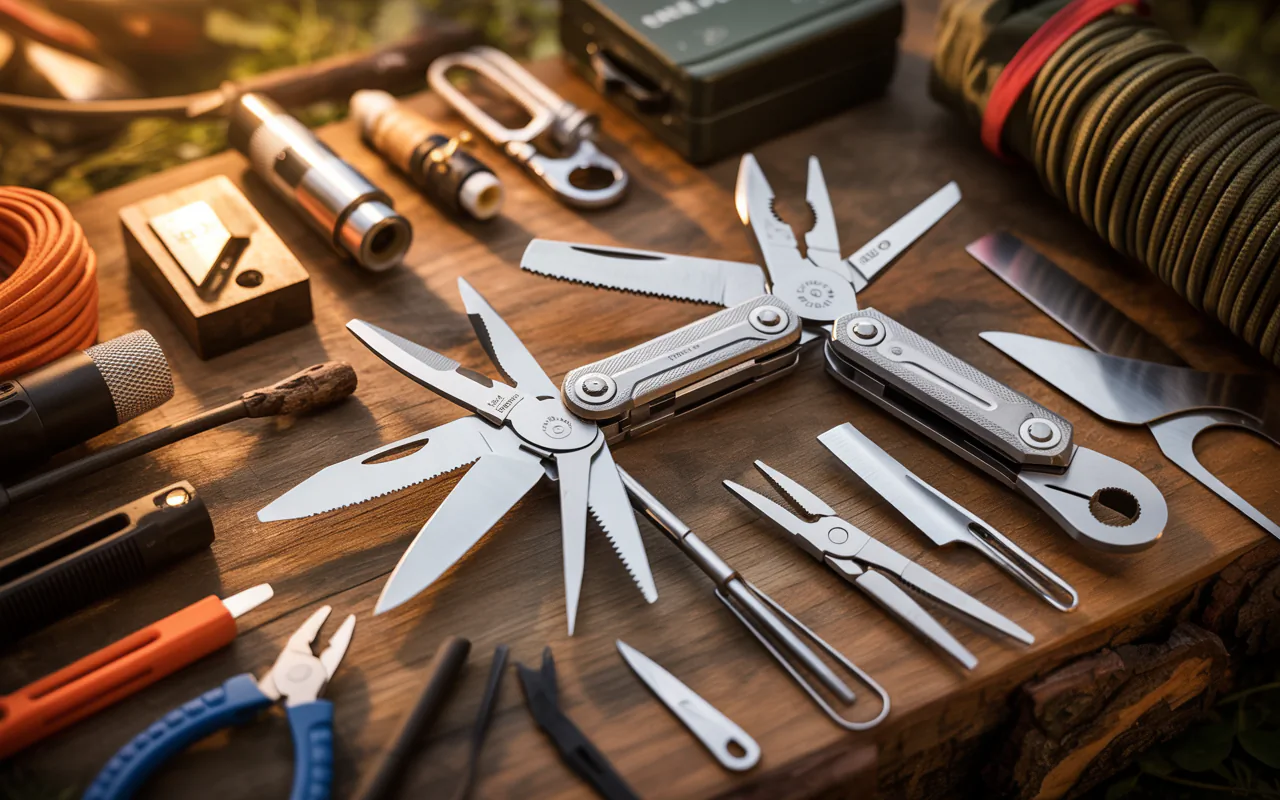
Need to choose the right multi tool kit for survival needs? Focus on blade quality, pliers, and build. This guide shows you how to pick a dependable tool for real emergencies.
You are out on a trail. The sky turns gray. Your backpack feels heavy. Then your gear fails. A strap breaks. A stove valve sticks. You need to cut, grip, or fix something fast. This is when a good multi tool kit saves the day. But not every multi tool is equal. Many look tough but break under pressure. So how do you choose the right multi tool kit for survival needs? This article gives you a clear path. No jargon. No fluff. Just honest advice from someone who has tested tools in rain, mud, and cold camps.
Let us walk through the key features. We will talk about steel, locking mechanisms, weight, and real-world use. By the end, you will know exactly what to look for. You will also avoid common mistakes that leave people with useless metal in their pocket.
Why a Standard Pocket Knife Is Not Enough for Survival
A single blade works for opening boxes or cutting rope. But survival situations ask for more. You may need pliers to pull a fishhook from your hand. You may need a saw to cut a small branch for a splint. You may need a screwdriver to tighten a loose hinge on your gear. A basic knife cannot do these jobs.
That is why you need to choose the right multi tool kit for survival needs instead of grabbing any random tool. The right kit turns one item into ten solutions. It reduces weight in your pack. It also keeps you calm because you know you have backup options.
“Simplicity in design often wins in the backcountry. A tool with fewer parts but better execution will serve you longer than a gadget with fifty useless features.” – Peter M., wilderness survival instructor with 20 years of search and rescue experience.
Core Features to Look For
Let us break down the main parts of a survival-ready multi tool kit. Use this list as your checklist.
1. Pliers and Wire Cutters
In a survival scenario, pliers help you handle hot cook pots, bend wire for shelter ties, or remove splinters. Look for needle-nose pliers with a good grip. The wire cutter should cut thin metal, not just soft copper. Avoid tools where the cutters are too small or poorly aligned.
2. Blade Quality and Steel Type
The main blade is your most used tool. 420HC steel is common and easy to sharpen. 154CM or CPM S30V hold an edge longer but cost more. Avoid cheap stainless steel that rusts or chips. A plain edge is better than a serrated edge for survival tasks because you can sharpen it on a flat rock.
3. Locking Mechanism
Non-locking tools close on your fingers under pressure. That is dangerous when you cut thick material. Choose a kit where every tool locks open. Look for liner locks or frame locks. Test the lock before you buy. It should click firmly with no wobble.
4. Saw Blade
A short saw (around 2 to 3 inches) cuts small wood for fire, tent stakes, or a travois. The teeth should be sharp and spaced evenly. Avoid saws that are too fine (like metal saws) because they clog with wood resin.
5. Scissors or Shears
Scissors cut fabric for bandages, tape, or cordage better than a blade. Some multi tools include sturdy shears. This is a plus for first aid.
Here is a quick table to compare common steel types you will find when you choose the right multi tool kit for survival needs.
| Steel Type | Edge Retention | Rust Resistance | Ease to Sharpen | Best For |
|---|---|---|---|---|
| 420HC | Medium | Good | Easy | General survival |
| 154CM | High | Medium | Moderate | Heavy cutting |
| CPM S30V | Very High | High | Hard | Long trips |
| 440C | Medium | Medium | Moderate | Budget picks |
Size and Weight Trade Offs
A heavy multi tool stays in your bag. A light one rides on your belt. But too light often means weak parts. You want a balance. Full-size tools weigh 7 to 10 ounces (200 to 280 grams). Keychain tools weigh 2 to 4 ounces but lack pliers and saws.
Think about your survival environment. For day hikes in mild woods, a medium tool (5 to 7 ounces) works fine. For multi-day trips or remote areas, carry a full-size tool. Remember that you also carry a fixed blade knife? Then you can choose a lighter multi tool without a main blade.
“The weight on your hip is the tool you will actually use. A perfect tool left in the car is useless. Pick something that feels right in your hand and on your belt.” – Linda R., former Army survival instructor and gear reviewer.
Handles and Ergonomics
Metal handles look cool but get cold in winter. They also slip when wet. Look for textured grips or rubber inlays. The handle should not have sharp edges that dig into your palm when you squeeze the pliers hard.
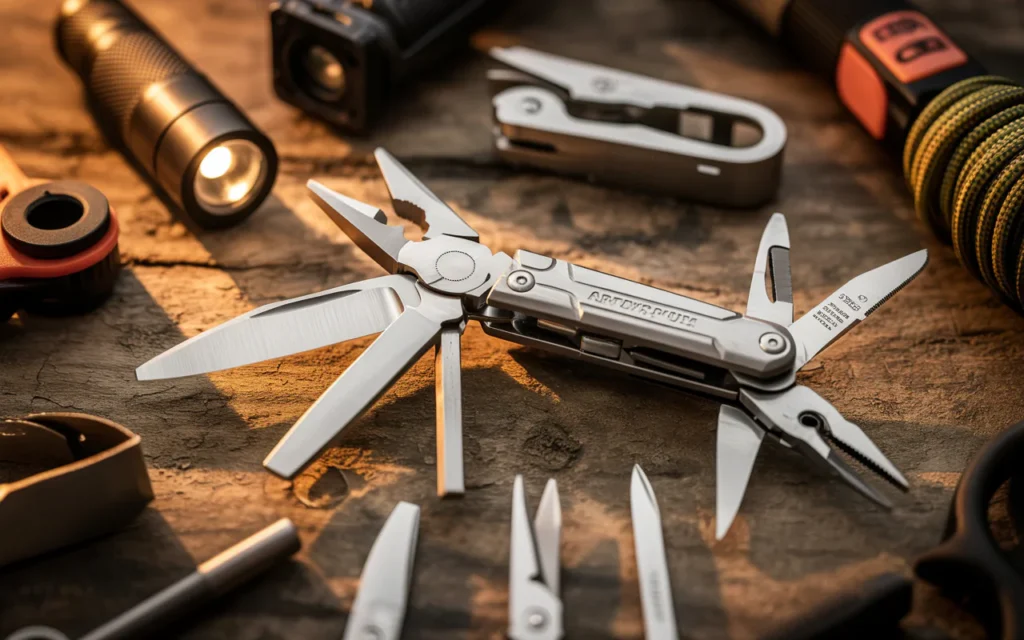
Open the multi tool fully. Does the handle pinch your skin? Do the tools stick out uncomfortably? Close it. Does the spring assist feel natural? Good ergonomics reduce hand fatigue. Bad ergonomics cause blisters and dropped tools.
Tool Selection vs. Gadget Overload
Many brands pack 20+ tools into one kit. You get a corkscrew, a file, a ruler, a bottle opener, a wire stripper, and more. But here is the truth: you rarely use half of them. Extra tools add weight and make the kit bulky.
Focus on the essentials for survival:
- Pliers
- Plain blade
- Saw
- Awl or punch
- Can opener
- Flathead and Phillips screwdrivers
Everything else is a bonus. When you choose the right multi tool kit for survival needs, ignore gimmicks like mini scissors that break or tiny LED lights that die fast.
Here is a second table showing useful vs. unnecessary tools.
| Essential Tools | Nice to Have | Usually Unnecessary |
|---|---|---|
| Needle-nose pliers | Scissors | Corkscrew |
| Wire cutters | File | Fish scaler |
| Plain edge blade | Serrated blade | Magnifying glass |
| Wood saw | Bottle opener | Mini compass (inaccurate) |
| Awl | Ruler | Chisel |
| Can opener | Small wrench (too weak) |
One-Handed Operation
In an emergency, you may have one hand injured or holding onto a tree branch. A multi tool that requires two hands to open a blade is a problem. Look for models with thumb studs or flipper tabs on the knife blade. The pliers should open smoothly with one hand too.
Test this in a store if you can. Hold the tool in your right hand. Can you flick open the main blade without using your other hand? Can you access the screwdriver while holding a flashlight? These small details matter when stress levels are high.
Durability and Hinge Quality
Cheap multi tools use soft metal for the hinge pins. After a few uses, the tools become loose and wobbly. Good brands use brass or steel washers between each tool. This prevents side-to-side play.
Check the pivot points. Open and close the pliers several times. They should move with steady resistance, not sudden looseness. Also look for rustproof coatings like black oxide or stainless bead blast. Avoid painted surfaces that chip off inside your pocket.
Real-World Testing: What I Learned
I once carried a budget multi tool on a three-day winter trip. On the first night, the plier spring broke. On the second day, the screwdriver twisted while I tried to fix a stove. By day three, the blade would not lock open. I learned an expensive lesson. Cheap tools fail when you need them most.
After that, I switched to a mid-range brand. That tool has seen rain, mud, saltwater, and dropped rocks. It still works perfectly. So my advice is simple. Spend between 40 and 80 dollars. That range gives you good steel, solid locks, and reliable hinges. Avoid 15-dollar multi tools from gas stations. Also avoid 150-dollar tools with features you will never touch.
“Buy once, test twice, trust forever. I tell my students to use their survival tool for 30 days straight before any real trip. If it breaks in the backyard, it would have broken on the mountain.” – Carlos D., survival school owner and lead guide.
Brand Reputation and Warranty
Stick with known brands that offer a warranty. Leatherman, Gerber, Victorinox, and SOG have good track records. Read recent reviews, not just top-rated ones. Look for complaints about broken springs or rusty blades. A 25-year warranty is great only if the company exists to honor it.
Also check if replacement parts are sold separately. Some brands sell pocket clips, replacement saw blades, or screwdriver bits. This adds long-term value.
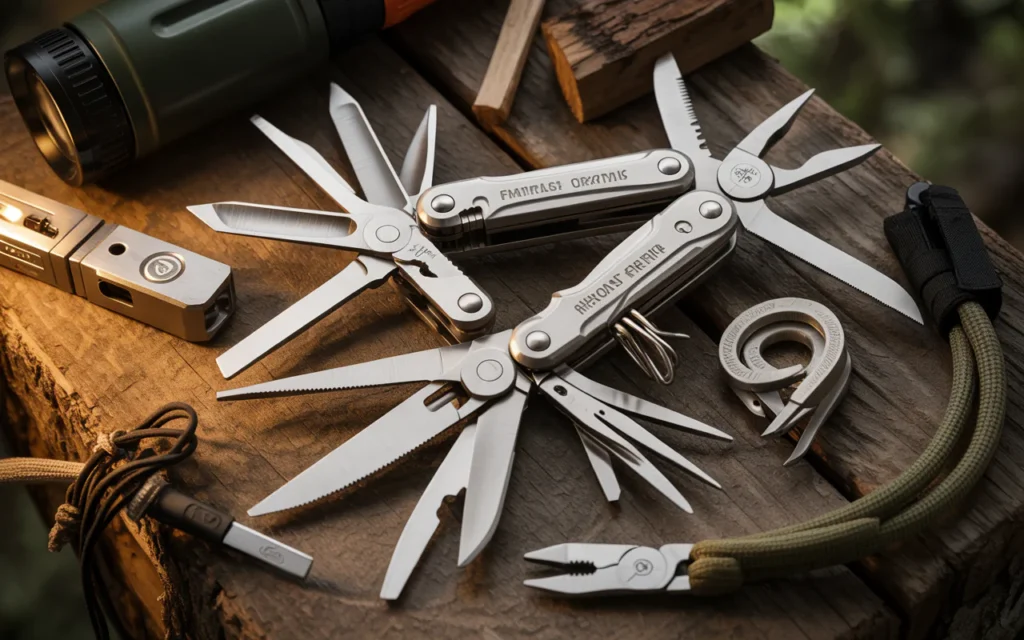
Carry Method Matters
How you carry the tool affects how often you use it. Options include:
- Belt sheath (bulky but fast access)
- Pocket clip (slim but can fall out)
- Keychain loop (only for very small tools)
- Bag pocket (slow but secure)
For survival needs, a belt sheath is best. It keeps the tool right there when you need both hands free. Make sure the sheath has a snap or Velcro strap. A loose sheath will drop your tool into a river or down a slope.
Maintenance Tips for Long Life
A good multi tool lasts decades with simple care. After each trip:
- Rinse off mud and sap with warm water.
- Dry fully before closing.
- Apply a drop of mineral oil to all hinges and the blade pivot.
- Tighten any loose screws with a small Torx driver.
Do not put it in a dishwasher. Do not soak it in salt water. Do not use it as a pry bar or hammer. A multi tool is not a crowbar. Use the right tool for heavy prying (a separate steel bar).
How to Choose the Right Multi Tool Kit for Survival Needs: A Simple Decision Flow
Still unsure? Answer these five questions in order.
- Where will you use it? (Forest, desert, coast, or mountain) – Coastal areas need more rust resistance.
- What is your backup? (Do you carry a separate fixed blade knife?) – If yes, you can skip the main blade on the multi tool.
- How strong are your hands? (Weak grip means you need easy spring action and smooth locks.)
- What is your budget? (40 to 80 dollars is the sweet spot for survival reliability.)
- Do you need one-hand opening? (Yes for emergency use. No for casual camp tasks.)
Follow these answers, and you will choose the right multi tool kit for survival needs without confusion.
Frequently Asked Questions
Q1: Can I use a multi tool for self defense?
No. A multi tool is not a weapon. The blade is too short, and the pliers are clumsy. Carry pepper spray or a dedicated fixed blade for defense. Use the multi tool for practical survival tasks only.
Q2: How often should I sharpen the blade?
Sharpen when the blade drags across paper instead of slicing cleanly. After heavy use, a few passes on a fine stone or ceramic rod work well. Light use may need sharpening once a year.
Q3: Are multi tools allowed on airplanes?
No. Any blade longer than 6 cm is forbidden in carry-on luggage. Pack your multi tool in checked bags. Even small keychain tools with a blade may be confiscated. Check TSA rules before flying.
Q4: What is the best multi tool for wet environments?
Look for titanium coating or marine-grade stainless steel. Rinse and dry after every use. Apply silicone spray to hinges. Leatherman’s “Charge” series with rust-resistant steel works well near salt water.
Q5: Can I replace broken parts myself?
Some brands sell replacement saws, blades, or springs. Others require sending the whole tool back. Before you buy, search online for “replacement parts [brand name].” If nothing shows up, assume you cannot fix it yourself.
Q6: Should I buy a multi tool with a bit driver?
Only if you frequently use hex or Torx bits in the field. Bit drivers add bulk. For most survival needs, a simple flathead and Phillips screwdriver are enough. Bit kits also drop and get lost easily.
Q7: How do I clean a multi tool that got sand inside?
Rinse under warm running water while opening and closing all tools. Do not use compressed air (it pushes sand deeper). Let it drip dry for two hours. Then oil the hinges. Repeat if the grit remains.
Q8: What is a reasonable price for a survival multi tool?
35 to 45 dollars for entry level with basic steel. 60 to 90 dollars for good steel and strong locks. Above 100 dollars is for collectors or very specific professional use. Most survival needs fit the 50 to 70 dollar range.
Conclusion
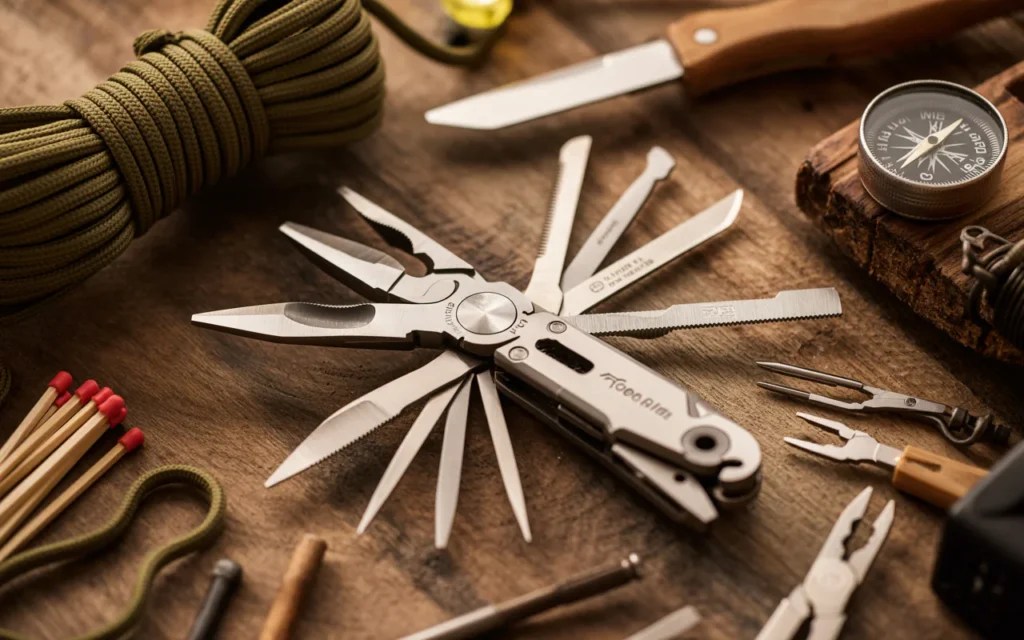
You now have a clear map. You know which steel lasts. You know why a locking blade saves fingers. You know to avoid gimmicks and weight. Most of all, you know how to choose the right multi tool kit for survival needs by focusing on pliers, blade, saw, and solid hinges.
Take your time. Read reviews from real users. Visit a store to hold three or four models. Close your eyes. Squeeze the pliers. Open the blade. Does it feel like an extension of your hand? If yes, buy it. Then test it at home for a month. Cut rope. Saw a stick. Turn a screw. Fix a broken chair. Only after that test should you pack it for a real survival situation.
A good multi tool does not scream for attention. It sits quietly on your belt. But when the storm hits or the gear fails, it becomes your best friend. Choose wisely. Maintain it well. And it will serve you for many years of safe adventures.
Related posts
 Top Tool Bags for Apprentices and Trainees in 2026
Discover the top tool bags for apprentices and trainees in 2026. Compare durable, portable, and organized storage solutions to keep your gear ready for the job.…
 Top Tool Bags for DIY Homeowners in 2026
Discover the top tool bags for DIY homeowners in 2026. Compare durable organizers, backpacks, and storage solutions to keep your home repair gear ready. Keeping your…
 Top Tool Bags for Apprentices and Trainees 2026
Discover the top tool bags for apprentices and trainees in 2026. Compare durable, portable, and organized storage solutions to help you start your trade right. Starting…