
How To Choose The Right Multi Tool Kit For Camping
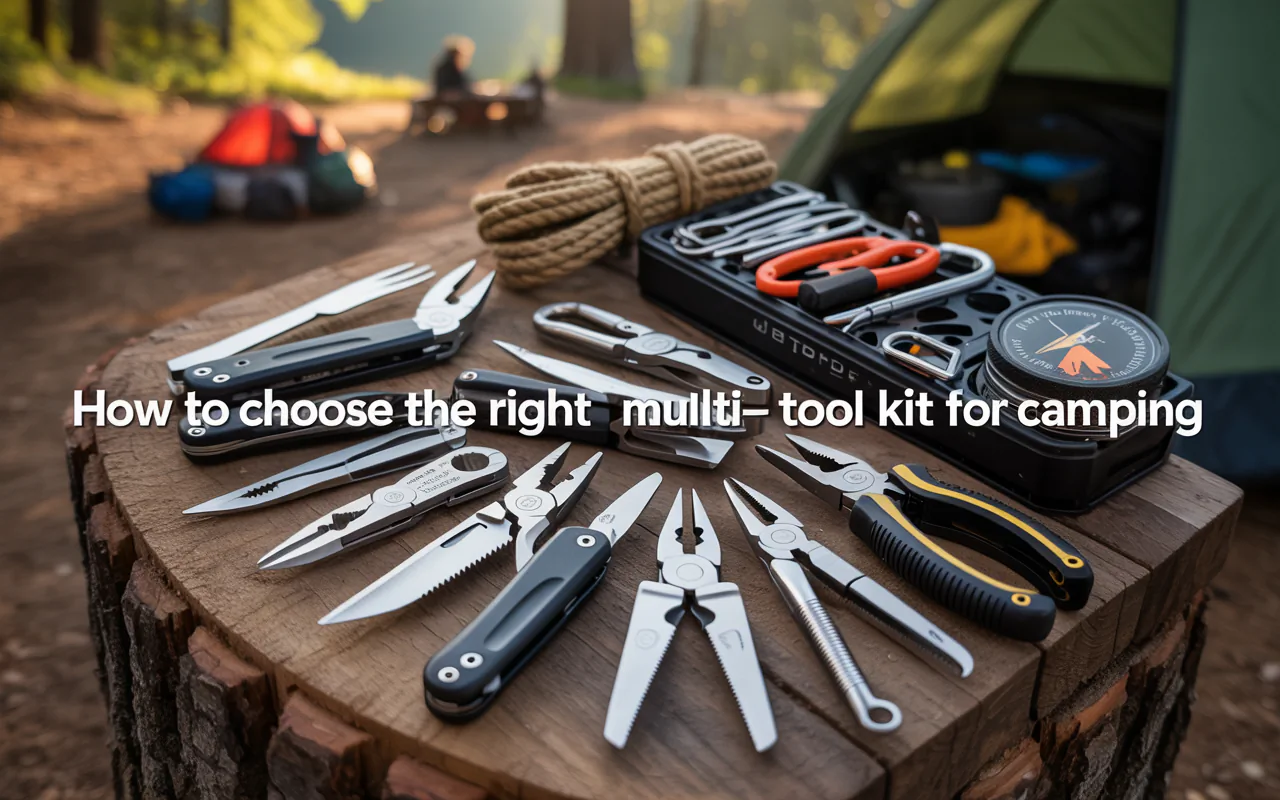
Learn how to choose the right multi tool kit for camping with this simple guide. Get tips on tools, weight, and safety for your next outdoor trip.
A good camping trip depends on being ready for small problems. A broken tent pole. A loose screw on your stove. A can that won’t open. These little issues can ruin your evening. But one small item can solve most of them: a multi tool kit. The problem is that stores sell hundreds of options. How do you pick the best one for your needs? This guide will show you exactly how to choose the right multi tool kit for camping without stress or confusion.
I have camped for over 15 years. I have used cheap tools that broke on the first day. I have also used expensive ones that felt like overkill. Through trial and error, I learned what works and what does not. Let me share that experience with you.
“The best tool is the one you have with you when things go wrong.”
— Bear Grylls, adventurer and survival expert
Why You Need a Multi Tool Kit for Camping
Camping is different from home. You cannot run to the garage for a screwdriver. You cannot borrow pliers from a neighbor. A multi tool kit puts many tools in your pocket or pack. You get pliers, knives, scissors, screwdrivers, and more in one small package.
Without a good kit, small repairs become big problems. A loose bolt on your camping chair means sitting on the ground. A broken zipper on your tent means bugs get inside. A multi tool kit fixes these issues fast. It also helps with food prep, cutting rope, and opening packages.
But not every kit works for camping. Some are too heavy. Some have useless tools. Some rust after one rainy night. That is why learning to choose the right multi tool kit for camping saves you money and frustration.
Key Factors to Consider Before Buying
Before you look at any product, ask yourself three questions. Your answers will guide every choice you make.
Question 1: What type of camping do you do?
Car camping means you drive to a site. Weight does not matter much. You can bring a larger, heavier kit with many tools. Backpacking means you carry everything. Every ounce counts. You need a light, small kit. Winter camping needs tools that work with gloves. Canoe camping needs tools that resist water damage.
Question 2: What tasks do you actually do?
Be honest. Do you fix stoves? Cut wood? Repair fishing gear? Or do you mostly open food packages and cut rope? Your real needs matter more than a long features list. Many people buy huge kits but only use the knife and pliers.
Question 3: What is your budget?
Good multi tool kits start around $25. Great ones go up to $150. You do not need the most expensive model. But avoid the very cheapest. A $10 kit will bend, break, or rust. That wastes your money and leaves you without help in the woods.
| Camping Style | Recommended Weight | Suggested Tool Count |
|---|---|---|
| Car camping | 8–12 ounces | 15–20 tools |
| Backpacking | 4–7 ounces | 8–12 tools |
| Winter camping | 6–10 ounces | 10–15 tools (glove-friendly) |
Must Have Tools in a Camping Multi Tool Kit
Not every tool matters for camping. Some tools are useless in the woods. Focus on these essentials.
Pliers (Needle Nose)
Pliers are the most used part of any camping multi tool. You will pull tent stakes. Bend metal parts. Hold hot cookware. Remove splinters. Needle nose pliers reach into tight spaces. They also grip small items like fishing hooks or broken zipper pulls.
Knife Blade (Straight Edge)
A sharp blade cuts rope, opens food packages, and prepares kindling. Look for a straight edge blade. Serrated blades are hard to sharpen in the field. A 2 to 3 inch blade works for almost every camping task. Avoid very small blades under 1.5 inches. They lack leverage.
Scissors
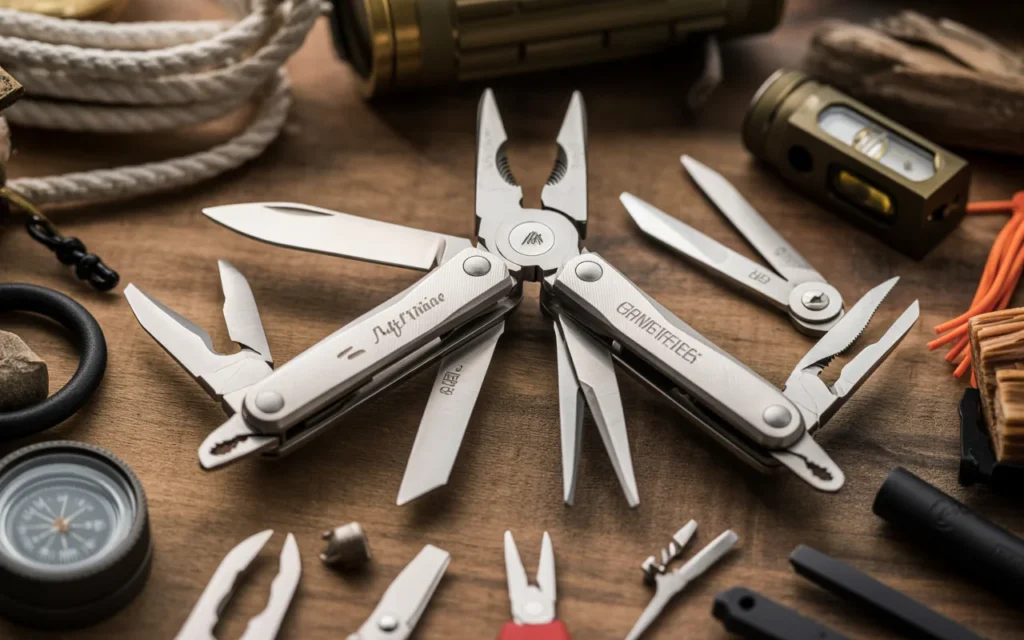
Many campers forget scissors. But they are incredibly useful. Cut bandages. Trim fishing line. Open food pouches. Cut tape or cord. Scissors also do jobs where a knife feels unsafe, like cutting near your fingers or clothing.
Screwdrivers (Flathead and Phillips)
Camping gear uses screws. Stoves, lanterns, headlamps, and even some tent poles have small screws. A loose screw makes a device useless. Having both flathead and Phillips drivers saves your trip. Some multi tools use interchangeable bits. Others have fixed drivers on the handles.
Can Opener
Canned food is common on camping trips. Beans, chili, tuna, and soups often come in cans. A can opener on your multi tool kit works fast. It also opens other sealed containers. Do not rely on a knife blade for this task. That is dangerous and dulls the blade.
Bottle Opener
After a long hike, a cold drink feels great. A bottle opener is simple but very welcome. Many multi tools combine the bottle opener with a flathead screwdriver. That saves space without losing function.
Awl or Punch
An awl makes holes in leather, fabric, or plastic. Need to add a new hole in your belt? Fix a torn backpack strap? The awl does this cleanly. It also starts holes for sewing repairs.
“Simplicity is the soul of efficiency. A good tool does one thing well, not ten things poorly.”
— Audrey Freedman, outdoor gear designer
Tools You Probably Do Not Need
Some tools sound useful but rarely get used during camping. Save weight by skipping these.
- Wood saw – Unless you build shelters, a small saw takes too long for firewood. Use a dedicated folding saw instead.
- File – When do you need a metal file while camping? Almost never.
- Ruler – You can guess distances or use your gear for measuring.
- Fish scaler – Most campers buy pre cleaned fish. This tool adds weight with no benefit.
- Wire cutter – Pliers already cut thin wire. A dedicated wire cutter is overkill.
| Essential Tools | Nice to Have Tools | Skip These Tools |
|---|---|---|
| Pliers | Wood saw | Fish scaler |
| Knife blade | Wire cutter | Ruler |
| Scissors | Serrated blade | Metal file |
| Screwdrivers | Spring loaded pliers | Corkscrew |
| Can opener | Replaceable bits | Small tweezers |
| Bottle opener | Pocket clip | Magnifying glass |
Handle Design and Locking Mechanisms
The handle changes how the tool feels in your hand. Metal handles last longer but get cold in winter. Nylon or rubber handles feel warmer and provide better grip. Try to hold the tool before buying if possible.
Locking mechanisms keep blades from closing on your fingers. This is very important for safety. A liner lock or frame lock holds the blade open until you press a release. Slip joint tools have no lock. They can close accidentally. For camping, choose a locking multi tool kit. Fingers get cold and tired. A lock prevents accidents.
Spring loaded pliers open automatically after you squeeze. This reduces hand fatigue. Non spring pliers require you to open them manually. Both work, but spring loaded feels nicer for repeated use.
Weight and Size for Different Camping Styles
Weight matters more than many people think. A heavy multi tool kit stays in the car or at home. A light one goes in your pocket.
For Backpackers
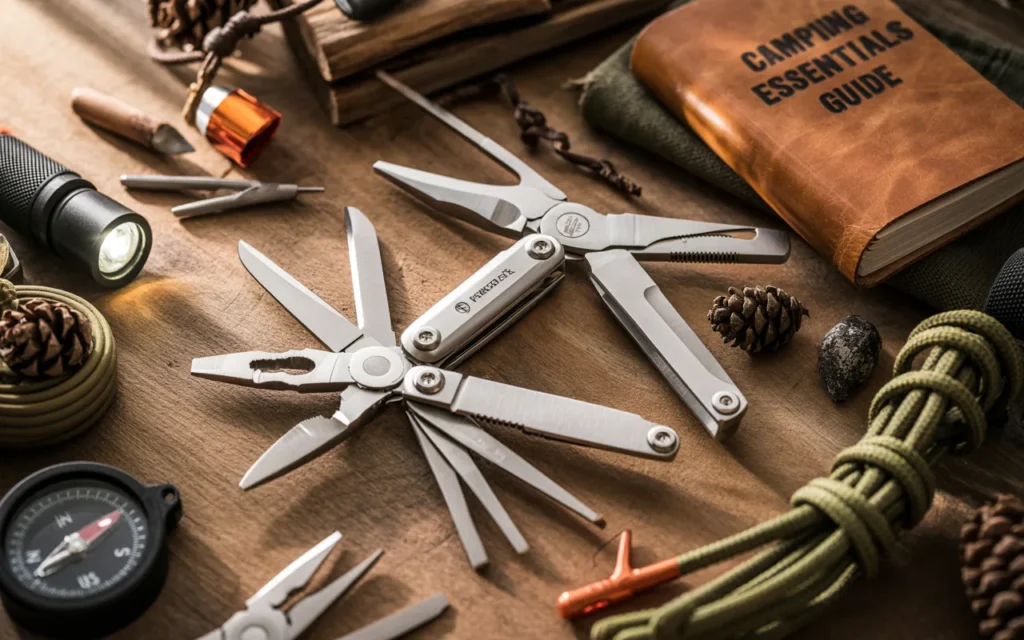
Look for tools under 6 ounces. Leatherman Skeletool or Gerber Dime are good examples. They have only the essential tools. No extras. Small size also matters. The tool should fit in a pant pocket or hip belt pouch.
For Car Campers
Weight is not a big issue. You can carry a full size multi tool kit like the Leatherman Surge or Wave Plus. These have 18 to 20 tools. They feel solid and handle hard use. Keep it in your glove box or cook kit.
For Winter Campers
Glove friendly design is critical. Look for larger handles and tools that open wide. Avoid small, fiddly tools. Your fingers lose dexterity in the cold. Also check for rust resistance. Winter moisture ruins cheap steel.
“Buy cheap tools twice. Buy good tools once. The second purchase always costs more.”
— Tommy Caldwell, rock climber and adventurer
Steel Quality and Rust Resistance
The steel determines how long your tool lasts. Three types appear most often.
Stainless steel resists rust well. It works for most campers. It does not hold an edge as long as carbon steel, but that trade off is fine for camping. Clean it after each trip and dry it fully.
High carbon stainless steel blends rust resistance with edge retention. This is the best choice for most people. Brands like 420HC or 154CM fall into this group.
Carbon steel holds a very sharp edge. But it rusts easily. One wet night can ruin it. Only buy carbon steel if you are very careful about drying and oiling your tool after every use.
Avoid cheap “surgical steel” or no name alloys. These are often soft and dull quickly. Stick with known brands like Leatherman, Gerber, Victorinox, or SOG.
Locking vs. Non Locking: Safety First
Always choose a locking blade for camping. Here is why.
You work with cold hands. You may be tired after a long hike. You might use the tool in the dark. A non locking blade can close on your fingers. That causes deep cuts. A locking blade stays open until you push a release.
Some countries restrict locking knives. Check local rules before traveling. For most US camping, locking tools are legal and safe.
Non locking tools are smaller and lighter. But the safety risk is not worth the weight savings. Only experienced campers should consider non locking designs.
Top 3 Reliable Brands for Camping Multi Tools
You do not need the most expensive brand. But you should avoid unknown brands with fake reviews. These three companies have proven records.
Leatherman – American made. Very strong. Wide range of sizes. The Wave Plus is the most popular camping model. It has 18 tools and weighs 8.5 ounces.
Gerber – Good balance of price and quality. The Suspension NXT is affordable at $40. It has 15 tools. The pliers slide out with one hand.
Victorinox – Swiss Army Knife company. Very high quality steel. The Ranger Grip 79 has large tools for gloved hands. Not as many pliers features, but excellent knives and saws.
How to Test Your Multi Tool Kit Before Camping
Never bring a new tool straight into the woods. Test it at home first. Open every tool. Close every tool. Make sure nothing sticks or wobbles.
Cut some rope. Open a can of beans. Turn a screw on an old piece of gear. Use the pliers to bend a wire. This testing shows you any problems before you need the tool for real.
Also practice with gloves on. Put on your camping gloves or thick socks on your hands. Can you still open the blade? Can you unlock it safely? If not, the tool may not work for cold weather camping.
Maintenance and Care for Long Life
A multi tool kit lasts for years with basic care. Follow these steps after each camping trip.
- Rinse off dirt and mud with fresh water.
- Open all tools and let them air dry completely.
- Add one drop of oil (mineral oil or multi purpose oil) to each pivot point.
- Wipe away extra oil with a cloth.
- Store the tool dry, not in a wet pack or damp car.
Do not put your multi tool in a dishwasher. Heat and detergent damage the steel and the locking mechanisms. Do not soak it in water overnight. Do not use it as a hammer or pry bar. That bends the frame.
Frequently Asked Questions
How to choose the right multi tool kit for camping if I have small hands?
Look for compact models like the Leatherman Juice or Gerber Dime. Avoid full size tools over 4 inches closed. Try holding the tool in a store before buying.
Can I bring a multi tool kit on a plane?
No. TSA rules forbid any knife blade in carry on luggage. Put your multi tool in checked baggage only.
Is a Swiss Army Knife better than a multi tool kit for camping?
Swiss Army Knives are lighter and have great scissors. But they lack strong pliers. For pliers based tasks, choose a multi tool kit. For cutting and screwdriving, a Swiss Army Knife works well.
What is the best multi tool kit for budget camping?
The Gerber Suspension NXT at $40 offers good value. The Ozark Trail 15 in 1 at Walmart ($15) works for very light use but may break under hard work.
How often should I sharpen the blade?
Sharpen when the blade no longer cuts paper cleanly. For most campers, that means once per season. Use a small sharpening rod or pull through sharpener.
Do multi tool kits rust in rain?
Stainless steel resists rust but is not rust proof. Dry your tool after wet use. Store it in a dry place. Oil it twice per year. It will stay rust free for many years.
Conclusion
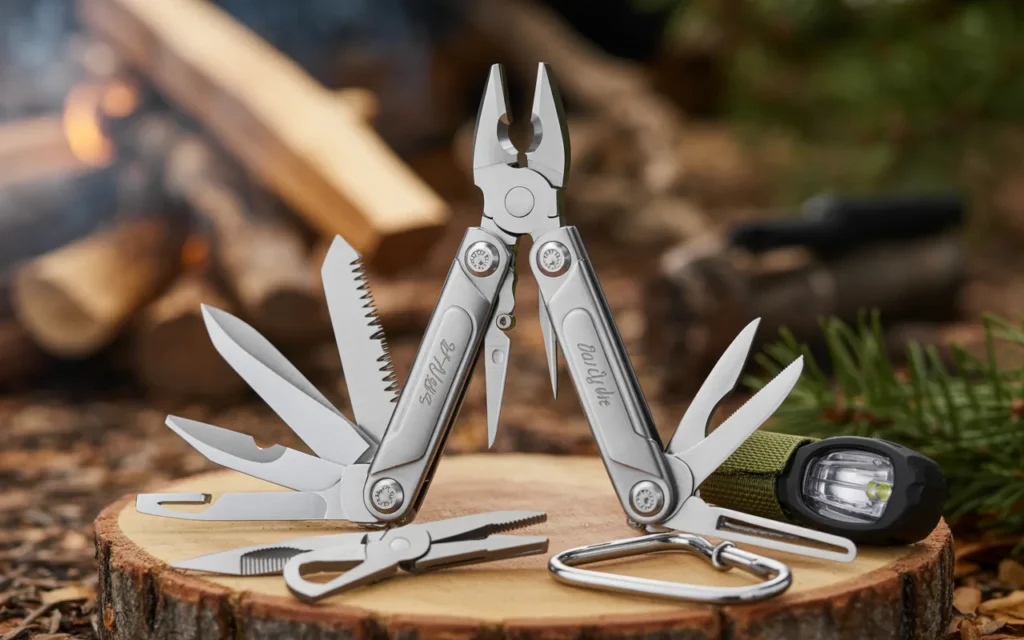
Learning to choose the right multi tool kit for camping does not require a big budget or expert knowledge. Focus on your real needs. Get strong pliers, a sharp knife, good scissors, and a few screwdrivers. Pick a weight that matches your camping style. Choose stainless steel from a trusted brand. Test it before you go. Clean it after you return.
A good multi tool kit becomes a trusted friend on the trail. It fixes small problems before they become big ones. It saves your trip more than once. And it fits in your pocket, ready to help. Start with the tips in this guide. Pick one tool that matches your needs. Then enjoy your next camping trip with confidence and peace of mind.
Related posts
 Top Cordless Oscillating Multi Tool Kits for Every Project
Compare the top cordless oscillating multi tool kits to find the perfect fit for your projects. Discover powerful options and essential accessories. Cordless oscillating multi-tools are…
 Top Keychain Multi Tool Kits: Find Your Perfect Everyday Carry Companion
Compare top keychain multi tool kits for everyday carry. Discover compact tools with pliers, knives, and bottle openers for your daily needs. A keychain multi-tool is…
 Top Multi Tool Kits for Bushcraft Adventures
Discover the top multi tool kits for bushcraft. Compare essential features, durability, and versatility to find your ideal outdoor companion. Embarking on bushcraft adventures requires reliable…