
How To Avoid Buying Unnecessary Tools
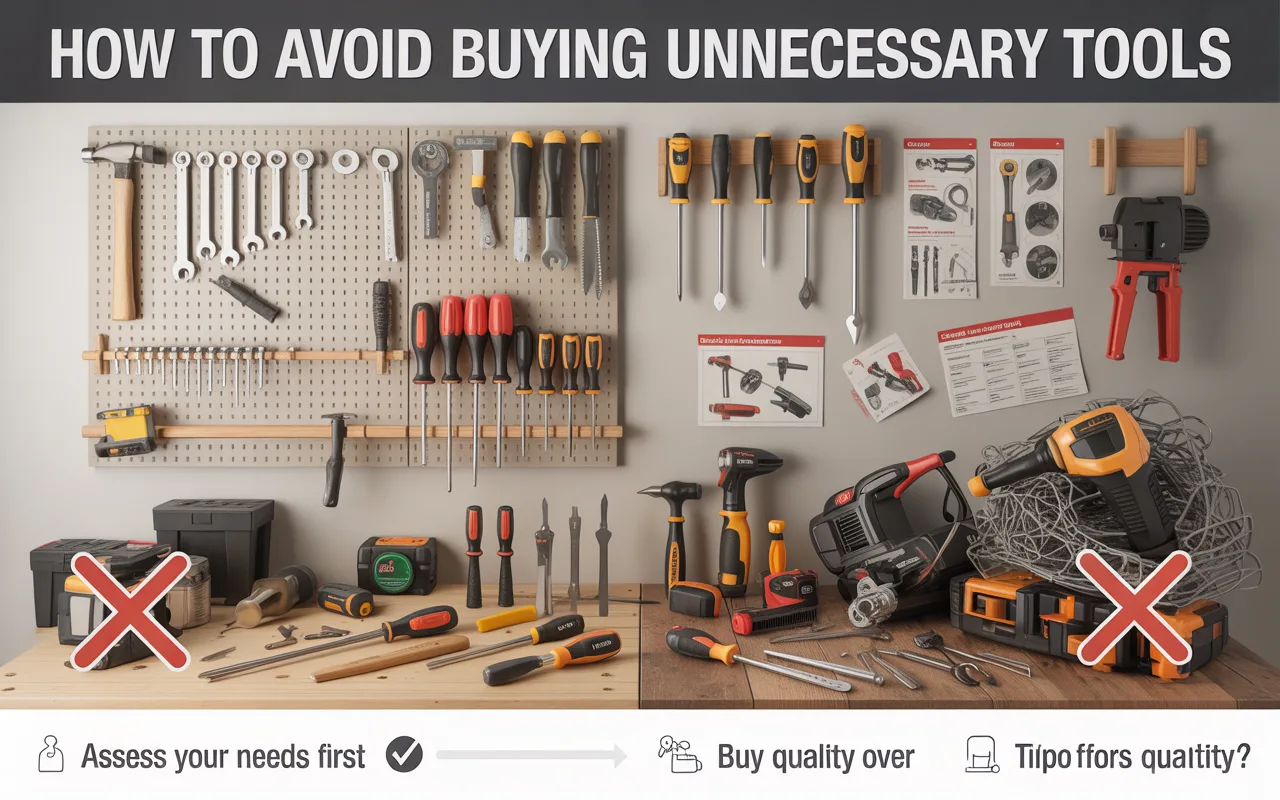
If you want to avoid buying unnecessary tools, this guide shows simple ways to control impulse spending, choose only useful tools, and save money without regret.
Buying tools can feel exciting. A new item promises to make your work faster and easier. But over time, many people notice something strange. They use only a few tools again and again, while the rest sit unused. This leads to wasted money, clutter, and stress.
If you truly want to avoid buying unnecessary tools, you need more than just willpower. You need a simple system that guides your decisions every time you feel the urge to buy something new. This article gives you that system in a clear and friendly way.
Why People Buy Tools They Do Not Need
People often think they are making smart purchases, but many decisions are emotional.
You may see a discount and feel pressure to buy quickly. You may watch a video where someone uses a tool and think you need it too. You may imagine a future version of yourself who uses that tool every day.
“People often buy tools for the idea of who they want to be, not who they are today.”
— James Clear
This is very true. We often buy tools for a future plan that never happens.
Another reason is fear. You might think, “What if I need this later?” That fear leads to extra purchases.
Understanding these reasons is the first step to avoid buying unnecessary tools in a smart way.
Signs You Are Buying Too Many Tools
Sometimes the problem is easy to spot if you look closely at your habits.
You Use Only a Few Tools
Most of your work is done with a small number of tools.
You Forget What You Own
You buy something and later realize you already had a similar tool.
You Buy During Sales
Discounts push you to buy without thinking.
You Feel Regret
After buying, you feel that it was not a good choice.
If these signs feel familiar, it means you need to change your buying habits and learn how to avoid buying unnecessary tools.
The Hidden Cost of Extra Tools
Many people think the only cost is money, but there is more.
Extra tools take up space in your home. They create clutter and make it harder to stay organized. They also waste your time because you need to clean, store, and manage them.
There is also mental stress. Too many choices can slow you down and make simple tasks feel harder.
“Do not buy what you do not need, even if it is cheap.”
— Warren Buffett
A low price does not make a tool useful. Value comes from use, not from cost.
Practical Steps to Avoid Buying Unnecessary Tools
Now let’s look at clear steps you can follow in your daily life.
1. Make a Tool Inventory
Write down all the tools you already have. This simple step gives you clarity.
| Tool Category | Items You Own | Usage Frequency |
|---|---|---|
| Hand Tools | Hammer, Pliers | Weekly |
| Kitchen Tools | Mixer, Knife Set | Daily |
| Cleaning Tools | Vacuum Cleaner | Weekly |
When you see everything listed, you are less likely to buy more without a reason.
2. Use the 30-Day Waiting Rule
If you feel like buying a tool, wait 30 days. After that time, ask yourself if you still need it.
Most of the time, the desire will fade. This is one of the best ways to avoid buying unnecessary tools.
3. Borrow Instead of Buying
If you need a tool for a short task, ask a friend or neighbor. Many tools are used only once or twice.
Borrowing saves money and space.
4. Rent for Occasional Use
Some tools are expensive and rarely used. Renting is a smart choice.
| Tool Type | Buy Cost | Rent Cost | Smart Choice |
|---|---|---|---|
| Drill Machine | High | Low | Rent |
| Carpet Cleaner | High | Medium | Rent |
| Pressure Washer | High | Low | Rent |
This approach helps you avoid buying unnecessary tools that will sit unused later.
5. Choose Multi-Use Tools
A single tool that can do many jobs is always better than many single-use tools.
This reduces clutter and saves money over time.
6. Set a Clear Budget
Decide how much you can spend on tools each month. Stay within that limit.
A budget keeps your spending under control and helps you avoid buying unnecessary tools.
7. Avoid Emotional Shopping
Do not buy tools when you feel bored, stressed, or excited. These emotions can lead to poor decisions.
Instead, take a break and think clearly.
8. Ignore Marketing Pressure
Ads and emails are made to push you to buy quickly. Try to avoid them.
Unsubscribe from emails and limit time on shopping sites.
9. Read Long-Term Reviews
Look for reviews from people who have used the tool for months or years. Short reviews often miss real issues.
This helps you avoid buying unnecessary tools that look good at first but fail later.
10. Ask Simple Questions
Before buying, ask yourself:
- Do I already have something similar?
- How often will I use it?
- Can I borrow it?
- Where will I keep it?
If you cannot answer these questions clearly, it is better not to buy.
Build Better Buying Habits
Good habits take time, but they make a big difference.
Start by improving one small decision each week. Over time, you will see a clear change in your spending and your space.
“Small daily improvements lead to big results over time.”
— Robin Sharma
Each smart choice helps you avoid buying unnecessary tools and build a better lifestyle.
Organize Your Tools Properly
Sometimes people buy new tools because they cannot find the ones they already have.
Keep your tools organized:
- Use boxes with labels
- Group similar items together
- Keep daily tools easy to reach
- Store rare tools separately
This simple system can help you avoid buying unnecessary tools again and again.
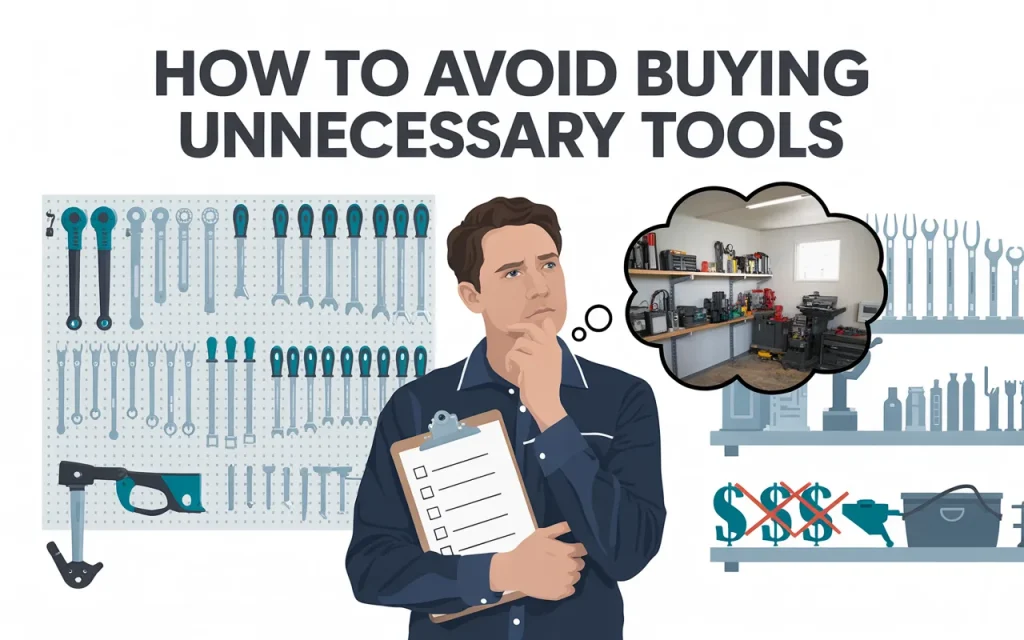
Understand Your Buying Triggers
You need to know what pushes you to buy.
Common Triggers
- Big discounts
- Social media videos
- Friends’ recommendations
- Fear of missing out
Once you understand these triggers, you can control them better and avoid buying unnecessary tools.
Think Long-Term Before Buying
Instead of focusing on today, think about long-term use.
Ask yourself if the tool will still be useful after one year. If not, it may not be worth buying.
This long-term thinking is a strong way to avoid buying unnecessary tools.
Frequently Asked Questions
How can I stop buying tools on impulse?
Start with the 30-day rule. Also, avoid browsing online shops without a clear goal. Keeping a list of what you really need can also help you stay focused.
What is the best way to decide if a tool is necessary?
Think about how often you will use it. If the answer is “rarely,” then it is better to borrow or rent. This method helps you avoid buying unnecessary tools.
Is it okay to buy tools during sales?
Yes, but only if the tool is already on your need list. Never buy something just because it is cheap.
How do I manage tool clutter?
Sort your tools into categories. Remove items you never use. Keep your space clean and organized.
Can minimal tools really be enough?
Yes. Most tasks can be done with a small number of reliable tools. You do not need a tool for every small job.Why do I regret tool purchases?
Regret often comes from emotional buying. You buy quickly without thinking about real use.
How can I build a strong buying habit?
Start small. Follow rules like waiting before buying, setting a budget, and asking key questions.
Should I always choose high-quality tools?
Choose quality if you use the tool often. For rare use, renting or borrowing is a better option.
Conclusion
Learning how to avoid buying unnecessary tools is a simple but powerful skill. It helps you save money, reduce clutter, and feel more in control of your space.
You do not need to stop buying tools completely. You just need to buy with purpose.
When you think before you buy, wait before you decide, and focus on real needs, you make better choices every time.
Over time, your home will feel lighter, your budget will improve, and your daily life will become easier.
Related posts
 Top Starter Mechanic Tool Kits for Apprentices: Essential Sets for Your Trade
Explore top starter mechanic tool kits for apprentices. Compare sets for mechanics, electricians, and other trades to find your essential tools. Starting an apprenticeship is an…
 Automotive Tool Kits vs. Mechanic Tool Sets: What’s the Difference?
Understand the key differences between automotive tool kits vs. mechanic tool sets. Learn which is best for your car maintenance needs. When looking for tools to…
 Top Automotive Tool Kits for Garage Workshops: A Buyer’s Guide
Find the top automotive tool kits for garage workshop. Compare versatile sets for car maintenance, home repairs, and DIY projects to choose the best fit. Setting…