
How Can I Tell If A Tool Is Good Quality
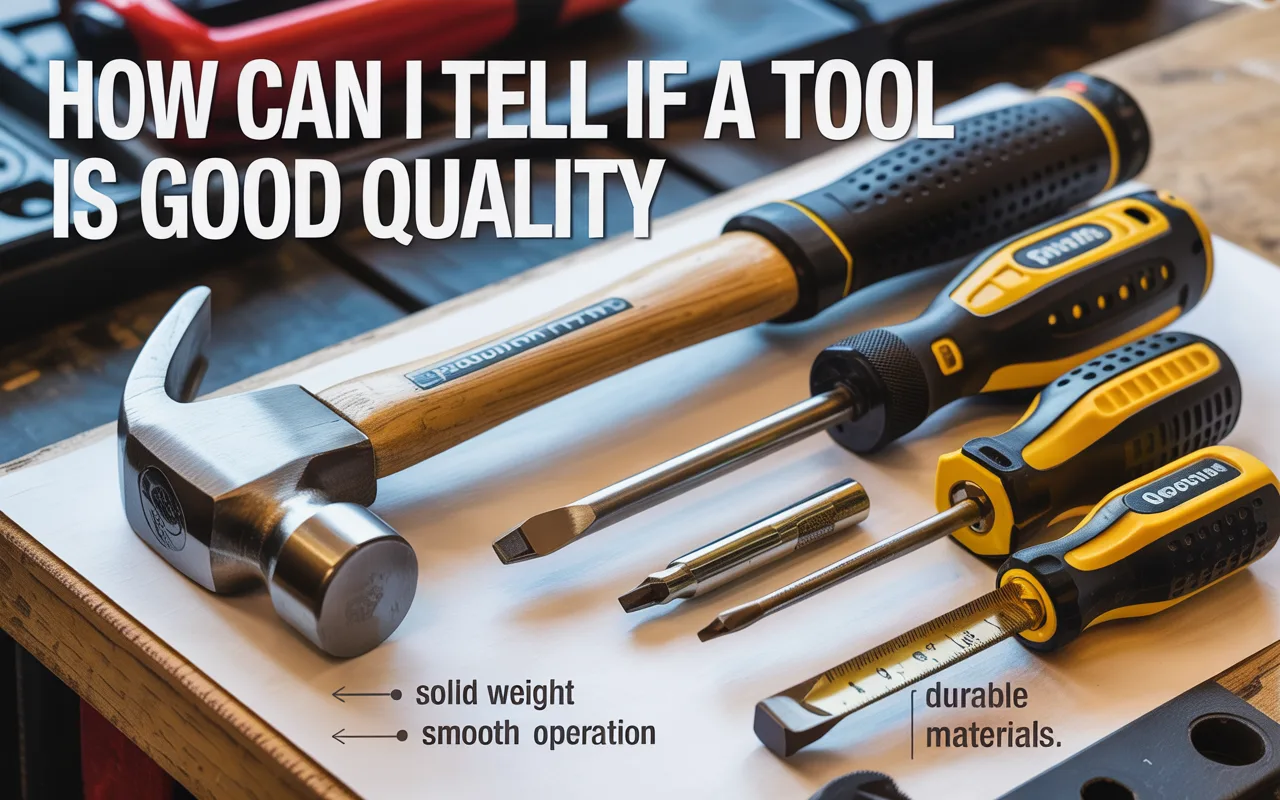
If you are asking how can I tell if a tool is good quality, the answer lies in checking the materials, the weight, the warranty, and the feel in your hand. A quality tool feels balanced, uses high-grade steel or composites, and comes from a brand that stands behind its work.
When you walk into a hardware store or browse online for a new drill, a hammer, or a simple screwdriver, it is easy to feel overwhelmed. You see shiny options next to budget bins, and the prices can range from just a few dollars to hundreds. In that moment, many of us ask the same question: how can I tell if a tool is good quality? It is a fair question. No one wants to spend hard-earned money on something that will break on the second use, or worse, cause an injury because it failed under pressure.
The truth is, figuring out quality does not require a degree in engineering. It requires a bit of knowledge about what to look for, a willingness to hold the tool in your hands, and an understanding of how you plan to use it. Over the years, I have learned that quality tools are an investment. They save you time, frustration, and often money in the long run because you buy them once. Let us walk through the specific signs that separate a reliable tool from one that is destined for the trash bin.
The First Touch: Weight and Balance
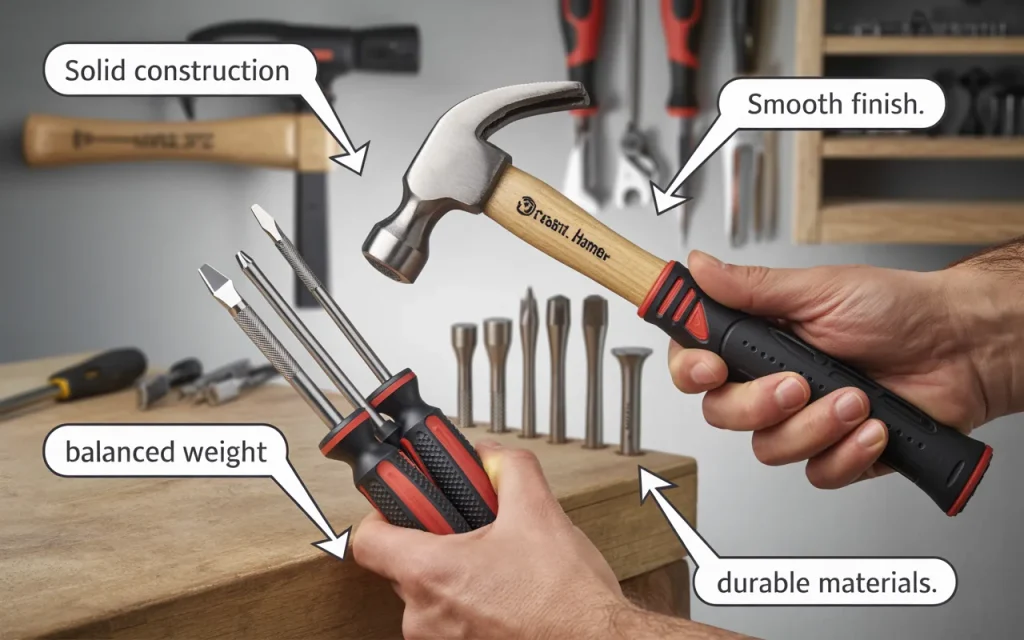
One of the quickest ways to answer the question how can I tell if a tool is good quality is to simply pick it up. A quality tool often has a certain heft to it, but it is not just about being heavy. It is about the distribution of that weight. If you pick up a hammer and it feels like the head is going to pull your arm off, that is a bad sign. A well-made hammer has a balanced feel where the head and the handle work together. When you hold it, it should feel like an extension of your arm.
For tools like screwdrivers or wrenches, the weight gives you a clue about the material inside. Cheap tools often use hollow handles or low-grade metals to cut costs. When you hold them, they feel flimsy and light. A quality tool uses solid materials. You should feel a sense of solidity. If the tool has moving parts, like pliers or adjustable wrenches, test the action. It should open and close smoothly without any grinding or sticking. If it feels gritty right out of the box, it will only get worse with use.
Material Matters: Steel, Plastic, and Everything in Between
The material a tool is made from is the foundation of its quality. When considering how can I tell if a tool is good quality, you have to look past the paint job and examine what is underneath. For metal tools, high-carbon steel is a very good sign. It holds an edge well and resists bending under pressure. Stainless steel is great for corrosion resistance, but it can sometimes be softer than high-carbon steel, depending on the grade.
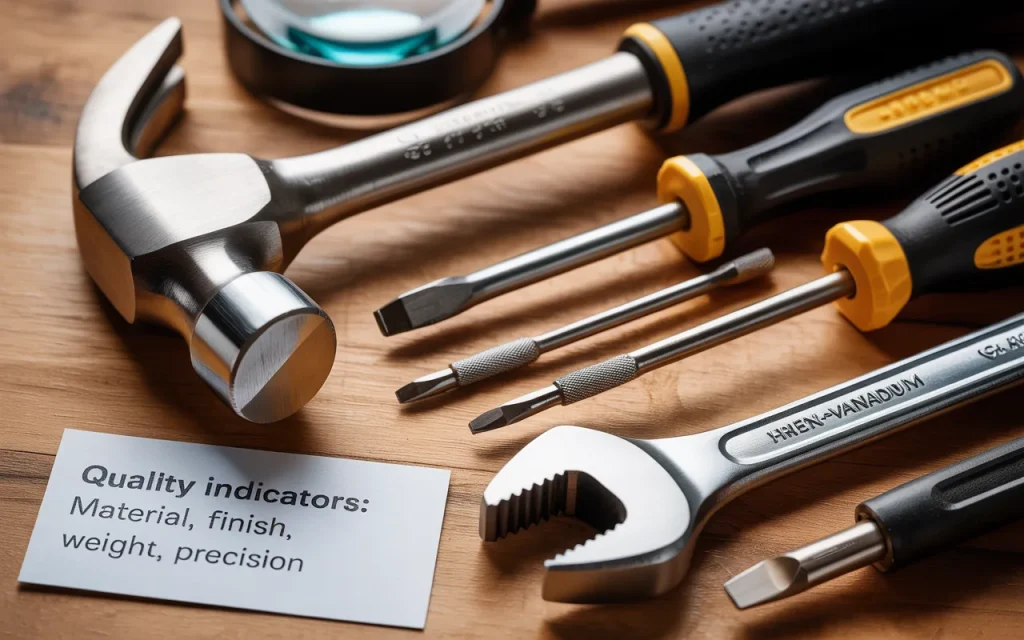
For tools like wrenches and sockets, look for the markings on the steel. Chrome vanadium and chrome molybdenum are two alloys that signal strength. These are the materials professionals rely on. If the tool does not list the type of steel on the packaging or on the tool itself, that is often a red flag. Quality brands are proud of their materials and will tell you what they use.
Plastic parts are not always a sign of poor quality, but you need to look at the type of plastic. On power tools, you want to see glass-filled nylon or polycarbonate. These materials are tough and can handle drops. If the plastic feels like a thin shell that flexes when you squeeze it, it is likely cheap ABS plastic that will crack easily. On hand tools, any plastic parts should be thick and feel dense.
The Details in the Finish
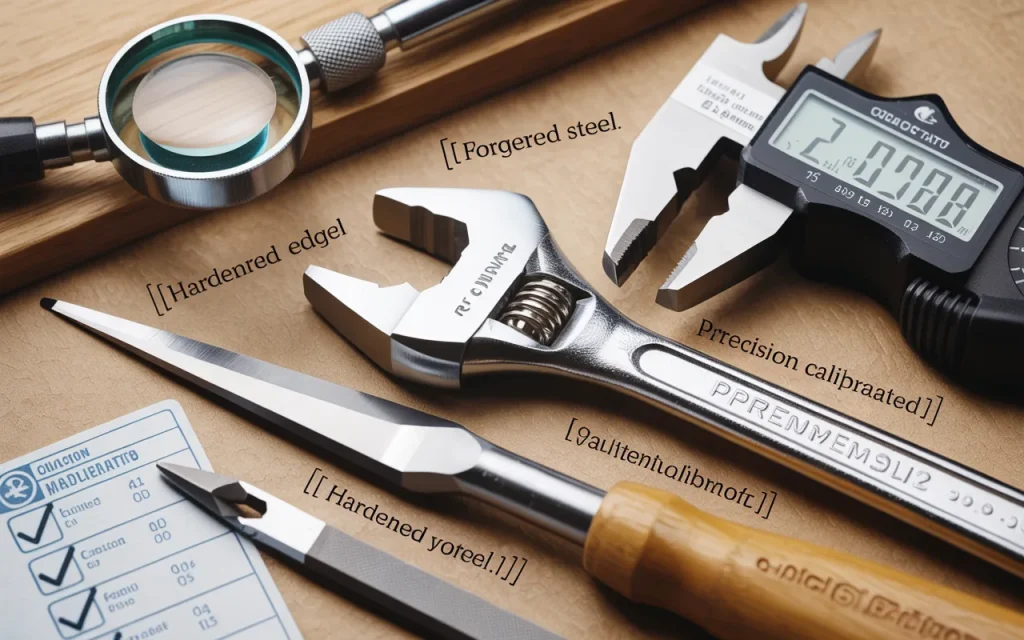
A quality tool pays attention to the details. It might seem superficial, but the finish on a tool tells you a lot about the care that went into its manufacturing. Look at the chrome plating on a wrench or a socket. It should be smooth and even. There should be no bubbles, peeling edges, or rough spots. This finish is not just for looks; it protects the tool from rust and corrosion.
On cutting tools like chisels or planes, look at the grind of the blade. Is it even? Are there machine marks that should have been polished out? Quality manufacturers take the time to ensure that cutting edges are ground correctly and that handles are properly seated. On wooden handles, look for a smooth finish and a tight fit with the metal head. There should be no gaps where moisture can get in and cause the handle to loosen over time.
“The bitterness of poor quality remains long after the sweetness of low price is forgotten.” – Benjamin Franklin
This old saying holds true. When you look at a tool and see the attention to detail in the finish, you are seeing a manufacturer who knows that people will be using that tool for years. They are not just making a product to sell; they are making a tool to be used.
Check the Joinery and Connections
For tools that have multiple parts or moving joints, the quality of the connection is critical. Pliers, for example, have a rivet or a bolt that holds the two halves together. On a high-quality pair of pliers, that joint is tight but smooth. There should be no side-to-side slop. When you squeeze the handles, the jaws should meet perfectly. If there is a gap at the tips when closed, the tool is poorly made.
For hammers and axes, the connection between the head and the handle is where quality shows. On a wood-handled hammer, look for a “wedge” in the top of the handle. This wedge expands the wood inside the head to keep it tight. On fiberglass or steel handles, look for a solid molding or welding process. If the head is simply glued on or attached with a small screw, it is not a safe tool. The same principle applies to power tools. Check the battery connection. It should click in firmly with no wiggle. If the battery moves while in the tool, that connection will fail over time.
Warranty as a Quality Indicator
One of the most honest answers to how can I tell if a tool is good quality is to look at the warranty. A warranty is a promise from the company. It is their way of saying, “We built this to last, and if it breaks due to a defect, we will take care of it.” High-quality tool brands often offer lifetime warranties on hand tools. They know that their materials and construction are so good that they will rarely have a claim.
If a tool comes with a 90-day warranty or no warranty at all, the manufacturer is essentially telling you that they do not expect it to last. It is important to read the fine print. Some warranties cover only defects, while others cover “no questions asked” replacements. The latter is a very strong sign of confidence. When you see that kind of backing, you can feel secure in your purchase.
Comparing Quality Across Tool Types
Different tools have different quality indicators. It helps to know what to look for based on what you are buying. Here is a simple breakdown of how to assess quality in two common categories:
| Hand Tool Type | Quality Indicators |
|---|---|
| Wrenches & Sockets | Forged steel (not stamped), shiny chrome finish, laser-etched or stamped size markings, smooth ratcheting mechanism, no rust spots, comfortable grip that is securely attached. |
| Hammers & Mallets | Solid steel head with no chips or cracks, handle grain that runs the length of the tool (on wood), secure head-to-handle connection, balanced weight, comfortable grip texture. |
This table shows that while the indicators change, the core principles of material strength, construction security, and finish quality remain the same.
The Brand Reputation and Reviews
Sometimes you cannot hold the tool before you buy it. In that case, you have to rely on the collective experience of others. Brand reputation is a valid way to judge quality. There are brands that have been around for generations because they built a following based on reliability. However, do not assume that a famous name automatically means every tool they make is perfect. Many large brands now have “budget lines” that are sold in big box stores. These lines often use the brand name but lower the material quality to hit a price point.
Reading reviews is essential, but you have to read them critically. Look for the 3-star and 4-star reviews. These often contain the most balanced information. A 5-star review might just say “great tool,” but a 3-star review will tell you if the tool broke on the third use or if the handle was uncomfortable. Look for reviews from people who use the tool for work. A professional carpenter or mechanic will put a tool through stress that a weekend hobbyist never will. If a tool holds up for them, it will hold up for you.
Ergonomics: Comfort Equals Quality
A good quality tool is designed with the user in mind. Ergonomics matter because a tool that hurts your hand is a tool you will avoid using. When asking how can I tell if a tool is good quality, you need to pay attention to how it feels during use. Look for handles that fit the natural shape of your hand. They should have soft but not squishy grips. If the grip is too soft, it will tear over time. If it is too hard, it will cause blisters.
Check for sharp edges on the tool body. On power tools, look at the handle placement. Is the trigger easy to reach? Is the tool balanced so you can hold it with one hand without strain? Quality manufacturers spend money on ergonomic research because they know that a comfortable tool is a productive tool. If a tool feels awkward or painful to hold in the store, it will not feel better at home.
Precision and Fit
One of the most frustrating experiences is using a tool that does not fit properly. A cheap wrench might strip a bolt head because the jaws are not machined to the correct size. A poor-quality screwdriver will cam out of a screw head, damaging both the screw and the driver. Precision in manufacturing is a hallmark of quality.
Look at the working ends of the tool. On a screwdriver, the tip should be sharp and square. It should fit perfectly into the screw head without any wiggle. On a wrench, the open end should grip the flat sides of a nut, not the corners. This is often called a “flank drive” design. On measuring tools like squares and levels, check for accuracy. A quality level will have vials that are set precisely and will not shift. A good square will actually be square. You can test this by drawing a line, flipping the square, and seeing if the line matches up.
“A tool is but the extension of a man’s hand, and a machine is but a complex tool. He that invents a machine augments the power of a man and the well-being of humanity.” – Henry Ward Beecher
When a tool is precise, it becomes an extension of your hand. It works with you instead of against you. That precision is a direct result of the manufacturer’s commitment to quality control.
Safety Features
Quality tools incorporate safety in their design. This is a non-negotiable part of the quality equation. On power tools, look for safety features like electric brakes, blade guards that move freely and lock correctly, and switches that are not easy to accidentally turn on. On hand tools, look for non-slip grips. A quality hammer will have a grip that does not slide in your hand, reducing the chance of a miss-hit that could cause injury.
For tools that use electricity or batteries, check the cord or the battery housing. A quality tool will have a thick, rubberized cord that remains flexible in the cold. The battery housing should have vents to keep the motor cool, and the battery should be rated for high discharge rates. Safety is not an extra feature; it is a sign that the manufacturer built the tool with respect for the person using it.
Testing the Tool Yourself
If possible, the best way to answer how can I tell if a tool is good quality is to test it. If you are at a store, ask if you can take it out of the box. Many stores allow this. Turn it on if it is a power tool. Listen to the sound. A quality motor sounds smooth and consistent. It should not sound like it is straining or grinding. On cordless tools, check the battery level indicator. It should give clear feedback.
For hand tools, bring a nut or a bolt with you if you are shopping for wrenches. See how it fits. Squeeze the handles of pliers or cutters. The motion should be fluid. Open a tape measure and let it retract. It should come back in a controlled, smooth manner, not a violent snap. These small tests give you real data about the tool’s construction. A store is a controlled environment, but if a tool fails a simple test in the store, it will fail in your workshop.
Comparing Price Points
Price is often the first filter people use when deciding on a tool. While a high price does not guarantee quality, a very low price almost always guarantees poor quality. When you see a set of 200 tools for the price of one quality hammer, you have to question the materials. The metal in those cheap sets is often soft and will bend or round off. The plastic is brittle.
However, you do not always need the most expensive professional brand. There is a “sweet spot” where price meets quality for the average user. This is often the “pro-sumer” level. These tools use good materials and have good warranties, but they do not carry the premium price of heavy industrial brands. When you are learning how can I tell if a tool is good quality, you are also learning what price range matches your needs. If you use a tool once a month, you do not need industrial-grade, but you still need something that will work when you need it.
Here is a quick guide to help you navigate the price-to-quality relationship:
| Price Level | Quality Expectation | Best For |
|---|---|---|
| Budget | Low-grade steel, plastic components, short warranty, likely to break under heavy use. | Single-use projects or emergencies only. |
| Mid-Range | Good quality steel, reliable mechanisms, solid plastic handles, decent warranty. | Homeowners and hobbyists who use tools regularly. |
| Professional | High-grade materials, precision engineering, ergonomic design, lifetime warranty. | Daily use, heavy workloads, and professional trades. |
The Long-Term Perspective
A quality tool is an asset. It does not just complete a task; it makes the task enjoyable. When you invest in good tools, you build a relationship with them. You learn their weight, their feel, and their capabilities. Over time, a well-made tool can become a family heirloom. I have used hammers and planes that were passed down from grandparents. They still work perfectly because they were made with care.
When you are standing in the store, trying to decide between the cheap option and the quality option, think about the future. Ask yourself how many times you will use this tool. If the answer is “once,” maybe the cheap option is acceptable. But if the answer is “for the rest of my life,” then you know what to choose. The question how can I tell if a tool is good quality is really about learning to respect the work you do and the tools that help you do it.
“I have a hammer. I take care of it, and it takes care of me.” – Mike Rowe
That quote sums up the relationship between a person and their tools. A tool that is good quality deserves care, and in return, it performs reliably every time you pick it up.
Frequently Asked Questions
1. What is the first thing I should check to know if a tool is good quality?
The first thing is the material. Look for markings like “chrome vanadium” or “high-carbon steel” on metal tools. For power tools, check if the housing is made of a tough plastic like polycarbonate. Also, pick it up to feel the weight and balance.
2. Are expensive tools always better quality?
Not always, but generally, a higher price indicates better materials and construction. However, many mid-range tools offer excellent quality for the average user. The key is to look at the specific features like the warranty, the type of steel, and the precision of the moving parts rather than just the price tag.
3. How can I tell if a tool is good quality when shopping online?
Read the reviews carefully, focusing on the negative and mid-range reviews. Look for reviews from professionals who use the tool daily. Also, check the brand’s website to see what materials they list and what warranty they offer. A solid warranty is a very good sign.
4. Does a lifetime warranty mean the tool is high quality?
Yes, a lifetime warranty is a strong indicator. A company would not offer a lifetime warranty on a tool that breaks easily because they would lose money on returns. It shows the manufacturer has confidence in their product’s durability.
5. Can a cheap tool ever be good quality?
Occasionally, you can find a cheap tool that performs well for light tasks, but it is rare. Cheap tools usually cut costs in material quality, which affects precision and safety. For safety-critical tools like ladders, saws, or electrical equipment, it is best to avoid the cheapest options.
Conclusion
Learning how can I tell if a tool is good quality is a skill that develops with practice. It starts with trusting your hands and your eyes. You look for solid materials, smooth mechanisms, secure connections, and a finish that shows care. You check the warranty to see if the company believes in its own product. You consider the brand, but you also test the tool for yourself whenever you can.
Remember that quality is about more than just surviving a fall. It is about the confidence you feel when you use it. A good quality tool lets you focus on the project, not on whether the tool is going to fail. It respects your time and your safety. The next time you need to buy a tool, take a moment. Pick it up. Look at the steel, feel the grip, and check the fit. Ask the store staff if you can test it. By doing these simple checks, you will be able to make a choice that saves you money, time, and frustration in the long run. Invest in tools that respect the work you do, and they will serve you well for years to come.
Related posts
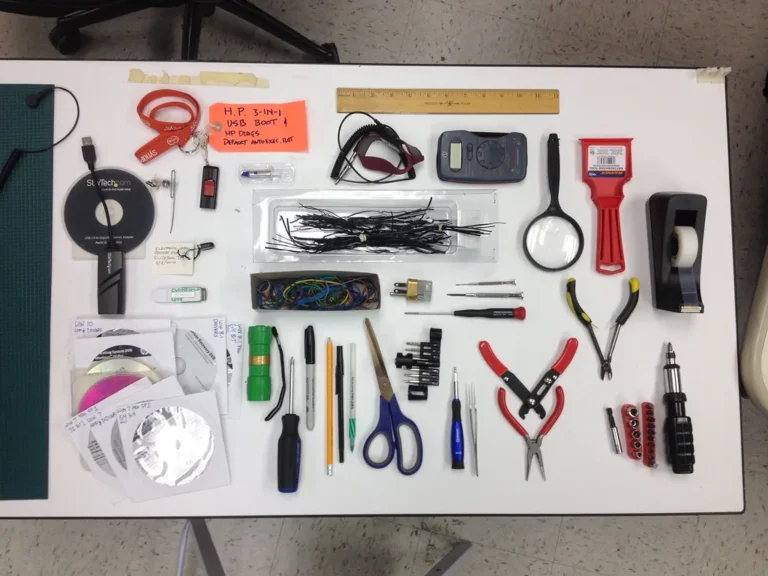 Top Starter Mechanic Tool Kits for Apprentices: Essential Sets for Your Trade
Explore top starter mechanic tool kits for apprentices. Compare sets for mechanics, electricians, and other trades to find your essential tools. Starting an apprenticeship is an…
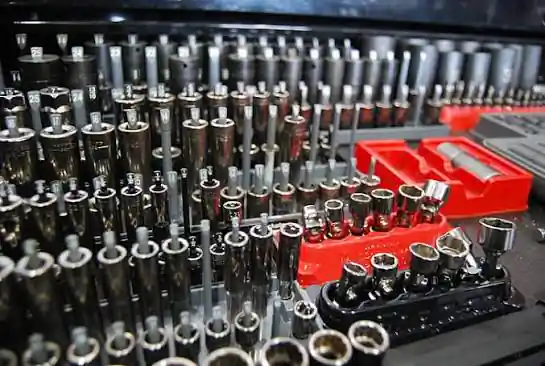 Automotive Tool Kits vs. Mechanic Tool Sets: What’s the Difference?
Understand the key differences between automotive tool kits vs. mechanic tool sets. Learn which is best for your car maintenance needs. When looking for tools to…
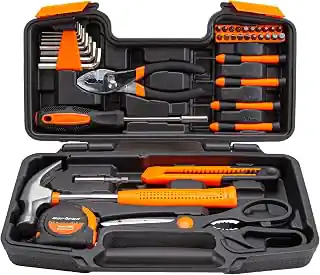 Top Automotive Tool Kits for Garage Workshops: A Buyer’s Guide
Find the top automotive tool kits for garage workshop. Compare versatile sets for car maintenance, home repairs, and DIY projects to choose the best fit. Setting…