
How Long Do Multi Tools Last
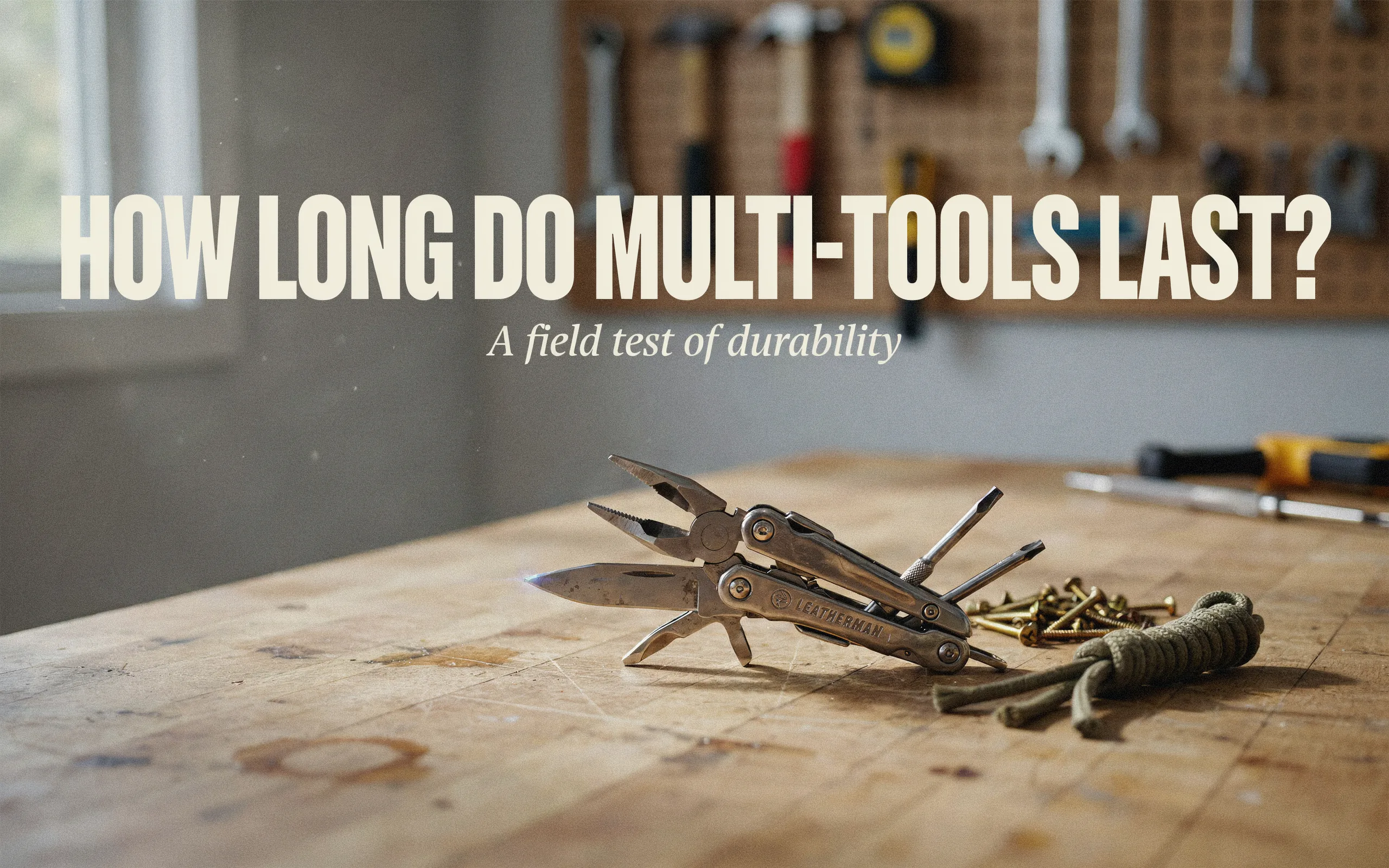
Wondering how long do multi tools last? A good multi tool can serve you for 10 to 25 years or even a lifetime with proper care. Learn about durability factors, maintenance tips, and top brands that stand the test of time.
When you buy a multi tool, you are making an investment in convenience and preparedness. Whether you are an outdoor enthusiast, a DIY fan, or someone who simply likes to be ready for small repairs around the house, you want that tool to stick around for a good while. The question “how long do multi tools last” is one that comes up often, and the answer is more layered than you might think.
The short answer is that a quality multi tool can last anywhere from 10 years to a lifetime. But the real answer depends on several key factors. The brand you choose, the materials used, how often you use it, and how well you take care of it all play a big role in determining the lifespan of your tool.
Let’s take a closer look at everything that affects how long do multi tools last, so you can make a smart purchase and keep your tool running smoothly for decades.
What Determines How Long Do Multi Tools Last?
Several factors come together to decide the lifespan of your multi tool. Understanding these elements helps you choose wisely and care for your tool properly.
Material Quality and Build
The type of steel used in a multi tool is perhaps the biggest factor in its durability. Most reputable brands use stainless steel, but not all stainless steel is the same. Premium multi tools often use 420HC, 440C, or similar high-carbon stainless steels that offer a good balance of hardness, corrosion resistance, and edge retention.
Cheaper tools might use lower-grade steel that rusts more easily, dulls faster, or even bends or breaks under pressure. One reviewer noted that premium multitools will likely last longer under heavy use, though not necessarily three to five times longer than their price would suggest. The material transparency is also important. For instance, Leatherman lists 440C and 440HC steel as what goes into its tools, while some budget brands do not disclose their materials at all.
Frequency and Type of Use
How long do multi tools last for a weekend camper compared to a daily construction worker? The answer is very different. Someone who uses their tool occasionally for light tasks like opening packages or tightening a screw can expect their multi tool to last many years, possibly decades.
On the other hand, someone who uses their multi tool daily in demanding conditions, cutting wire, prying materials, or using the pliers heavily, will experience more wear. The pliers and wire cutters are often the first components to show signs of fatigue. Some users have reported that the wire cutting area goes blunt after regular use.
Maintenance and Care
This is the factor you have the most control over. Regular cleaning, lubrication, and proper storage can significantly extend the life of your multi tool. Even a well-maintained multi tool made with a high-end corrosion-resistant alloy will rust if it is stored somewhere hot and humid. The rule is to store it somewhere cool and dry, most importantly dry, as chronically wet conditions can result in corrosion even of highly rust-resistant alloys.
Average Lifespan by Brand and Quality
Not all multi tools are created equal. Here is a general breakdown of what you can expect from different tiers of tools.
| Brand Tier | Examples | Expected Lifespan | Warranty |
|---|---|---|---|
| Premium | Leatherman, Victorinox, SOG, Gerber (higher-end) | 15-25+ years or lifetime | 25 years to lifetime |
| Mid-Range | Some Gerber models, SOG, NexTool | 5-15 years | 1-5 years |
| Budget | Amazon Basics, Husky, Ryobi, generic brands | 1-5 years | Limited or none |
Premium Brands
Leatherman is perhaps the most well-known name in multi tools. Every Leatherman tool comes with an automatic 25-year warranty, and if you sign up to be a Leatherman Insider for free, that coverage jumps to 40 years. The Leatherman Signal, for example, has been tested for ten years and proven to be an heirloom purchase that could last a lifetime.
Victorinox, the maker of Swiss Army Knives, offers a lifetime warranty on its SwissTool line because the company trusts its quality that much. One verified buyer mentioned having a stainless steel SwissTool for 25 years with incredible quality.
SOG also produces durable multi tools. Users have reported putting SOG tools through heavy use with great results and durability.
Mid-Range and Budget Brands
Tools from brands like NexTool can offer good value. One review noted that a $30 NexTool E1 was made from heat-treated 30Cr13 stainless steel, known for its durability and toughness. However, the longevity of these tools is generally shorter than premium options.
Budget tools from big-box brands like Amazon Basics, DeWalt, Husky, and Ryobi often fall short compared to brands that specialize in multi tools. While they might not break on the first use, they do not offer the same longevity or warranty support.
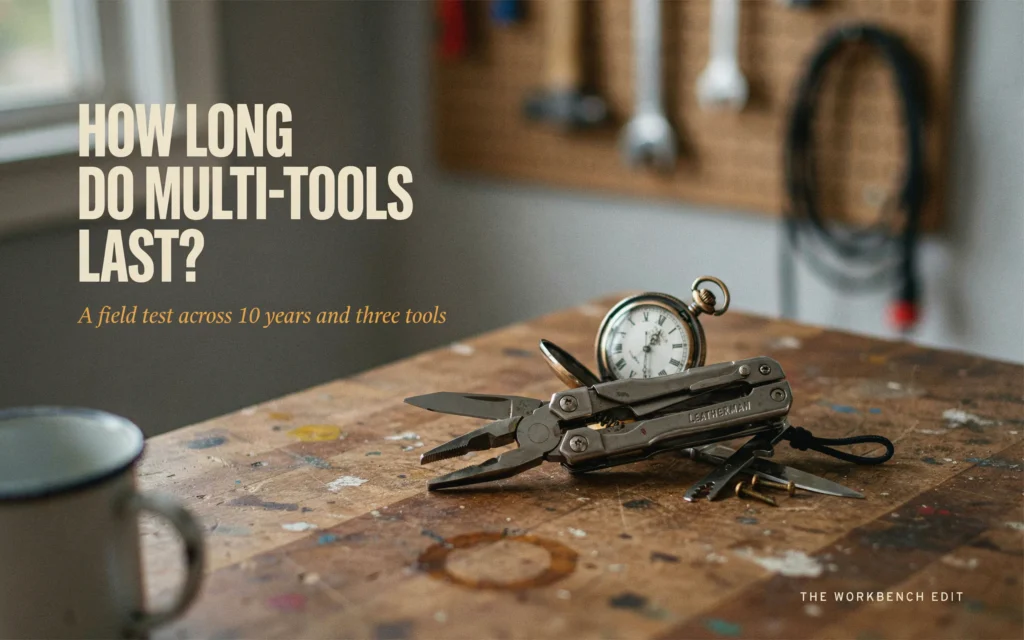
How Warranty Reflects Lifespan
A warranty is a strong indicator of how long a manufacturer expects its product to last. When a company offers a 25-year or lifetime warranty, it is making a bold statement about the quality and durability of its tools.
Leatherman’s 25-year warranty covers the original owner and does not cover abuse, alteration, theft, loss, or unreasonable use. Rust, oxidation, and other corrosion are not covered, which is why maintenance is so important. The warranty lasts for 25 years from the date the user receives the tool.
Victorinox provides a lifetime guarantee against defects in material and workmanship. This level of commitment shows that these brands are confident their tools will last.
Common Causes of Multi Tool Failure
Understanding why multi tools fail can help you avoid the same fate. Here are the most common issues.
Rust and Corrosion
Stainless steel is corrosion-resistant, but it is not rust-proof. Moisture is the enemy. If you use your tool in wet conditions, around salt water, or even just in a humid environment, you need to dry it thoroughly afterward. Rust can seize the joints, making the tool difficult to open and close, and can eventually compromise the integrity of the metal.
Mechanical Wear
The pivot points and locking mechanisms are subject to friction and stress. Over time, these can loosen or wear down. Dirt, sand, and debris can get caught in the joints and accelerate wear. Regular cleaning and lubrication are essential to keep everything moving smoothly.
Breakage from Misuse
Using a tool for something it was not designed for is a common cause of failure. Using the knife blade as a pry bar, for example, is a frequent cause of blade breakage. Leatherman’s warranty does not cover damage from abuse, such as using a knife blade as a pry bar. The pliers are another common point of failure, especially when used on tasks that are too heavy for their size.
Manufacturing Defects
While rare with reputable brands, manufacturing defects can occur. This is where a good warranty becomes invaluable. A defective tool might break or malfunction early in its life, but a solid warranty will cover repair or replacement.
Maintenance Tips to Extend Lifespan
Taking care of your multi tool is not difficult, but it does require consistency. Here are the most important maintenance practices.
Clean It Regularly
Keeping your multi tool clean is your first line of defense against corrosion and wear. Never put your multi tool away dirty or wet.
A simple cleaning with warm, soapy water is effective for most dirt and grime. Rinse thoroughly to remove all soap residue, then set it somewhere warm and dry. It must be thoroughly dry before storing because you don’t want any moisture trapped in the joints.
For deeper cleaning, you can use a cleaning agent like WD-40 with a cloth, brush, or swabs. Never put your multi tool in the dishwasher, as the heat and harsh detergents can damage it.
Lubricate the Joints
Almost all multi tools have hinged, folding, or articulated designs. Keeping the joints lubricated helps prevent premature wear, hardware seizures, and other problems.
A light machine oil or gun oil will do the trick. Just a drop on any hinged components helps keep them limber and offers the added bonus of keeping corrosion at bay. Use as little oil as possible, because oil is sticky and will attract dirt and dust, which can accelerate wear.
Sharpen the Blades
Dull blades are not only less effective but also more dangerous because they require more force to cut. Regular sharpening keeps your blades in good working order. Leatherman has even released a maintenance kit that includes a blade sharpener, a cleaning brush, lubricant, and other accessories.
Store It Properly
Storage is a critical part of maintenance. Even a well-maintained multi tool will rust if stored in a hot, humid place. Store your tool in a cool, dry location. If you are storing it for a long period, lightly wipe the pliers and edges with a soft cloth dipped in a small amount of rust preventive oil.
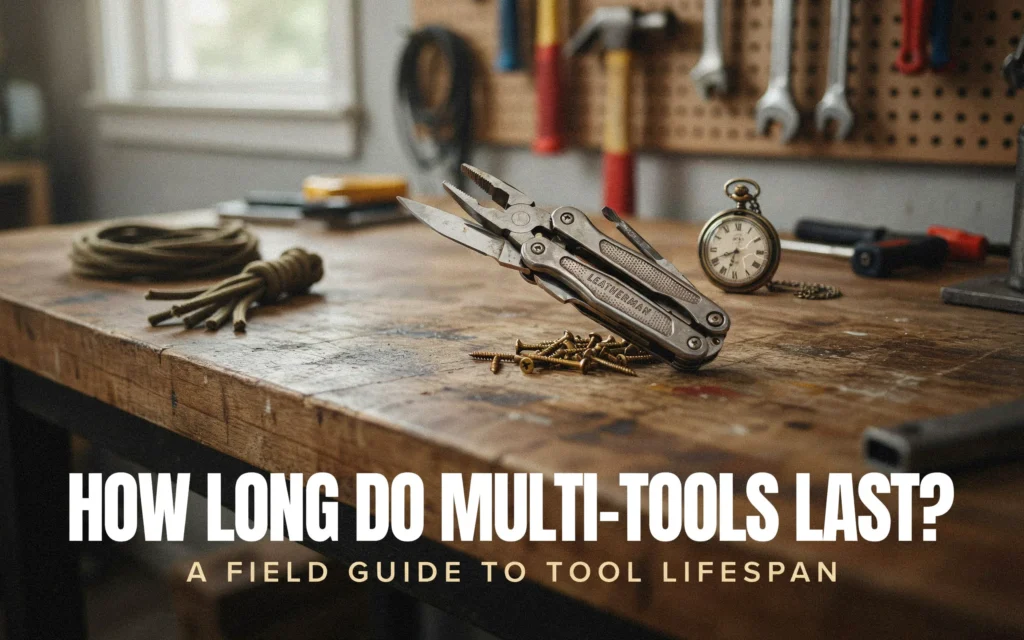
How Long Do Multi Tools Last for Different Users?
| User Type | Usage Frequency | Typical Lifespan |
|---|---|---|
| Occasional user (home, light tasks) | Few times a month | 15-25+ years |
| Regular user (DIY, camping) | Weekly | 10-20 years |
| Heavy user (trades, daily carry) | Daily | 5-15 years |
| Extreme user (military, emergency services) | Daily, harsh conditions | 3-10 years |
Real-World Examples of Multi Tool Longevity
There are countless stories of multi tools lasting for decades. One person mentioned owning a bicycle multi-tool for about 25 years. Another reviewer noted that a premium multi tool should last a lifetime if looked after.
A Leatherman Signal user reported ten years of testing that proved the tool could last a lifetime. Victorinox users have also shared stories of their SwissTools lasting 25 years or more.
These examples show that with proper care and a quality product, how long do multi tools last can indeed be measured in decades.
Budget vs. Premium: Is It Worth Spending More?
This is a common question. A premium multi tool might cost $100 or more, while a budget option could be $20 or $30. Is the extra cost worth it?
For occasional use, a budget tool might serve you well for several years. However, for regular or heavy use, the premium option is almost always the better investment. The superior materials, better build quality, and comprehensive warranty mean that a premium tool is more likely to last for many years.
As one reviewer put it: “I believe that the premium multitools will probably last longer under heavy use”. Another noted that “the tool is excellent quality and should last a lifetime if looked after”.
When you consider that a premium tool could last 20 or 30 years, the cost per year becomes very small.
Frequently Asked Questions
How long do multi tools last on average?
A good quality multi tool can last anywhere from 10 to 25 years or more with proper care. Premium brands like Leatherman and Victorinox are known to last decades, and some users report using the same tool for over 25 years.
Does a multi tool warranty cover everything?
No. Most warranties cover manufacturing defects but not damage from abuse, misuse, theft, or loss. Rust and corrosion are typically not covered either. Always read the warranty terms carefully.
Can a multi tool be repaired?
Yes, many brands offer repair services. Leatherman, for example, will repair or replace tools under warranty. Some minor issues, like loose screws or dull blades, can be fixed at home with the right tools.
How often should I clean my multi tool?
You should clean your multi tool after each use if it gets dirty or wet. For general maintenance, a thorough cleaning every couple of months is recommended. Regular cleaning prevents rust and keeps the tool working smoothly.
What is the best way to store a multi tool?
Store your multi tool in a cool, dry place. Avoid humid environments like bathrooms or basements. If storing for a long time, apply a light coat of rust preventive oil to the metal parts.
Is a more expensive multi tool worth the money?
For regular or heavy use, yes. Premium tools use better materials, have tighter tolerances, and come with longer warranties. For occasional light use, a mid-range tool might be sufficient.
Conclusion
So, how long do multi tools last? The answer is that a quality multi tool can last for many years, often decades, and sometimes even a lifetime. The key factors are the quality of the tool, how you use it, and how well you maintain it.
Premium brands like Leatherman, Victorinox, and SOG offer tools built from high-quality materials and back them with strong warranties. These tools are designed to withstand regular use and, with proper care, can serve you faithfully for 25 years or more.
Budget tools have their place, especially for light or occasional use, but they generally do not offer the same longevity. The old saying “you get what you pay for” holds true in the multi tool market.
Taking care of your tool is simple: keep it clean, lubricate the joints, sharpen the blades, and store it in a dry place. These small efforts can dramatically extend the life of your tool.
When you invest in a quality multi tool and look after it, you are not just buying a gadget. You are buying a reliable companion that will be there when you need it, year after year. That is the real value of a multi tool.
“A tool is only as good as the hands that use it, and the care those hands provide.” – Tim Leatherman, Founder of Leatherman Tool Group
“Quality is not an act, it is a habit. The same applies to the care of your tools.” – Aristotle (adapted for tool maintenance)
“The best multi tool is the one you have with you when you need it, and the one that still works when you do.” – Unknown
Related posts
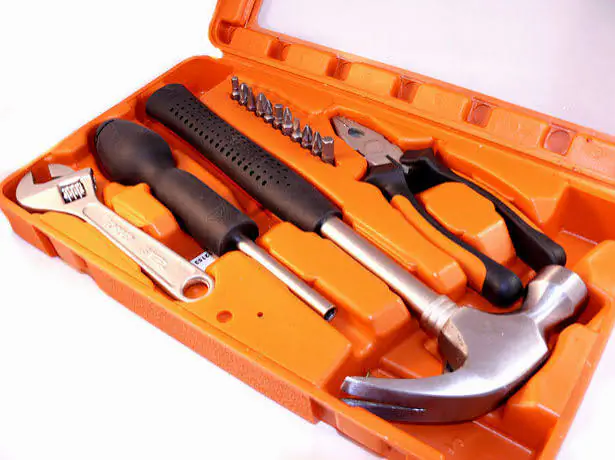 Which Tool Kit Is Worth Buying? How to Choose the Right Set for Your Home
Wondering which tool kit is worth buying? Compare basic household sets, mechanic kits, and power tool combos to find the best tools for your budget and…
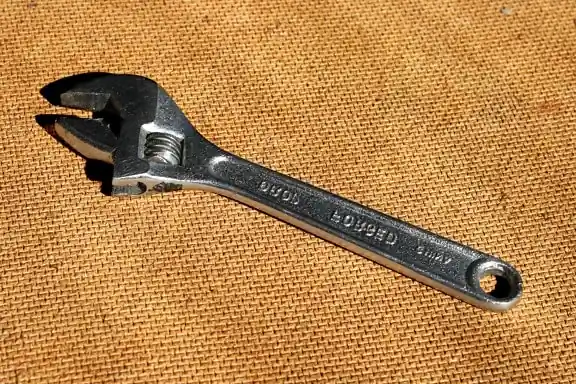 Which Hand Tools Are Made in the USA? Reliable Brands and Buying Rules
Discover which hand tools are still made in the USA. Compare top domestic brands, tool categories, and learn how to verify origin labels before buying. Several…
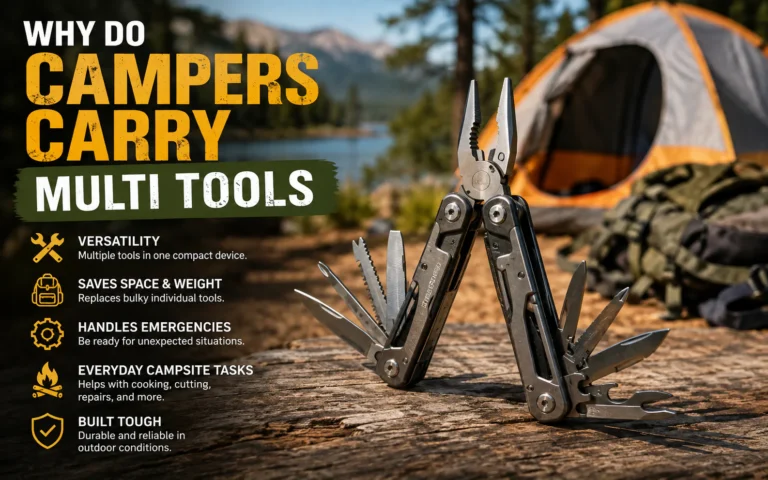 Why Do Campers Carry Multi Tools? Practical Uses in the Field
Why do Campers carry multi tools to handle gear repairs, campsite setup, food prep, and field fixes with minimal weight. Here is why one belongs in…